Common Mistakes to Avoid as a First Time Trekker
Common Mistakes to Avoid as a First-Time trekker can make a significant difference in the trekking experience. It is common for first-time trekkers to make mistakes while trekking in Nepal. To be real, no energy can match the excitement of stepping for the first time on the trail and embracing the mountains. So, it is absolutely understandable that sometimes excitement can overshadow the preparation and awareness.
The idea of trekking in Nepal can be magical, where the journey will be an adventure and a memory lane for the future. However, such amazing experiences can turn into overwhelming moments when trekkers forget the basics and underestimate the challenges. There are many inevitable trekking mistakes, such as overpacking, overlooking hydration, etc, that trekkers can make during their first trek. Let’s unveil common trekking mistakes and ways to avoid them.
1. Carrying the Wrong Gear or Overpacking
When you are trekking for the first time, it is obvious not to know what to pack and what not to. The consideration of what if I need this, will continuously run in your mind, which can create more confusion about the packing list. Amid the confusion in their minds, many rookie trekkers tend to overpack, which later becomes a burden to them. You can't throw or discard them, but at the same time, you cannot use them. Those unnecessary things will just sit in your bag without being used once. Hence, it is necessary to pack the essential ones and make the packing light.
2. Ignoring Altitude Sickness & Health Precautions
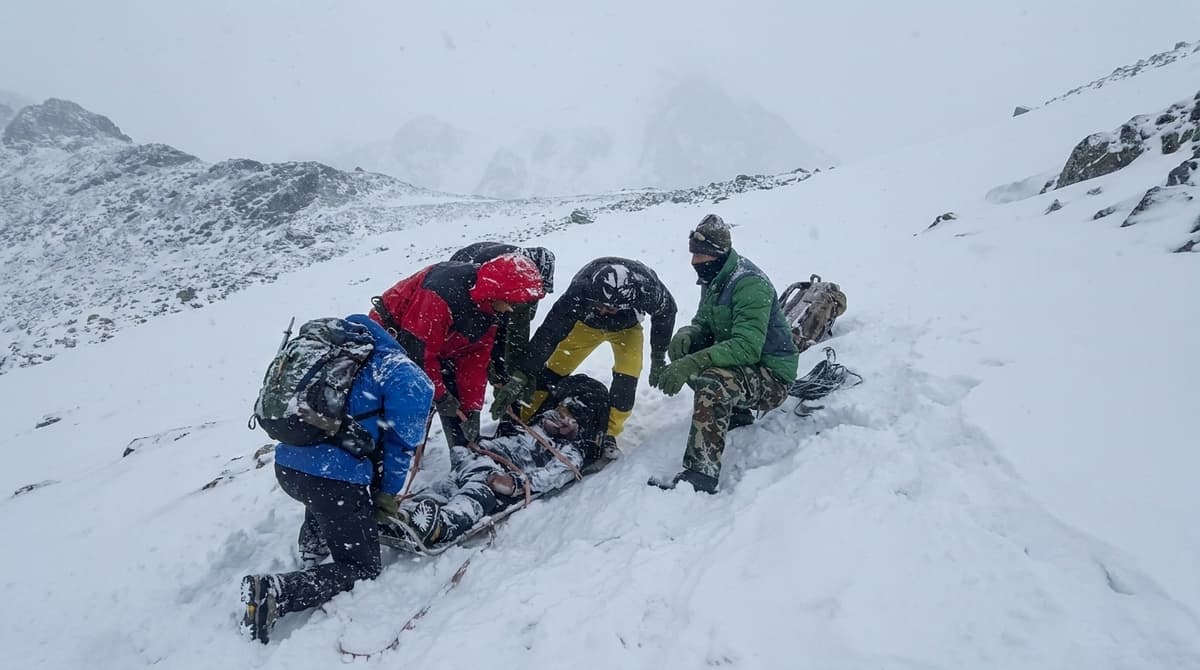
Another common mistake that first-time trekkers should avoid is underestimating the altitude. When you ascend to a higher altitude, the air gets thinner with a lower percentage of oxygen. So, when beginner trekkers, out of excitement, push themselves beyond the limit, they fall into the trap of altitude sickness. Hence, you should never take high altitude lightly. Make sure to read the early signs of altitude sickness, like headache, insomnia, dizziness, shortness of breath, etc. Moreover, you should properly acclimate to adapt to the altitude. Hence, you should plan your trek considering the acclimatization days
3. Lack of Research
Embarking on the trek without proper knowledge and research is one of the beginner trekking tips that most trekkers make. You need to understand that trekking in the Himalayas is not some random stroll in a park. You need to do lots of research, preparation, and selection before actually starting walking on the trails. Just because the photos and reels on social media look stunning, you cannot choose the trek. Your first trek should match with your physical fitness and mental resilience. Hence, while choosing your first trek, make sure to choose the appropriate trekking route for yourself. Ghorepani Poonhill Trek, Annapurna Base Camp Trek, etc, are some of the beginner-friendly trekking routes in Nepal.
4. Neglecting Weather Conditions & Seasonal Planning
The weather in the mountains can be unpredictable, so you must be prepared for anything. One moment you can enjoy the clear mountains, while the mountains can be covered with clouds in the blink of an eye. Hence, as a first-time trekker, you should choose the best time for trekking in Nepal, i.e., the spring or autumn season. Off-season trekking, like monsoon and winter, requires lots of preparation and experience, which novice trekkers might not be ready for. Furthermore, you should check the weather forecast of the trekking regions before heading out. Since you are trekking for the first time, keep your itinerary accommodating in case of delays due to rain, snow, etc.
5. Poor Nutrition & Hydration Habits
While trekking, you need to walk for several hours on the uneven landscapes. Walking downhill, uphill, staircase and steep landscapes for multiple days demands huge amounts of energy. So, you need to fuel yourself with proper meals and hydrate yourself with at least 3-4 litres of water. However, first-time trekkers either skip meals or overeat junk food during the trek. Poor nutrition cannot provide the necessary energy to your body, making you more tired and exhausted. Hence, make sure to eat breakfast, lunch, and dinner. Likewise, you can carry chocolates, dry fruits, energy bars, etc, to munch on during the trek.
6. Trying to Rush the Trek
With trekking routes like Everest Base Camp Trek and Annapurna Circuit Trek catching the attention of many adventure enthusiasts, a large number of trekkers have flocked to Nepal. However, rushing the trek and pushing themselves too hard has been a growing trend in trekking these days. So, activities such as a rushing trek are a common mistake to be avoided by a first-time trekker. You should never ascend rapidly or hike without taking breaks. Always make sure to follow the golden rule of ascend high and sleep low. If you have short days for trekking, then it is better to choose short-day treks rather than risking your life by attempting the long-day treks.
7. Going Without Proper Guidance
Since many trekking trails in Nepal are accessible for solo trekkers, more individuals attempt independent trekking without a guide and porters. However, if you are trekking for the first time, it can be quite risky and overwhelming, especially when you are unfamiliar with the language, people, customs, and trails. Usually, most of the treks in Nepal are well marked; however, without proper navigation skills, you can easily lose your way in the forest, which can be a real danger. Hence, it is best to hire guides and porters or opt for a licensed trekking agency for your first trek in Nepal.
8. Overestimating Your Capabilities
Since you have never stepped on the mountain trail, you don't really understand the difficulties of trekking. On top of that, the enthusiasm for trekking often makes novice trekkers believe that they can conquer any trail. If you are underprepared in terms of fitness and mental endurance, even easy treks will be absolutely daunting. So, make sure to access your physical fitness and make trekking preparations wisely. For instance, if you are a gym person and think that the staircase and the uphill of the ABC trek is easy, then you are overestimating yourself. Carrying weight on your back while walking for several hours for a few days on difficult terrain is more challenging than it sounds.
Tips and Tricks to Make Your First Time Trekking Easy
- Try to be more adaptable and make your trekking plans flexible.
- Embark on the trek early so that you have more time for exploration.
- Always keep the cash. Cards and digital banking may not work in the mountains.
- Carry a small first aid box with basic medications.
- Try to start your trek early. Usually, the weather is more stable and clear in the morning.
Being a smart planner, trail researcher, careful packer, hydrated, and respectful to your body and the environment will also help you to not fall into the common pitfalls that have bedeviled beginners. Each mistake that you avoid brings you a step in the right direction towards a memorable trekking experience.
It is important to remember that trekking is not only about getting to the destination but also about the journey, scenery, the amazing, breath-taking scenes, and memories that will stay with you forever. Going on your first trek should be a patient, flexible, and open-minded experience that will not only see you overcoming the trail but also give you some confidence and experience to go further and explore.
When you are prepared well and have the right mindset, your first trek will not be a daunting memory but a cherishable experience. So, are you ready to venture further into the amazing Himalayan trekking with Mountain Adventure Trekking Pvt Ltd.? Contact us today.