Bhotekoshi Flood in Nepal: What Travelers Need to Know After the August 2026 Disaster
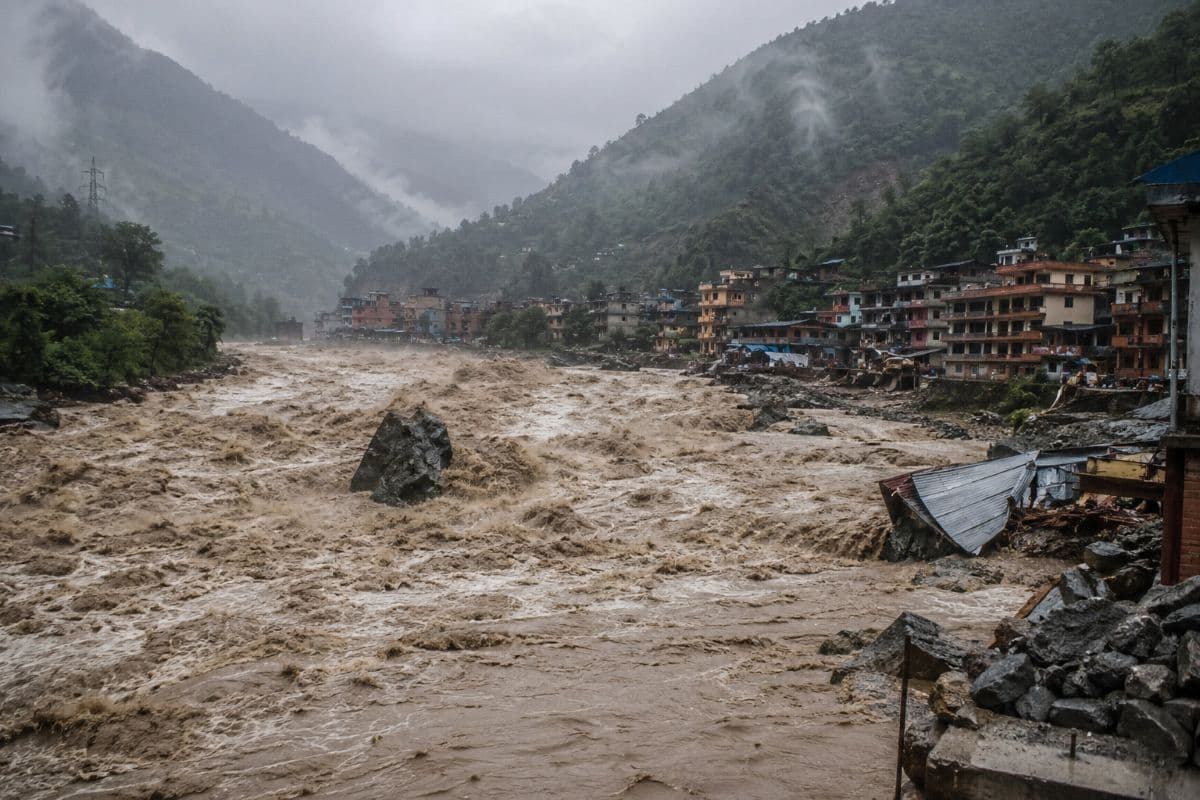
A severe flash flood struck the Bhote Koshi River area of Nepal on August 26, 2026 (Bhadra 10, 2083), causing extensive destruction in Rasuwa and downstream areas. The disaster affected homes, roads, bridges, hydropower facilities, and other infrastructure, while search and rescue operations continue.
For travelers planning a trip to Nepal, the situation is serious to understand in context. The flood has severely affected specific areas, particularly along the Bhote Koshi corridor, but it does not mean that all tourist destinations across Nepal are affected. Travelers should check current conditions for their specific destination and route before departure.
What Happened in the Bhote Koshi Flood?
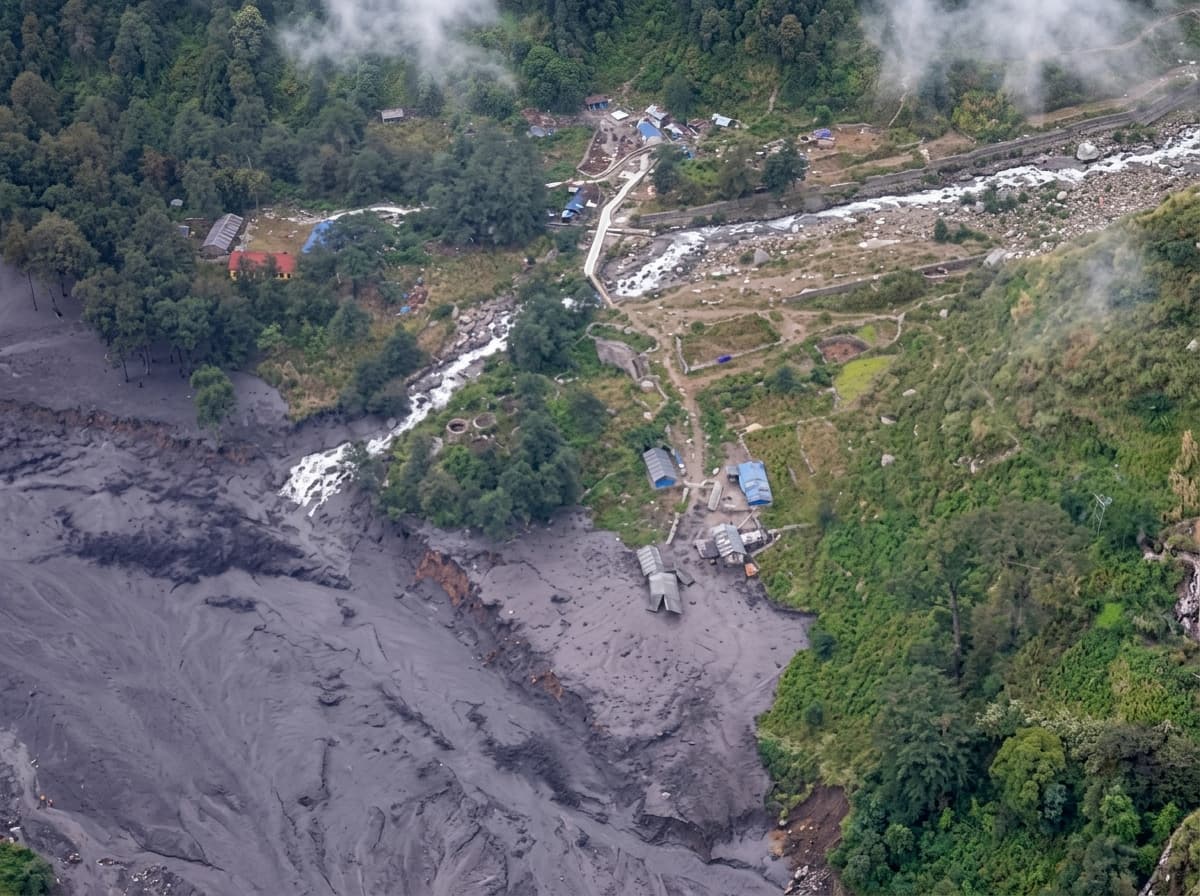
On August 26, a sudden and powerful flash flood struck the Bhote Koshi River area near Nepal's northern border with China. Rasuwa District was among the worst-affected areas, with the flood causing major damage to settlements and critical infrastructure.
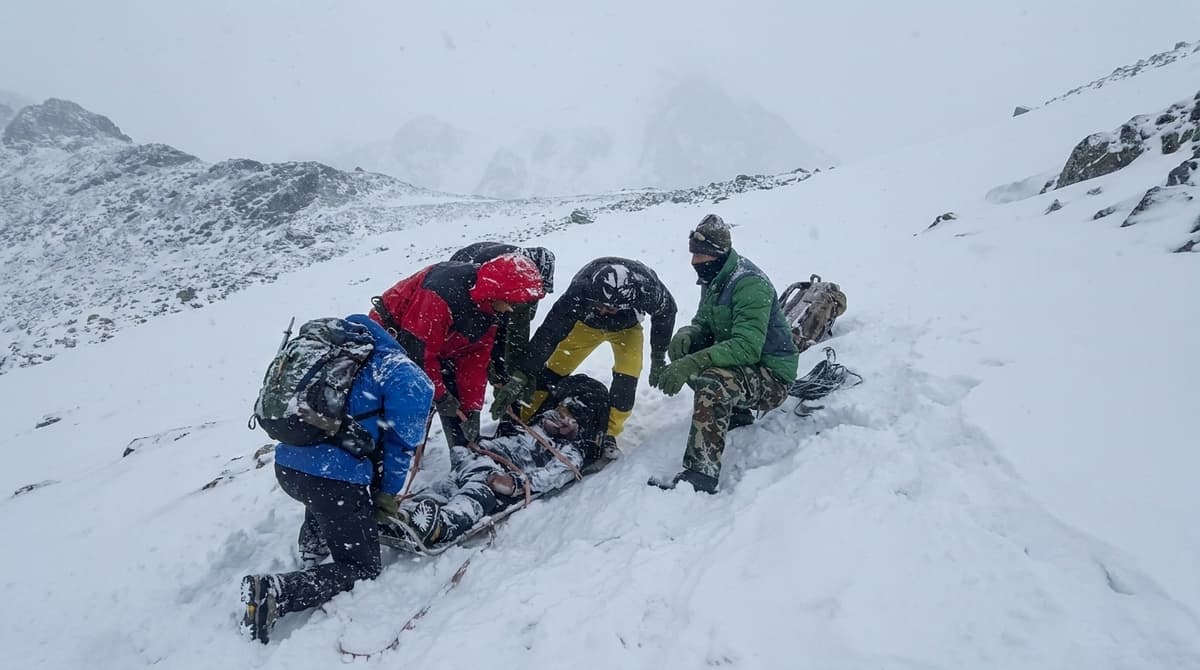
The Government of Nepal has described the event as a devastating flash flood and has mobilized large-scale search, rescue, relief, and recovery operations. As of August 30, around 19,000 security personnel and 16 helicopters had been mobilized in the affected areas. More than 8,186 people had been rescued, including more than 261 foreign nationals.
The situation remains dynamic, and authorities continue to update information as search and verification operations progress.
Where Did the Bhote Koshi Flood Occur?
The disaster primarily affected the Bhote Koshi River corridor in Rasuwa District, near the Nepal-China border. Areas around the northern border and downstream river corridors experienced severe flooding and debris flows.
The Government of Nepal has reported response operations in Rasuwa, Nuwakot, Dhading, Gorkha and Chitwan. The effects therefore extended beyond the immediate Bhote Koshi area as floodwaters and debris moved downstream.
Rasuwa is also significant for tourism because it provides access toward the Langtang region. The Langtang Valley Trek commonly begins with a road journey from Kathmandu to Syabrubesi, making current road and local conditions particularly important for travelers planning this route.
What Caused the Bhote Koshi Flood?
The exact cause of the disaster has not yet been fully determined.
The Government of Nepal stated on August 29 that investigations into the cause were continuing and urged the public and media to rely on verified information rather than unconfirmed reports.
Preliminary scientific and satellite analysis has suggested that a glacial or ice-rock collapse and resulting debris flow may have contributed to the sudden flooding. However, this should be understood as a preliminary explanation rather than a final government-confirmed cause.
Therefore, it is more accurate to say that the disaster is under investigation, rather than definitively attributing it to a single cause
How Severe Was the Bhote Koshi Flood?
The flood caused significant loss of life and widespread destruction.
According to the Government of Nepal's briefing on August 30, 2026, 734 bodies had been recovered, while approximately 2,498 people remained unaccounted for. More than 8,186 people had been rescued, including foreign nationals. The government also reported that more than 400 foreign nationals were still missing at that time.
These figures should not be treated as final. Search, rescue and identification operations are continuing, and the Government of Nepal has specifically stated that casualty and missing-person figures may change as information is verified.
What Damage Did the Flood Cause?
The Bhote Koshi flood caused extensive damage to infrastructure and local communities.
Reported impacts include:
- Houses and other buildings damaged or destroyed
- Roads and bridges swept away or damaged
- Hydropower infrastructure affected
- Disruption to transportation and access routes
- Communities displaced by the disaster
- Difficult conditions for ongoing rescue and relief operations
The damage to transportation infrastructure is particularly important for travelers because roads are essential for reaching several northern trekking and tourism areas.
The Government of Nepal continues to assess the extent of damage while rescue and relief activities remain the immediate priority.
How Has the Bhote Koshi Flood Affected Tourism in Nepal?
The flood has directly affected travel in the disaster zone and along some routes connecting northern Rasuwa with other parts of Nepal.
However, travelers should avoid assuming that all tourism in Nepal has stopped. Nepal is a geographically diverse country, and the effects of a disaster in one region do not automatically apply to every trekking destination, city or tourist area.
For example, popular routes in other parts of Nepal, such as the Annapurna region and Everest region, are geographically separate from the Bhote Koshi corridor. Travelers should still check current weather, road and trail conditions before beginning any journey.
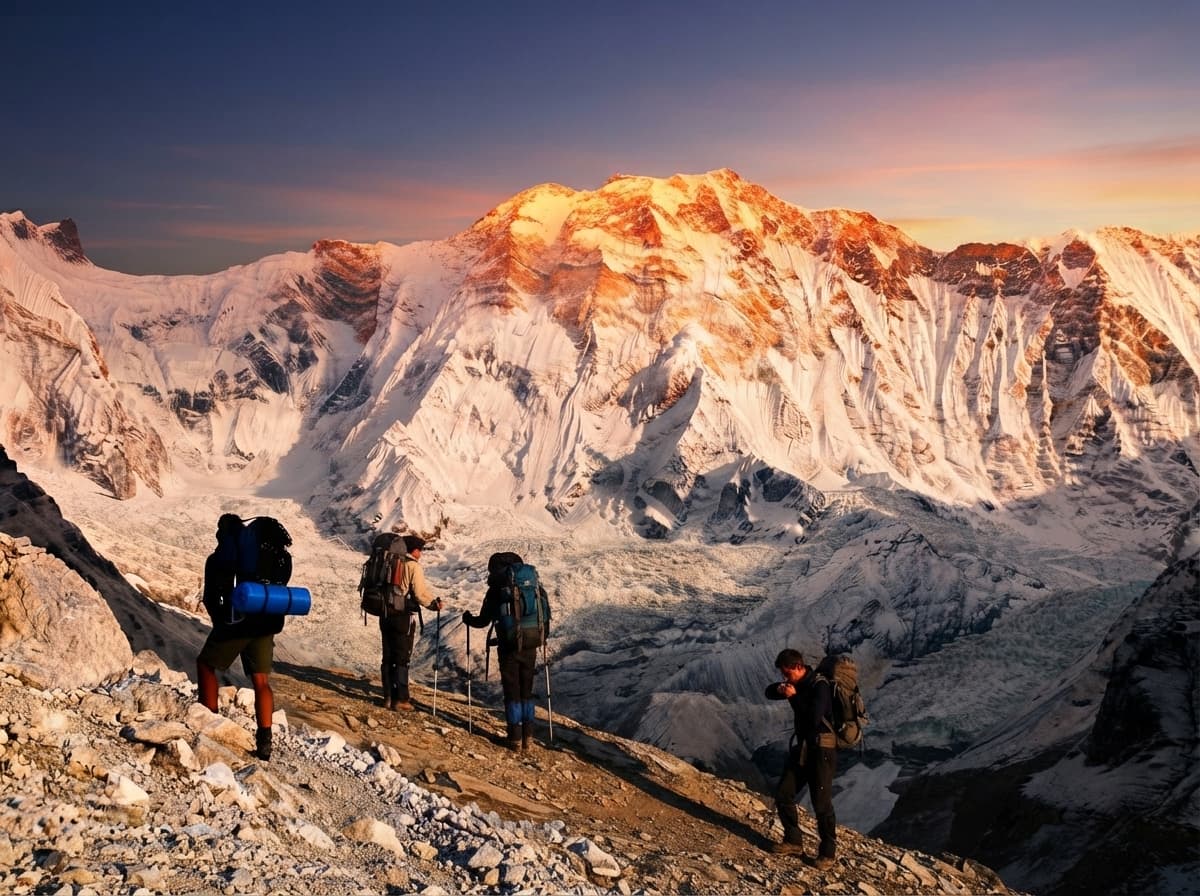
For those planning an Annapurna Base Camp Trek, the route is in the Annapurna region rather than Rasuwa, so information about the Bhote Koshi disaster should not automatically be interpreted as a closure of the Annapurna trekking route. Current local conditions should nevertheless always be confirmed before departure.
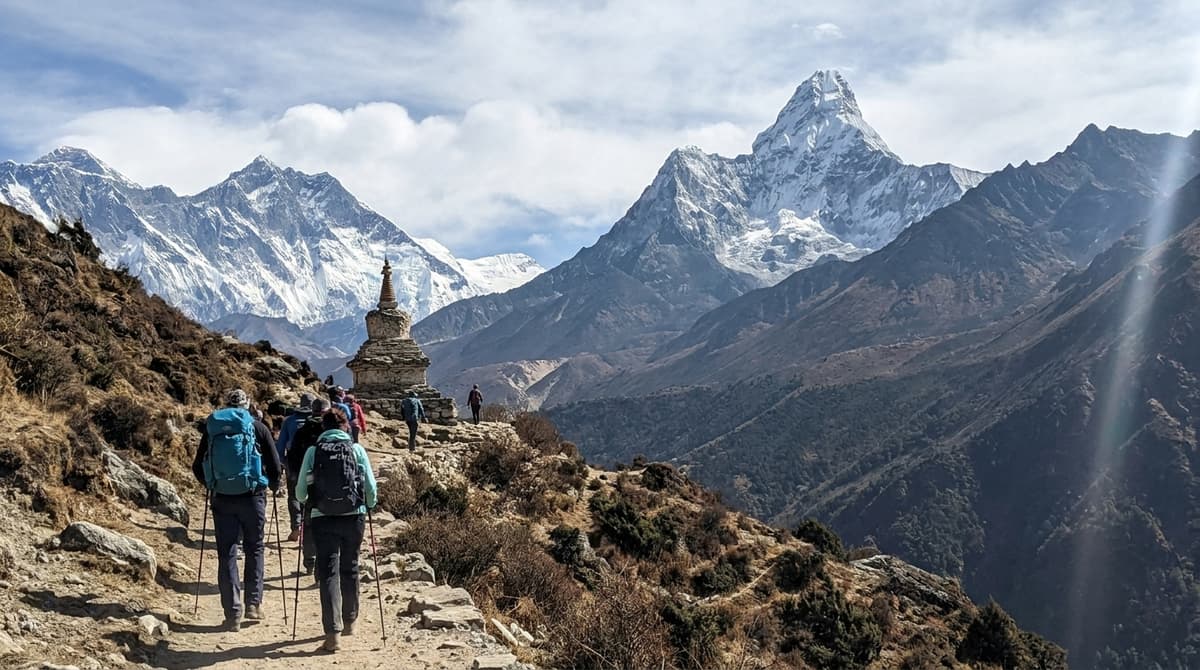
Likewise, the Everest Base Camp Trek follows a different route in the Khumbu region and is not located in the Bhote Koshi/Rasuwa corridor.
Is It Safe to Travel to Nepal After the Bhote Koshi Flood?
Travel safety depends on where you are going and which route you will use.
Travelers should avoid entering areas directly affected by the flood unless authorities confirm that travel is safe. Roads, bridges and other infrastructure can remain dangerous after major flooding, and conditions may change quickly during the monsoon season.
If your itinerary includes Rasuwa, Syabrubesi or other areas close to the affected corridor, check the latest information before departure and confirm the condition of the specific road or trail with local authorities or your travel operator.
For travelers visiting other regions of Nepal, the Bhote Koshi disaster does not automatically mean that their entire trip needs to be cancelled. Instead, assess each destination separately and remain flexible.
What Should Travelers Do Before Visiting the Affected Region?
Travelers planning to visit or pass through an affected area should take several precautions:
1. Check Current Travel Conditions
Road and trail conditions can change quickly following heavy rainfall, landslides and flooding. Confirm the latest status before starting your journey.
2. Follow Official Instructions
If authorities restrict access to an area, travelers should not attempt to enter simply because an older map, itinerary or social-media post shows the route as accessible.
3. Keep Your Itinerary Flexible
During Nepal's monsoon season, allow extra time for possible road delays, landslides and transportation disruptions.
4. Stay Away From Flooded Rivers
Do not approach swollen rivers, damaged bridges or unstable riverbanks for photographs. Water levels can rise rapidly even when conditions initially appear manageable.
5. Travel With Reliable Local Support
For trekking or remote-area travel, experienced local guides and operators can help monitor route conditions and make alternative arrangements when necessary.
What About the Langtang Valley Trek?
The Bhote Koshi disaster is particularly relevant to travelers interested in the Langtang region because the usual route to Langtang passes through Syabrubesi in Rasuwa.
Langtang Valley Trek itinerary explains that travelers normally travel by road from Kathmandu to Syabrubesi before beginning the trek.
However, travelers should not assume that the Langtang Valley Trek is either fully open or fully closed based only on this flood report. The status of roads and trekking routes can change as authorities inspect and repair affected infrastructure.
If you are planning Langtang travel soon, confirm the current condition of the road to Syabrubesi and the trekking route before departure.
Are Other Popular Nepal Treks Affected?
Not every trekking region in Nepal is connected to the Bhote Koshi flood.
For example, the Annapurna Base Camp Trek takes place in the Annapurna region, while the Everest Base Camp Trek takes place in the Khumbu region. These are geographically different trekking areas.
Travelers should therefore evaluate their specific itinerary rather than treating the Bhote Koshi flood as a nationwide tourism shutdown.
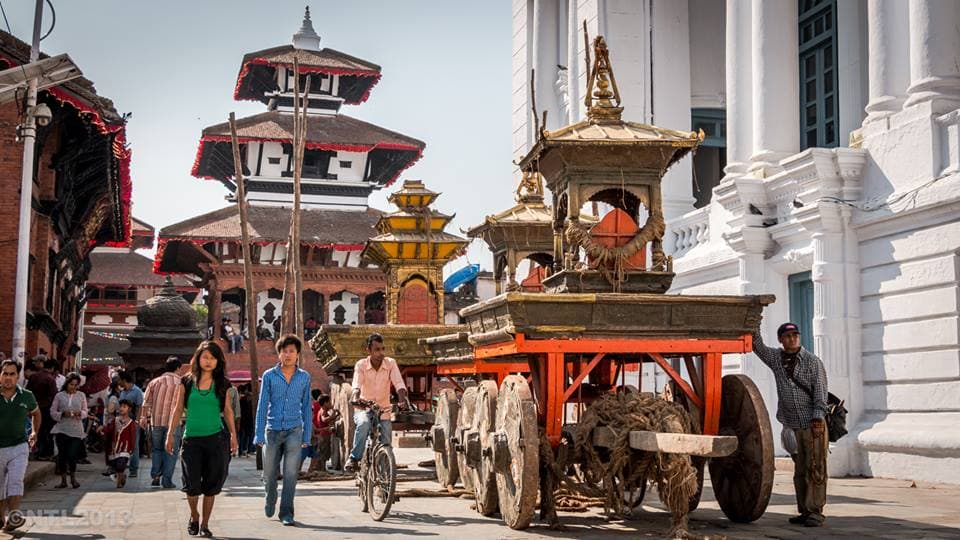
For visitors who are staying in Kathmandu, cultural experiences can also remain part of a Nepal itinerary. Kathmandu Sightseeing Tour covers major cultural attractions in and around the capital.
How Is Nepal Responding to the Disaster?
The Government of Nepal has mobilized security personnel, helicopters, medical teams, local authorities, and other emergency responders for search, rescue, and relief operations.
As of August 30, approximately 19,000 security personnel and 16 helicopters had been deployed in affected areas. The government has also received support from international partners, including specialists involved in tunnel rescue operations.
A dedicated Emergency Control Room has also been established by the Ministry of Foreign Affairs to assist foreign nationals affected by the disaster and coordinate verified information.
What Should Travelers Remember?
The Bhote Koshi flood is a serious disaster that has caused devastating loss of life and extensive infrastructure damage in northern Nepal.
For travelers, the most important point is to distinguish between the affected areas and Nepal as a whole. Conditions in Rasuwa and nearby routes require particular attention, while other destinations are geographically separate from the disaster zone.
If you are planning a trip to Nepal, monitor official updates, confirm your specific route, follow local safety instructions, and keep your itinerary flexible during the monsoon season.
Most importantly, travelers should rely on verified information rather than unconfirmed social-media reports, particularly while rescue and damage-assessment operations are still underway. The Government of Nepal has specifically requested that the public and media use officially verified information.
Frequently Asked Questions About the Bhote Koshi Flood
1. When did the Bhote Koshi flood happen?
The severe flash flood occurred on August 26, 2026 (Bhadra 10, 2083) in the Bhote Koshi River area of Nepal.
2. Where did the Bhote Koshi flood occur?
The disaster primarily affected the Bhote Koshi River corridor in Rasuwa District near Nepal's northern border, with impacts extending downstream into other districts.
3. What caused the Bhote Koshi flood?
The exact cause has not yet been fully determined. Preliminary scientific assessments indicate that a glacial or ice-rock collapse and resulting debris flow may have contributed to the disaster, but investigations are ongoing.
4. Is it safe to travel to Nepal after the Bhote Koshi flood?
Safety depends on the destination and route. Travelers should avoid directly affected areas until authorities confirm that access is safe and should check current road, weather, and trail conditions before traveling.
5. Has the Bhote Koshi flood affected Langtang trekking?
The disaster is particularly relevant to Langtang travelers because the route normally passes through Syabrubesi in Rasuwa. Travelers should check the latest road and trail conditions before starting a Langtang trek.
5. Are all tourist destinations in Nepal affected by the flood?
No. The Bhote Koshi flood is concentrated in specific areas, particularly around Rasuwa and downstream corridors. Other major tourism regions such as Annapurna and Everest are geographically separate, although travelers should always check current local conditions.
6. Where can travelers find reliable updates?
Travelers should prioritize official updates from the Government of Nepal, Ministry of Foreign Affairs (MOFA), and relevant local authorities. The Ministry of Foreign Affairs of Nepal publishes official updates on the Bhote Koshi flood, including information about search and rescue operations, affected foreign nationals, and government response.