Kathmandu vs Pokhara vs Chitwan: Which Nepal Destination Is Right for Your Trip?
When you plan to travel to Nepal, you must have yourself faced with the same question that everyone else asks: should you spend time in Kathmandu, Pokhara, Chitwan, or do all three? Every location is distinct from all others in Nepal, ancient temples and chaotic energy in Kathmandu, lakeside calm and mountain views in Pokhara, dense jungle and wildlife in Chitwan.
The reality is, it is not a Kathmandu – Pokhara – Chitwan game in which one is definitely the winner. It's a matter of pairing the proper destination or destinations with the time you have, the kind of trip you desire, and the places you wish to visit. This guide offers you an overview of each city, the direct comparison between them, and which one (or combination of two) would be perfect for you.
Kathmandu is the city almost everyone visits, even in the shortest trips, and the answer to the question is always how much time, rather than whether, to spend there. Here's why it's worth spending time building real time into your itinerary, instead of just going through.
Kathmandu, Pokhara, and Chitwan at a Glance
Before comparing these three destinations in depth, it helps to see them side by side. The table below sums up the essentials — vibe, ideal length of stay, who each place suits best, and how far apart they are — so you can get your bearings before reading further.
Before going deep into comparisons, here's a quick side-by-side look at how the three destinations differ.
Kathmandu | Pokhara | Chitwan | |
| Best known for | Temples, UNESCO sites, culture | Lakes, mountain views, adventure sports | Jungle safaris, wildlife |
| Vibe | Busy, historic, chaotic | Relaxed, scenic, laid-back | Quiet, rural, nature-focused |
| Ideal trip length | 2–3 days | 2–4 days | 1–2 days |
| Best for | First-time visitors, culture lovers | Couples, trekkers, adventure seekers | Families, wildlife enthusiasts |
| Distance from Kathmandu | — | ~200 km (6–8 hrs by road, ~25 min by air) | ~150–175 km (5–6 hrs by road, ~20 min by air) |
| Altitude & climate | Valley, moderate climate | Lakeside, mild and cooler | Terai lowlands, warm and humid |
If you only have a few days, this table alone can help you make a quick call. If you want the full picture, here's a closer look at each place.
Kathmandu: Nepal's Cultural and Historical Core
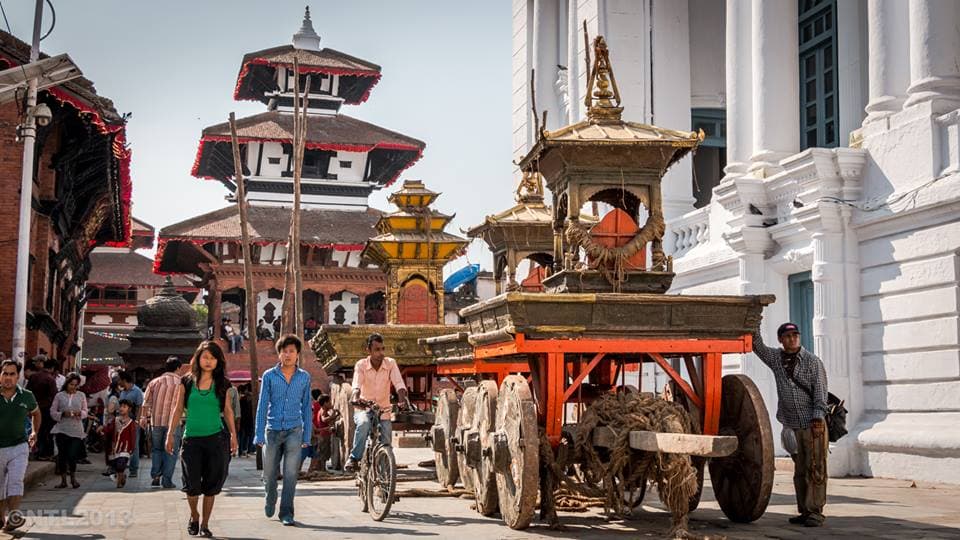
Most Nepal trips begin and end in Kathmandu, and there's a reason for that! It houses a number of UNESCO World Heritage Sites in a small region: Pashupatinath Temple, the Boudhanath Stupa, Swayambhunath ("Monkey Temple"), as well as the Durbar Squares of Kathmandu, Patan, and Bhaktapur. It is also the primary international hub of the country, and thus, it is present in almost all itineraries, irrespective of whether they are planned around Kathmandu or not.
Who Kathmandu Is Best For
For those seeking a true immersive experience of the cultural elements that make Kathmandu so unique, this is the park. This is the park for those who seek a true deep-dive of the elements of the culture that make Kathmandu so unique: history, religion, architecture, and local life all packed in close together. It is also the best option for people with little time who want to experience Nepal's heritage without too much travelling. A Kathmandu-based holiday is best for those who are interested in the handicrafts, culture, and the history of Kathmandu, and for people looking to get some pashmina or trek gear, such as in Thamel.
What to Expect
Kathmandu is packed, noisy and sometimes crowded, particularly in the area of Thamel and the older neighborhoods. It is quintessential to this, but if you are looking for a low-key, slow way to travel, you'll find that experience more in Pokhara or Chitwan.
Pokhara: Nepal's Lakeside Adventure Hub
While Kathmandu is the starting point of Nepal trips, Pokhara is the place where they slow down and open up, not about monuments but scenery, altitude, and outdoor activities. That's why it's on almost any extended tour!
What Makes Pokhara Worth Visiting
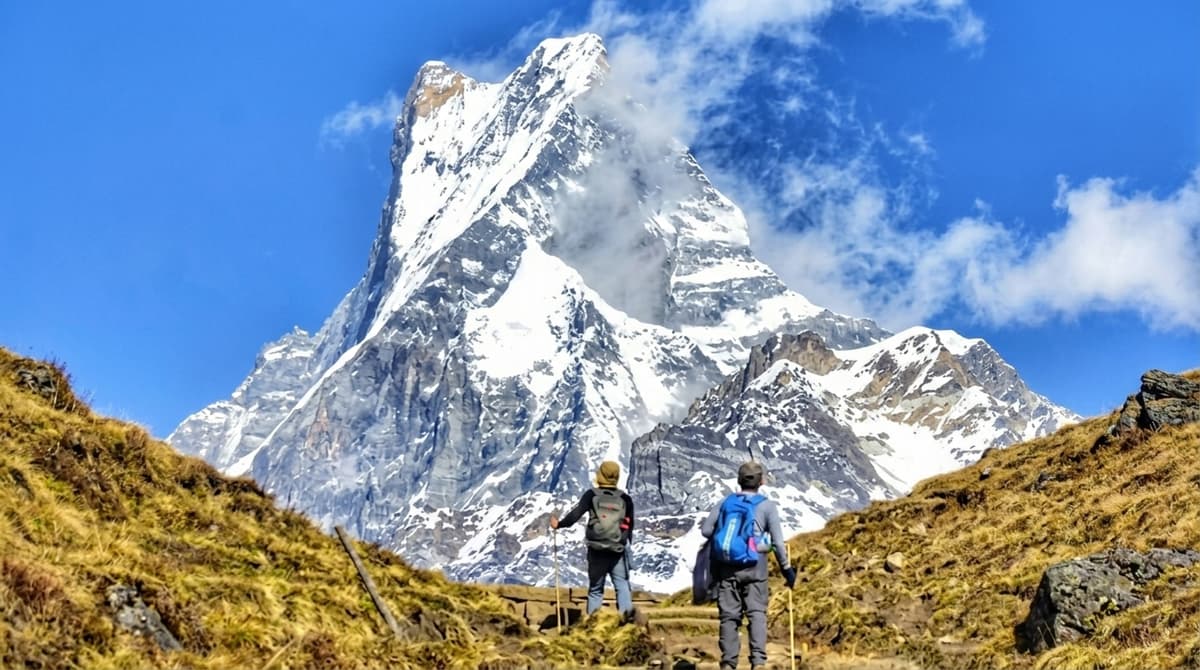
Even though Pokhara is located right on the edge of Phewa Lake, and on clear days, you can see the Annapurna range, Pokhara's pace is noticeably slower than Kathmandu's. It is the base for trekking into the Annapurna area, such as Annapurna base camp treks and Poon Hill treks, and it is also the centre of adventure sports in Nepal; paragliding over the lake, zip lining, and short walks up to Sarangkot to see the sunrise over the mountains are among the most popular activities.
Who is Pokhara Is Best For
Pokhara is suitable for couples, honeymooners, and those looking for scenery and a laid-back approach without compromising activities. Also, it is the no-brainer starting point for anyone trekking in the Annapurna region, and for any travellers who would like to have an adrenaline-pumping day (paragliding, ziplining, boating) but aren't ready for a multi-day trek.
What to Expect
In contrast to Kathmandu, Pokhara is somewhat more relaxed, with views of the mountains, cafés along the lakeside, and a gentler pace of life. Weather is more important to consider here than in Kathmandu because the mountain views that are so attractive that make Pokhara worth the trip rely on having clear skies, and these are more likely to be present in autumn (October – November) and spring (March – April) than in the monsoons.
Chitwan: Nepal's Wildlife and Jungle Experience
Chitwan is the odd one out of the three—Chitwan is the only place on this list that is not associated with temples or mountains. If wildlife and a completely different landscape are what you want from Nepal, this is where it will happen.
Why is Chitwan a good place to visit?
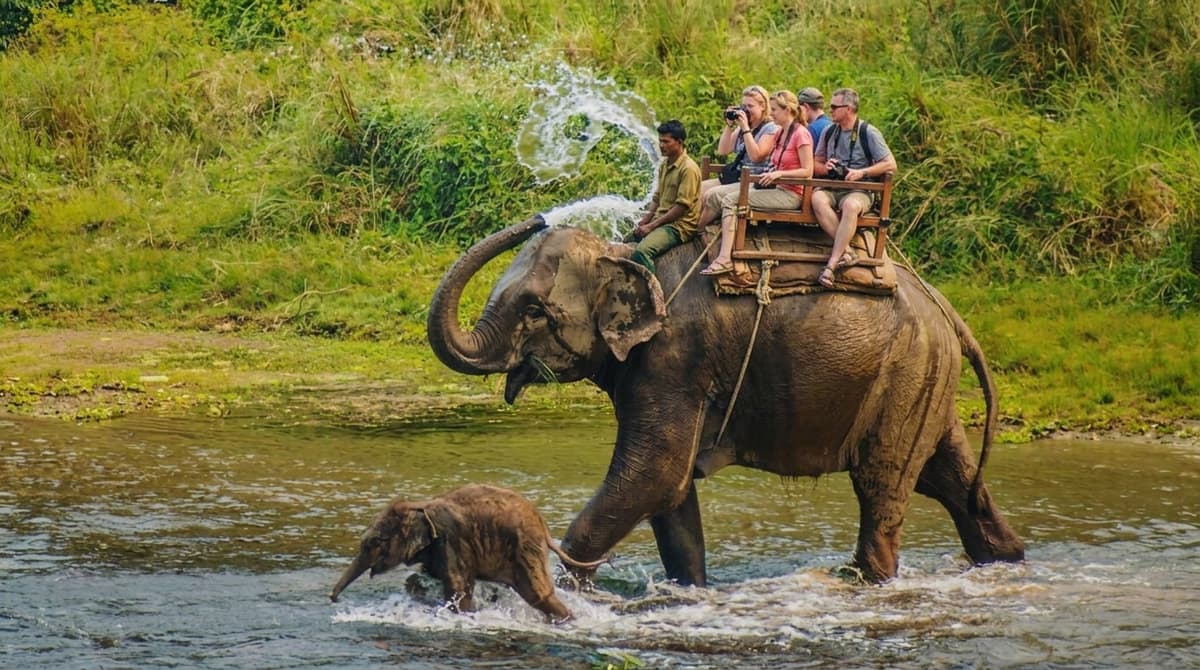
The Chitwan National Park is a UNESCO World Heritage Site in Nepal's southern lowlands (the Terai) and is the best place in the country for wildlife viewing. Here, jungle safaris present real opportunities to see one-horned rhino with patience and luck; there are also opportunities to see Bengal tiger, deer, crocodile, and over 500 recorded bird species. In addition to the safaris, Chitwan is also famous for canoe trips along the Rapti River, as well as cultural activities with the native Tharu people, which feature traditional dances.
Who is Chitwan's best?
For those who love wildlife, the family with the kids for animal-hunting, as well as those who want something different from the mountains of Nepal, Chitwan is the obvious choice as it offers flat, humid, jungle-covered plains rather than hills and peaks. It's also suitable for travelers who want to slow down from the busier times in Kathmandu or Pokhara.
What to Expect
Being located at a much lower elevation, Chitwan is warmer and more humid than Kathmandu and Pokhara. People stay in the town of Sauraha, directly on the border of the park; their accommodation is typically one or two nights in Sauraha, but they are preferably less than in Kathmandu or Pokhara, where they may be able to see a safari, a canoe ride, and a cultural show in one day.
Kathmandu vs Pokhara: Which One First?
Having both destinations covered separately, the next logical question is, “What’s next?” — and does it matter? Let's try to get a foothold on this.
This is the most frequent choice that travellers make, as most trips include both. The truth is that Kathmandu and Pokhara are not competing against each other for the same kind of trip – they complement one another.
If you're looking to begin with culture, temples, and history, then do it in Kathmandu first, before hitting the beach.
If you are more interested in adventure, trekking, or scenery than in hopping from temple to temple, then choose Pokhara for more time.
Should you be pressed for time and need to make just one choice, Kathmandu is a recommended single destination from a first timer's perspective, for those looking for a wide range of Nepali culture and heritage. For those who are looking for a single place for mountain views, lake views, or to get away for a trip to the mountains, Pokhara is the more apt choice.
The majority of tours are 2-3 days in Kathmandu, followed by 2-4 days to Pokhara, either by air (25 minutes) or by road (6-8 hours) to see the scenery.
Pokhara vs Chitwan: Mountains or Jungle?
With Kathmandu and Pokhara fixed, Chitwan is typically the pick-up choice (and it's not a matter of which is "better," it's more a question of landscape and pace).
After Pokhara, one of the next questions that springs to mind is whether or not to include Chitwan, and this depends almost solely on the type of scenery and activities you're looking for.
For mountain views, trekking, and lake activities, go to Pokhara, which offers adventure sports such as paragliding.
Go to Chitwan to see wildlife, jungle safaris, and a completely different, lowland landscape.
It is important to note that, if you only had one add-on to Kathmandu, travelers looking for scenery and adventure would prefer to go to Pokhara, and those looking for wildlife and a family-friendly, slower pace would prefer to go to Chitwan.
Many travelers opt to visit both Pokhara and Chitwan as it is about 150–160 km from the other place (about 5–6 hours by road).
So, Which Is Best for Your Nepal Trip?
For every location and competition, here is a down-to-earth solution that travelers seek: What is suitable for the length of your trip and your travel style?
There is no one "best" place out of the three – it will depend on how long you are going to be gone, what you are interested in, and your style of travel. Let's break it down into practice:
- 5-7 days tour for first timers – Kathmandu + Pokhara is for viewing culture and scenery without a rush.
- Looking for a full experience after 10+ days: Kathmandu + Pokhara + Chitwan is a great combination of culture, mountains, and wildlife.
- Adventure seekers and trekkers: Make Pokhara the main focus with Kathmandu as a starting/ending point.
- Families with kids: Chitwan and Kathmandu are great places to visit together — wild animals and short, more manageable cultural stops.
- Honeymooners or couples looking for relaxation: If you're interested in spending more time in Pokhara, you can opt for a shorter cultural visit to Kathmandu as a bookend.
- Very short trip (3-4 days): Only Kathmandu in this category is feasible, though it may be possible to add an extra night in Pokhara if flights are planned rather than road travel.
All Three How? – A simple itinerary approach
If you don't want to choose at all, here is a realistic and relaxed look at how it would actually be day by day to do all three destinations.
A typical and established pattern for travellers with a 10-12-day holiday is something like this:
- Days 1-3 Kathmandu — Explore the Durbar squares, Boudhanath, Swayambhunath and Pashupatinath, acclimatize at altitude and time zone.
- Day 4–7: Pokhara — Fly or drive in, swim in Phewa Lake, experience a sunrise at Sarangkot, and either do a short hike or a multi-day trek, depending on time and fitness.
- Day 8-9: Chitwan — Travel around 5-6 hrs from Pokhara, enjoy a jungle safari, canoe ride, and Tharu cultural program.
- Day 10-12: Fly back to Kathmandu for departure, and visit any places you missed or last minute shopping.
The flights between these cities are short (20-30 minutes), and if your schedule is tight, is the extra expense worth it, as a scenic road journey between the cities can take up the better part of a full day.
Final Thoughts
Just in case you needed it all in one paragraph:
Kathmandu, Pokhara, and Chitwan each represent a truly unique Nepal, and the "best" one is really up to you and what you are seeking. However, culture-oriented travelers gravitate towards Kathmandu, scenery and adventure lovers towards Pokhara, and wildlife lovers towards Chitwan — but it only takes a week to 10 days before you can tailor your itinerary.