Altitude Sickness in the Annapurna Region: 65 Deaths in Three Years
Altitude sickness killed 65 people in Nepal's Annapurna region over three consecutive fiscal years, according to official data from the Annapurna Conservation Area Project (ACAP). The region recorded 21 deaths in 2023/24, 19 in 2024/25, and 25 in 2025/26 — with the most recent year showing a clear increase.
These are not mountaineers dying on 8,000-meter peaks. These are trekkers, tourists, and religious pilgrims dying at altitudes between 3,500 and 5,400 meters — elevations that are entirely survivable with basic precautions. The overwhelming majority of these deaths were preventable.
Altitude Sickness Fatality Data: Annapurna Region (ACAP Official Figures)
| Fiscal Year | Total Deaths | Trend |
| 2023/24 | 21 | Baseline |
| 2024/25 | 19 | Slight decrease |
| 2025/26 | 25 | 32% increase year-over-year |
| 3-Year Total | 65 | Rising trend |
Who Is Dying? The 2025/26 Breakdown
The 25 deaths recorded in the most recent fiscal year (2025/26) reveal a clear pattern in both nationality and location.
By Nationality:
| Nationality | Deaths (2025/26) |
| Nepali | 12 |
| Indian | 9 |
| Japanese | 1 |
| Mexican | 1 |
| Spanish | 1 |
| Singaporean | 1 |
By Location:
| District / Route | Deaths (2025/26) |
| Mustang (primarily Muktinath area) | 15 |
| Manang | 8 |
| Annapurna Base Camp | 1 |
| Mardi Himal Route | 1 |
Two things jump off that data immediately.
First, Nepali and Indian nationals account for 84% of the fatalities. This is not because South Asian visitors are physically more vulnerable to altitude. It is because a large number of them travel to Muktinath as religious pilgrims — not as trekkers — and arrive by jeep or motorcycle rather than on foot. They drive directly from the lowlands to 3,800 meters in a single day without any acclimatization period.
Second, Mustang district alone accounts for 60% of all deaths. The road to Muktinath has made it possible to reach extreme altitude in hours rather than days. The infrastructure that was built to improve access has, paradoxically, become the primary killer.
Why Muktinath Is the Most Dangerous Place in the Annapurna Region
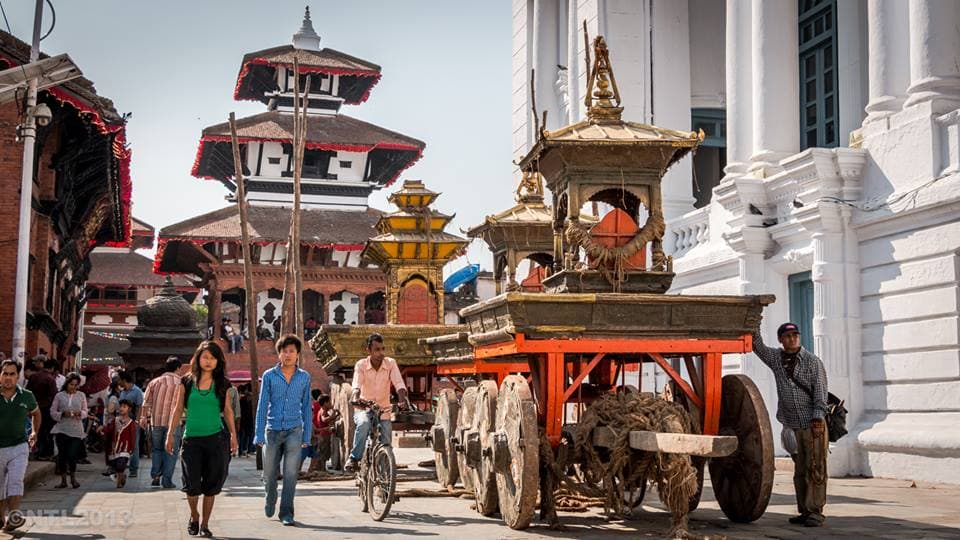
Muktinath Temple sits at 3,800 meters in the Mustang district. It is one of the most sacred pilgrimage sites for both Hindus and Buddhists. Tens of thousands of people visit every year.
Before the road was built, pilgrims had to trek for days to reach Muktinath. That forced march up the Kali Gandaki gorge was brutal and exhausting — but it also gave the body time to adjust to the thinning air. By the time a pilgrim reached the temple, their blood had spent days producing extra red blood cells to compensate for the reduced oxygen.
Now, a jeep can drive you from Pokhara (827 meters) to Muktinath (3,800 meters) in a single day. That is a 3,000-meter altitude gain in roughly 8 to 10 hours of driving. Your body gets zero warning. Your blood oxygen saturation drops sharply. And because many pilgrims are older, physically inactive, and unaware that altitude sickness even exists, they push through the early symptoms — headaches, dizziness, nausea — assuming it is just travel fatigue.
By the time the symptoms escalate to High Altitude Pulmonary Edema (HAPE) or High Altitude Cerebral Edema (HACE), it is often too late for the local health posts to intervene effectively.
This is the core of the problem. The deaths in the Annapurna region are not caused by extreme mountaineering. They are caused by rapid motorized ascent to moderate altitude by people who don't know the medical risks.
What Is Altitude Sickness? (The Medical Reality)
Altitude sickness — medically known as Acute Mountain Sickness (AMS) — occurs when the human body cannot adapt fast enough to the reduced oxygen levels at high elevation.
At sea level, the air contains approximately 21% oxygen. That percentage stays constant at any altitude. What changes is the air pressure. At 3,800 meters (Muktinath), the atmospheric pressure is roughly 63% of sea level. At 4,130 meters (Annapurna Base Camp), it drops to about 60%. Your lungs are breathing the same air, but each breath delivers significantly less oxygen to your blood.
A healthy body can adapt to this — it just needs time. Over 2 to 3 days at a given altitude, your body increases red blood cell production, your breathing rate adjusts, and your cardiovascular system recalibrates. This process is called acclimatization. If you deny your body that time, the following cascade begins:
The Three Stages of Altitude Sickness
Stage 1: Mild AMS (Common, Manageable)
- Headache (the universal first symptom)
- Nausea and loss of appetite
- Dizziness and lightheadedness
- Fatigue and general weakness
- Difficulty sleeping
Mild AMS affects 25 to 50% of all trekkers who ascend above 3,000 meters. It is not dangerous on its own. It is a warning.
Stage 2: High Altitude Pulmonary Edema — HAPE (Dangerous)
- Fluid leaks into the lungs
- Persistent, wet cough (sometimes producing pink or bloody froth)
- Extreme breathlessness, even at rest
- Rapid heartbeat
- Blue tint to lips or fingernails (cyanosis)
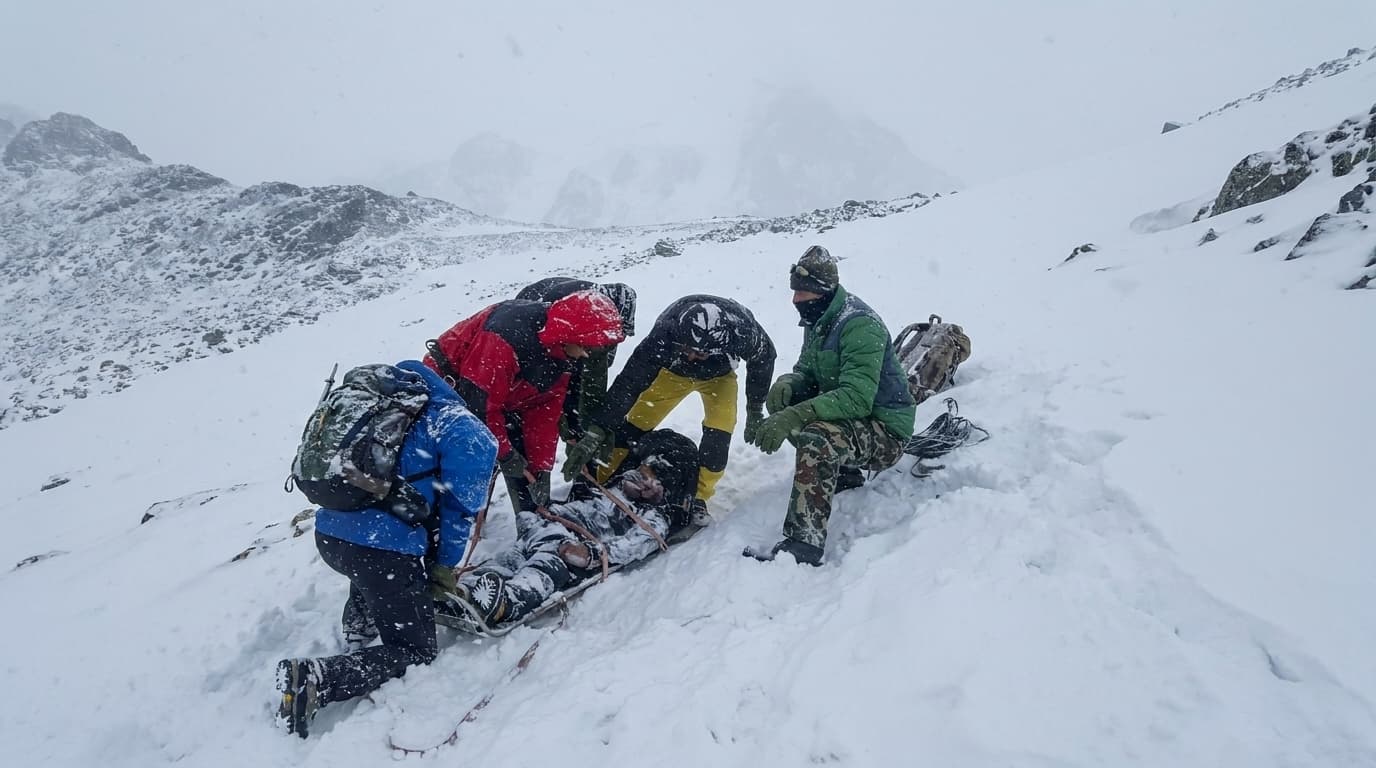
HAPE is a medical emergency. Without descent and treatment, it can kill within 24 to 48 hours. This is the condition that claims most of the lives in Mustang and Manang.
Stage 3: High Altitude Cerebral Edema — HACE (Critical)
- Fluid leaks into the brain
- Severe confusion and disorientation
- Loss of coordination (the person walks as if drunk)
- Hallucinations
- Loss of consciousness
HACE is the rarest but deadliest form. If a person reaches this stage and cannot descend immediately, survival rates drop sharply.
Is Annapurna Base Camp Safe?
Yes — if you follow a proper acclimatization schedule.
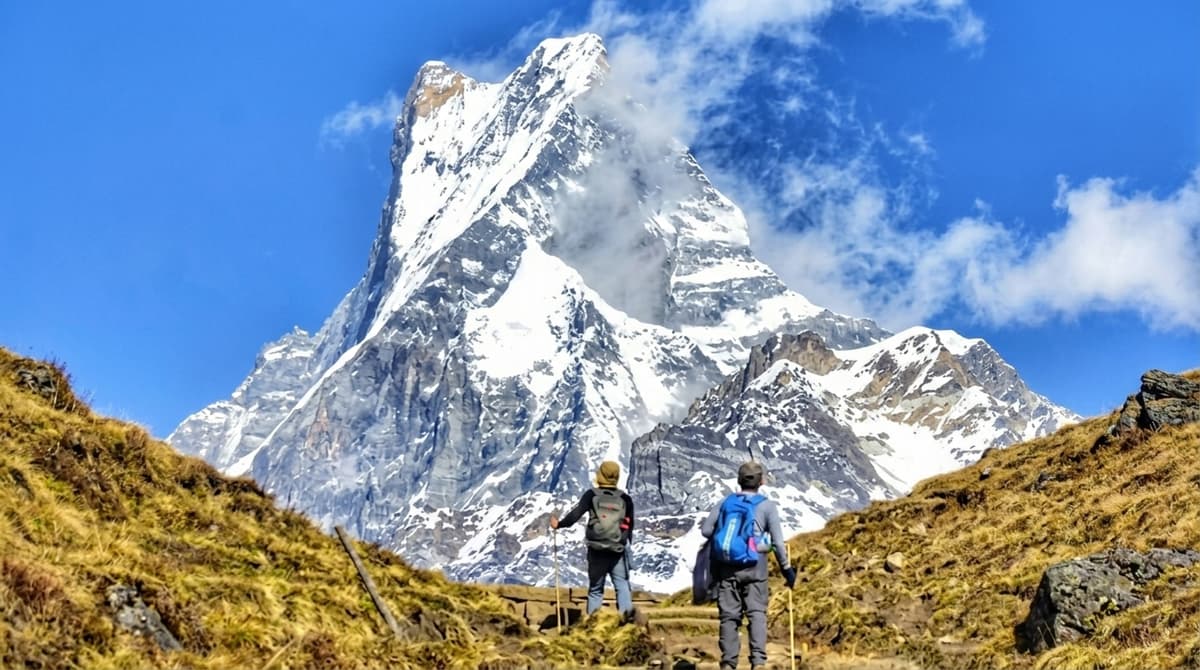
Annapurna Base Camp sits at 4,130 meters. That is high enough to trigger mild to moderate AMS in many trekkers, but it is not extreme altitude. The standard ABC trekking itinerary is designed with built-in acclimatization days that give your body time to adjust as you gain elevation.
The ACAP data supports this. Out of 25 altitude sickness deaths in 2025/26, only 1 occurred at Annapurna Base Camp and 1 on the Mardi Himal route. The remaining 23 deaths happened in Mustang and Manang — areas where rapid motorized ascent bypasses the natural acclimatization process that trekking provides.
The trek to ABC takes 7 to 12 days depending on the itinerary. You start at roughly 1,000 meters and gain altitude gradually — sleeping at progressively higher elevations each night. By the time you reach base camp, your body has had a week to adapt. This is exactly how the acclimatization system is supposed to work.
The danger at ABC is not the altitude itself. The danger is speed. If you try to compress the standard 10-day itinerary into 5 or 6 days, or if you skip acclimatization rest days to save time, you are replicating the same rapid-ascent pattern that kills people in Mustang.
How to Prevent Altitude Sickness on the Annapurna Trek
Every single death in the ACAP data was preventable. That is not an exaggeration. Altitude sickness is one of the most predictable and avoidable causes of death in the mountains. Here is exactly how you stay alive:
1. Follow the 500-Meter Rule Above 3,000 meters, do not increase your sleeping elevation by more than 500 meters per day. If you walk from a village at 3,200m to one at 3,800m, you have pushed the limit. Take a rest day before going higher.
2. Take Mandatory Acclimatization Days On a standard ABC or Annapurna Circuit trek, you should take at least one full rest day at a mid-altitude settlement (such as Manang at 3,519m on the Circuit, or Chhomrong at 2,170m on the ABC route). A rest day does not mean lying in bed. It means hiking to a higher point during the day and descending back to your sleeping elevation — the classic "climb high, sleep low" protocol.
3. Never Drive Directly to High Altitude If you are visiting Muktinath, do not drive from Pokhara to the temple in a single day. Break the journey. Spend a night in Jomsom (2,720m) or Kagbeni (2,804m) to give your body at least 12 to 18 hours of adjustment before pushing to Muktinath at 3,800m. This single decision could save your life.
4. Descend Immediately If Symptoms Worsen Mild headaches are common and manageable with rest and hydration. But if your headache worsens, you develop a wet cough, or you feel confused and disoriented, you must descend immediately. Do not wait for morning. Do not wait for the weather to improve. Descend 500 to 1,000 meters right now. Altitude sickness is the only medical condition in the mountains where the cure is gravity.
5. Diamox (Acetazolamide) Is a Tool, Not a Solution Diamox helps your body acclimatize faster by stimulating breathing at altitude. Many trekkers take a preventive dose (125mg twice daily) starting 24 hours before reaching 3,000 meters. It reduces the severity of mild AMS symptoms. But it does not override the laws of physiology. Taking Diamox and then racing to 4,000 meters in two days is still dangerous. Use it as a supplement to proper acclimatization, not a replacement.
What the Annapurna Region Needs to Change
The ACAP data tells a clear story: the deaths are concentrated in areas where motorized road access allows rapid altitude gain. The trekking routes — where natural acclimatization is built into the walking schedule — have dramatically lower fatality rates.
Authorities and conservation officials have raised concerns, but systemic changes have been slow. What would actually reduce deaths:
- Mandatory acclimatization checkpoints on the Muktinath road. Require all vehicles carrying passengers above 3,000 meters to stop for a minimum overnight stay at a designated mid-altitude rest point.
- Health screening at ACAP entry points. Basic pulse oximetry checks (measuring blood oxygen levels) at the conservation area checkpoints could identify at-risk individuals before they continue ascending.
- Public awareness campaigns in Hindi and Nepali. The majority of fatalities are Nepali and Indian nationals. Awareness materials at bus stands, jeep terminals, and pilgrimage booking offices in Pokhara, Beni, and Jomsom could reach the exact population that is most at risk.
Frequently Asked Questions
What is the fatality rate for altitude sickness at Annapurna Base Camp specifically?
Based on ACAP data, the fatality rate at Annapurna Base Camp itself is extremely low. Only 1 altitude-related death was recorded at ABC out of 25 total Annapurna region deaths in 2025/26. Tens of thousands of trekkers reach ABC safely every year. The overwhelming majority of altitude deaths in the Annapurna region occur in Mustang (Muktinath) and Manang — not on the base camp trekking route.
At what altitude does altitude sickness start?
Symptoms of Acute Mountain Sickness can begin as low as 2,500 meters, but they become significantly more common above 3,000 meters. The risk increases sharply above 3,500 meters, especially for individuals who have ascended rapidly from low elevation.
Can altitude sickness kill a healthy young person?
Yes. Altitude sickness does not discriminate by age or fitness level. In fact, young, fit individuals are sometimes at greater risk because they push harder and faster, ignoring early symptoms that an older, more cautious traveler would heed. HAPE and HACE can kill a 25-year-old marathon runner just as easily as a 60-year-old pilgrim if the ascent rate exceeds the body's ability to acclimatize.
Should I cancel my Annapurna trek because of these death statistics?
No. The data shows that trekkers following a proper acclimatization schedule on established routes are overwhelmingly safe. The fatalities are concentrated among rapid motorized visitors — primarily religious pilgrims driving directly to Muktinath — not among trekkers walking the ABC or Circuit routes over multiple days. Follow the acclimatization rules, listen to your guide, and descend at the first sign of worsening symptoms.
Is ABC more dangerous than Everest Base Camp for altitude sickness?
No. Annapurna Base Camp sits at 4,130 meters. Everest Base Camp sits at 5,364 meters — over 1,200 meters higher. The altitude sickness risk at EBC is objectively greater due to the higher elevation. However, the EBC trekking route has more built-in acclimatization days (typically 12–14 days versus 7–10 for ABC), which compensates for the increased altitude.
The Bottom Line
Altitude sickness is not a mystery. It is not unpredictable. It is not random bad luck. It is a fully understood medical condition with a simple cure: ascend slowly, acclimatize properly, and descend immediately if symptoms escalate.
The 65 deaths recorded by ACAP over three years in the Annapurna region are a direct consequence of infrastructure outpacing education. Roads have made it possible to reach 3,800 meters in hours. The human body still needs days.
If you are planning a trek to Annapurna Base Camp, the Annapurna Circuit, or a pilgrimage to Muktinath, respect the altitude. Build rest days into your schedule. Carry Diamox. Know the symptoms. And if your head starts pounding and your vision blurs, walk downhill. The temple, the viewpoint, and the mountain will still be there tomorrow.
If you want an itinerary specifically designed with proper acclimatization built into every day, check our Annapurna Region Trek Packages. Every route we recommend follows the altitude safety guidelines that keep the fatality numbers off your trip.