Langtang Valley Trek Itinerary: A Complete Day-by-Day Guide
The Langtang Valley Trek Itinerary is perfect for those looking to sample the Himalayan mountains, the country’s culture, forests, glaciers and high mountain scenery over the course of a week or so.
North of Kathmandu and at the Chinese border lies the Langtang Valley, a great trek with striking mountain views and a Tamang culture to explore. The trek trail is challenging, crossing through dense forests, traditional villages and mountain terrain before arriving at Kyanjin Gompa, near 3,870 m (12,697 ft).
Most commonly, the classic Langtang Valley Trek would take about 7-10 days in total, subject to your general starting base point, walking speed, time for acclimatisation, and side trips like Tserko Ri.
This route can be taken by any nationalities, for first-time trekkers to the Himalayas, and trekkers who have done longer trips in the Everest Region. For trekkers who want a shorter trip and cannot do longer trips in the Everest Region.
Langtang Valley Trek Itinerary at a Glance
| Day | Route | Approx. Time | Elevation |
| Day 1 | Kathmandu → Syabrubesi | 6–8 hrs drive | ~1,550 m / 5,085 ft |
| Day 2 | Syabrubesi → Lama Hotel | 5–6 hrs | ~2,380 m / 7,808 ft |
| Day 3 | Lama Hotel → Langtang Village | 5–6 hrs | ~3,430 m / 11,253 ft |
| Day 4 | Langtang Village → Kyanjin Gompa | 3–4 hrs | ~3,870 m / 12,697 ft |
| Day 5 | Kyanjin Gompa exploration | 4–6 hrs | Up to ~4,984 m / 16,352 ft |
| Day 6 | Kyanjin Gompa → Lama Hotel | 5–6 hrs | ~2,380 m / 7,808 ft |
| Day 7 | Lama Hotel → Syabrubesi | 5–6 hrs | ~1,550 m / 5,085 ft |
| Day 8 | Syabrubesi → Kathmandu | 6–8 hrs drive | ~1,400 m / 4,593 ft |
The exact itinerary can be a little different according to the current condition of the road, relative budget for accommodation, rate of trekking, need for acclimatization, and the schedule can be even more extended if you incorporate side trips such as Tserko Ri or Kyanjin Ri.
What Makes the Langtang Valley Trek Special?
Langtang is one of the easiest Himalayan trekking regions from Kathmandu in Nepal.
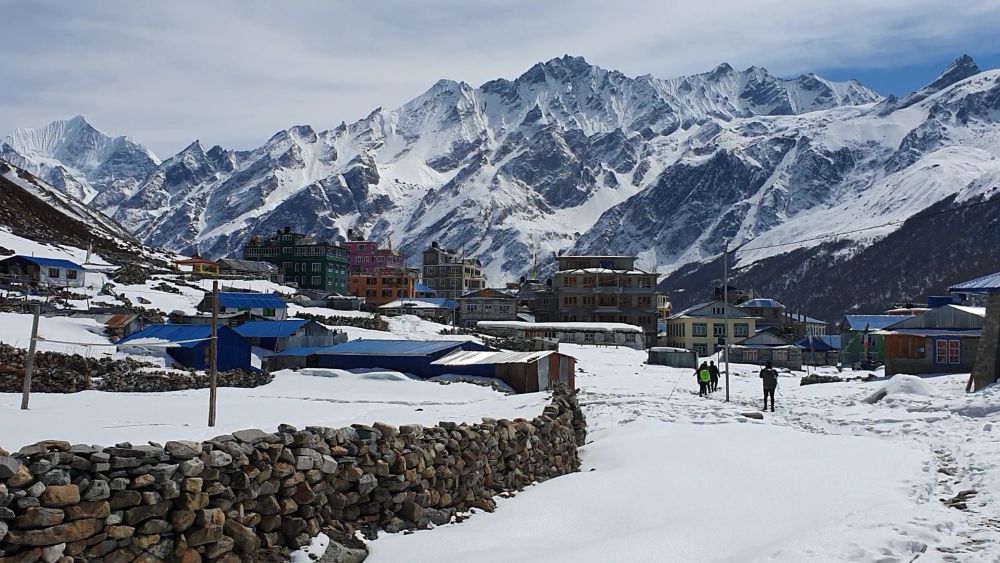
Enjoy the stunning scenery of the mountains along with forests, glaciers, traditional villages, and the culture of the Tamang and Tibet-inspired Buddhists.
Some of the major highlights include:
- Langtang Valley and Langtang Lirung
- Kyanjin Gompa
- Tserko Ri
- Kyanjin Ri
- Himalayan glaciers
- Rhododendron and pine forests
- Traditional Tamang villages
- Buddhist monasteries and prayer flags
- High-altitude mountain landscapes
For a broader introduction to the region, see Langtang Valley Trek
Detailed Langtang Valley Trek Itinerary
Day 1: Kathmandu to Syabrubesi
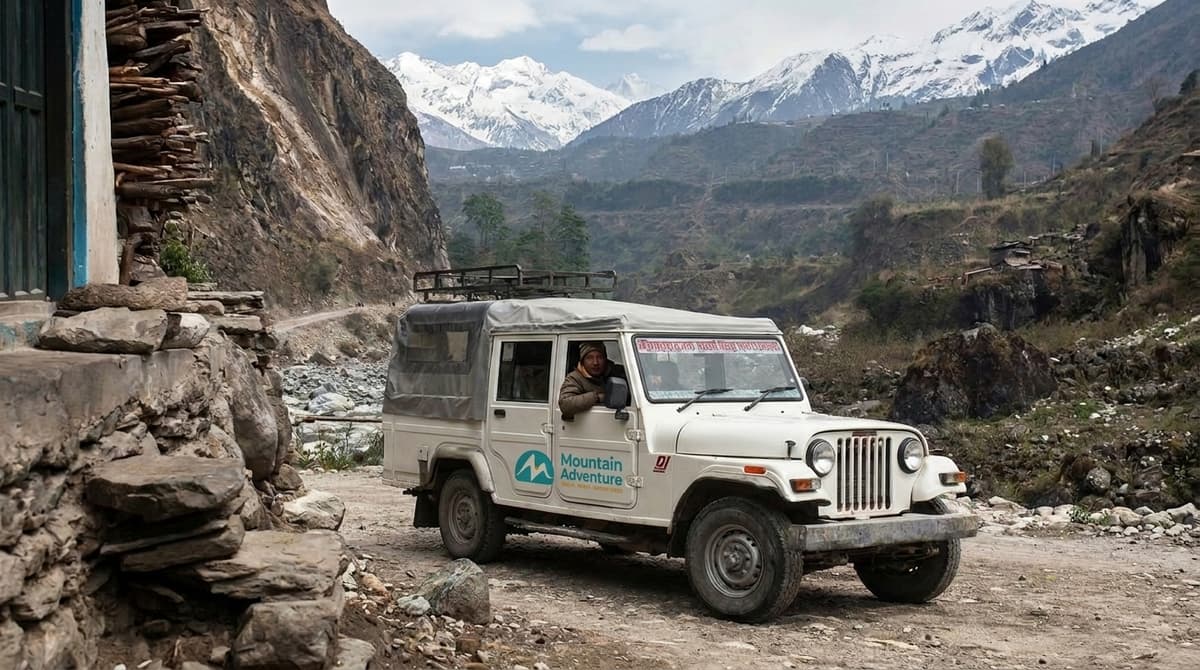
Your journey to Langtang kicks off from Kathmandu to Syabrubesi, which is the main access point for the trek.
It usually takes between 6 and 8 hours by road and depends on the road/traffic conditions.
There is no mountain flight to the start like at Everest Base Camp, which makes Langtang easily reachable for foreigners and travelers who prefer the trek accessible by road.
Syabru Bensi is at about 1550 m (5085 ft).
Once you get there, check into your accommodation, get your trekking equipment ready, and rest before the trekking day.
- Overnight: Syabrubesi
- Elevation: ~1,550 m / 5,085 ft
- Activity: Road journey
Day 2: Syabrubesi to Lama Hotel
The first long day of trekking, on which you will walk from Syabrubesi to Lama Hotel.
The trail climbs up the Langtang Khola through the forest.
Expect some inclines, declines, a few stream crossings, and tranquil views of the woods.
As you ascend into the valley, the path turns more rugged and hilly.
Walking time is generally between 5 and 6 hours, depending on your speed and the trail.
- Overnight: Lama Hotel
- Elevation: ~2,380 m / 7,808 ft
- Walking time: Approximately 5–6 hours
Day 3: Lama Hotel to Langtang Village
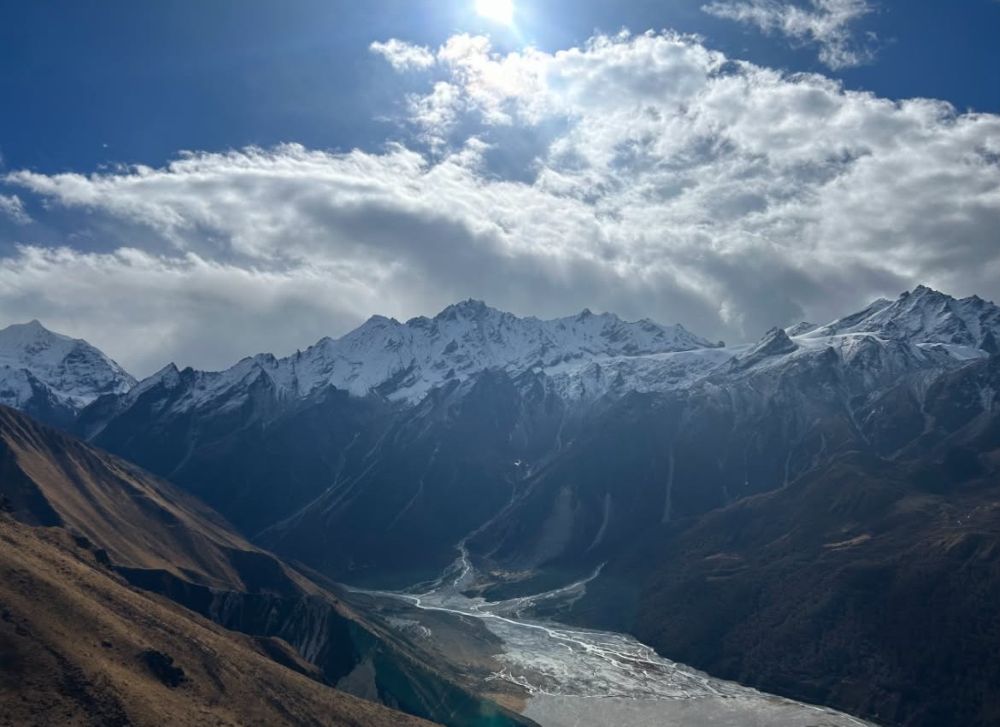
Starting from Lama Hotel, as you can see from the bottom of the picture, the trail goes from Lama Hotel to Langtang Village.
The higher you go, the more the countryside opens up the mountain views are starting to become distinguishable.
From the high pass, there is a gradual descent along the valley floor passing through forested ridges and small villages until ultimately reaching the broad, lush Langtang Valley.
En route, you might be rewarded with magnificent views of the Langtang Lirung and other spires.
Walking for somewhere between 5 and 6 hours of the day.
As you're heading over 3,000 meters, you don't want to go too hard-take it easy.
- Overnight: Langtang Village
- Elevation: ~3,430 m / 11,253 ft
- Walking time: Approximately 5–6 hours
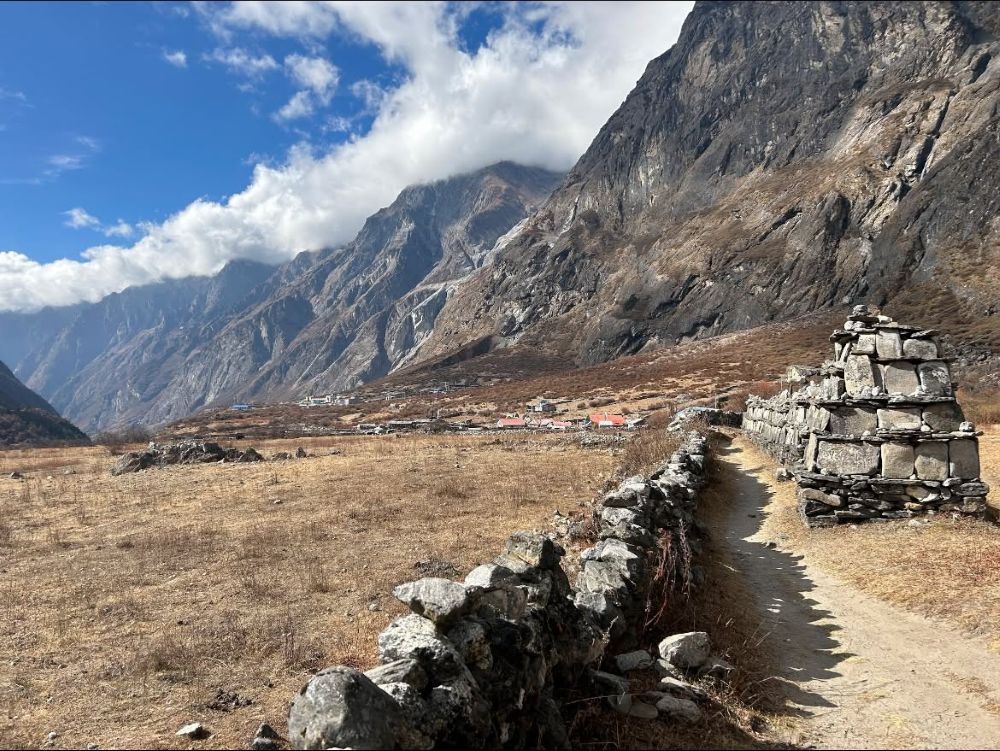
Day 4: Langtang Village to Kyanjin Gompa
Day 4 isn't as long, but brings you into the higher Himalayan terrain.
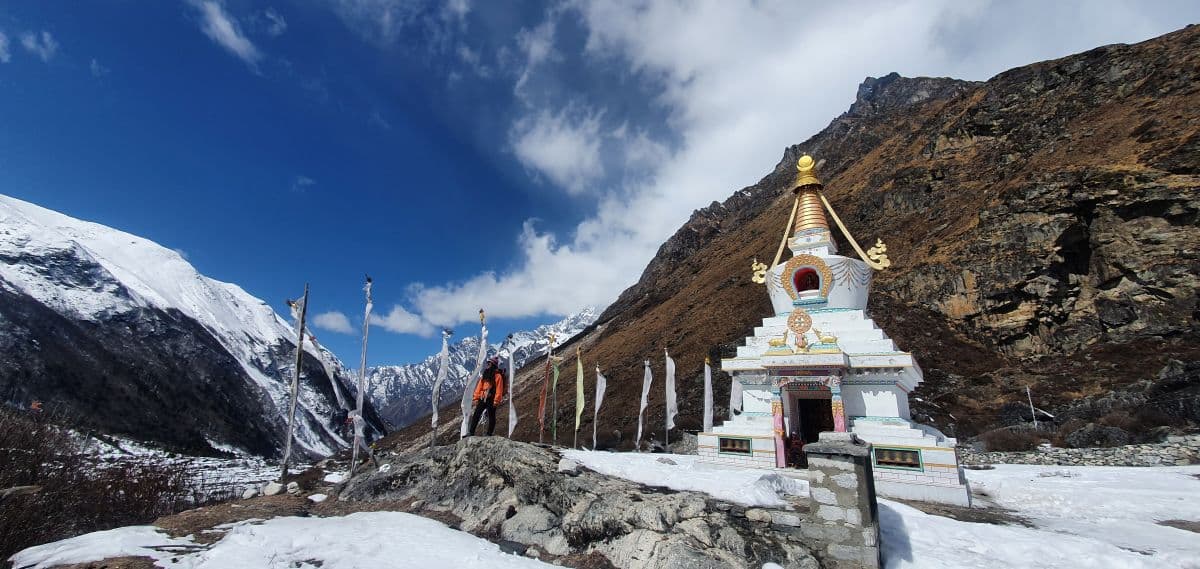
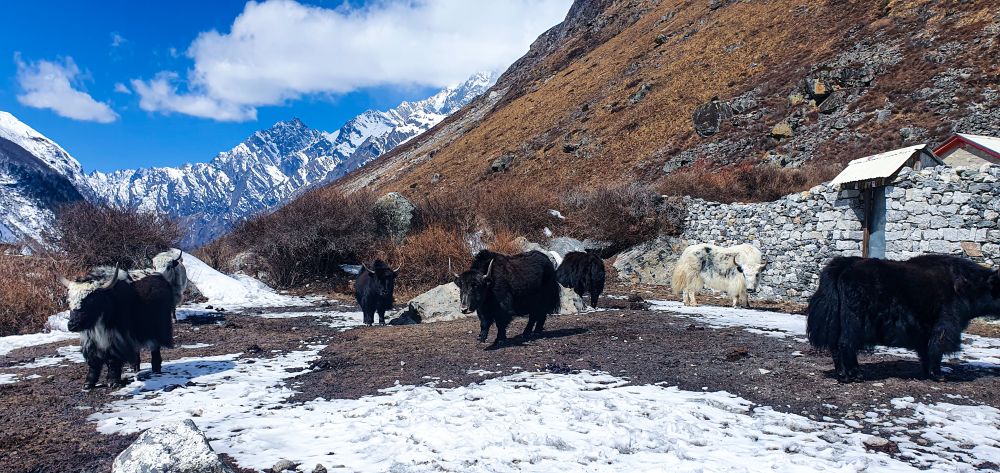
The trail gently ascends from the village of Langtang to the town of Kyanjin Gompa, crossing through smaller villages, yak grazing fields, Buddhist stupas, and more breathtaking mountain views.
Kyanjin Gompa is situated at an altitude of about 3,870 m (12,697 ft).
As the walking day is shorter than the other day, reaching Kyanjin earlier in the afternoon allow to have a longer walk around the lodge in an attempt to familiarize yourself with the area.
The area is also dominated by glaciers, snow-capped mountains and alpine country.
- Overnight: Kyanjin Gompa
- Elevation: ~3,870 m / 12,697 ft
- Walking time: Approximately 3–4 hours
Day 5: Kyanjin Gompa Acclimatization and Exploration
The fifth day is a crucial one for acclimatization and further exploration.
Alternatively, rather than pushing higher right away, spend the day exploring around Kyanjin Gompa.
Based on your fitness, the climate, and altitude reaction, you could consider:
- Kyanjin Gompa exploration
- Glacier viewpoints
- Kyanjin Ri
- Tserko Ri
- Short walks around the valley
Tserko Ri is located at around 4,984 m (16,352 ft) and offers fantastic views of the Himalayan peaks around.
Even ascending Tserko Ri is not necessary. Not all trekkers want to have the summit.
If you are feeling the effects of altitude or if bad weather sets in, you might be better to take a shorter exploration day.
- Overnight: Kyanjin Gompa
- Elevation: ~3,870 m / 12,697 ft
- Optional high point: Tserko Ri ~4,984 m / 16,352 ft
Day 6: Kyanjin Gompa to Lama Hotel
Below the upper valley of Luaghang, you head downhill towards the passage to Lama Hotel.
The return route takes the same route, but the landscape may be quite different when re-entering the wooded part.
The descent. This time, the downhill part took 5-6 hours.
While breathing can be easier on the descent, the added pounding on your knees during lengthy downhill portions can be tough. A lightweight walking stick can be very helpful on uneven ground.
- Overnight: Lama Hotel
- Elevation: ~2,380 m / 7,808 ft
- Walking time: Approximately 5–6 hours
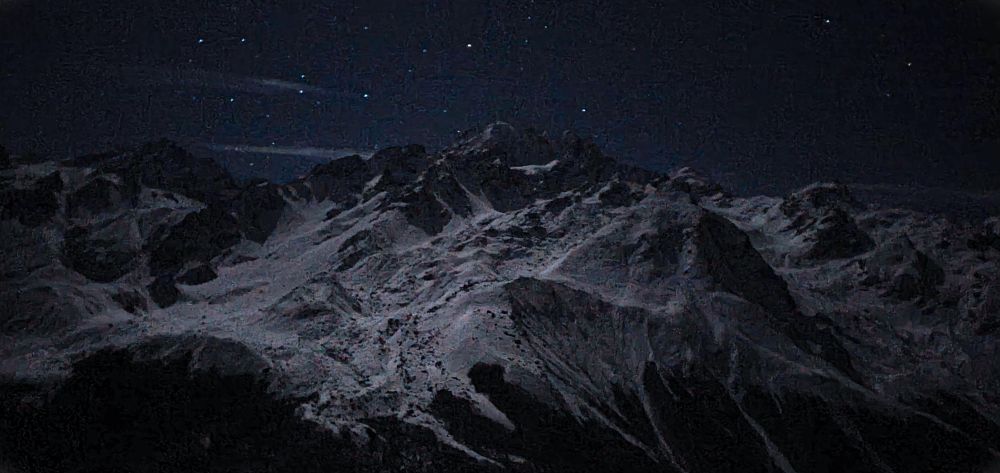
Day 7: Lama Hotel to Syabrubesi
Finally, we trek from Lama Hotel to Syabrubesi. The trail bears left down through forests, following the river into the lower valley.
After being at elevation, Syabrubesi seems like an oasis. If you wait long enough, it will feel much warmer and more livable here.
It takes about 5-6 hours if you're walking at a comfortable speed. Once in Syabrubesi, take a break and get ready to head back to Kathmandu.
- Overnight: Syabrubesi
- Elevation: ~1,550 m / 5,085 ft
- Walking time: Approximately 5–6 hours
Day 8: Syabrubesi to Kathmandu
Day 19: Syabrubesi to Kathmandu. This is the last day of the trek. You'll begin your trip back to Kathmandu from Syabrubesi, ending your trek.
The journey generally takes between 6 and 8 hours. However, the drive duration may vary in accordance with traffic.
Upon arrival in Kathmandu, you may relax at your hotel and have some free time after the trek.
International visitors need not plan to take that international flight immediately after returning from the mountains. Travelers should leave some margin for delays that can occur en route.
- Activity: Drive to Kathmandu
- Approximate time: 6–8 hours
Langtang Valley Trek Alternative Itineraries
When it comes to how many days you need for your trip, not everyone will be the same.
The best route and how long you spend in the mountains will vary according to your fitness level and the time you have, and whether you want to take it easy, do more acclimatisation, or fit in some side trips.
Having a shorter itinerary does not mean it's a better one. The higher you go, the more important it is to take time to acclimatize, rather than rushing.
Langtang Valley Trek Difficulty
A trek in the Langtang Valley is estimated to be moderate.
While the standard route doesn't involve technical climbing, be ready for walking days that can be quite long, as well as steep slopes, rough tracks, and higher elevations.
The optional Tserko Ri climb increases the difficulty of the trek because it reaches near 5,000 m (16,400 ft).
Is Langtang Valley Trek Suitable for Beginners?
Absolutely. Fit beginners should be able to tackle the Langtang Valley Trek if they are prepared and have a reasonable itinerary.
Experience in high-altitude trekking is definitely an advantage.
New trekkers should prepare their bodies with some endurance exercises 2 weeks prior. They should walk at an easy pace during the trek.
If you are a traveler looking for easier treks, Best Treks in Nepal for Beginners will guide you to pick a trek that suits your trekking experience and level of fitness.
Langtang Valley Trek Altitude and Acclimatization
Altitude is a key factor to bear in mind when organizing the trekking trip in the Langtang Valley. The trail ascends from about 1550m at Syabrubesi to around 3870 m at Kyanjin Gompa.
| Location | Elevation | Feet |
| Kathmandu | ~1,400 m | ~4,593 ft |
| Syabrubesi | ~1,550 m | ~5,085 ft |
| Lama Hotel | ~2,380 m | ~7,808 ft |
| Langtang Village | ~3,430 m | ~11,253 ft |
| Kyanjin Gompa | ~3,870 m | ~12,697 ft |
| Tserko Ri | ~4,984 m | ~16,352 ft |
Best Time for Langtang Valley Trek
The best overall seasons for the Langtang Valley Trek are spring and autumn.
Spring: March to May
In spring, the weather is not too cold, the trek is good, and the general views from the mountain are rather satisfactory, and the flowers, in particular the rhododendron blossom, are out. The best months to explore the forests and mountains simultaneously are April and May.
Autumn: September to November
The autumn (September-November) is one of the best times to trek in Nepal.
Post-monsoon, you might find the skies are clearer, visibility is generally good, and the mountain scenery might be spectacular.
Winter: December to February
Winter has temperatures on the cooler side, and some snow at the higher elevations.
According to the Cusco weather forecast, the trek is still doable in good weather. Be aware, however, that you may encounter freezing temperatures and more difficult routes.
Monsoon: June to August
The Monsoon Offers Rain, Muddy Trails, Limited Visibility, and Landslides in Certain Areas. They are the best season for most travelers.
Langtang Valley Trek Cost
The total cost of a Langtang Valley Trek depends on how you travel and what your package includes.
Common expenses include:
- Transportation between Kathmandu and Syabrubesi
- Guide services
- Porter services
- Accommodation
- Meals
- Trekking permits
- Travel insurance
- Trekking equipment
- Personal expenses
- Tips
- Additional accommodation in Kathmandu
Visitors on international travel should look into suitable travel insurance, which includes trekking insurance at the altitude of your planned route and evacuation insurance where required.
Instead of opting for the trek that is cheapest, see what extras you are getting.
Langtang Valley Trek Permits
ALL trekkers require the relevant permits and entry documents for the Langtang area.
It is the traveler’s responsibility to check the currency of the permit rules and fees.
Have your passport and permit papers easily accessible as well.
For more general information about trekking permits in Nepal, see Trekking Permits and Fees for Popular Trekking Route in Nepal.
Accommodation and Food
Accommodation
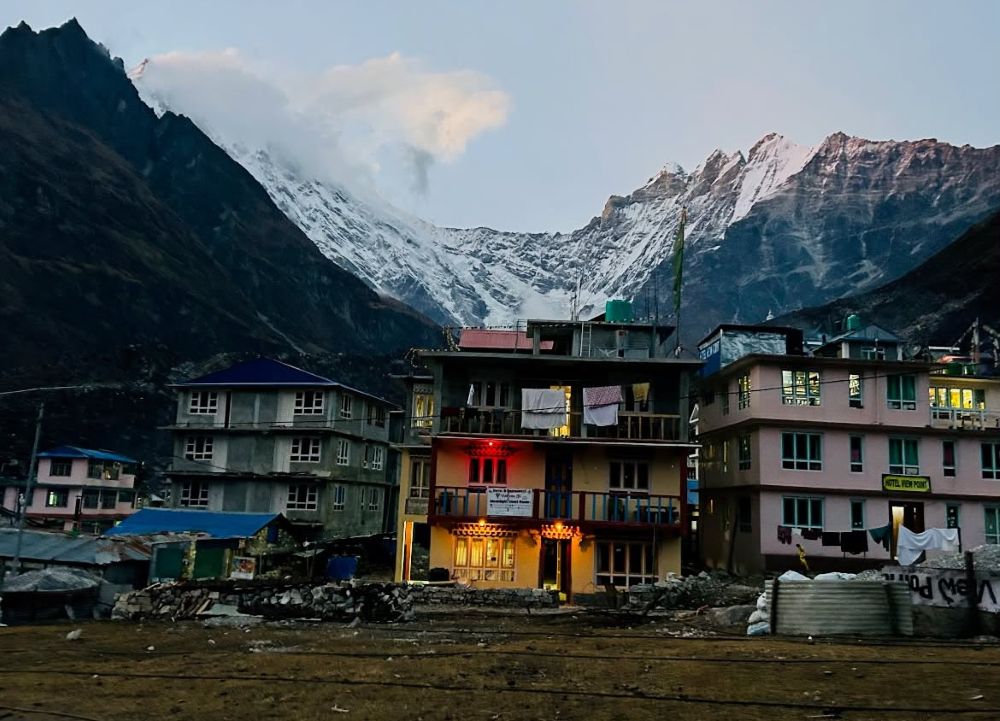
Most places to stay along the trail of Langtang Valley will be in teahouses and trekking lodges.
Accommodation is generally basic, often just a bed and communal facilities in some places. The higher you climb, the fewer your options for overnight stay.
Food
Teahouses typically offer familiar trekking meals such as:
- Dal bhat
- Noodles
- Momos
- Pasta
- Soup
- Rice
- Eggs
- Potatoes
- Tibetan-style dishes
The farther you travel into the mountains, the fewer the food options. Dal bhat is a favorite among travelers, as it's a hearty meal to sustain you through another long day of walking.
What to Pack for Langtang Valley Trek
A good packing strategy is to stay warm and prepared without carrying unnecessary weight.
Essential items include:
- Comfortable trekking boots
- Warm insulating layers
- Waterproof jacket
- Trekking trousers
- Thermal base layers
- Warm gloves
- Hat
- Sunglasses
- Sunscreen
- Reusable water bottle
- Trekking poles
- Headlamp
- Power bank
- Personal medication
- Basic first-aid supplies
- Passport and travel documents
You can find a more detailed checklist in What to Pack for Your First Trek.
Langtang Valley Trek for International Travelers
It's the fact that the Langtang Valley Trek offers a real Himalayan trekking experience, without the same difficulty of access from Kathmandu, that makes it so popular with overseas visitors.
Getting to Nepal
Those of you traveling to Nepal for the first time will most likely arrive at Tribhuvan International Airport in Kathmandu and start the trek from there.
It is wise to take some time in Kathmandu to rest, organize permits, check gear, and get prepared for the road.
Transport to Syabrubesi
Besides the route to Everest Base Camp, you will not need to pay for the mountain flight to reach the trekking area to go to Langtang.
Typically, the journey to Syabrubesi is by road. Be prepared for varying road conditions. Keep your plans flexible.
Travel Insurance
Travel insurance suitable for trekking should be taken by international visitors to Nepal.
Verify if your policy includes the maximum altitude of your trip and emergency evacuation, if necessary.
Currency
Ensure you have with you an adequate amount of rupees for your own use. Cash is important, especially in the more remote areas, where card-based payments could be unavailable.
Connectivity
You may start to experience poorer mobile and internet coverage as you go further into the valley. Get your travel papers, maps and details ready before heading out of Kathmandu.
Why Choose Langtang Instead of Lukla-Based Treks?
Nice to know for those who are not comfortable with a mountain flight to Lukla, you can have a similar hiking experience in the Himalaya at Langtang Valley.
Because of easier accessibility by road and a shorter itinerary, it can attract travelers who are on very limited time in Nepal.
Langtang Valley Trek vs Other Popular Treks
Different Himalayan routes suit different travelers.
| Trek | Approx. Duration | Main Attraction | Difficulty |
| Langtang Valley | 7–10 days | Mountains, culture, Kyanjin | Moderate |
| Everest Base Camp | 12–16+ days | Everest and Khumbu | Moderate–challenging |
| Annapurna Base Camp | 7–12 days | Annapurna Sanctuary | Moderate |
| Mardi Himal | 5–8 days | Mountain views | Moderate |
In particular, if you are looking for a shorter trip in the Himalayas with lots of emphasis on culture and nature, then Langtang is the place for you.
If getting to the world's most popular trek is of greatest importance, then Everest Base Camp is perhaps a better choice.
Annapurna Base Camp and Mardi Himal provide distinctive scenery and trekking adventures.
Is Langtang Valley Trek Worth It?
Would I recommend the Langtang Valley Trek to you? Yes, if you are looking for a short trek in the Himalayas that offers a fairly decent balance of nature, culture, and mountain scenery.
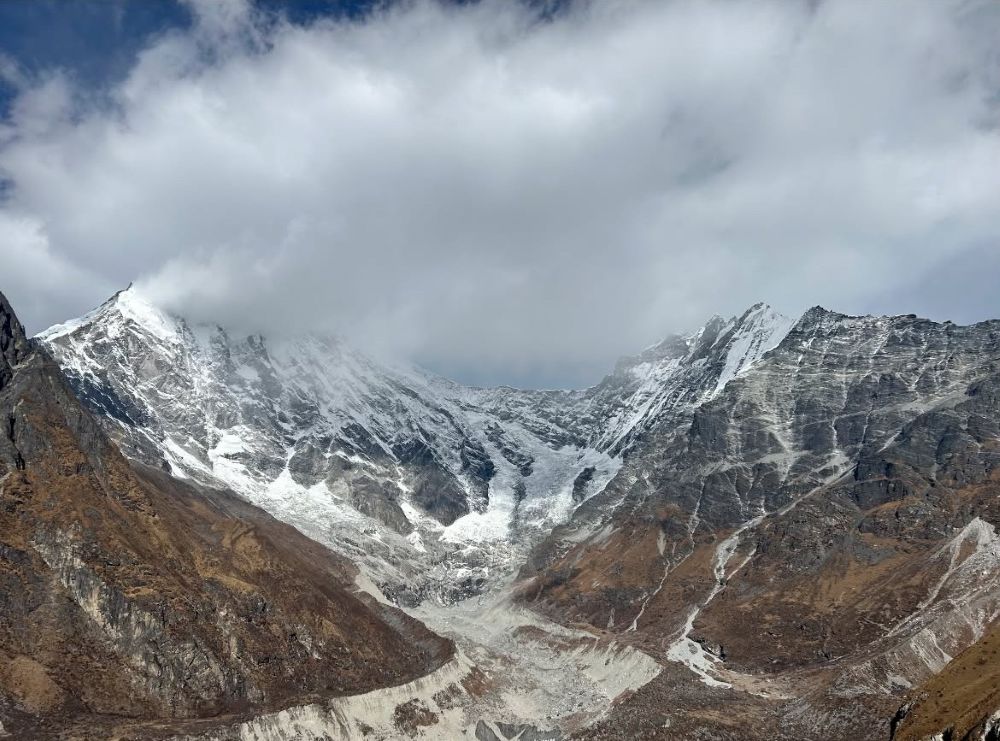
The trek gives you excellent views of Langtang Lirung, the old Tamang villages, the Buddhist culture, the forests, glaciers, and the high-altitude environment around Kyanjin Gompa.
Accessible by road from Kathmandu too, so not for the mountain flight junkies!
If you’re staying in Nepal for a short time, Langtang offers the chance to sample the Himalayas without the commitment of an Everest Base Camp trek.
Practical Tips for Langtang Valley Trek
Keep these points in mind before starting your trek:
- Start physical training before the trip.
- Walk at a comfortable pace.
- Stay hydrated.
- Take altitude symptoms seriously.
- Carry enough Nepalese cash.
- Keep your itinerary flexible.
- Check weather conditions before departure.
- Respect local culture and religious sites.
- Minimize single-use plastic.
- Stay on established trails.
- Keep a buffer before your international flight.
Responsible Trekking in Langtang
The Langtang area supports local communities, fragile mountain ecosystems, and sacred sites.
Travelers can contribute to preserving the area by bringing refillable bottles, using less plastic, packing out all trash, and sticking to existing pathways.
Please take photos, consider the local culture, and ask for permission from locals.
As you journey to monasteries, chortens, or other holy places, please heed customs in visiting various religious sites. Do not disturb the religious ceremonies.
For more information on traveling sustainably, check out How to Travel Responsibly in Nepal.
Conclusion
The Langtang Valley Trek is a perfect combination of high Himalayan landscapes, local culture, adventure, and easy travel!
A comprehensive Langtang Valley Trek Itinerary guides you from Kathmandu to Syabrubesi, then by walking in dense forest and primitive villages toward the high mountain area around Kyanjin Gompa.
For those experienced trekkers who enjoy higher altitude, the optional hike to Tserko Ri is more exciting.
All these factors-good training, step-by-step adaptation, the right gear, and a loose itinerary-contribute to safe, happy adventuring.
Pre-trip planning for visitors-arranging transport, permits, insurance, cash, and extra time on the road-can make the experience significantly less stressful.
If you are getting ready to plan your trip to Langtang, then finding an itinerary that fits your individual fitness, dates of travel, and travel pace is the best place to begin.
Langtang Valley Trek Itinerary: Frequently Asked Questions
1. How many days is the Langtang Valley Trek?
The trek usually takes 7–10 days, depending on the itinerary and walking pace.
2. Is Langtang Valley Trek good for beginners?
Yes. It is suitable for fit beginners with proper preparation and gradual pacing.
3. What is the highest point of Langtang Trek?
Kyanjin Gompa is about 3,870 m (12,697 ft). Tserko Ri reaches around 4,984 m (16,352 ft).
4. What is the best month for Langtang Trek?
October, November, April, and May are among the best months for clear weather and mountain views.
5. How difficult is the Langtang Valley Trek?
It is generally moderate, with several hours of walking, uphill sections, and increasing altitude.
6. Do I need a guide for Langtang Trek?
A guide is highly recommended for navigation, local support, accommodation, and altitude management.
7. How far is Langtang Valley from Kathmandu?
Langtang is accessible by road from Kathmandu, with Syabrubesi commonly used as the trek starting point.