Everest Base Camp vs Gokyo Ri Trek: Which Is Better?
Deciding whether to do the Everest Base Camp Trek or the Gokyo Ri Trek is hard because they both head deep into the spectacular Khumbu region of Nepal. Both offer dramatic Himalayan scenery, Sherpa culture, high-altitude landscapes, and spectacular views of some of the world's highest mountains. .
The Everest Base Camp Trek is the traditional route to the base of Mount Everest and is suitable for those wanting to trek to one of the world's most iconic locations. Alternatively, the Gokyo Ri Trek is a path towards the stunning Gokyo Valley, where glacial lakes, the Ngozumpa Glacier, and spectacular mountain views make for a more peaceful route than the classic Everest trek.
So, which is more interesting: Everest Base Camp or Gokyo Ri? Well, that depends on the type of expedition you prefer to do in the Himalayas. If, however, you want to trek to Everest Base Camp, then the classic route is the way to go. If not, then the Gokyo Ri trek may be more to your liking.
Everest Base Camp vs Gokyo Ri Trek: Quick Comparison
| Feature | Everest Base Camp Trek | Gokyo Ri Trek |
| Main highlight | Everest Base Camp and Kala Patthar | Gokyo Lakes and Gokyo Ri |
| Region | Khumbu/Everest region | Khumbu/Everest region |
| Highest point | Around 5,545 m at Kala Patthar on typical itineraries | Around 5,357 m at Gokyo Ri |
| Difficulty | Moderately challenging to challenging | Moderately challenging to challenging |
| Scenery | Everest, Khumbu Glacier, Ama Dablam and classic Khumbu landscapes | Gokyo Lakes, Ngozumpa Glacier and panoramic Himalayan views |
| Crowds | Generally busier | Generally quieter |
| Ideal for | First-time Everest-region trekkers and those wanting the classic route | Trekkers seeking lakes, panoramic scenery and a quieter trail |
| Typical duration | Around 12–15 days for classic itineraries | Varies by itinerary |
| Can be combined? | Yes | Yes, through combined Gokyo-EBC routes |
Which Trek Is Best for You?
| If you want... | Choose |
| To reach Everest Base Camp | Everest Base Camp Trek |
| To see Gokyo Lakes | Gokyo Ri Trek |
| Panoramic Himalayan views | Gokyo Ri Trek |
| To visit Kala Patthar | Everest Base Camp Trek |
| A quieter trekking experience | Gokyo Ri Trek |
| The classic Khumbu experience | Everest Base Camp Trek |
| Both Everest Base Camp and Gokyo | Everest Base Camp Trek with Gokyo – 18 Days |
| A challenging high-pass adventure | Gokyo Ri Cho La Pass Everest Base Camp Trek – 21 Days |
Everest Base Camp Trek: What to Expect
This is the Everest Base Camp Trek-it's the most iconic of treks in the Himalayas. Most commonly, the trek starts with a flight toward the village of Lukla and then passes through villages and scenic mountain scenery in the Khumbu.
This part of the trail takes us into some of the must-visit places on the trail, including Phakding and Namche Bazaar. The route then takes us through the villages of Tengboche, Dingboche, Lobuche and Gorak Shep. Heading out towards Everest Base Camp, several itineraries incorporate an early-morning climb of the exciting Kala Patthar, offering striking views of the mountains.
What makes this trek so popular is the fact that the trek itself is far more than simply arriving at base camp. As you trek through the mountains, you will pass by Sherpa villages, Buddhist monasteries, crossing suspension bridges and high mountain valleys before arriving at the glaciers and most famous Himalayan peaks.
Another 'high' we get is the feeling of achievement in having completed the route, which takes you to a world-renowned trekking destination- Everest Base Camp. If the main destination for your trek is to reach the foot of Mt. Everest, then this is the most direct route to take.
The Everest Base Camp Trek Itinerary gives a breakdown of the route day-by-day, providing details of walking sections, acclimatization overnight stops, and the main elevations.
Highlights of the Everest Base Camp Trek
- Namche Bazaar and the surrounding Sherpa settlements
- Tengboche Monastery
- Ama Dablam and other Himalayan peaks
- Everest Base Camp
- Khumbu Glacier
- Kala Patthar viewpoint
- Traditional Sherpa culture
- Classic Khumbu trekking landscapes
Gokyo Ri Trek: What to Expect
Gokyo Ri Trek provides a unique glimpse of the Everest region. Instead of taking the usual route toward the Everest Base Camp, the trek veers off to the Gokyo Valley,
The biggest attraction is the series of lakes fed by the glaciers that flow down from the mountains above the Gokyo Valley. As the trekkers head up the valley, the landscape becomes more and more dramatic, with snow-capped peaks, glaciers and blue, blue lakes making for a typical Himalayan scene.
Gokyo Ri- another of the highlights. This viewpoint shows a magnificent view of the surrounding peaks and valleys of the Himalaya. This route to Gokyo also has excellent views of Everest and other major mountains, making it especially popular with photographers and scenic travelers.
According to Mountain Adventure Nepal, the Gokyo Lakes Trek is a spectacular and less trafficked trek in the Everest region. Gokyo Lakes, Gokyo Ri, Ngozumpa Glacier, and Sherpa culture are some of the major attractions of the Gokyo Lakes Trek.
If you want to know about the land of the lake-filled valley and about the route, the Gokyo Lakes Trek guide has a bit more about the land, route, level of difficulty, and the main sights.
Highlights of the Gokyo Ri Trek
- Gokyo's turquoise glacial lakes
- Gokyo Ri viewpoint
- Ngozumpa Glacier
- Views of Everest and surrounding Himalayan peaks
- Traditional Sherpa settlements
- Quieter sections of the Everest region
- Dramatic alpine landscapes
The Gokyo Ri experience is particularly appealing if your idea of a perfect Himalayan trek involves panoramic scenery rather than simply reaching a famous destination.
Everest Base Camp vs Gokyo Ri: Route Difference
The primary distinction between the two walks is their heading and focus.
The traditional Everest Base Camp Trek travels on the main Khumbu trail heading toward the Everest Base Camp area. The trek passes through the significant stops of Namche Bazaar and Dingboche before hitting the upper parts of the trek.
The Gokyo Ri path heads in the direction of the Gokyo Valley. Rather than turning immediately onto Everest Base Camp, the trail splits toward the Gokyo region, trekking to the lakes and summiting Gokyo Ri.
In practice, it means the two treks will be able to share some of the approach via the Khumbu but deliver separate experiences in their upper sections.
In case you want to compare various Everest-region trekking routes before actually choosing one, the Everest Base Camp Trek covers the standard route in more detail.
Which Trek Is More Difficult: Everest Base Camp or Gokyo Ri?
Good physical conditioning is needed for both treks, as they take place at high altitudes and cannot be described as easy trek holidays. Neither trek involves technical mountaineering, but both are physically demanding because of long walking days, steep sections, cold temperatures, rugged terrain, and reduced oxygen at higher elevations.
The standard Everest Base Camp trekking itinerary is generally considered a modest trek, and, naturally, this is subject to the trekking route, acclimatization program, weather conditions, and the individual's fitness level.
Gokyo Ri too entails a tough walking experience, with the ascent up to Gokyo Ri itself presenting a fair bit of work for your body, with thin air being much more perceptible at higher altitude.
One of the most vital components in either trek route, Altitude Acclimatization, comes from a skillfully drawn-out travel plan. When we change our work and life surroundings, we should acclimatize to adapt to them.
Therefore, the trekking difficulty levels aren’t as simple as viewing the height as the sole measure. Other factors are the pace of walking, days spent on the acclimatization process, weather conditions, the nature of the terrain, and personal knowledge of trekking.
To familiarize yourself if you don’t trek typically at elevation, then a look at Altitude Acclimatization for Trekking will give more information.
Altitude Comparison: EBC vs Gokyo Ri
Altitude is one of the most important factors when comparing the two treks.
| Location | Approximate Elevation |
| Lukla | 2,860 m |
| Namche Bazaar | 3,440 m |
| Gokyo | Around 4,790 m |
| Gokyo Ri | Around 5,357 m |
| Everest Base Camp | Around 5,364 m |
| Kala Patthar | Around 5,545 m |
The specific elevation details will differ somewhat between sources and the different routes, but the crucial aspect is that BOTH treks go higher than 5,000 metres.
Hence, it will necessitate and will be crucial to take note of good acclimatization, slow ascent, drinking fluids, following a suitable pace, being able to monitor symptoms of altitude sickness, and understand that trekking high up isn’t just a question of fitness because, as mentioned, altitude impacts every person differently, regardless of fitness.
Everest Base Camp vs Gokyo Ri: Which Has Better Mountain Views?
This is probably the toughest category since both routes have outstanding scenery.
Everest Base Camp trek – for people who are looking for all the iconic views associated with Everest. You’ll be treated to views of Everest, Ama Dablam, Nuptse, Lhotse, the Khumbu Glacier and so many other of the high Himalayan peaks.
The trail that leads to Kala Patthar is one of the most famous, and you will gain some breathtaking and encompassing views of the highest peaks from the summit.
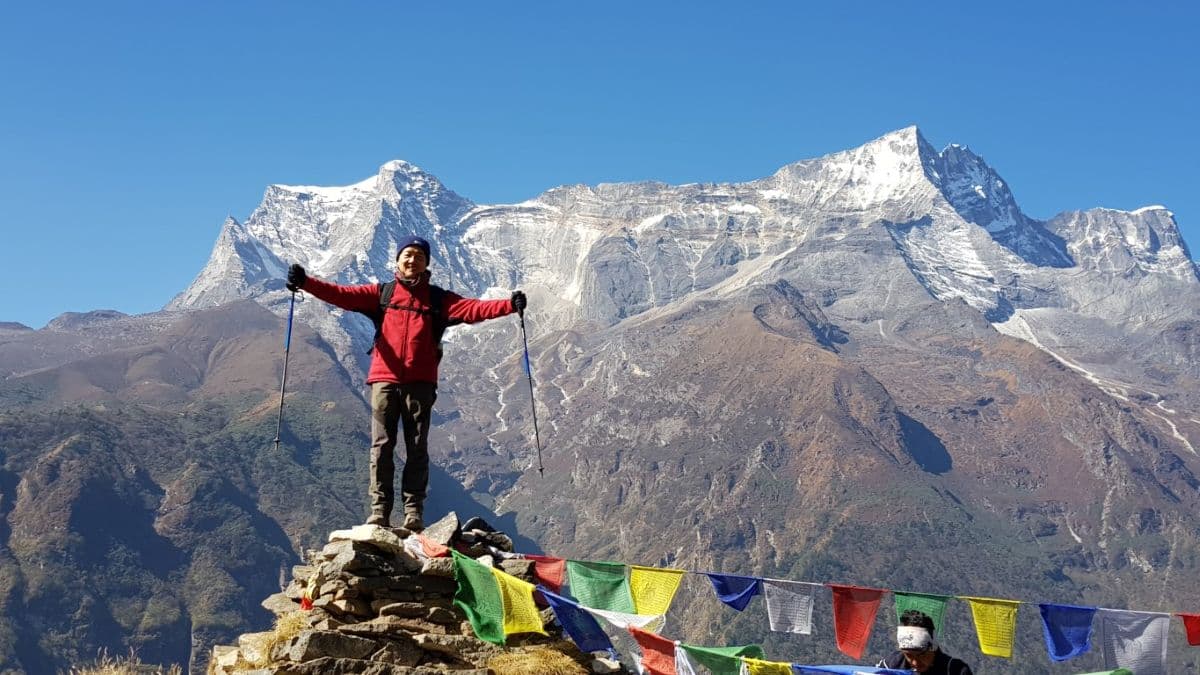
Gokyo Ri trek – this is not the typical view of Everest; it gives you a unique feel with striking features like the blue Gokyo Lakes, Ngozumpa Glacier and stunning panoramic mountain views across many valleys, not just EBC.
Similar to Everest Base Camp, Gokyo Ri itself is one of the main viewpoints and provides an excellent photography tour of the Everest vicinity.
Choose EBC if you prefer:
- Everest Base Camp itself
- Khumbu Glacier
- Kala Patthar
- The classic Everest trekking landscape
- A famous and well-established trekking route
Choose Gokyo Ri if you prefer:
- Glacial lakes
- Panoramic viewpoints
- Ngozumpa Glacier
- A quieter atmosphere
- A different perspective of the Everest region
So, rather than asking which has “better” views, ask which type of scenery you prefer.
Which Trek Is Less Crowded?
You are aware that the EBC path is one of Nepal's most famous treks and therefore will usually be busier than the much quieter Gokyo path.
Popularity can give the villages and teahouses a vibrant and bustling feel. This may be a positive aspect for some travelers, providing opportunities to meet fellow trekkers from all around the world.
Generally quieter in some areas, the Gokyo guide specifically states "more tranquil" than the Everest Base Camp trek, though this is often still a busy path, especially when in sections of the actual main Everest Base Camp trail.
Neither trek can be described as truly empty, as Gokyo is indeed a popular trek during peak spring and autumn, however.
Your preferred time of year is sometimes equally as important as your route if finding a certain amount of seclusion is important to you.
Best Time for Everest Base Camp vs Gokyo Ri
The most suitable season for Everest region trekking is the springtime and autumn seasons; the weather is quite favorable, and the clarity of the Himalayas is exceptionally high during these two months of the year.
Spring: March to May
This season doesn’t generally experience the more unpredictable weather elements of other regions or seasons. Trekking and travelling during the spring season will offer quite predictable travel conditions.
As you would expect, during Spring days can turn relatively warmer with the blooming rhododendrons (at low altitudes). Due to the season also being popular in the Mount Everest region primarily because the climbing expedition season starts.
Autumn: September to November
Many of us believe that autumn, the season after Nepal's monsoons, offers a great time for trekking to Nepal, with the visibility often being very good for spotting mountains beyond.
Seasonal Everest Base Camp guide indicates Spring and Autumn as Nepal's two best trekking seasons, with October offering 'the most favourable conditions (weather, views and trekking) overall for Nepal's major holidays in autumn.
Winter: December to February
Winter may be colder and at higher elevations is even snowy however, the advantage of this season is less crowded and quieter treks. It is best for trekkers of this weather who are accustomed to cold conditions.
Monsoon: June to August
Most people do not choose this season due to the chance of rain and clouded scenery; moreover, transportation could also be affected. Also, the weather is quite variable compared to others, although certain types of adventurous travelers might like to trek in this season as trails are less crowded.
For a thorough seasonal breakdown, visit the Mountain Adventure Best Time to Trek Everest Base Camp article.
Everest Base Camp vs Gokyo Ri: Cost Comparison
The cost of either trek depends on several factors, so there is no single price that applies to every traveler.
Your total budget can be influenced by:
- Trek duration
- Guide and porter services
- Accommodation
- Food and drinks
- Domestic flights
- Permits
- Travel insurance
- Personal expenses
- Equipment rental or purchase
- Extra accommodation before or after the trek
Sometimes the classic EBC route can be cheaper just because there are shorter itineraries available. Depending on the route, a Gokyo itinerary can require extra trekking days.
The combined EBC and Gokyo itinerary will take more time and so will cost more in total.
Don’t just choose on price, compare what is included in each trekking package. If a cheaper itinerary means passing up the right number of acclimatization days or critical services, it’s not necessarily a better one.
Is Everest Base Camp or Gokyo Ri Better for Beginners?
Both routes can be completed by well-prepared first-time trekkers, but “beginner-friendly” does not mean easy.
A first-time trekker should consider:
- Current fitness level
- Previous hiking experience
- Ability to walk several hours per day
- Comfort with steep terrain
- Ability to spend multiple nights at high altitude
- Time available for acclimatization
- Personal tolerance for cold and basic teahouse conditions
Perhaps the classic EBC route is more attractive for beginners as it is the most established and traveled route. There is also a large trekking community on the main track.
Gokyo Ri is also a good option for prepared beginners, especially if the scenery appeals to them. But you don’t want to underestimate the high altitude and climb to Gokyo Ri.
For either trek, preparation is more important than simply identifying yourself as a beginner or experienced trekker.
Everest Base Camp vs Gokyo Ri: Pros and Cons
Everest Base Camp Trek Pros
- Reaches the iconic Everest Base Camp
- Classic Khumbu trekking experience
- Excellent views of Everest and surrounding peaks
- Kala Patthar provides a famous Himalayan viewpoint
- Well-established trekking infrastructure
- Large trekking community
Everest Base Camp Trek Cons
- Generally busier than alternative routes
- High altitude can be physically demanding
- Some trekking days are long
- Weather can affect flights and trail conditions
- Less focused on glacial lakes than Gokyo
Gokyo Ri Trek Pros
- Beautiful Gokyo Lakes
- Spectacular panoramic views from Gokyo Ri
- Ngozumpa Glacier
- Generally quieter atmosphere
- Different perspective of the Everest region
- Excellent option for photographers and scenery-focused trekkers
Gokyo Ri Trek Cons
- High-altitude trekking remains physically demanding
- Gokyo Ri involves a steep ascent
- Fewer trekkers can also mean a quieter social atmosphere for some travelers
- Some itineraries require more days if combined with EBC
Can You Combine Everest Base Camp and Gokyo Ri?
Yes. Travelers don’t have to choose between Everest Base Camp and Gokyo Ri.
A combined itinerary provides trekkers the opportunity to visit the Gokyo Valley and Gokyo Ri before heading toward the Everest Base Camp region. Some more demanding itineraries also include the Cho La Pass.
Presently, MATNepal offers the Everest Base Camp Trek with Gokyo – 18 Days, a trek specially tailored for travelers who want to relish both sides of the Everest region.
The Gokyo Ri Cho La Pass Everest Base Camp Trek – 21 Days combines Gokyo Ri, Cho La Pass and Everest Base Camp for trekkers who want a more challenging high pass adventure.
Which Trek Should You Choose?
The right choice ultimately depends on your priorities.
Choose Everest Base Camp if:
- Reaching Everest Base Camp is your primary goal.
- You want the classic Everest trekking experience.
- You want to visit Kala Patthar.
- You enjoy a more popular and social trekking route.
- You want to follow the traditional Khumbu trail.
- You have limited time and want a direct Everest-region experience.
Choose Gokyo Ri if:
- You are more interested in scenery than reaching Base Camp.
- You want to see the famous Gokyo Lakes.
- You enjoy panoramic mountain viewpoints.
- You prefer a quieter trekking environment.
- You are interested in glaciers and alpine landscapes.
- You want a different perspective of the Everest region.
Choose a combined EBC and Gokyo trek if:
- You have enough time for a longer Himalayan adventure.
- You want both Everest Base Camp and Gokyo Lakes.
- You are comfortable with greater physical demands.
- You want to explore more of the Khumbu region.
- You are interested in adding a high-pass crossing such as Cho La.
For travelers interested in other challenging routes in the region, the Everest Three Passes Trek provides an even more demanding experience combining high passes, Gokyo, and Everest Base Camp.
What Should You Pack for Either Trek?
Although the exact packing list depends on the season and itinerary, both treks require preparation for cold and changing mountain conditions.
Essential items generally include:
- Comfortable trekking boots
- Warm base and mid layers
- Insulated/down jacket
- Waterproof outer layer
- Warm hat and gloves
- Sunglasses
- Sunscreen
- Trekking poles
- Water bottles or hydration system
- Headlamp
- Personal medication and basic first-aid supplies
- Sleeping bag suitable for high-altitude conditions
- Daypack
- Power bank and essential electronics
Light packing is good, but don't sacrifice necessary warm clothing and personal safety equipment in an effort to cut weight.
Everest Base Camp vs Gokyo Ri Trek: Conclusion
Everest Base Camp is best for travelers who want the classic Everest experience, while Gokyo Ri is ideal for travelers who prioritize glacial lakes, panoramic views, and a quieter trail.
If you want to tramp to the base of Mount Everest and through the old Khumbu route, then the Everest Base Camp Trek would be the better option. It provides iconic landscapes, famous viewpoints, Sherpa villages, monasteries, and the thrill of arriving at one of the world's most popular trekking destinations.
Those looking for the great Himalayan views, turquoise glacial lakes, and for a quieter alternative to the EBC route, The Gokyo Ri Trek is a great choice.
If you can do both, it will be even more rewarding if you have sufficient time for the comprehensive experience. With a combined tour, you can enjoy the Gokyo Valley and visit the Everest Base Camp without any need to choose between it and the Gokyo Valley.
In the end, it comes down to how fit you are, how much time you have, how you like your scenery, how well you can handle altitude, how much experience you have in trekking, how much you're willing to spend, and what you want to do while you're traveling. No matter which way you do it, proper acclimatization and preparation are key to a safe and fun trip through the Everest region.
Frequently Asked Questions About Everest Base Camp vs Gokyo Ri Trek
Is Gokyo Ri harder than Everest Base Camp?
Gokyo Ri can be slightly more demanding because of the steep ascent to Gokyo Ri at about 5,357 m. Both treks are challenging due to high altitude, long walking days, and changing mountain conditions.
Which is better, Everest Base Camp or Gokyo Ri?
Everest Base Camp is better for reaching the iconic Everest Base Camp, while Gokyo Ri is better for glacial lakes and panoramic mountain views. Your choice depends on your preferred scenery, trekking goals, and available time.
Is Gokyo Ri suitable for beginners?
Yes, prepared beginners can trek to Gokyo Ri with proper training and acclimatization. However, the trek is not easy because of high altitude, long walking days, and the climb to Gokyo Ri.
Which trek has better mountain views?
Both treks offer spectacular mountain views, but they have different highlights. Everest Base Camp features Everest, Kala Patthar, and Khumbu Glacier, while Gokyo Ri offers Gokyo Lakes, Ngozumpa Glacier, and panoramic Himalayan views.
Which trek is less crowded?
Gokyo Ri is generally less crowded than the Everest Base Camp Trek. The classic EBC route attracts more trekkers, while the Gokyo route offers a quieter experience, particularly away from the main Everest trail.
Can I combine Gokyo Ri and Everest Base Camp?
Yes, you can combine Gokyo Ri and Everest Base Camp in one trek. Combined itineraries can also include Cho La Pass, but they require more days, stronger preparation, and greater high-altitude trekking experience.
How many days do I need for Everest Base Camp or Gokyo Ri?
A classic Everest Base Camp Trek generally takes around 12–15 days, while Gokyo itineraries vary by route. Combined Gokyo and EBC treks usually require additional days for acclimatization and exploration.
Is Everest Base Camp worth it after doing Gokyo Ri?
Yes, because the two treks offer different experiences. Gokyo Ri focuses on lakes, glaciers, and panoramic views, while Everest Base Camp provides the iconic base-camp experience and Kala Patthar viewpoint.