Best Time to Trek Everest Base Camp: Month-by-Month Guide (2026)
Planning an Everest Base Camp (EBC) Trek is an exciting venture, but determining the best time to trek to Everest Base Camp can make a huge difference in the experience you have.
The weather is very different in the Himalayas in different seasons, which can make for different experiences along the trails, mountain views, flights to Lukla, temperatures, and the number of trekkers that may be on the trail.
Many people think that there is only one “perfect” time of the year to travel; but, in fact, each season has its own unique things to offer.
In the spring, the rhododendron forests are in bloom, and the weather is warm, and in the fall, the mountain views are crisp and clear; in winter, the mountains are quiet with adventures for those who don't mind the chill, and even in the monsoon season, there are benefits for the more seasoned hiker.
Considering these time variations will help you decide on the best time for your adventure, depending on your fitness, travel preference, photography objectives, budget, and people's tastes.
Here you'll discover:
- The best season for the Everest Base Camp Trek
- Month-by-month weather and temperature conditions
- Crowd levels throughout the year
- The pros and cons of each trekking season
- Which season suits different types of trekkers
- Expert tips to help you plan your Everest adventure
From first-time hike-timers to seasoned trekkers, this guide can help you select the optimal time to experience one of the world's most iconic trekking regions.
Quick Answer: What Is the Best Time to Trek Everest Base Camp?
Spring (March-May) and Autumn (late September to November) are the best seasons to trek to Everest Base Camp.
These seasons provide stable weather and mountain views, comfortable daytime temperatures, and great trekking conditions. Rhododendrons bloom in spring, and the expedition season of the Everest expedition is also in this season, and autumn is the only season with clear skies after the monsoons.
For fewer crowds, winter (December, January, February) is also a great time to visit—just be prepared for colder weather and a few times of snow.
Everest Base Camp Trek Seasons at a Glance
| Season | Weather | Visibility | Level | Temperature | Best For |
| Spring (March–May) | Stable and mild | Excellent | High | Moderate | First-time trekkers, photographers, nature lovers |
| Summer/Monsoon (June–August) | Warm with frequent rain | Limited | Low | Mild | Experienced trekkers seeking solitude |
| Autumn (September–November) | Dry and stable | Outstanding | Very High | Cool and comfortable | Best overall trekking experience |
| Winter (December–February) | Cold and dry | Excellent | Very Low | Very Cold | Experienced trekkers and peaceful trails |
Expert Tip: If you're looking for the ideal balance of weather, visibility, and trail conditions, October is widely regarded as the best month to trek Everest Base Camp, closely followed by April.
Why Choosing the Right Season Matters?
The Everest Base Camp Trek isn't the same at different times of the year. From mountain views to the safety of the trail to where you'll find lodging to how reliable flights get from the airport to Lukla, the seasonal weather has an impact on pretty much anything on your journey.
For instance, in April you'll find yourself in a rhododendron forest with a lot of colour, the weather is pleasant with no extreme heat, and you'll have the thrill of Everest climbing expeditions getting ready for attempting the summit.
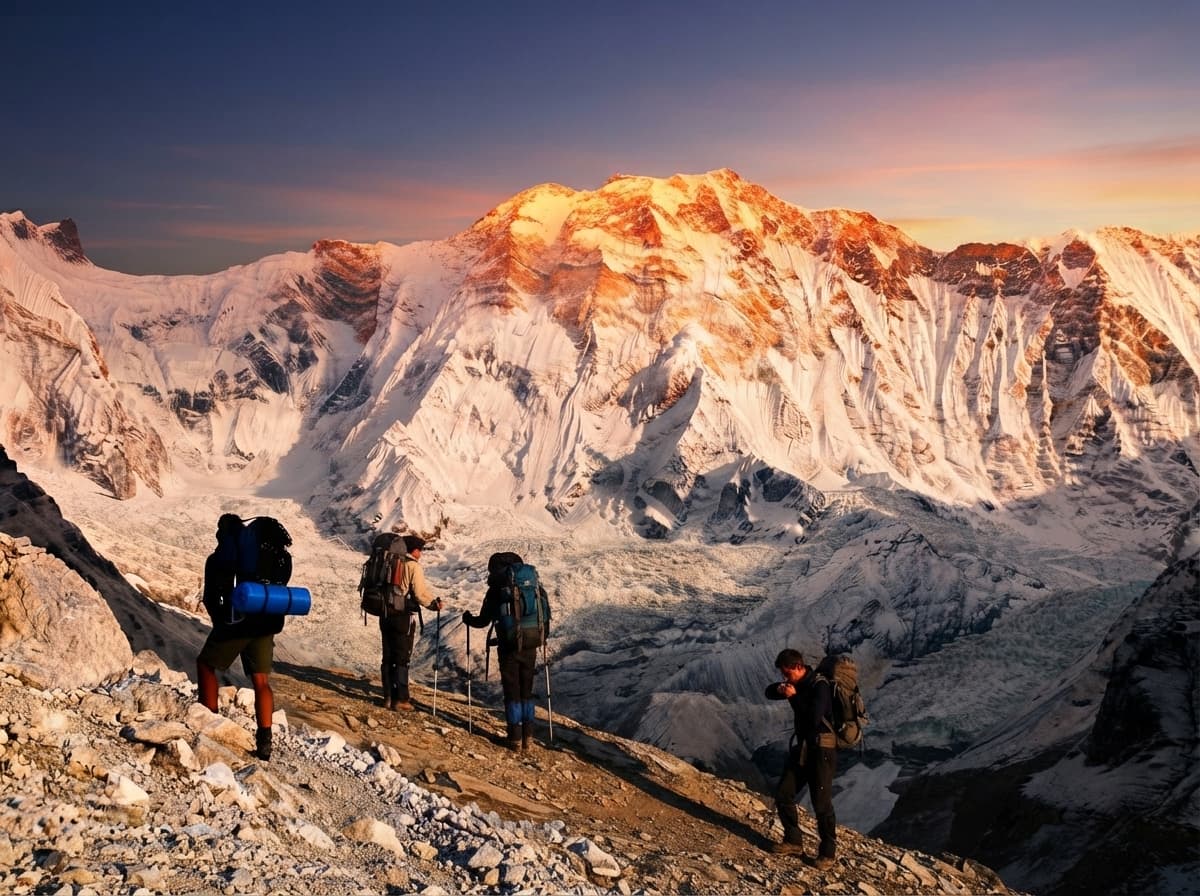
October, on the other hand, offers contrastingly clear skies and is one of the best months to take panoramic photographs of the Himalayas.
However, the opposite side of the coin is that during the monsoon season, flights could be delayed, trails could be muddy, and mountain visibility could be reduced because of the frequent rain.
The beautiful landscape and fewer hikers in the winter season can be a fantastic experience, provided there is some preparation for the cold weather.
To help you, you should pick the right season, you should:
- Enjoy clearer views of Mount Everest and surrounding peaks
- Increase the chances of on-time Lukla flights
- Trek in safer trail conditions
- Pack appropriate clothing and gear
- Match your trekking experience with your travel goals
If you are yet to make your plans for the Himalayas, you can read our Everest Base Camp Trek Itinerary, which details the entire day-to-day trek schedule and everesting what you can expect.
Why Timing Matters for the Everest Base Camp Trek?
When it comes to trekking to Everest Base Camp, there's more to it than just nice weather. The time of year can impact your safety, your trekking experience, mountain views, available accommodation, flight reliability, and even your budget.
The Everest Base Camp trek is not like many trekking trails in Nepal, which are at lower altitudes, and is frequently affected by rapid changes in weather at high altitudes of up to 5,364m (17,598ft).
A clear morning can suddenly turn to snow and high winds later in the day in areas close to Lobuche, Gorak Shep and Kala Patthar.
Every season is different. However, spring is also the season of colors with rhododendron forests and mild weather, and autumn is the season for perfect visibility and crystal clear skies.
The landscape is beautiful and tranquil during the winter months, with fewer people around, while the monsoon season brings lush vegetation, but can also cause more erratic weather and occasional flight delays.
That's why the best time to travel should be based on what you are looking to do and not just which month is most popular.
For example:
- If you're a first-time trekker, spring or autumn offers the most stable weather.
- If you're passionate about photography, autumn provides some of the clearest Himalayan panoramas.
- If you prefer quiet trails and don't mind colder temperatures, winter can be a surprisingly rewarding time to visit.
By knowing what to anticipate, you can select a window for your trekking season that aligns with your expectations and can make your trek safe and enjoyable.
If you are also wondering if the trek is suitable for you as well, our article Is Everest Base Camp Trek Suitable for Beginners will give you an idea of the level of fitness you must have, the hurdles you face, and what to do before you go.
Everest Base Camp Weather Overview
Because of the high altitude, the weather on the Everest Base Camp Trek can change drastically. The adventure starts in Lukla (2860 m) with relatively mild temperatures, which are followed by climbing through Namche Bazaar, Dingboche, Lobuche, Gorak Shep, and finally to the Everest Base Camp (5364 m).
The higher the elevation, the colder the temperatures, the lower the amount of oxygen, and the more erratic the weather.
Weather is one of the most difficult aspects of trekking in the Everest region as it can shift multiple times a day. In the morning, bright sunshine is possible, and in the afternoon it can turn cloudy, snowy or windy – especially at higher altitudes.
Weather by Elevation
| Location | Elevation | Typical Conditions |
| Lukla | 2,860 m | Mild temperatures with occasional rain or cloud cover |
| Namche Bazaar | 3,440 m | Cool mornings, pleasant afternoons, colder nights |
| Tengboche | 3,860 m | Cooler temperatures with frequent mountain views |
| Dingboche | 4,410 m | Thin air, colder nights, increasing wind exposure |
| Lobuche | 4,940 m | Cold temperatures and possible snowfall |
| Gorak Shep & Everest Base Camp | 5,164–5,364 m | Freezing nights, strong winds, rapidly changing weather |
Another vital aspect of the hike that is affected by weather is Lukla flights. The monsoons can bring heavy cloud and poor visibility, which may cause flight delays or cancellations, generally providing better weather for flying during spring and autumn.
No matter the season, it is important to be ready for the conditions by having warm clothes, waterproofs, sun protection, and good boots for trekking. Above 4,000m, temperatures can drop below freezing at night, even in the summer months.
Another factor that should not be downplayed is the altitude. The challenges of the weather increase with altitude, and acclimatisation is necessary for comfort and safety.
When you are getting ready to go on a trek at high altitude, check out our article on How to Avoid Altitude Sickness on High Altitude Treks. It offers you some practical tips, hints, and tricks on acclimatisation, hydration, and the early signs of altitude sickness.
Why Weather Shouldn't Be Your Only Consideration
Although weather plays a major role, it's not the only factor when deciding the best time to trek Everest Base Camp.
The number of people at the event, the number of rooms available, the reliability of the flights, the picture possibilities and your personal trekking goals are also of great importance.
For instance, October has some of the best views of the mountains as well as one of the busiest months on the trail.
December, on the other hand, offers more tranquil trekking conditions and less busy teahouses, but is much colder.
Best Seasons to Trek Everest Base Camp
Spring (March–May): Best for Pleasant Weather & Rhododendron Blooms
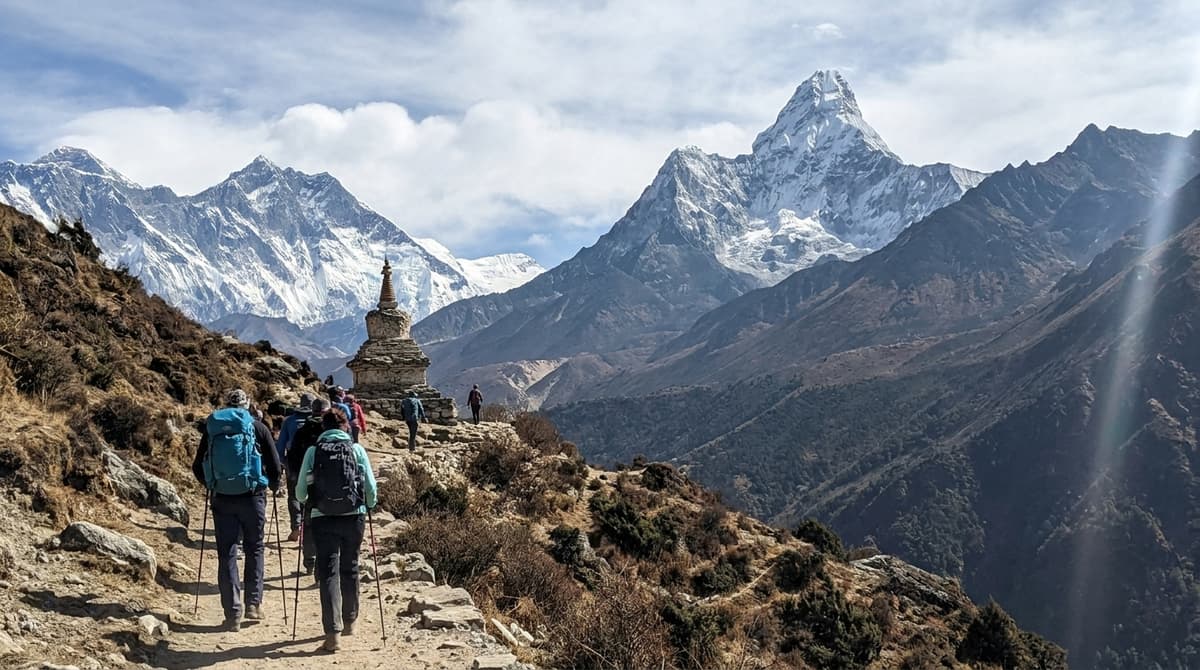
The trek to Everest Base Camp is one of the best to do in the spring. The trails are lush with blooming rhododendron forests, warmer weather, and great mountain visibility during March-May.
It's also the season for trekking to Everest, where you can see the teams preparing for their climb.
The days are pleasant for trekking, and nights are cold at high altitude. Due to the consistent weather conditions, Lukla flights are more reliable than during the monsoon season.
Why Choose Spring?
- Mild daytime temperatures
- Blooming rhododendron forests
- Excellent views of Everest and surrounding peaks
- Stable trekking conditions
- Opportunity to experience Everest expedition season
Suitable for: Novices to trekking, photographers, nature enthusiasts.
If you're planning a spring adventure, our guide to Why Choose Everest Base Camp Trek in March? explains what to expect from weather, trail conditions, and mountain views early in the season.
Autumn (September–November): Best Overall Trekking Season
It is considered to be the best time to trek to Everest Base Camp in autumn. Following the monsoon, the air is clean, the skies are very clear, and the mountain vistas are best.
This is due to these conditions and makes autumn the preferred season for trekking in the Everest region.
Dry and stable weather with good visibility along the way. The trails and teahouses are busier than in the other seasons, but the spectacular views and comfortable trekking conditions make it worthwhile.
Why Choose Autumn?
- Crystal-clear mountain views
- Stable weather and dry trails
- Ideal temperatures for trekking
- Excellent photography opportunities
- High availability of trekking services
Best for: People who want the best all-around experience of Everest Base Camp.
If you still aren't sure whether you're up to the task, then check out How Difficult is the Everest Base Camp Trek? to get a feel for the fitness level, the challenges of altitude, and how to prepare.
Spring vs Autumn: Quick Comparison
| Feature | Spring (Mar–May) | Autumn (Sep–Nov) |
| Weather | Stable & Mild | Dry and very stable |
| Mountain Views | Excellent | Outstanding |
| Trail Conditions | Good | Excellent |
| Crowd Level | Busy | Busiest |
| Photography | Good | Good |
| Best For | Nature lovers & first-time trekkers | Best overall trekking experience |
Which Season Should You Choose?
Choose spring if you enjoy blooming landscapes, pleasant temperatures, and the excitement of Everest climbing season. Choose autumn if your priority is crystal-clear mountain views, dry trails, and the most reliable trekking conditions.
Winter (December–February): Best for Solitude and Snowy Landscapes
Winter (December-February): Best for Solitude and Snowy Landscapes
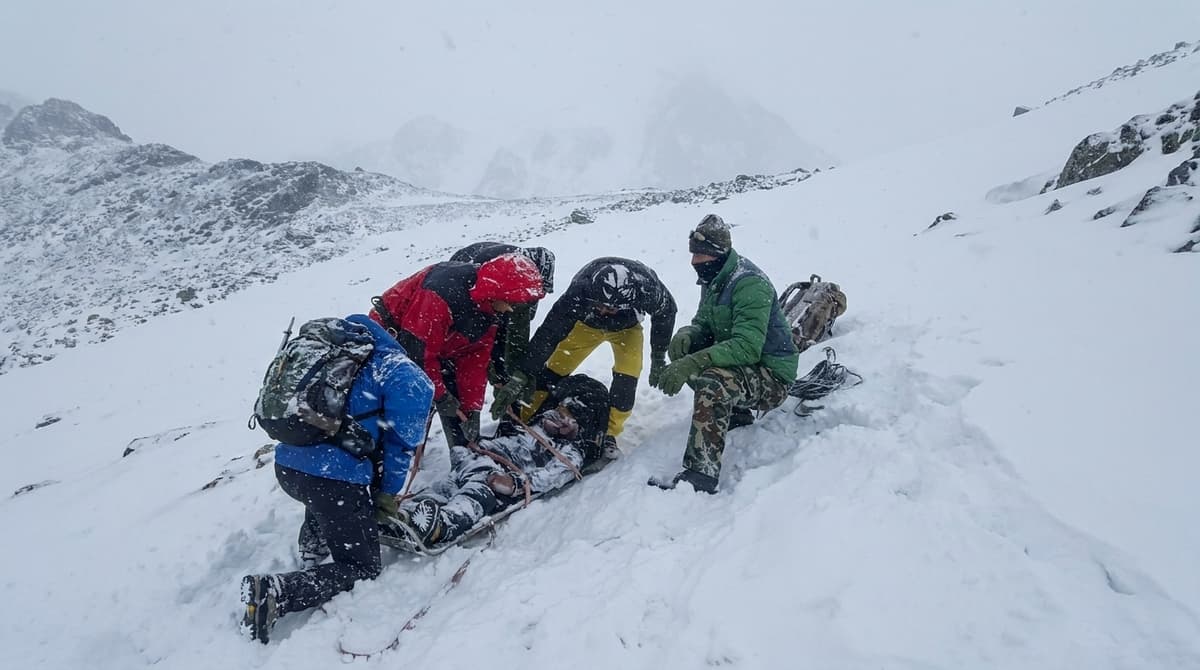
The winter season at EBC is altogether different. The trails are less crowded, the mountain vistas are often clear, and snow-covered areas produce breathtaking scenery. Temperatures may, however, be well below the freezing point, particularly above 4,000 m.
While it's important to be prepared for trekking in winter and to wear suitable clothing, some people prefer to trek during this season to avoid the crowds and have a more solitary and peaceful journey in the Himalayas.
Why Choose Winter?
- Quiet trails and fewer trekkers
- Excellent mountain visibility
- Beautiful snow-covered landscapes
- Peaceful teahouse experience
Best for: Advanced and experienced hikers and travelers who prefer solitude.
If you're considering a winter adventure, read Everest Base Camp Trek in Winter to learn about weather conditions, packing tips, and what to expect on the trail.
Monsoon (June–August): Best for Budget Travelers and Quiet Trails
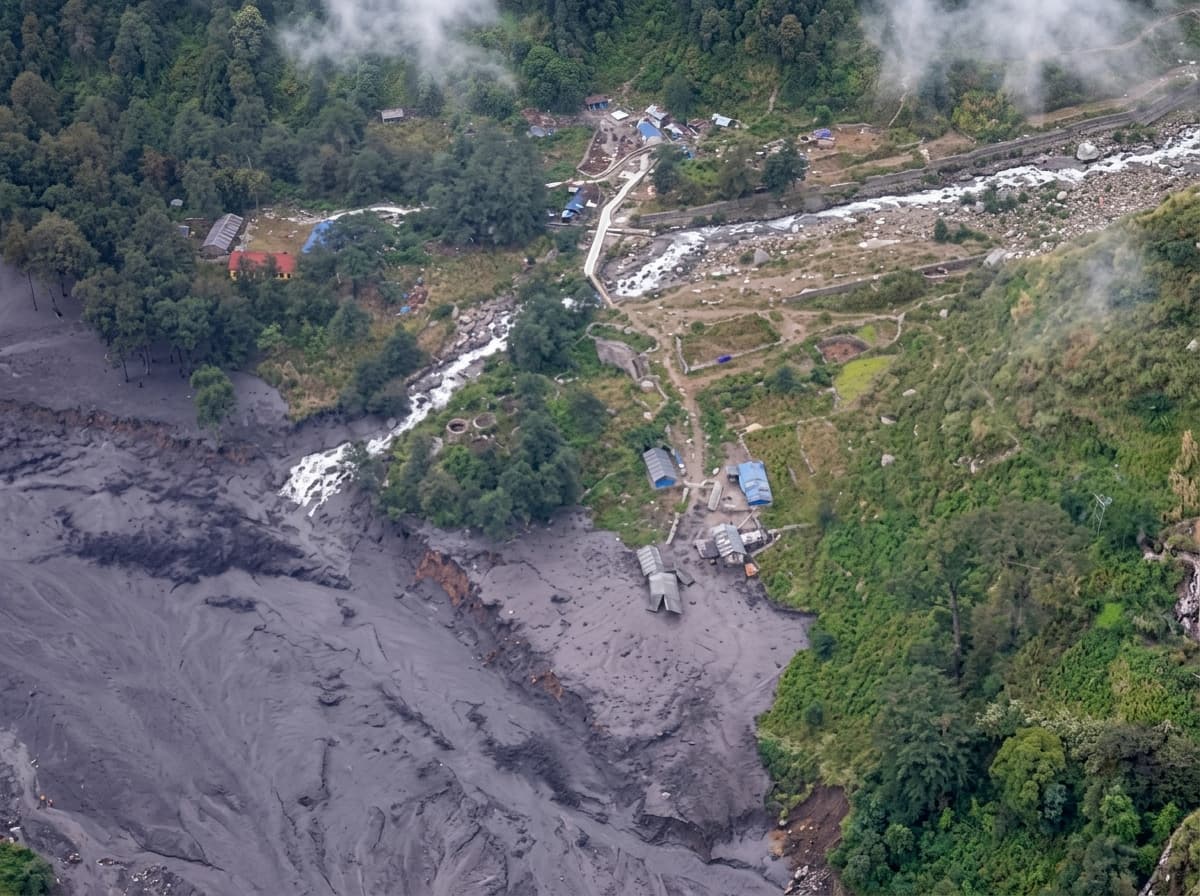
The monsoon season is the least popular time to trek to Everest Base Camp, because of the frequent and heavy downpour, cloudy weather, and the possibility of delays in flights to Lukla. There are of course some good points as well.
Trails tend to be quieter, hills are lush and green, and places to stay are often easier to locate. The amount of rainfall tends to be greater at lower altitudes, and the upper Khumbu area receives relatively little.
Why Choose Monsoon?
- Fewer trekkers
- Greener landscapes
- Easier accommodation availability
- Peaceful trekking experience
Best for: Advanced trekking enthusiasts who aren't afraid of the elements.
Everest Base Camp Trek by Month
| Month | Trekking Conditions | Recommendation |
| January | Cold with clear skies | Good for experienced trekkers |
| february | Cold but improving weather | Good |
| March | Mild weather and blooming forests | Excellent |
| April | Stable weather and great visibility | Excellent |
| May | Warm with Everest expeditions | Very Good |
| June | Start of monsoon | Fair |
| July | Wet and cloudy | Moderate |
| August | Rainy with fewer crowds | Moderate |
| September | Fresh air after monsoon | Excellent |
| October | Clear skies and ideal conditions | Best Month |
| November | Cool and stable weather | Excellent |
| December | Cold with fewer trekkers | Very Good |
Expert Tip: If you want the best combination of weather, visibility, and trail conditions, October is generally considered the best month to trek Everest Base Camp, followed closely by April.
Which Month Should You Choose?
- March–May: Best for pleasant temperatures and blooming landscapes.
- September–November: Best for clear skies and panoramic mountain views.
- December–February: Best for fewer crowds and snowy scenery.
- June–August: Best for travelers seeking quieter trails and lower demand, despite less predictable weather.
Planning your budget is just as important as choosing the right season. Our guide on How Much Does Everest Base Camp Trek Cost explains the major expenses, helping you prepare for your trek regardless of when you visit.
Which Season Is Right for You?
Not every trekker has the same goals, so the best time to trek Everest Base Camp depends on the experience you're looking for.
| Traveler Type | Best Season |
| First-time trekkers | Spring or Autumn |
| Photographers | Autumn |
| Budget travelers | Winter or Monsoon |
| Nature lovers | Spring |
| Experienced trekkers | Winter |
| Travelers seeking fewer crowds | Winter or Monsoon |
No matter when you choose to visit, proper preparation is key to enjoying a safe and memorable trek.
Everest Base Camp Temperature Overview
| Season | Daytime | Nighttime |
| Spring | 10°C to 15°C | -5°C to -10°C |
| Summer (Monsoon) | 12°C to 18°C | 0°C to 5°C |
| Autumn | 8°C to 15°C | -5°C to -10°C |
| Winter | -5°C to 5°C | -15°C to -20°C |
Conclusion
The most suitable time to trek towards Everest Base Camp is based on the individual's preference.
- Choose spring (March–May) for blooming landscapes and comfortable temperatures.
- Choose autumn (September–November) for the clearest mountain views and the best overall trekking conditions.
- Choose winter for peaceful trails and snowy scenery.
If you're ready to experience one of the world's most iconic trekking adventures, explore our Everest Base Camp trekking package for detailed itineraries, expert local guides, and flexible departures.
You can also check the best Everest base camp trek route for yourself before booking, according to your fitness, travel style, and time.
Frequently Asked Questions
1. What is the best month to trek Everest Base Camp?
October is the most popular month because of the clear skies, the weather and the fantastic mountain views.
2. Is April a good time for the Everest Base Camp Trek?
Yes. April is a nice month with mild weather and plenty of rhododendrons as well as great trekking weather.
3. Can beginners trek to Everest Base Camp?
Yes. Beginners are able to do the trek successfully with good fitness, proper acclimatization, and a well-planned itinerary.
4. Is the Everest Base Camp Trek possible during the monsoon?
Yes, but don't anticipate sunny days or dry skies or lack of delays to Lukla flights.
5. What is the temperature at the base camp of the EBC?
The nights are cold at higher altitudes, generally around -20°C in winter.