How to Choose the Best Everest Base Camp Trek Route: A Complete Route Comparison
The Everest Base Camp Trek route is not just limited to one trail. From classic EBC trek trail to adventurous three pass or Gokyo lake, this trekking in Nepal offers trekkers several routes to choose from.
Would you like to experience the famous and classic EBC through Lukla? Are you looking for the demanding "Triple Crown" challenge of the Three Passes or the turquoise tranquility of the Gokyo Lakes? Maybe you prefer the time-saving luxury of a helicopter return, or the historic, high-acclimatization walk-in from Jiri. No matter what your preference and trekking style is, the Everest region can undoubtedly offer you a once-in-a-lifetime experience.
Why Choosing the Right Everest Base Camp Trek Route Matters
Every trekker has different preferences, tastes, and physical fitness. Likewise, the meaning of best in terms of the EBC trail may not be the same for every trekker. Not all trekkers want the same experience.
Some trekkers may enjoy the thrill of climbing the high, formidable passes, while some may enjoy more of easy and scenic trekking. Furthermore, the standard EBC route is shorter and much more crowded in comparison to other routes. In terms of difficulty, the Everest Three Passes Trek is much more challenging due to its high altitude and rugged terrain.
Hence, the Everest Base Camp trek itinerary comparison is necessary to decide the right route for trekkers. Similarly, this will not help with choosing your ultimate trail for adventure, but it will actively contribute to the cost, duration, difficulty, and overall experience.
Comparison of the Route Everest Base Camp Trek at a Glance
| Route | Classic Everest Base Camp Trek | Everest Base Camp Trek with Gokyo | Three Pass Everest Base Camp Trekking | Trekking to Everest Base Camp Via Jiri |
| Duration | 12-15 Days | 15-18 Days | 17-20 Days | 21-23 Days |
| Difficulty | Moderately Challenging | Challenging | Challenging | Moderately Challenging |
| Highlights | Lukla flight, Namche Bazaar, Tengboche Monastery, Everest Base Camp, Kala Patthar | Gokyo Lakes, Gokyo Ri, Cho La Pass, Everest Base Camp, glacier views | Kongma La, Cho La, Renjo La, Gokyo Lakes, Everest Base Camp, panoramic high-pass views | Traditional approach route, lower Solu villages, gradual altitude gain, richer local culture |
| Distance | 130 km | 150 km | 166 km | 186 km |
| Crowds | High | Moderate | Low | Low |
Overview of the Different Mount Everest Base Camp Trek Route
1. Classic Everest Base Camp Trek
One of the world's most famous high-altitude trek is still the Classic Everest Base Camp (EBC) Trek. In this journey, the trail meanders through the heart of the Khumbu region, following the busy Sherpa hub of Namche Bazaar. Passing by the spiritual center of Tengboche Monastery and traversing the alpine meadows of Dingboche, you’ll arrive at the highest settlement areas in Gorak Shep.
The thin air as you approach the base camp at 5,364 meters and the best vista of Kala Patthar at 5,545 meters make the physical difficulty moderate to intense. It is the best route for first-time Himalayan trekkers due to its well-established teahouse infrastructure and well-defined acclimatization timetables. The breathtaking glacier scenery, the rich Sherpa culture, and the unmatched accomplishment of being at the base of the highest peak in the world will all be perfectly combined.
Everest Base Camp Trek Itinerary
Day 1: Arrive in Kathmandu (1345m/4412 ft)
Day 2: Fly to Lukla and trek to Phakding (2886m/9468 ft)
Day 3: Trek to Namche Bazaar (3440m/11286 ft)
Day 4: Rest day at Namche Bazar for acclimatization and excursion around
Day 5: Trek to Tengboche (3867m/12687 ft) - 5 to 6 hours
Day 6: Trek to Dingboche (4260m/13976 ft)
Day 7: Rest at Dingboche for acclimatization
Day 8: Trek to Lobuche (4930m/16174 ft) Via Dongla (4620m/15157 ft)
Day 9: Trek to Everest Base Camp (5364m/17598 ft) and to Gorakshep (5180m/16994 ft)
Day 10: Trek to Kala Patthar (5545m/18192 ft) and to Pheriche (4243m/13920 ft)
Day 11: Trek to Namche (3440m/11286 ft)
Day 12: Trek to Lukla
Day 13: Fly to Kathmandu
Day 14: Kathmandu Sightseeing
Day 15: Departure
2. Everest Base Camp Trek via Gokyo Lakes
A high-end alternative for the conventional route, the Everest Base Camp Trek via Gokyo Lakes offers a broad, high-altitude exploration in exchange for a direct ascent. This is probably one of the best ways to enjoy the scenic beauty of the Khumbu region.
Following the main trail to Namche Bazaar, the journey starts with the traditional flight to Lukla (2,860m). But you turn northwest into the tranquil Gokyo Valley rather than going on toward Everest. Arriving at the Gokyo valley, you’ll witness the beauty of the revered blue Gokyo lakes before reaching the peak of Gokyo Ri. Afterwards, you take on the adventure of the trek by passing the high-altitude Cho La Pass (5,420m). By returning to the main EBC trail at Lobuche via this technical crossing, you can reach Kala Patthar (5,545m) and Everest Base Camp (5,364m) before descending.
Gokyo Ri Cho La Pass Everest Base Camp Trek Itinerary
Day 1: Arrival in Kathmandu (1400m/4593 ft)
Day 2: Kathmandu sightseeing and trip preparation
Day 3: Fly to Lukla (2800m/9186 ft) and trek to Phakding (2640m/8661 ft)
Day 4: Trek to Namche Bazaar (3440m/11286 ft)
Day 5: Acclimatization day in Namche Bazaar
Day 6: Trek to Phortse Thanga (3600m/11811 ft)
Day 7: Trek to Machhermo (4470m/14665 ft)
Day 8: Trek to Gokyo (4750m/15583 ft)
Day 9: Explore Around Gokyo and trek to Gokyo Ri (5360m/17585 ft)
Day 10: Trek to Thangma (4765m/15633 ft)
Day 11: Trek to Dzongla (4840m/15879 ft) via Cho La Pass (5420m/17782 ft)
Day 12: Trek to Lobuche (4930m/16174 ft)
Day 13: Trek to Gorek Shep (5190m/17027 ft) and visit Everest Base Camp (5364m/17598 ft)
Day 14: Trek to Kala Patthar (5545m/18192 ft) and trek to trek to Lobuche (4930m/16174 ft)
Day 15: Trek to Tengboche (3870m/12696 ft)
Day 16: Trek to Khumjung (3780m/12401 ft)
Day 17: Trek to Phakding (2640m/8661 ft)
Day 18: Trek to Lukla (2800m/9186 ft)
Day 19: Fly to Kathmandu (1400m/4593 ft)
Day 20: Free day in Kathmandu
Day 21: Departure
3. Jiri to Everest Base Camp Trek
Everest Base Camp Trek via Jiri is the traditional route before the Kathmandu-Lukla Flight was introduced in Nepal. While most modern trekkers fly into Lukla, this route offers a deeper, more authentic connection to the land and its people.
The trip starts with a picturesque 8–9-hour drive from Kathmandu to Jiri. After that, you go through the lower Solu region for about multiple days before connecting with the main trail of EBC at Phakding. Before joining the main trail, you’ll pass by many Sherpa villages while pushing yourself through a relentless series of high ridges and deep river valleys. Now following the classic trail, you’ll pass by areas like Namche, Tengboche, Dingboche, and Gorakshep before making the final push to the base camp.
Jiri Everest Base Camp Trek Itinerary
Day 1: Kathmandu to Jiri (1,905m)
Day 2: Jiri to Shivalaya (1,770m)
Day 3: Shivalaya to Bhandar (2,190m)
Day 4: Bhandar to Sete (2,575m)
Day 5: Sete to Junbesi (2,670m)
Day 6: Junbesi to Nunthala (2,190m)
Day 7: Nunthala to Bupsa (2,360m)
Day 8: Bupsa to Surke (2,290m)
Day 9: Surke to Phakding (2,610m)
Day 10: Phakding to Namche Bazaar (3,440m)
Day 11: Acclimatization in Namche Bazaar
Day 12: Namche Bazaar to Tengboche (3,860m)
Day 13: Tengboche to Dingboche (4,410m)
Day 14: Acclimatization in Dingboche
Day 15: Dingboche to Lobuche (4,910m)
Day 16: Lobuche to Gorak Shep (5,164m) & Everest Base Camp (5,364m)
Day 17: Gorak Shep to Kala Patthar (5,545m) & Pheriche (4,240m)
Day 18: Pheriche to Namche Bazaar (3,440m)
Day 19: Namche Bazaar to Lukla (2,860m)
Day 20: Lukla to Kathmandu
Day 21: Buffer Day in Kathmandu
4. Everest Base Camp Trekking with Three Passes
The Three Pass Everest Base Camp Trek starts after taking a flight from Kathmandu to Lukla. In the initial stretch of the trek, you'll start trekking to Namche Bazaar, which is the first acclimatization stop. Leaving behind the bustling Namche, you’ll make your way towards the villages like Thame and Lungden. Bow, its time to cross your first formidable mountain pass, Renjola pass. After successful ascent of the Renjola Pass, you move towards the Gokyo Valley.
The views of the emerald Gokyo lakes and panoramic Himalayan views from Gokyo Ri are to die for. As the trek progresses, you have to make your climb over the Cho La Pass, which leads you towards the Everest Base Camp. After the base camp, your trek makes the final push as you come across the huge challenge of Kongma La Pass. After making victory over this highest pass in your journey, you’ll descend towards Chhukhung and finally towards Tengboche, Namche, and Lukla.
Day-to-Day Short Itinerary
Day 1- Arrival in Kathmandu
Day 2- Flight from Kathmandu/Manthali to Lukla and trek to Phakding (2,650 m).
Day 3- Trek from Phakding to Namche Bazaar (3,440 m).
Day 4- Rest day to acclimatize at Namche Bazaar
Day 5- Trek from Namche Bazaar to Thame (3750m).
Day 6- Trek from Thame to Lungden (4,500m).
Day 7- Trek from Lungden to Gokyo Lake (4,750m) via Renjola Pass (5,446m).
Day 8- Rest day to acclimatize at Gokyo. Early morning at Gokyo Ri (5,400m)
Day 9- Trek from Gokyo to Thangnak (4,700m).
Day 10- Trek from Thangnak to Dzongla (4,855m) via Cho La Pass (5420m).
Day 11- Trek from Dzongla to Lobuche (4,910m).
Day 12- Trek from Lobuche to Everest Base Camp and back (5,364m) to Gorak Shep (5,185m).
Day 13- Hike to Kala Patthar Viewpoint (5,555m), trek to Lobuche (4,910m).
Day 14-Trek from Lobuche to Chhukung (4,730m) via Kongma La Pass (5,535m).
Day 15-Trek from Chhukung to Tengboche (3,855m).
Day 16-Trek from Tengboche to Namche Bazaar (3,440m).
Day 17- Trek from Namche Bazaar to Lukla (2,850m).
Day 18- Fly back to Kathmandu/ Manthali from Lukla.
Day 19- Free day in Kathmandu
Day 20- Departure
Key Factors To Determine the Best Everest Base Camp Trek Route
Altitude and Acclimatization
The standard EBC route follows the step-by-step altitude profile. At the start of the trek, the major altitude jump is flying to Lukla(2886 m). After that, our Everest Base Camp 15 day itinerary follows the rhythmic climb-high-sleep-low pattern with acclimatization days in Namche Bazaar and Dingboche. The maximum altitude is at the base camp(5,364m) and Kalapatthar.
Taking the route via Gokyo Lakes offers trekkers slightly more lateral movement with diversion through the Gokyo valley. The progression of the trek peaks at two major points. One at the Gokyo Ri(5,360m) and the other at the Cho La Pass (5,420m) when you are joining the main base camp trail.
The most taxing Everest Base Camp Trek route in terms of altitude is EBC with three passes. In this journey, you have to spend several days above 5000 m, where the oxygen level is low. You have to tackle Kongma La Pass(5,535m) which is the highest pass among the three of them. Then comes the Cho La Pass with an altitude of 5,420m, and finally the Renjo La Pass (5,360m).
Another Everest Base Camp Trek route map that follows the rhythmic altitude profile is the EBC trekking via Jiri. Similar to the main trail of the EBC trek, you’ll spend days following the golden rule of climb high and sleep low. As you reach the peak of the trek, you’ll make the final push by trekking to base camp and Kala Patthar (5,545m).
Crowd Density
When it comes to various Everest region trekking routes, the crowd density can be measurable. Even during the best time for trekking, autumn and spring, you can feel the crowd difference on the trail and teahouses. Being the mainstream trekking route, the Lukla to Everest Base Camp trek route hosts a large number of trekkers. Even though comparatively the number of trekkers on the Gokyo trail is lower than that of the main trail, it still hosts more trekkers than the three pass and Jiri trail.
Difficulty Level
When it comes to difficulty, the moderate trek is the standard trekking route to Everest Base Camp Trek. The main challenge of the trek lies in the altitude and the final push on the rocky glacier moraine from Gorak Shep to the base camp. This is the most feasible trail when it comes to the best Everest Base Camp Route for beginners.
Moving forward to the Everest Gokyo Trek, you can find a variety with increased toll on physical and mental fitness. You have to navigate the Ngozumpa Glacier, which has shifting rocks and loose debris. On top of that, you have to hike to Gokyo Ri and Cho La Pass in a span of two to three days, which is highly taxing.
Now the difficulty level of the EBC Trek has increased significantly to a strenuous trek when it comes to the Three Passes Everest Trekking. With slippery glaciers, high might mountain passes, massive boulder fields, and steep scree slopes, this trek will truly test all your endurance and wits.
Like the main EBC trail, the trekking to Everest Base Camp via Jiri is also moderately challenging. Instead of flying directly to Lukla, you have to make your way through the constant ups and downs of the lower Solu region. Likewise, walking continuously for 20 days is a test of longevity and patience. It can take a great toll on your joints, muscles, and stamina.
Distance and Duration
The standard EBC trek is one of the direct routes that will cover approximately 130 km for a round trip from Lukla. This route typically will take around 12- 15 days to complete, including the necessary acclimatization days.
Similarly, another Everest Base Camp route options with a little diversion is the Jiri to Everest Base Camp Trek. This journey will take about 21-23 days, covering about 185 km in total. Unlike the standard EBC trek, you will start trekking from lower elevation villages like Bhandara and Jun Beshi until you reach Phakding. That's when your trail will officially join the classic Mount Everest Base Camp trekking route.
For trekkers who want more exclusive vistas with the emerald Lakes, the Everest Base Camp Trek via Gokyo will take around 15-18 days. You will cover approximately 150 km over the span of 18 days.
Lastly, the Three Passes Everest Base Camp Trekking is a circuit loop following the trail joining the three high passes and the ultimate base camp. This trek will take you about 17-21 days to complete, where you'll cover about 166 km in total.
Costing and Budget
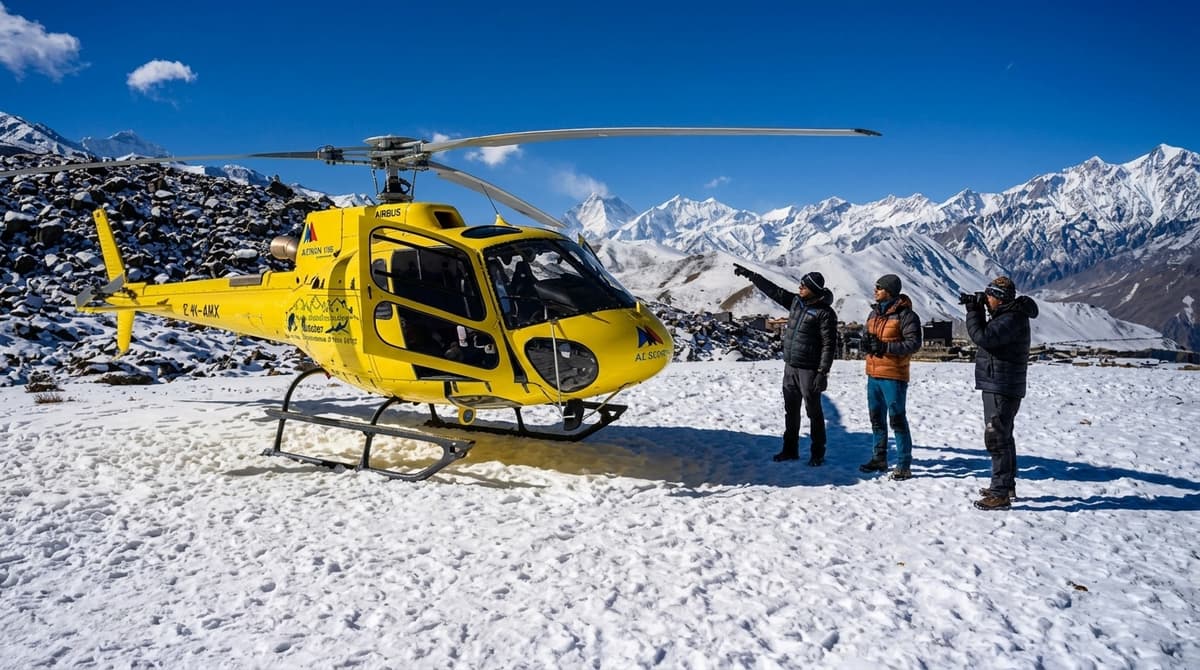
Everest Base Camp Trek cost highly depends on the duration, services, and itinerary you choose. In comparison, the classic EBC trek is can range around $1100 – $3000 per person. This cost can increase if you choose a more luxurious Everest Base Camp trek package, like a return via helicopter. Likewise, the cost for the Gokyo trek, and trek via Jiri or Three passes can be slightly higher due to duration and logistics.
How to Choose the Best Everest Base Camp Trek Route for You
Choose the standard Everest Base Camp Trekking route if;
- You are a first time trekkers who want to experience the majesty of the Everest trek
- Trekker with a good level of physical and mental fitness
- Any trekker who wants a budget-friendly trek
- Individuals who are planning a solo trek in Nepal
- Trekker who has a time of about 2 weeks.
Choose the Everest Base Camp Trek with Gokyo option if:
- You want solititude and tranquility on the trail
- Trekker who wants to experience the scenic and diverse route
- Any individual who wants to immerse themselves in the beauty of Gokyo Lakes
- Trekker with reasonable fitness
- Have extra time for a longer itinerary
- Trekker looking for a trek with added adventure and challenge
Choose the Three Pass Everest Trekking route if:
- You want the most adventurous and challenging Everest trekking experience
- Trekker has reasonable physical fitness and mental resilience to cope with the difficulties
- Prefer a complete Everest region circuit rather than a straightforward out-and-back trail
- Want to cross three high mountain passes, Kongma La, Cho La, and Renjo La
- Don’t mind longer trekking days, steeper ascents, and high-altitude difficulty
- Want fewer crowds on certain sections compared to the classic EBC route
- Trekker looking for the ultimate Everest challenge with maximum scenery and variety
Choose the Jiri Everest Base Camp Trek if:
- Trekkers want a classic and culturally immersive approach to Everest Base Camp
- Prefer to avoid flights to Lukla and start the journey overland
- Have more time for a longer trek with gradual altitude gain
- Want better acclimatization compared to flying directly into Lukla
- Enjoy less crowded trails and a more off-the-beaten-path experience
- Are interested in seeing more local villages, terraced hills, and lower Solu region landscapes before entering the high Himalayas
- Don’t mind a longer and more physically demanding itinerary in exchange for deeper cultural and scenic variety
The greatest Everest Base Camp trek route is a personal choice that is solely based on you as a trekker. The ideal adventure is a balance of your available time, level of physical fitness, and budget rather than a single perfect route. And with Mountain Adventure Trekking Pvt Ltd, you can not only choose from our packages, but can customize your own Everest base camp 12 days itinerary, Everest base camp 14 days itinerary.
Ready to trek to Everest Base Camp? Discover our guided Everest Base Camp trekking packages and find the route that suits you best. Contact us now.