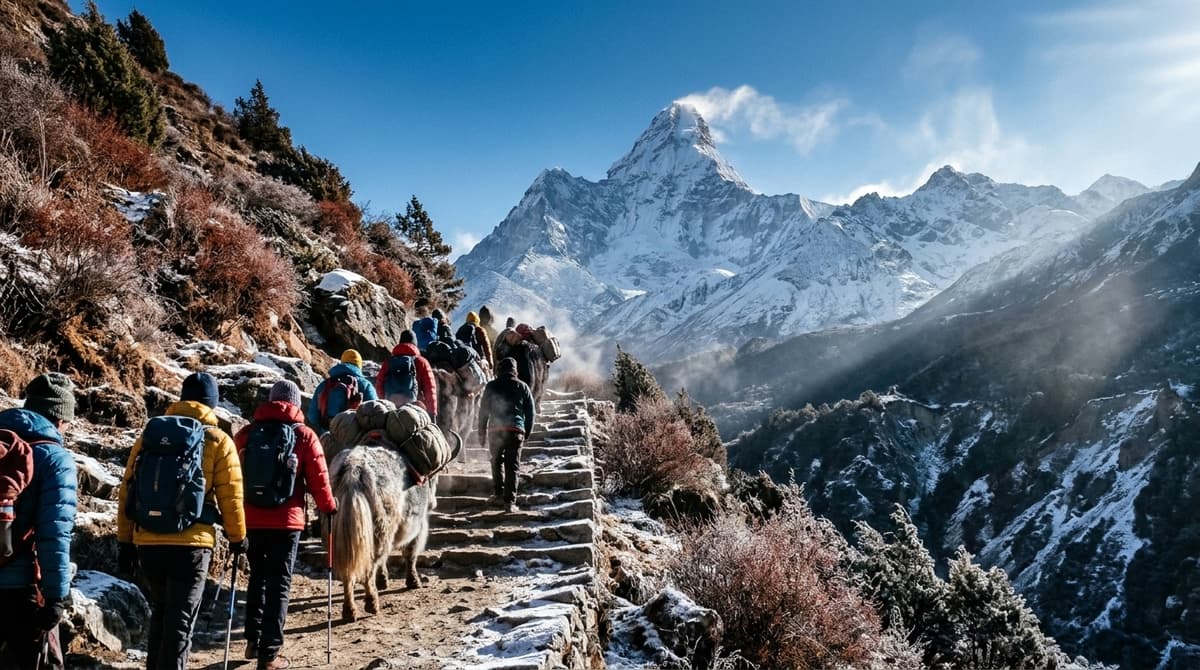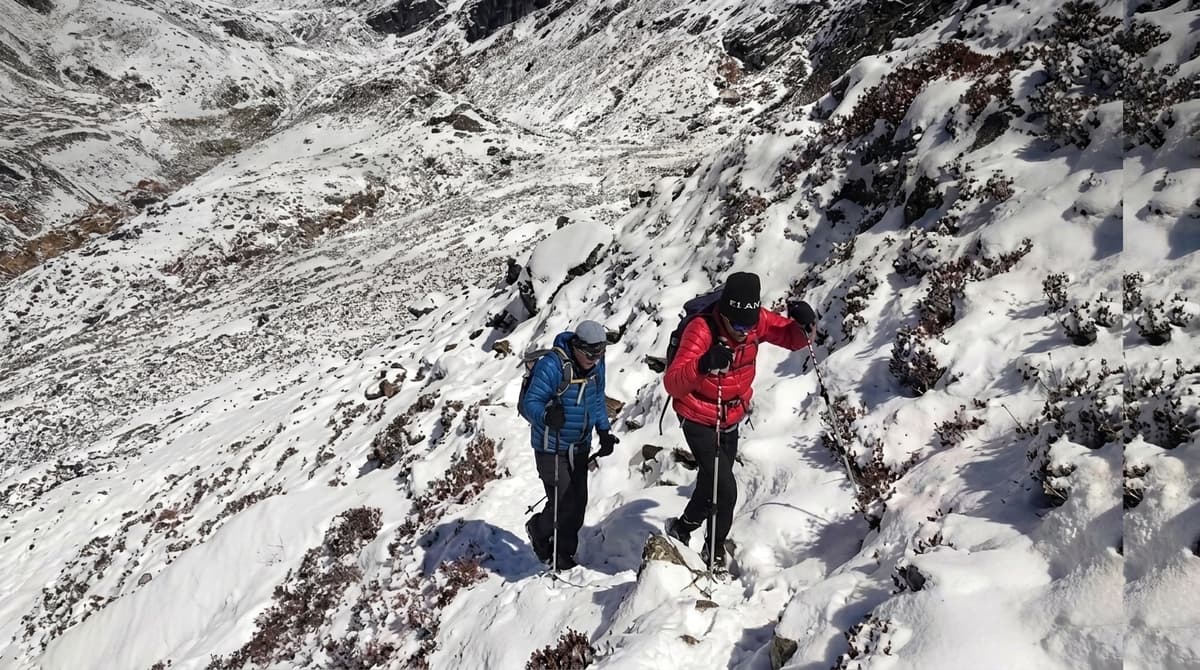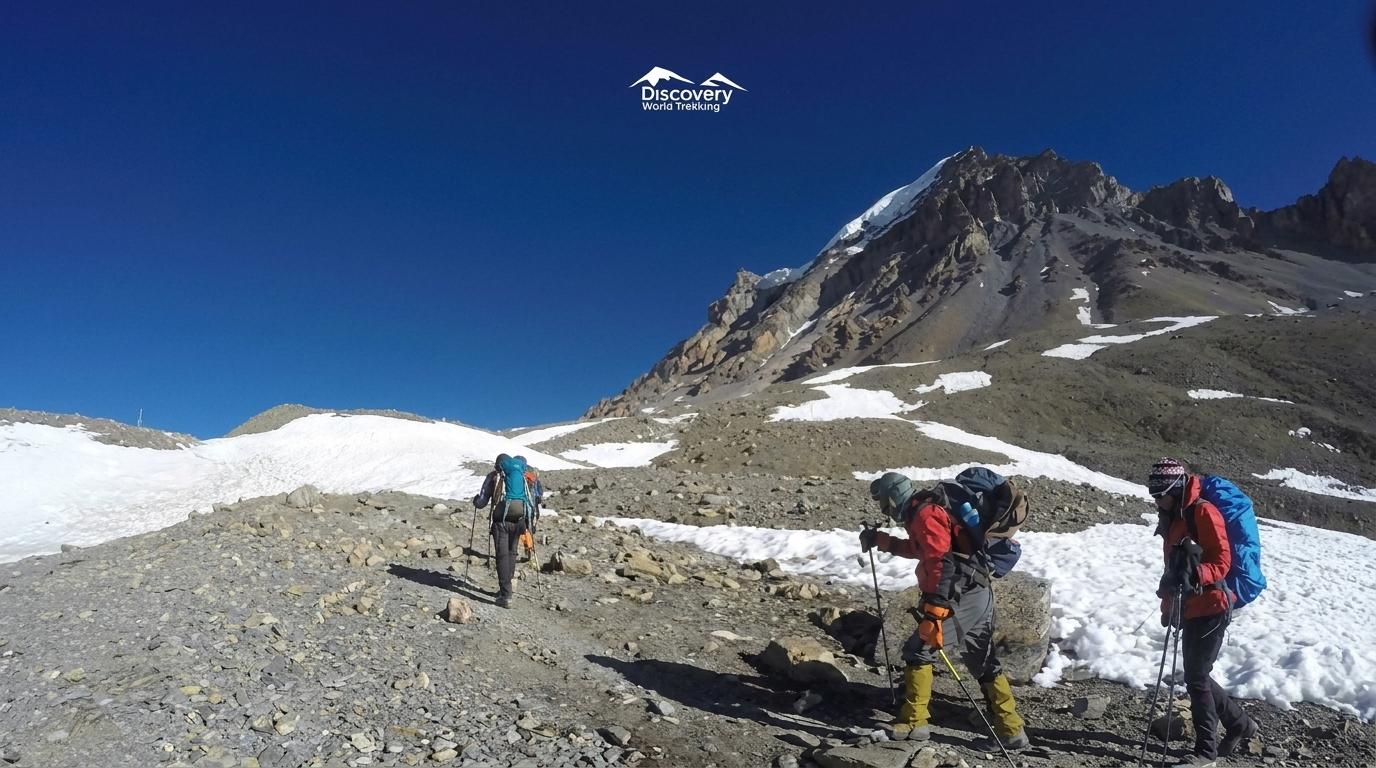
How to Prepare for the Annapurna Circuit Trek in 2027: Training, Fitness & Essential Tips
Preparing for the Annapurna Circuit requires conditioning for two distinct challenges: sustained cardiovascular endurance across 12 to 16 consecutive walking days, and acute altitude exposure culminating at the 5,416-meter Thorong La Pass. Successful preparation combines an 8-to-12-week stair and weighted pack regimen, disciplined hydration and acclimatization pacing in Manang (3,540m), and dual-climate packing capable of handling subtropical valley heat (+25°C) and sub-zero pass crossings (-20°C). Unlike short foothill hikes, the Circuit is an endurance marathon where mental pacing matters just as much as leg strength.
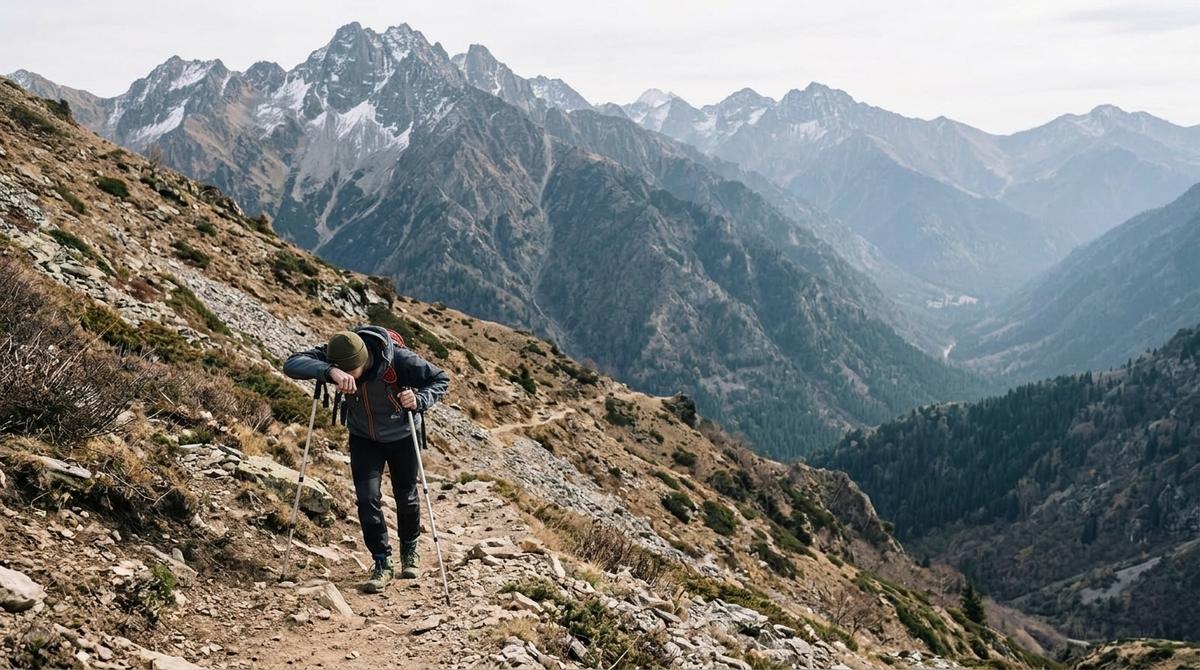
Every season at Thorong Phedi or High Camp, you can spot the trekkers who prepared for a casual holiday hike versus those who trained for a high Himalayan crossing.
The ones who didn't train are slumped over lukewarm lemon tea at 4:30 PM, shivering in cotton hoodies, clutching throbbing foreheads, and wondering how they will muster the stamina to climb 1,000 vertical meters at 3:00 AM the next morning. Meanwhile, the trekkers who built an aerobic base and respected the altitude curve are calmly organizing their headlamps, checking their crampons, and enjoying a second plate of dal bhat.
The Annapurna Circuit (160 to 230 kilometers depending on your start point and side detours) is not a mountaineering climb with ropes or ice axes. It is a long, undulating walking route. But crossing a 5,416-meter pass after ten days of cumulative physical fatigue demands serious, purposeful preparation.
Below is the field-tested preparation blueprint we give our expedition clients for the 2027 trekking season — covering fitness, altitude physiology, layering logistics, and trail psychology.
Annapurna Circuit Preparation — Key Metrics at a Glance
Metric / Dimension | Specification | What It Means for Your Prep |
| Total Route Duration | 12 to 16 walking days | Demands sustained stamina rather than quick burst power. |
| Crux Elevation | 5,416 meters (17,769 ft) at Thorong La | Severe altitude. Oxygen levels are roughly 50% of sea level. |
| Average Daily Distance | 12 to 18 km per day | 5 to 7 hours of moving time with a daypack. |
| Temperature Spread | +25°C (lower valleys) to -20°C (pass pre-dawn) | Requires a technical 3-layer modular wardrobe. |
| Training Window | 8 to 12 weeks minimum | Focus on zone-2 cardio, loaded hill walking, and stair intervals. |
| Acclimatization Hub | Manang (3,540 meters) | Non-negotiable mandatory rest and active-acclimatization day. |
Physical Training: The 12-Week Progressive Endurance Plan
You do not need to be an ultra-marathoner to complete the Annapurna Circuit, but you do need resilient connective tissue, fatigue-resistant quadriceps, and an efficient aerobic engine.
The biggest mistake gym-goers make is focusing on heavy squats and high-intensity interval training (HIIT). Thorong La Pass does not care about your one-rep max. It cares about whether your heart and lungs can steadily move your body uphill for six hours straight at an altitude where every breath delivers half the oxygen you are accustomed to.
Weeks 1 to 4: Aerobic Base & Tendon Resilience
Goal: Build low-intensity cardiovascular capacity and adapt knees and ankles to uneven load.
- Low-Intensity Steady State Cardio (Zone 2): 3 sessions per week (45 minutes each). Jogging, incline treadmill walking, rowing, or cycling. Keep your heart rate at a conversational pace (roughly 60% to 70% of max). If you cannot speak a full sentence without gasping, slow down.
- Eccentric Leg Strength: 2 sessions per week. 3 sets of 15 bodyweight step-downs from a box, 3 sets of 20 calf raises on a stair edge, and 60-second wall sits. This conditions the patellar tendon for long downhill descents.
- Core & Posture: Planks (3 × 45 seconds), bird-dogs, and suitcase carries using a dumbbell to train spine stabilization while walking.
Weeks 5 to 8: Vertical Volume and Weighted Rucking
Goal: Teach your stabilizing muscles to handle a loaded daypack on continuous ascents.
- Stair Climber or Hill Repeats: 2 sessions per week (45 to 60 minutes). Find a stadium, parking garage, or gym stairmill. Wear a backpack weighted to 5 kg (11 lbs). Step at a steady, rhythmic pace (45–55 steps per minute). Avoid leaning forward onto the machine handrails.
- The Long Weekend Ruck: 1 day per week. Hike on unpaved outdoor trails for 3 to 4 hours with a 6 kg to 8 kg pack. Wear the exact trekking boots and wool socks you will bring to Nepal to break them in and identify hot spots early.
- Zone 2 Maintenance: 2 sessions per week of 45-minute cycling or easy jogging to preserve baseline cardiovascular fitness.
Weeks 9 to 11: Peak Simulation & Eccentric Downhill Loading
Goal: Replicate back-to-back long walking days and prepare your knees for the brutal 1,600-meter drop from Thorong La to Muktinath.
- Back-to-Back Weekend Hikes: Walk 4 to 5 hours on Saturday, followed by 3 to 4 hours on Sunday with an 8 kg pack on hilly terrain. This simulates the cumulative fatigue of consecutive teahouse days.
- Descent Conditioning: Walk down steep hills or set a treadmill to a negative decline if available. Eccentric quadriceps contractions (absorbing downward shock) cause the muscle micro-tears that leave trekkers hobbled by day four.
- Weighted Stair Repeats: 60 minutes on stairs twice weekly with a full 8 kg daypack.
Week 12: Taper and Mobility
Goal: Shed muscular fatigue, protect joint health, and arrive in Kathmandu fresh.
- Drop weekly training volume by 60%. Keep sessions short (20 to 30 minutes of light cycling or flat walking).
- Dedicate 20 minutes daily to foam rolling, hamstring stretching, hip-flexor openers, and ankle mobility.
- Sleep at least 8 hours a night. Overtraining immediately before an international flight is the fastest way to get sick during your first week in the Himalayas.
Altitude Physiology: Surviving Thorong La Pass (5,416m)
At the summit of Thorong La Pass, atmospheric pressure is roughly half that at sea level. The air still contains 21% oxygen, but because the barometric pressure is compressed, each breath draws in roughly 50% fewer oxygen molecules into your bloodstream.
Altitude sickness on the Annapurna Circuit is almost always caused by impatience — rushing past villages in a jeep or skipping essential rest days to save time.
The Golden Acclimatization Rules for Manang
The standard ascent from Besisahar or Chame moves quickly. Once you pass 3,000 meters at Pisang, your body requires active adaptation.
- The Mandatory 2-Night Stay in Manang (3,540m): Do not skip this under any circumstances. Spend two full nights sleeping at this elevation. On your rest day, do not sit in the bakery all afternoon. Practice the proven mountaineering rule: "Climb high, sleep low."
- The Active Acclimatization Hike: On your rest day in Manang, hike up to the Chongkor viewpoint, the Gangapurna glacial lake, or push 800 vertical meters higher toward Praken Gompa or Ice Lake (4,600m). Spend 45 minutes resting at the high point to trigger red blood cell production, then descend back to Manang to sleep.
- Ascent Rate Limits Above 3,000m: Above Manang, limit your sleeping altitude gain to no more than 400 to 600 meters per 24-hour cycle. That is why itineraries split the final approach into short walking days: Manang (3,540m) to Yak Kharka (4,050m), then to Thorong Phedi (4,450m) or High Camp (4,850m).
Diamox (Acetazolamide) Protocol
Diamox is a carbonic anhydrase inhibitor that forces your kidneys to excrete bicarbonate, which slightly acidifies your blood. This stimulates your brain to breathe faster and deeper, especially while sleeping, accelerating your natural acclimatization process.
- Preventative Dosage: 125 mg to 250 mg taken twice daily, starting 24 hours before ascending past 3,000 meters (around Chame or Pisang), and continued until you safely cross the pass into Muktinath.
- Common Side Effects: Frequent urination and mild, harmless tingling in your fingers, toes, and lips. Carbonated drinks will also taste flat.
- Medical Clarification: Diamox does not "mask" acute mountain sickness (AMS) symptoms. If you develop a worsening altitude headache, persistent nausea, loss of coordination, or a rattling cough, you have AMS or high-altitude pulmonary edema (HAPE), and Diamox will not conceal that reality. Descend immediately. Always consult your personal physician before your trip.
Dual-Climate Packing: The -20°C to +25°C Wardrobe Strategy
The Annapurna Circuit presents a unique packing challenge: in the lower subtropical valleys near Besisahar or Syange, you walk in 25°C sunshine wearing lightweight shorts and short-sleeve shirts. Ten days later on Thorong La, pre-dawn wind chills routinely hit -15°C to -20°C.
You cannot pack separate wardrobes for every climate. You must build a technical three-layer modular system.
1. Base Layer (Moisture Regulation)
Cotton is dangerous at altitude because it retains sweat and dries slowly. Once you stop walking, damp cotton chills your core within minutes.
- 2× Midweight Merino wool or synthetic long-sleeve tops (200 gsm).
- 1× Pair of thermal bottoms (Merino wool or Capilene).
- 4× Pairs of high-density merino wool trekking socks (Darn Tough, Smartwool, or equivalent).
- 3× Pairs of quick-drying synthetic or merino underwear.
2. Mid Layer (Trap Body Heat)
- 1× Grid-fleece jacket or 100-weight fleece pullover for active daytime climbing in cold air.
- 1× Lightweight packable synthetic or down jacket (800-fill power, roughly 350–450 grams) for quick rest stops and evenings in unheated dining rooms.
- 2× Quick-dry synthetic trekking trousers (convertible zip-offs work well for lower valley humidity).
3. Outer Shell Layer (Wind & Precipitation Defense)
- 1× Heavy-duty down expedition parka (-15°C rated, 700+ fill power). Essential for the 3:00 AM Thorong La push and teahouse dormitories. High-grade down jackets can be rented in Kathmandu or Pokhara for $1.50 to $2.50 per day if you do not want to purchase one.
- 1× Waterproof and windproof breathable jacket (GORE-TEX Paclite or 3-layer shell). The winds howling up the Kali Gandaki valley and across the high pass will penetrate basic softshells.
- 1× Lightweight waterproof rain pants.
4. Critical Hardware & Extremities
- Footwear: Sturdy, waterproof trekking boots with Vibram soles and genuine ankle support. Break them in with at least 50 kilometers of walking before arriving in Nepal.
- Gloves: A two-system setup: one pair of thin fleece touch-screen liner gloves, plus one pair of heavy windproof/waterproof mountaineering mittens or ski gloves. Frostnip on fingertips on Thorong La is common if relying on lightweight knit gloves.
- Headwear: UV-blocking wide-brim sun hat for lower valleys; heavy fleece beanie and a polar neck gaiter/buff for the pass.
- Glacier Sunglasses: Category 3 or 4 UV-rated glasses with side protection. Fresh snow on Thorong La reflects intense UV radiation; snow blindness can develop within two hours of unshaded exposure.
- Sleeping Bag: Four-season down bag rated to -10°C to -15°C comfort limit. Teahouse blankets are dusty, thin, and scarce during peak October/November weeks. Rental options in Kathmandu cost roughly $1.50 to $2.00 per day.
- Trekking Poles: Adjustable poles with secure flick-locks. Indispensable for saving your knees during the steep, knee-grinding 1,600-meter descent from Thorong La down to Muktinath.
- Headlamp: 300+ lumens with fresh lithium batteries or a cold-resistant rechargeable pack for the dark 3:00 AM start at High Camp.
Mental Preparation & Psychological Resilience
Physical fitness gets you to Manang. Mental discipline gets you across Thorong La.
The Annapurna Circuit is an extended psychological marathon where comfort steadily drops as elevation climbs. Preparing for these four specific mental hurdles will keep you steady when the trail gets gritty.
1. Accepting the Daily Comfort Drop
In Besisahar and Chame, you have hot running water, attached bathrooms, espresso machines, and reliable cellular Wi-Fi. By the time you reach Yak Kharka and Thorong Phedi, walls are uninsulated plywood, temperatures inside your room drop below freezing, toilets are cold squat porcelain basins down a dark hallway, and device charging costs cash at the front counter.
Trekking happiness on the Circuit is inversely proportional to your expectations of luxury. Treat cold rooms, bucket showers, and rustic menus as part of the mountain expedition experience, not logistical failures.
2. Overcoming "Pass Anxiety"
Starting in Chame, every conversation in every teahouse revolves around Thorong La Pass: Is there snow? How cold was it yesterday? Did that couple turn back?
Trekkers frequently work themselves into a state of panic three days before they even reach the base of the pass. Remind yourself: thousands of everyday walkers between the ages of 18 and 70 cross Thorong La every single season. Take the trek one village at a time. Focus entirely on today's walking segment, eat your meals, hydrate methodically, and let your guide handle the pass logistics when the morning comes.
3. Pacing Over Ego (The Himalayan Shuffle)
The fastest walker in the valley is almost never the first person across the pass. Aggressive hikers who charge past others on the trail burn their glycogen reserves, hyperventilate in thin air, and frequently blow up with altitude headaches by day six.
Adopt the time-tested Nepali pacing style: slow, rhythmic, short strides where your breathing matches your footsteps. You should be able to maintain your pace without stopping every ten meters to catch your breath. Slow is smooth, and smooth gets you to Muktinath.
4. Handling Road Section Frustrations
As detailed in our Annapurna Base Camp vs Annapurna Circuit comparison, rural jeep tracks now parallel sections of the lower trail.
If you spend your walking hours cursing every passing Mahindra jeep or kicking dust clouds in frustration, you will drain your energy. Expect the motorable stretches in advance, use the red-and-white painted NATT (New Annapurna Trekking Trails) footpaths to bypass the roads where possible, or take a local jeep past the dustiest stretches so you can spend your foot time where the scenery is untamed.
Step-by-Step Logistics & Administrative Checklist
Timeline | Action Item | Details & Instructions |
| 3 Months Before | Secure Travel Insurance | Policy must explicitly cover trekking and medical helicopter evacuation up to 6,000 meters. Standard travel insurance caps out at 3,000m. |
| 2 Months Before | Medical Check & Passports | Verify passport has at least 6 months validity. Consult a travel clinic for tetanus, hepatitis, and altitude medication prescriptions (Diamox). |
| 6 Weeks Before | Finalize Gear & Boot Break-In | Complete back-to-back loaded hikes in your boots. Buy any missing technical wool layers or outer shells. |
| 1 Month Before | Arrange Permits & Crew | If booking with a licensed local operator, submit your passport copies for the ACAP (NPR 3,000) and TIMS Card (NPR 2,000). |
| 1 Week Before | Taper & Packing | Pack your main duffel bag (target 12–14 kg max for your porter) and your 28–32L daypack (target 5–7 kg). |
| Days 1–2 in Nepal | Cash & Orientation in Kathmandu | Withdraw sufficient physical Nepali Rupees (NPR) from bank ATMs. There are zero reliable ATMs between Besisahar and Jomsom. |
Frequently Asked Questions
How fit do I need to be for the Annapurna Circuit trek?
You need a moderate to high level of cardiovascular endurance and leg stamina. You should be comfortable walking 5 to 7 hours a day with an 8 kg daypack on steep, uneven terrain for nearly two weeks. Prior high-altitude experience is helpful but not strictly required if you maintain a disciplined 8-to-12-week aerobic and stair-training regimen before arriving.
What is the most dangerous part of the Annapurna Circuit?
Crossing the Thorong La Pass (5,416m) is the most challenging and potentially dangerous section due to acute altitude exposure, severe sub-zero temperatures (-15°C to -20°C before dawn), and unpredictable high-altitude weather. Heavy snowstorms can create avalanche risks or close the pass. Proper acclimatization in Manang and an experienced guide are your primary safety measures.
Can I buy or rent trekking gear in Kathmandu or Pokhara?
Yes, you can rent heavy-duty down jackets and four-season sleeping bags in Kathmandu (Thamel) or Pokhara (Lakeside) for roughly $1.50 to $2.50 USD per day. Quality trekking poles, water bottles, fleece gloves, and sun hats are also readily available at reasonable prices. However, you should always bring your own broken-in trekking boots from home to prevent debilitating blisters.
What happens if I get altitude sickness near Thorong La Pass?
If you develop symptoms of Acute Mountain Sickness (severe headache, vomiting, dizziness, loss of balance) that do not improve with rest and hydration, the only effective medical cure is immediate descent. Descending just 500 to 1,000 meters to Yak Kharka or Manang usually brings rapid relief. For life-threatening emergencies like HAPE or HACE, emergency helicopter evacuation to Kathmandu or Pokhara is coordinated by your guide.
Do I need crampons or microspikes for Thorong La Pass?
You do not need full mountaineering crampons for the standard trekking route, but a lightweight pair of pull-on microspikes (chains with small spikes) is strongly recommended, especially in early spring (March/April) or late autumn (November/December). If early season snow freezes into hard-packed trail ice on the steep approach to the pass, microspikes provide essential traction.
How much water should I drink daily on the Circuit?
Drink between 3 to 4 liters of purified water every day on the trail. Proper hydration increases your blood volume, speeds cellular oxygen transport, and significantly mitigates altitude sickness symptoms. Carry two 1-liter reusable Nalgene bottles, fill them from teahouse taps or safe drinking water stations, and purify them using chlorine dioxide water tablets. Avoid unboiled tap water and single-use plastic bottles.
Is the Annapurna Circuit harder than the Everest Base Camp trek?
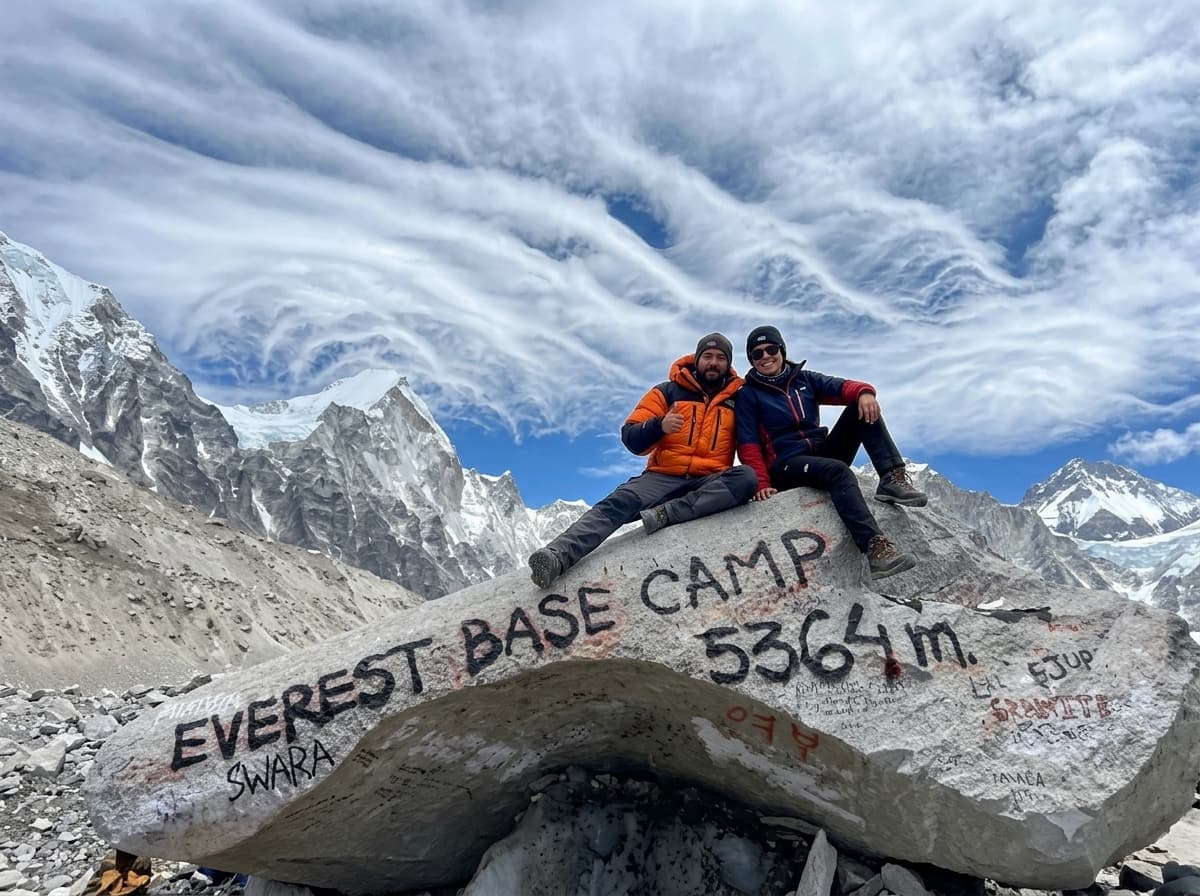
The Annapurna Circuit is generally considered more physically demanding than the Everest Base Camp trek. While EBC involves walking at sustained high altitudes (above 4,000m for nearly a week), the Annapurna Circuit covers significantly more total horizontal distance (160km+), features a higher maximum elevation (5,416m at Thorong La vs 5,364m at EBC), and requires a longer, grueling pass-crossing summit day.
Preparing for the Annapurna Circuit in 2027 and want complete peace of mind on the trail? When you book with us, our mountain team handles all permit logistics, assigns experienced high-pass guides, provides emergency satellite communication, and structures sensible acclimatization schedules that put safety first. Contact our team for personalized route planning and gear advice.