How Difficult is the Everest Base Camp Trek?
The Everest Base Camp Trek difficulty isn’t just about steep trails or high altitude. What makes this trek challenging and strenuous are the small moments, like gradual elevation gain, no proper acclimatization, thinner air, and subtle mountain tests. Known for the majestic views of Mount Everest and other surrounding peaks, the EBC trek has garnered the attention of many trekkers all over the world.
Whether it be the warm hospitality of the Sherpa people, the mesmerizing sunrise from Kalapatthar, or reaching the foot of Everest, this trekking in Nepal lives up to its name in every way. However, the journey will definitely not be smooth sailing. The trail, altitude, and mountains demand your patience and endurance. After reading this, you might be feeling a little intimidated and doubting yourself, and that’s completely normal. Learning about the Everest Base Camp Trek difficulty level will give you a general idea about the trek and boost your confidence. So, let's dive in!
Overall Difficulty Level of the Everest Base Camp Trek
When it comes to the overall Everest Base Camp Trek difficulty level, it can be considered a moderately challenging trek. Although this trek doesn't include any technical sections, the high altitude, rugged trails, and difficult weather conditions contribute to the difficulty of the journey.
But the trek is totally achievable with adequate preparation and the right mindset, even for beginner trekkers. Being one of the mainstream trekking routes in Nepal, the Everest Base Camp Trek is quite developed amidst the remoteness of the Khumbu region. Reaching the foot of the sky-scraping Everest will be far from easy, but each step on the trail will be filled with unforgettable memories for a lifetime.
Major Factors That Affect Mount Everest Base Camp Difficulty
1. High Altitude and Poor Acclimatization
The Everest Base Camp trek takes you to an altitude of 5,364 meters in the base camp, where the air is significantly thinner and has low oxygen. At these altitudes, the trekkers can face shortness of breath, fatigue, headache, or dizziness as the body has to process the low oxygen. This is the reason why trekkers need the acclimatization days, as they enable the body to adjust slowly. Poor acclimatization will not only increase your chances of altitude sickness, but if the condition worsens to HAPE or HACE, it can be life-threatening too.
2. Physical Fitness and Endurance
The trek to the Everest Base Camp covers around 130 kilometers and lasts about 12-14 days, depending on the itinerary. The trekkers are usually covering between 5-7 hours a day with an average distance of 8-15 kilometers along the rugged, uneven, and steep paths. Although one must be in good physical shape of fitness, stamina and endurance are more essential than brute strength in the trek.
Long working hours of walking, high output of energy, and a day-to-day rest are the key to fulfilling the trek. Cardiovascular training, strength training of the legs, and activities of endurance will help in teaching the trekkers to enjoy the breathtaking Himalayan scenery whilst also remaining at a constant pace during the trek.
3. Trail and Terrain Conditions
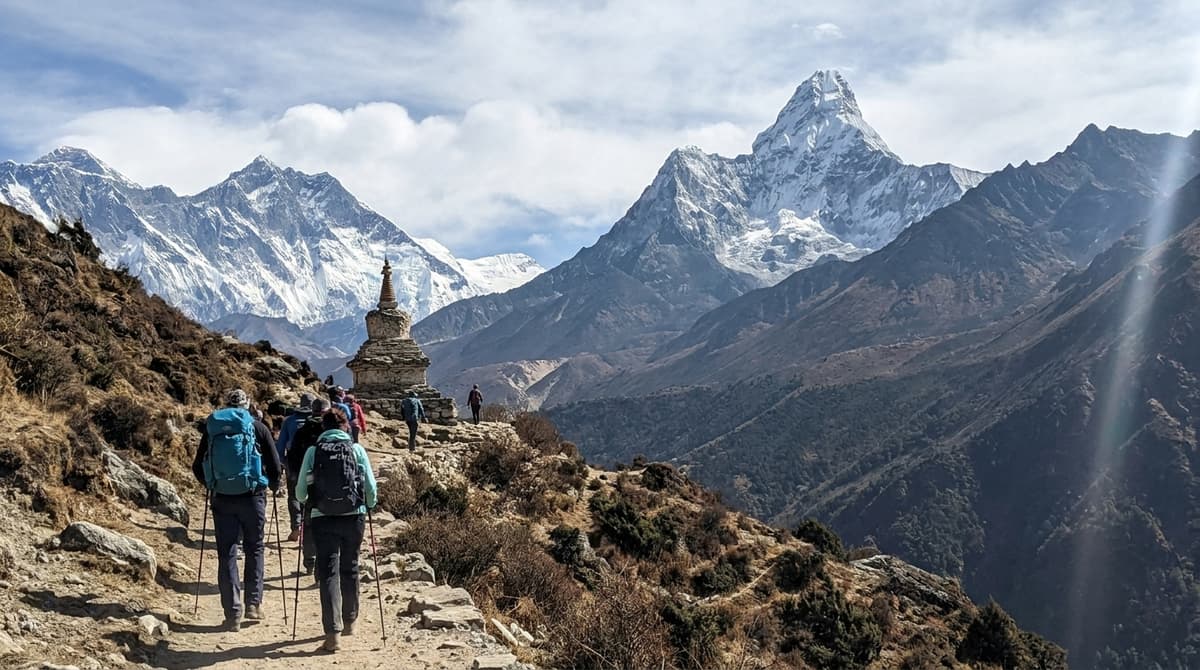
The trails on the Everest Base Camp are quite diverse and include rocky, irregular, and steep uphill and downhill paths, which directly enhance the Everest Base Camp difficulty. Walking on suspension bridges, narrow trails, glacial moraines, and uneven tracks can be physically tiring and mentally draining.
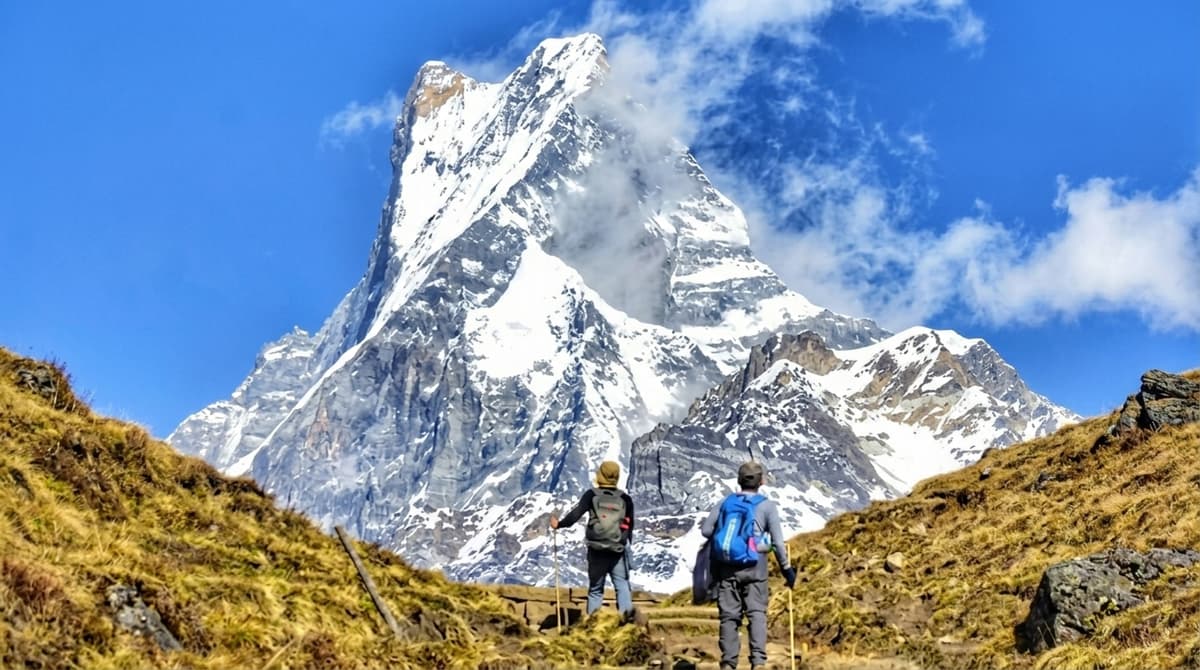
The conditions may serve to put an extra burden on the knees, ankles, and joints, particularly when walking long distances or on steep trails. The appropriate footwear, trekking poles, and slow pacing will be necessary to minimize fatigue and save the body. In this way, trekkers can be able to move through the harsh Himalayan terrain without any complications, whilst enjoying the breathtaking view along the way.
4. Weather and Temperature Challenges
One of the important factors that affects the Everest Base Camp Trek difficulty is changing weather, especially at higher altitudes. The weather at the mountain in the Khumbu region is extremely unpredictable. Sunny mornings can easily be transformed into cloudy, windy, or snowy ones, which influences the visibility and comfort. Weather changes can be sudden and slow down the speed of trekking.
Temperatures become a lot lower with an increase in altitude. Even in the middle of high trekking seasons, the nighttime temperatures may drop significantly above Dingboche and Lobuche. Most of the time, open valleys and high passes would be subjected to heavy, icy winds, especially in the afternoon. The wind chill can make the temperature seem colder than it is, causing the risk of discomfort and cold-related problems.
Everest Base Camp Difficulty by Season
Trekking in Nepal is open for all four seasons; however, the atmosphere and allure for trekking shift with the change of season.
1. Spring (March–May)
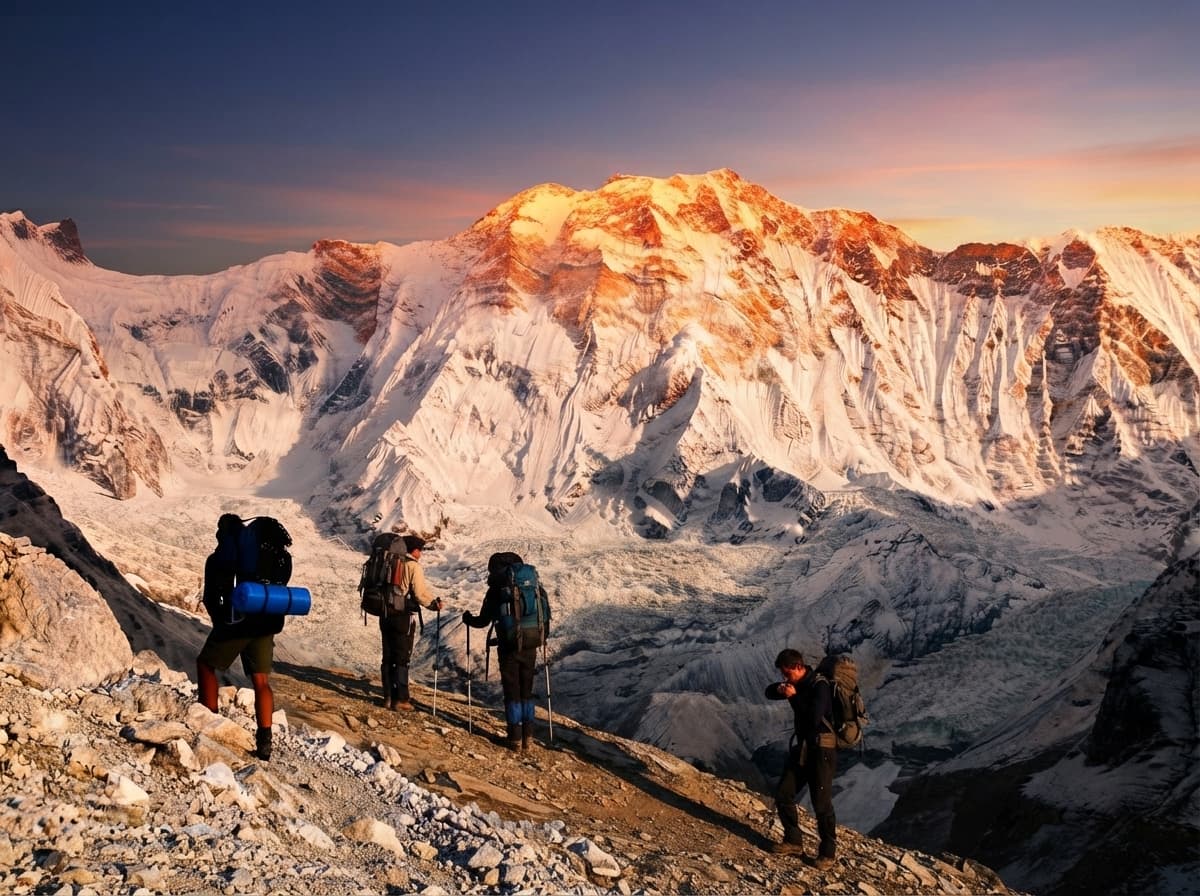
Usually, spring is considered to be a feasible time of the year for treks, including the Annapurna Base Camp Trek, the Annapurna Circuit Trek, and EBC itself. However, there are certain drawbacks if you choose the peak trekking season. Due to the large number of trekkers, it can be hard to find room in the teahouses. So, it is necessary for you to make advance bookings. Likewise, during the first weeks of March, winter may still be lingering around the Khumbu region, so the trails can be filled with snow alongside occasional snowfall and temperature drops.
2. Monsoon (June–August)
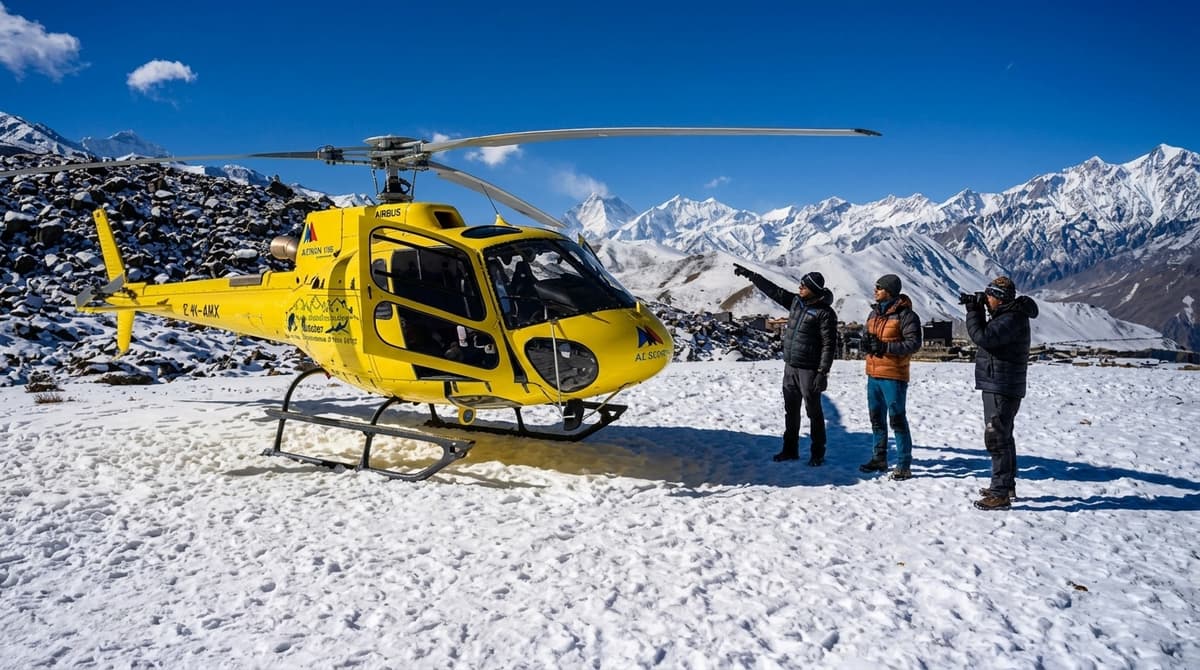
Monsoon is generally considered off-season for trekking in Nepal. With the arrival of the monsoon, the heavy rainfall nourishes the nature of the Everest region. However, rainfall results in muddy trails, causing inconvenience for trekkers. Likewise, the clouds and fog can affect the visibility and obstruct the mountain views. Moreover, the constant weather change can cause flight delays.
3. Autumn (September–November)
Another best time for trekking in Nepal is the autumn season. With the vibrancy of the festivals and pleasant weather, EBC trekking can turn to be a core memory between September to November. However, the trails can be pretty crowded with large numbers of trekkers, mules, horses, and donkeys. With a surge of trekkers, flights and accommodations in teahouses can be packed, so make sure to do early bookings. Furthermore, the last weeks of November can be pretty chilly with a temperature drop as winter is right around the corner.
4. Winter (December–February)
Everest Base Camp Trek in winter can be a rewarding experience of walking in a wonderland covered with white snow. The ethereal feel of quiet trails with a picturesque backdrop of stunning mountains is absolutely different and magical. However, the trails covered with snow can be difficult to walk on. The icy and rugged trails, while dealing with the freezing temperatures at higher altitudes, can be hard even for seasoned trekkers. On top of that, the days will be shorter in winter, making exploration limited.
Is the Everest Base Camp Trek Difficult for Beginners?
It is not impossible for beginners to complete the EBC Trek. However, it will be difficult for novice trekkers with no prior experience to finish the trek. When you have never been at such a high altitude, it will obviously be difficult for your body to adapt to such low oxygen. On top of that, walking continuously for hours for days can really cause exhaustion and fatigue, not just physically, but mentally too.
Moreover, when you have never been in the mountains, adapting to the simple life of remote areas and being flexible can also be a difficult task. Even though you have to face many difficulties during the Everest Base Camp Trek as a beginner, with a proper itinerary, choosing the right time, and prior physical and mental preparation, you can totally nail the trek.
How to Prepare for the Everest Base Camp Trek?
Now that you know about the Everest Base Camp Difficulty, it is necessary for you to know about the preparation to cope with such challenges. The most important part of planning an EBC trek is choosing the right time of the year. If you are someone beginner, then it's best to choose spring and autumn when you’ll be bestowed with pleasant weather and feasible trekking conditions. Likewise, another important part of preparation is selecting the itinerary that includes the acclimatization days. With proper acclimatization, you do not put yourself at the risk of altitude sickness.
Apart from planning the trek, you should also prepare yourself physically and mentally beforehand. Incorporating strength and cardio exercises will definitely be fruitful during the trek. Likewise, a right mindset about the trek will increase your determination and keep moving you forward when your legs do not want to move. Furthermore, packing can also reduce the EBC trek difficulty to a great extent. You should pack light and never forget the essentials.
At first glance, the Everest Base Camp Trek may sound daunting and demanding. But once you study about the trek, its challenges, beauty, and feasibility, this adventure will certainly be at the top of your to-do list. And, we, Mountain Adventure Trekking Pvt Ltd, will help you make your dream into reality. So, feel free to contact us.