Chitwan National Park Safari: Wildlife, Cost & Complete Travel Guide
The wildlife experience in Nepal is also incredible, but not as well-known. A Chitwan National Park Safari is an opportunity to explore the thick jungle, river banks, grasslands, and memorable wildlife experiences instead of the mountains.
Whether it's grazing in the morning mist and spotting a one-horned rhino or gliding quietly along the Rapti River, by the side of the gharials and marsh mugger crocodiles, Chitwan offers some of the best safari experiences in South Asia.
Nepal's first national park, and a UNESCO World Heritage Site, Chitwan is home to a variety of iconic species, such as the Royal Bengal tiger, sloth bear, wild elephant, and over 600 species of birds, along with one of the best examples of the Terai ecosystem.
From family holidays, wildlife photography days, birdwatching trips, and romantic jungle holidays, this guide gives you all the information you need – from wildlife to activities, costs, accommodation, transport, and handy tips for your travels.
If you're looking for more inspiration for your biodiversity exploration in Nepal, check out our posts on Wildlife Tourism in Nepal and Best Jungle Safari in Nepal. will help.
What is Chitwan National Park?
Chitwan National Park was established in 1973 as the first national park in Nepal, in the subtropical lowlands of the Terai region.
It is one of the greatest wildlife conservation landscapes in Asia, covering over 932 square kilometres of forests, wetlands, grasslands, and river systems.
The park was designated a UNESCO World Heritage in 1984 because of its outstanding conservation value and diversity of life.
Chitwan is home to one of the world's most important habitats for the greater one-horned rhino, and is a key area for the conservation of Bengal tigers, according to the UNESCO World Heritage Centre.
Why Chitwan Matters for Conservation?
Chitwan protects:
- Riverine forests
- Sal forests
- Floodplain grasslands
- Wetland ecosystems
- Endangered wildlife populations
Habitat protection and anti-poaching efforts have seen the park's conservation work help recovery efforts greatly for the rhino species in recent decades.
Why Choose a Chitwan National Park Safari?
There's always a question about whether or not Chitwan should be included in a Nepal tour. Chitwan is just the place where accessibility, biodiversity, and cultural experiences come together to make few places to visit in the town of Chitwan.
1. Exceptional Wildlife
The park is one of the best places in Asia for seeing the greater one-horned rhino in the wild, and provides fairly realistic opportunities to see Bengal tigers, crocodiles, deer, and monkeys, as well as exotic birds.
2. Easy Access
Chitwan can be easily accessed through Kathmandu, Pokhara or Lumbini in a day and can be reached by road or domestic flight, unlike the remote safari destinations.
3. Diverse Safari Experiences
Visitors can enjoy:
- Jeep safaris
- Canoe excursions
- Jungle walks
- Birdwatching tours
- Nature interpretation programs
- Tharu cultural experiences
- Outstanding Wildlife Photography
The morning mist, golden grasslands, river ecosystems, and plenty of wildlife make for ideal nature photography.
4. Family-Friendly Adventure
In comparison to many African safaris, Chitwan is an affordable safari that is great for families, couples, and first safari goers.
Chitwan National Park Wildlife: What Animals Can You See?
The diversity of Chitwan National Park wildlife is one of the main reasons travelers visit the Nepal Terai region.
| Animal | Chance of Sighting | Best Location |
| One-horned Rhinoceros | Very High | Grasslands and riverbanks |
| Bengal Tiger | Low to Moderate | Core jungle areas |
| Leopard | Low | Dense forest zones |
| Sloth Bear | Moderate | Forest edges and grasslands |
| Wild Elephant | Moderate | Deep forest sections |
| Spotted Deer | Very High | Throughout the park |
| Sambar Deer | High | Grasslands and forest margins |
| Marsh Mugger Crocodile | High | Rapti River |
| Gharial Crocodile | High | Riverbanks |
| Rhesus Monkey | Very High | Forest trails |
| Langur Monkey | High | Tree canopies |
| Bird Species (600+) | Excellent | Wetlands, forests, grasslands |
What Are Your Chances of Seeing a Tiger?
Numerous visitors come expecting to see a Royal Bengal Tiger. Although they do see tigers frequently, they are not predictable.
Because tigers are wild animals, even seasoned wildlife photographers might not spot one during a brief visit.
Fascinating encounters with rhino, a large variety of deer, crocodiles, monkeys, and many birds are more likely to be the reality.
This means that visitors can enjoy the safari experience rather than just the sighting of the tiger, which is not always possible.
Types of Safari Activities in Chitwan National Park
1. Jeep Safari
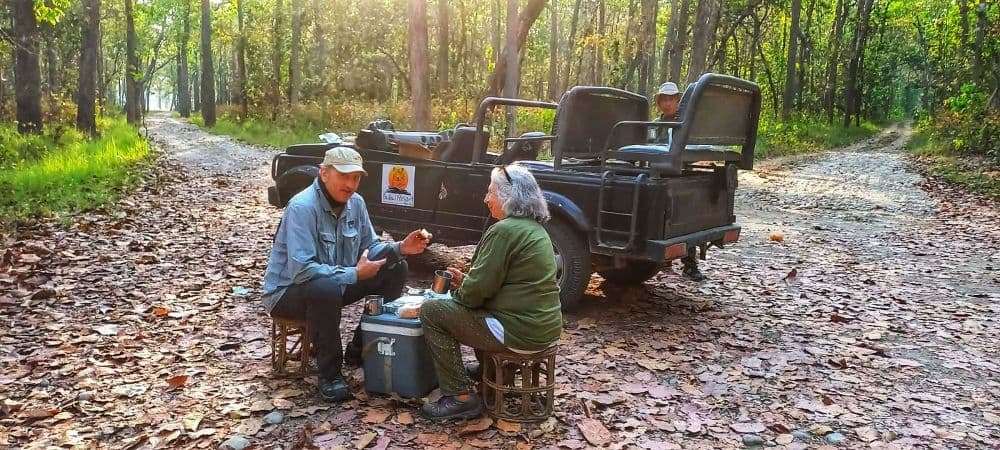
The most popular Jeep Safari Chitwan experience in Chitwan is the safari to cover the vast area of the National Park. Open 4WD cars go through forests, grasslands, and rivers, where rhinos, deer, wild boar, and sometimes tigers are seen.
Duration: 4–8 hours
Highlights:
- Wildlife photography
- Rhino sightings
- There is no easy access to remote areas.
- Comfortable exploration
Best For:
- Families
- First-time visitors
- Photographers
- Canoe Safari
2. Canoe Safari
One of the most memorable experiences in Chitwan is a traditional dugout canoe ride on the Rapti River. Close viewing of gharials, mugger crocodiles, and water birds is possible in the absence of noise.
Duration: 1–2 hours
Highlights:
- Crocodile sightings
- Bird photography
- Scenic river landscapes
Best For:
- Birdwatchers
- Nature lovers
- Couples
- Jungle Walk
3. Jungle Walk
Forest hiking with a certified nature guide is a totally new experience. Guides detect tracks, animal signs, bird calls, and hidden wildlife that vehicles don't.
Duration: 2–4 hours
Highlights:
- Animal tracking
- Forest interpretation
- Photography opportunities
Best For:
- Adventure travelers
- Wildlife enthusiasts
- Bird Watching Tour
4. Bird Watching Tour
Chitwan is one of the best birdwatching locations in Nepal, boasting more than 600 species.
Common species are:
- Great hornbill
- Lesser adjutant stork
- Kingfishers
- Eagles
- Woodpeckers
- Herons
To check out other birding places, read the bird watching in Nepal
5. Tharu Cultural Experience
The Tharu people have been residing in the forest of Chitwan for many years.
Visitors can enjoy:
- Traditional dances
- Local cuisine
- Village tours
- Community museums
To get a deeper understanding of the culture, read Community-Based Tourism in Nepal.
6. Nature Interpretation Tour
Naturalist-led programs explain:
- Ecosystems
- Conservation challenges
- Wildlife behavior
- Local biodiversity
Chitwan National Park Safari Cost (2026)
One of the most common questions is: How much does a Chitwan National Park safari cost?
| Activity | Nepali (NPR) | SAARC (NPR) | Foreigner (NPR) |
| National Park Entry Fee | 150 | 1,000 | 2,000 |
| Shared Jeep Safari | 2,000–3,500 | 2,500–4,000 | 3,000–5,000 |
| Canoe Ride | 500–1,000 | 800–1,200 | 1,000–1,500 |
| Nature Walk | 500–1,000 | 800–1,500 | 1,000–2,000 |
| Bird Watching Tour | 1,000–2,000 | 1,500–2,500 | 2,000–4,000 |
| Licensed Guide Fee | 1,500–3,000 | 1,500–3,000 | 1,500–3,000 |
Disclaimer: Prices may change according to government regulations, seasonal demand, and tour operator policies.
Typical Chitwan Safari Package Cost
| Package Type | Approximate Cost |
| One-Day Safari | USD 50–100 |
| 2D/1N Safari Package | USD 90–180 |
| 3D/2N Safari Package | USD 150–350 |
| Luxury Safari Stay | USD 250–700+ |
Best Time for Chitwan National Park Safari
Many travelers ask about the best time for Chitwan National Park safari experiences.
| Season | Wildlife Viewing | Weather | Recommendation |
| Oct - Nov (Autumn) | Excellent - post-monsoon greenery, active wildlife | Pleasant, 20–28°C, low humidity | Highly recommended; park at its most photogenic |
| Dec - Jan (Winter) | Very Good - short grass, easy sightings | Cool to cold mornings (8–15°C), clear skies | Excellent for birding; warmest layers needed for early safaris |
| Feb - Apr (Spring) | Outstanding - grass burns increase visibility | Warm, dry, 25–35°C | Peak season for wildlife visibility; rhinos near water |
| May - Jun (Pre-monsoon) | Good near water sources | Very hot, 35–40°C | Waterhole sightings compensate; challenging in the afternoon heat |
| Jul - Sep (Monsoon) | Difficult - dense vegetation, flooding | Heavy rainfall, high humidity | Some areas close; leeches common; birding for specialists |
For a broader picture of Nepal's seasonal travel patterns, our guide on the Best Time to Visit Nepal? covers trekking, cultural festivals, and the Terai climate in detail.
Sample 2-Day Chitwan Safari Itinerary
Chitwan is best done in two nights and two full days, but you will be able to experience several safari types, the culture, and have time to just soak it all in.
Day 1
Morning: Kathmandu or Pokhara (the majority of tourist buses come in the late morning) to Sauraha.
Check in to your lodge and catch the nature interpretation class, which lasts 45 minutes and provides an overview of the ecology, wildlife, and safety rules in Chitwan. Eat at your lodge or at a restaurant along the river.
Afternoon: board a dugout canoe as it floats along the Rapti River for a 45-60 minute drift through crocodile and kingfisher country.
Get off the boat and stroll back to the village via the buffer zone forest with your guide. Return to lodge; freshen up.
Evening: Join the Tharu cultural programme in the village – stick dance, folk music, traditional snacks. Lodge dinner. An early sleep is recommended before a 5:30 AM wake-up time.
Day 2
Morning is the best. It's the early morning of a four-wheel-drive driving into the heart of the park before the sun rises, and while the grassland is still shrouded in mist.
This is the safest period of time to encounter a rhino, and your guide will search along the forest trails for a tiger. The jeep safari normally lasts 3 to 4 hours, and returns at the correct time for a late breakfast.
Mid-morning: Jungle walk guided with buffer zone - Identification of animal sign, bird call, and the difference between tiger and leopard pug marks. This is a tamer activity at ground level, which can also have its own surprises.
Afternoon: Free time at the lodge, optional swimming at the pool (may be available) or visit to the Elephant Breeding Centre (note - this is now more closely supervised and managed in a welfare-conscious manner – query with the operator as to the current situation).
Departure: Afternoon bus or private transfer back to Kathmandu (arriving evening) or Pokhara.
Where to Stay for a Chitwan National Park Safari?
Most visitors stay in Sauraha, directly opposite the park on the Rapti River. A few more distant lodges are located in the western buffer zone in proximity to Meghauli and Barauli – peaceful and more in tune with the tiger corridors, though less extensive in terms of activities.
Budget options (USD 15-40/night): Guesthouses and simple lodges in central Sauraha – comfortable, central, and suitable for independent travellers.
Medium range – USD 50 – 120 rooms per night: Riverside lodges with gardens, in-house naturalist guides, and safari packages have been organized. This level is most satisfying for most tourists – everything is organized, guides are informed, and the environment is nice.
Exclusive camps (USD 150-400+ per night): Tented camps and luxury wildlife lodges with private plunge pools, gourmet cuisine, and exclusive allocation of guides.
Usually, in low-density areas with convenient access to prime wildlife habitats. Hotels such as Tiger Tops Tharu Lodge and Kasara Chitwan are in this category.
The main points to consider: location at the park gate, the quality of the guides (check their credentials), whether the park entrance fees are paid or not, and, especially for luxury lodges, if they have sustainable/responsible tourism policies.
Responsible Wildlife Tourism Tips
Tourism preserves the fragile ecosystem of Chitwan with responsible tourism.
The International Union for Conservation of Nature (IUCN) encourages sustainable wildlife tourism around the world.
Follow these guidelines:
- Keep a distance from animals
- Avoid loud noises
- Never feed animals
- Follow your nature guide's directions
- Stay on designated routes
- Dispose of waste responsibly!
- Respect local communities
- Promote support for locally owned businesses when available.
The success of wildlife conservation in Chitwan is dependent on the visitors and the local stakeholders as well.
How to Reach Chitwan National Park
From Kathmandu
- Tourist Bus: 5–7 hours
- Private Vehicle: 5–6 hours
- Domestic Flight to Bharatpur: 20-25 minutes
- From Pokhara
- Tourist Bus: 4–6 hours
- Private Transfer: 4–5 hours
From Lumbini
- Road Transfer: 4–5 hours
For those wishing for a more extensive trip in the Nepal region, the Kathmandu Pokhara Chitwan Tour 8 Days or the Kathmandu Pokhara Chitwan Lumbini Tour 9 Days are recommended.
Safari Travel Advice for the First-Time Safari Traveler
Packing Essentials
- Neutral-colored clothing
- Sun hat
- Sunglasses
- Reusable water bottle
- Insect repellent
- Rain jacket (monsoon season)
Photography Gear
- Telephoto lens
- Extra batteries
- Memory cards
- Lens cleaning kit
Binoculars
Binoculars are a great addition to wildlife and bird watching.
Health & Safety
- Stay hydrated
- Wear sunscreen
- Follow the guide instructions
- Avoid wandering alone
- Keep a respectful distance from wildlife
Chitwan National Park Safari vs Bardia National Park Safari
| Factor | Chitwan | Bardia |
| Location | Central Terai, 165 km from KTM | Far-western Terai, 520 km from KTM |
| Accessibility | Easy | Remote - longer journey |
| Crowds | Moderate–Busy (peak season) | Very Low |
| Rhino Sightings | Very High (750+ rhinos) | Moderate (growing population) |
| Tiger Sightings | Moderate | Higher per guide-hour in some reports |
| Elephant Herds | Present | Very good - wilder herds |
| Bird Diversity | Exceptional (544 species) | Excellent (400+ species) |
| Typical Cost | Budget–Luxury range | Budget–Mid-range (fewer luxury options) |
| Best For | First-time visitors, families | Serious wildlife enthusiasts, repeat visitors |
Both parks are truly worthwhile. The majority of wildlife tours in Nepal begin in Chitwan, with the option of Bardia for more adventurous travelers looking for an alternative experience.
If you're interested in the western park, our Bardia Jungle Safari Cost will provide you with all the details you need about the cost and logistics of visiting the area. For those who wish to experience Bardia as their main attraction, Bardia National Park Jungle Safari – 10 Days deals with the entire process.
Things to Do Around Chitwan Beyond Safari
A wide variety of activities and events can be enjoyed around Chitwan beyond the safari experience.
But Sauraha and its environs provide more than game drives, especially if travelling with people who aren't game lovers or even if you're staying longer. Of course, our Things To Do in Chitwan expert covers it all, but here's a quick rundown of some of the highlights:
Tharu village cycling tour
In the morning, hire a bike and cycle through the buffer zone villages, for a slow and yet lovely experience to see rural terai life. Everyone can't help but get a good look at rice paddies, painted Tharu houses and children walking towards school.
Visit to Elephant Breeding Centre
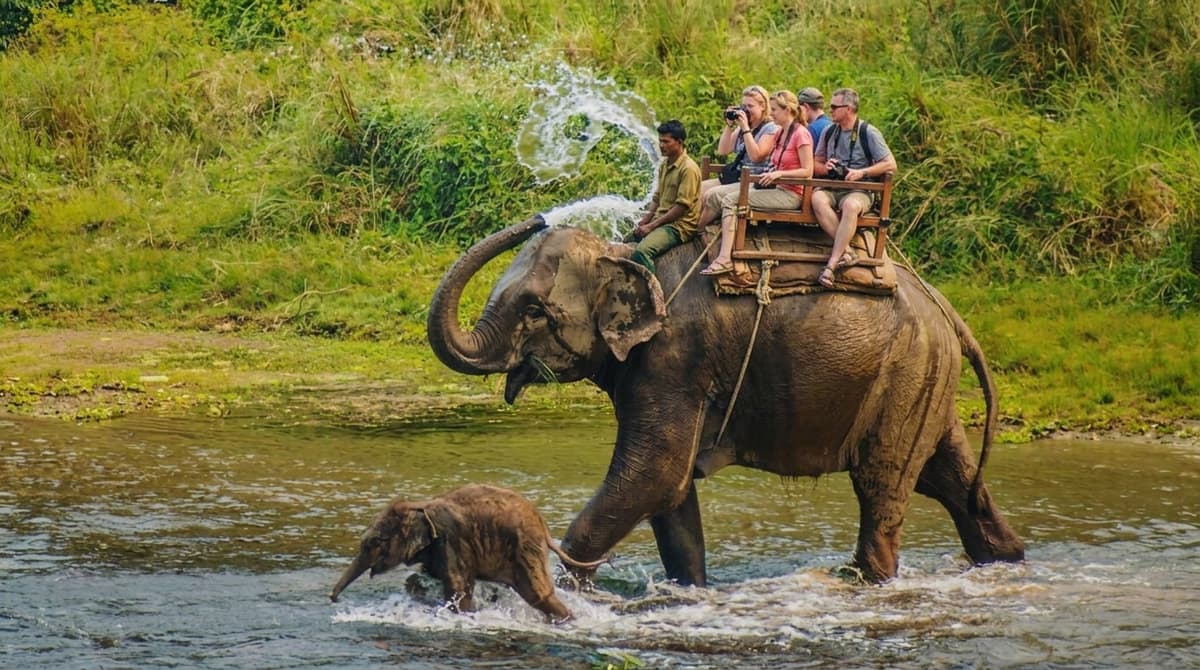
The centre is under the auspices of the Department of National Parks and Wildlife Conservation at Khorsor, where breeding elephants and their calves are kept. A very good conservation project – and the best most people will see at elephant rest.
Beeshazar and 20 Lakes area (Bis Hajaar Tal)
Oxbow Lake Complex, surrounding the park, is a Ramsar wetland, and it is the best bird-watching area in the Chitwan region. Birdlife at dawn is amazing.
Local market and Sauraha Bazaar
Sauraha has an evening market to be explored for an hour or so – honey, local drinks (Tongba), tharu handicrafts and great momos from street stalls.
Sunset at the Rapti River
Most lodges have bonfires on the river or just cosy chairs by the water at dusk. Birds returning home, crocodiles on the bank, a wonderful end to a day.
Conclusion
A Chitwan National Park safari offers Asia's best wildlife experiences, for a combination of factors: first, its accessibility; second, its high percentage of sightings; third, its diversity of wildlife; and fourth, its conservation history adds a sense of depth to each encounter.
Watching the one-horned rhino peacefully munching 20 metres from your jeep is not just a matter of sightseeing; it's years of anti-poaching measures taken by the community, efforts by the government, and years of policy-making.
From the first-time traveller seeking reliable sightings to the seasoned naturalist eager for a tiger photo, Chitwan offers rewards for those willing to be patient, attentive, and mindful of the natural world.
This is just one side of the story; for the complete picture of responsible wildlife travel to Nepal, please read our article on Wildlife Tourism in Nepal.
Go quietly. Respect the animals. Tip your guide profusely. And also use the early morning jeep.
Frequently Asked Questions
What is the charge for a safari in Chitwan National Park?
The average price of a safari ranges from USD 50 to USD 350 and depends on the duration of the trip, the level of accommodation and the activities involved.
Do you see tigers in Chitwan?
Yes. Chitwan is the home of Bengal tigers, but their presence isn't always guaranteed as these tigers are elusive.
For how many days is enough in Chitwan?
Most travellers prefer a two to three-day stay.
Is it safe to go on a safari in Chitwan?
Yes. Generally, safaris with licensed safari operators and guides are quite safe.
Which is the optimum month to go to the Chitwan safari?
October to March is the ideal time for weather and wildlife viewing.
Do children go on safaris?
Yes. Family Jeep safaris and cultural activities are appropriate.
Which animals can be found in Chitwan National Park?
Rhinos, Bengal tigers, leopards, sloth bears, elephants, deer, crocodiles, monkeys and hundreds of species of birds.
Do I need a guide?
It is recommended and required to have a licensed guide for some of the activities.
Should one bother going and watching birds in Chitwan?
Absolutely. There are over 600 species of birds found in Chitwan, and Chitwan is one of the best birdwatching areas in Nepal.
Is there a possibility of doing a one-day safari in Chitwan National Park?
Yes. There are many day trips, which consist of a jeep safari, a canoe ride and a nature walk.