How to Plan a Trip to Nepal: A Step-by-Step Guide
Whether you are looking forward to a Himalayan view, visiting historic temples, seeing wildlife, or immersing yourself in Nepal's culture, there is plenty to be excited about when planning your trip to Nepal. With proper preparation, it can be a smooth, enjoyable, and memorable journey.
In case you're thinking about how you're going to tour Nepal, this guide walks you through all the vital steps. You'll get tips on when to travel, how many days, where and what to expect, and how to budget your trip.
Nepal is a place for every kind of traveller, such as solo travellers, couple travellers, family travellers, and group travellers.
No matter if you are traveling for sightseeing, hiking, or to enjoy a leisurely holiday, it is essential to make a well-rounded plan to make the most of your trip and to have an idea of what not to do!
Key Takeaways
| Topic | Details |
| Best Time to Visit | Spring (March–May) and Autumn (September–November) |
| Ideal Trip Length | 7–14 days for first-time visitors |
| Top Destinations | Kathmandu, Pokhara, Chitwan, Lumbini, and Nagarkot |
| Travel Style | Budget, mid-range, and luxury options available |
| Transportation | Tourist buses, domestic flights, and private vehicles |
| Best For | Culture, nature, wildlife, trekking, and family holidays |
Why Visit Nepal?
Nepal is one of the best travel destinations in South Asia. While renowned for its Mount Everest and the Himalayas, the country has a lot more to offer than trekking.
You can visit centuries-old temples, enjoy peaceful, tranquil lakes, get to know all kinds of wildlife, and get warm local hospitality — all within a comparatively short distance to travel.
Nepal is one place you should put on your travel list for the following reasons:
- Explore UNESCO World Heritage Sites.
- Experience the unique traditions of different ethnic communities.
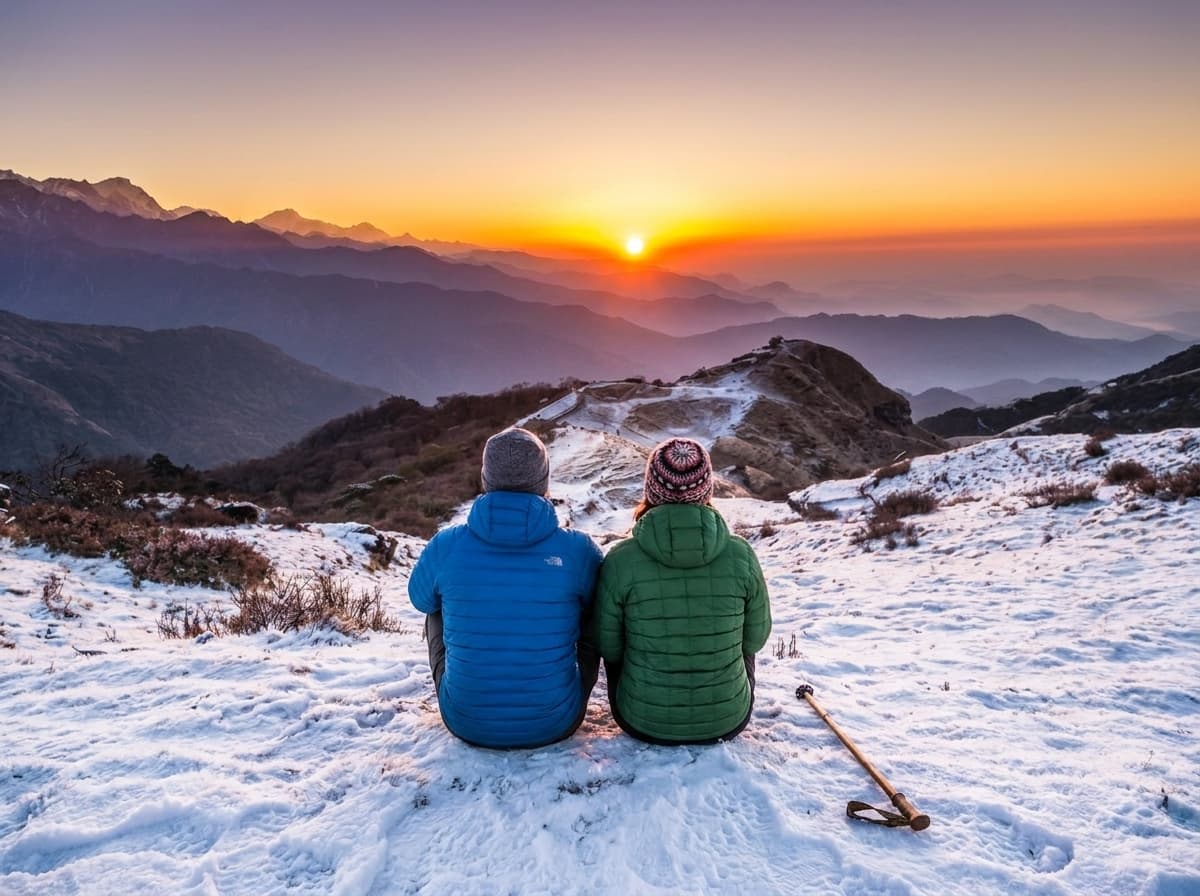
- Enjoy breathtaking mountain scenery.
- Visit national parks rich in wildlife.
- Try authentic Nepali cuisine.
- Find travel experiences that suit different budgets.
From an initial trip all the way up to a return journey for more, Nepal has something special to offer in each season.
Step 1: Choose the Best Time to Visit Nepal
One of the first steps in planning your trip is deciding the best time to visit Nepal. The weather changes throughout the year, and each season offers a different experience.
Spring (March – May)
The spring season is one of the preferred seasons for visiting Nepal. It's a good time for sightseeing and trekking as the weather is pleasant, rhododendron forests are blooming, and the mountain views are clear.
Also, it is a good time to visit cities such as Kathmandu and Pokhara since the weather is generally fine for outdoor activities.
Autumn (September to November)
The month of autumn is the most recommended time to visit Nepal. The monsoon is generally over, and the sky is clear after that, providing a good panorama of the peaks of the Himalayas.
Nepal's major festivals also fall into this time period, which provides an opportunity to experience local events as well as nature.
Winter (December to February)
The winter months are cooler, particularly during the mornings and evenings. Lower-lying areas are comfortable for sightseeing, while the higher mountainous areas are cooler and snow will fall occasionally.
The winter season is a popular time to visit when people don't want to go to crowded places.
During the monsoon (June-August)
Monsoon – green forests with reduced tourist numbers. Travel plans may need to be flexible due to the fact that there is a possibility of rainfall, especially in the hills.
But in some areas like Upper Mustang, less rain falls, so it is still suitable for travel.
Best Time to Visit at a Glance
| Season | Weather | Best For |
| Spring | Warm and clear | Sightseeing, trekking, photography |
| Autumn | Stable and dry | Culture, mountain views, outdoor activities |
| Winter | Cool and dry | City tours, fewer crowds |
| Monsoon | Rainy and green | Nature lovers and off-season travel |
Step 2: Decide How Many Days to Spend in Nepal
The best trip length depends on what you like to do, how you like to travel, and where you want to go. First-time visitors usually find that 7 to 10 days is enough time to visit Nepal's most popular spots without feeling rushed.
Here's a general guide:
| Trip Length | Recommended Experience |
| 3–5 Days | Explore Kathmandu and nearby attractions |
| 7 Days | Visit Kathmandu, Pokhara, and Chitwan |
| 10 Days | Add a short trek or additional cultural destinations |
| 14+ Days | Combine sightseeing with a Himalayan trekking adventure |
The 7 Days Nepal Tour is a good example of a travel itinerary that balances culture, nature and wildlife with travel time in mind for a one-week holiday.
If you have a few extra days, you may want to extend your trip and explore the mountain regions of Nepal in a more laid-back way.
Step 3: Choose the Best Places to Visit in Nepal
Nepal has a variety of destinations, each with its own attractions. It depends on your interests and how much time you have to invest in finding the right places.
Kathmandu
Kathmandu is the cultural heart of Nepal and the starting point for most of the international visitors.
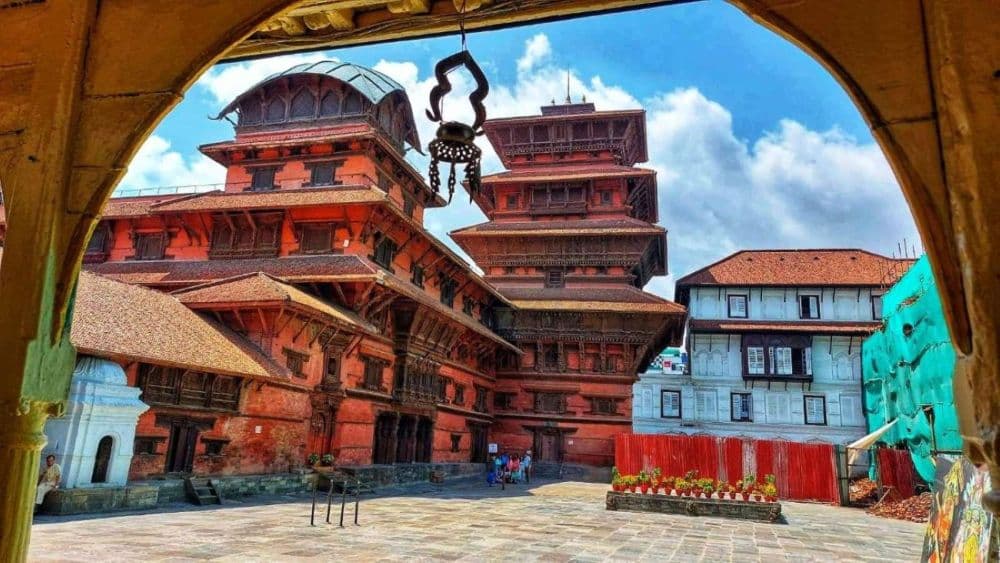
The city is dotted with historic temples, ancient palaces, bustling markets, and several UNESCO World Heritage Sites.
If you want to see the capital with an expert guide, the Kathmandu Sightseeing Tour is an easy way to see the major cultural sites in one day.
Don't Miss
- Kathmandu Durbar Square
- Pashupatinath Temple
- Boudhanath Stupa
- Swayambhunath Stupa
- Thamel
Pokhara
Pokhara is famous for its tranquil ambiance and beautiful lakes and a view of the complete range of the Himalayas. It’s a great destination for the traveler who wants to relax, adventure, or both.
Popular attractions include:
- Phewa Lake
- Sarangkot
- Davis Falls
- Gupteshwor Mahadev Cave
- World Peace Pagoda
Pokhara is also the gateway to many of Nepal’s famous trekking routes, making it a popular destination for outdoor enthusiasts.
Chitwan
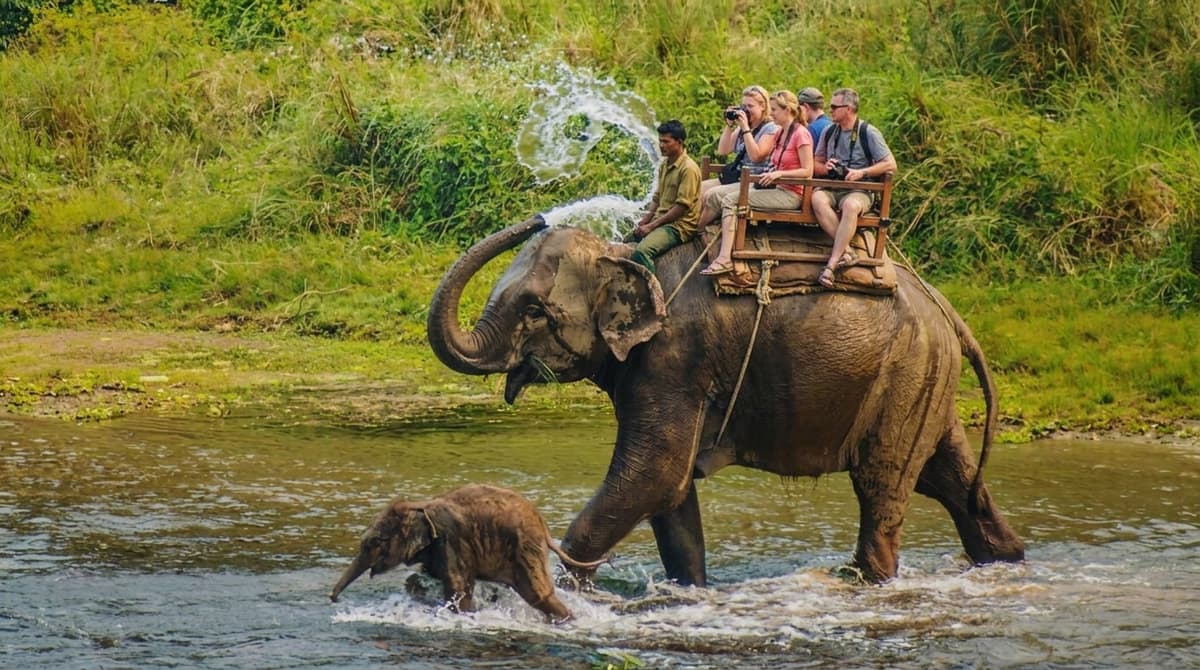
Chitwan is one of the best places in Nepal for wildlife experiences. The region, which is home to Chitwan National Park, offers opportunities for jeep safaris, bird watching, canoe rides and cultural experiences with the Tharu community.
It's a completely different experience to Nepal’s mountain regions and a great addition to many itineraries.
Lumbini
Lumbini is one of the most important pilgrimage destinations in the world, being the birthplace of Lord Buddha.
Visitors can learn about the origins of Buddhism while exploring sacred monasteries, tranquil gardens and historic sites.
Lumbini’s peaceful setting makes it a perfect place for travelers who are interested in history, culture and spirituality.
Step 4: Check Nepal's Visa Requirements
Before you book your flights, make sure you read up on the visa requirements for Nepal. If you’re prepared in advance, you can avoid unnecessary waiting around when you arrive.
Many travelers are eligible for a visa on arrival at Tribhuvan International Airport and select land border crossings.
Visa policies change and depend on your nationality, so make sure you check the latest immigration requirements before you travel.
Along with your passport, keep digital and paper copies of important travel documents, including:
- Passport (with at least six months of validity)
- Passport-sized photos (if required)
- Travel insurance details
- Flight confirmation
- Hotel booking confirmation
- Emergency contact information
Having these documents ready will make your arrival process much smoother.
Step 5: Set Your Travel Budget
One of the most important aspects of learning how to plan a trip to Nepal is deciding how much you want to spend.
Nepal is a good value for money. It is a good destination for budget travelers as well as luxury seekers.
Your total budget depends on several factors, including:
- Accommodation
- Transportation
- Meals
- Activities
- Shopping
- Travel style
Estimated Daily Budget
| Travel Style | Estimated Daily Cost |
| Budget | USD 35–60 |
| Mid-range | USD 70–150 |
| Luxury | USD 180+ |
These estimates may vary depending on the season, destination, and personal preferences.
Money-Saving Tips
- Travel during the shoulder season for better accommodation rates.
- Use tourist buses for longer journeys if you're traveling on a budget.
- Book accommodation early during spring and autumn.
- Carry some Nepalese Rupees for small purchases, especially outside major cities.
Step 6: Book Your Flights and Transportation
With your itinerary nailed, now it’s time to book your transportation.
International Flights
The majority of overseas visitors arrive at Tribhuvan International Airport in Kathmandu. Booking flights months in advance typically gives you more options and lower prices, especially during busy travel times.
Domestic Flights
Domestic flights are the quickest way to get around places like Kathmandu and Pokhara. They are good if you are short on time and want to get the most out of your sightseeing.
Tourist Buses
Tourist buses are popular and cheap to travel between Kathmandu, Pokhara and Chitwan. They have comfortable seating and depart on a regular schedule each day.
Private Vehicles
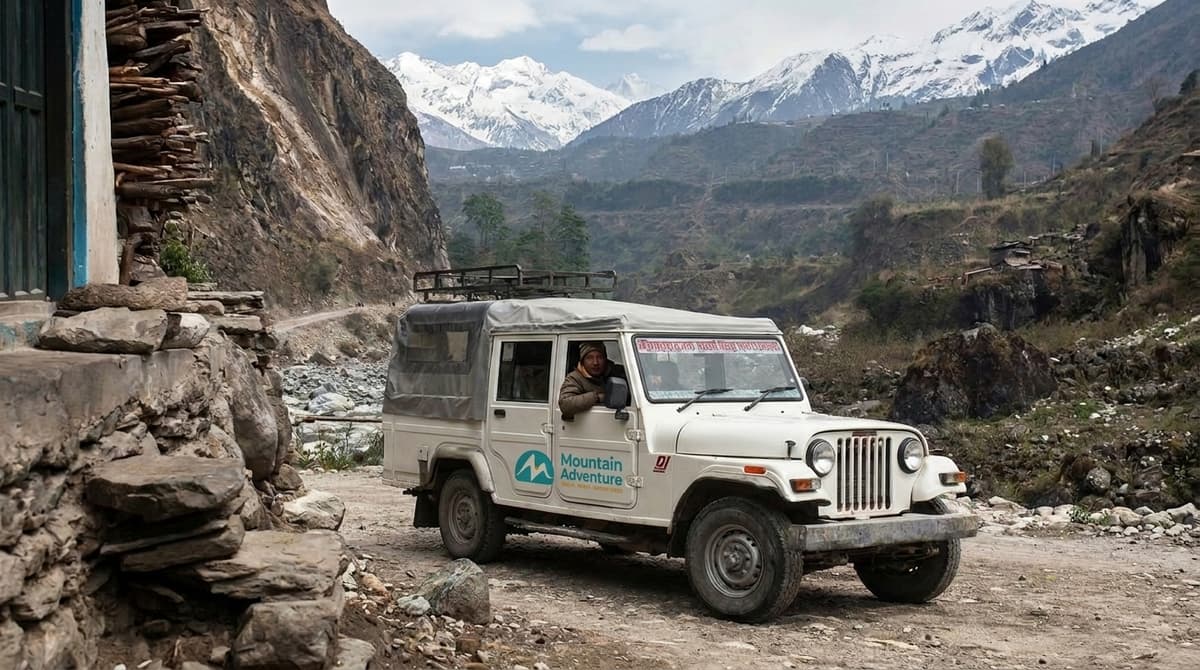
Families and small groups may prefer hiring a private vehicle for greater flexibility and convenience. This option allows you to stop at viewpoints and local attractions along the way.
Transportation Comparison
| Option | Best For |
| Domestic Flight | Saving time |
| Tourist Bus | Budget-friendly travel |
| Private Vehicle | Flexible itineraries and family travel |
Step 7: Choose the Right Accommodation
Nepal has places to stay for every budget and style of travel. There are plenty of choices in the country's main destinations, no matter if you're looking for a basic guesthouse or a luxury resort.
Budget Hotels
This is perfect for backpackers and budget travelers. These properties typically offer clean rooms and basic facilities at reasonable prices.
Mid-Range Hotels
Good for most tourists, with comfortable rooms, modern facilities, and convenient locations near popular attractions.
Luxury Hotels and Resorts
Luxury accommodations offer travelers enhanced comfort with high-end amenities, large rooms, wellness centers, and outstanding hospitality.
If you are planning a trekking holiday after your sightseeing trip, accommodation will usually be in mountain tea houses along the trekking route.
Step 8: Pack Smart for Your Nepal Trip
Packing the right way can help you be more comfortable on your trip. What you need will depend on the season and the places you intend to visit.
Essential Packing List
- Comfortable walking shoes
- Lightweight clothing
- Warm jacket or fleece
- Rain jacket (during the monsoon season)
- Sunscreen
- Sunglasses
- Hat or cap
- Reusable water bottle
- Power bank
- Personal medications
- Universal travel adapter
- Passport and travel documents
If your itinerary includes higher elevations, pack additional warm clothing, even during spring and autumn.
Step 9: Respect Local Culture and Traditions
Nepal is a place with a lot of warm-hearted people and cultural heritage. By respecting local customs, you can travel with a better understanding of the culture and get to know local communities.
Here are a few simple etiquette tips:
- Dress modestly when visiting temples and monasteries.
- Remove your shoes before entering religious sites where required.
- Ask for permission before photographing people.
- Walk clockwise around stupas and prayer wheels.
- Respect local festivals and religious ceremonies.
- Dispose of waste responsibly and help protect natural areas.
Being a responsible traveler helps preserve Nepal's cultural and natural heritage for future visitors.
Helpful Travel Planning Tips
A little preparation can make your trip smoother and more enjoyable.
- Book flights and hotels early during peak travel seasons.
- Check weather forecasts before traveling between destinations.
- Keep both cash and cards for convenience.
- Purchase comprehensive travel insurance before your trip.
- Leave some flexibility in your itinerary in case of weather-related delays.
- Download offline maps for easier navigation.
Planning allows you to spend less time worrying about logistics and more time enjoying Nepal's incredible landscapes, culture, and hospitality.
Should You Book a Tour or Travel Independently?
A frequent question for travelers planning a trip to Nepal is: should I do a guided tour or my own thing? Your decision on how to travel in Nepal depends on your resources, travel know-how, and the nature of your vacation.
A guided tour is perfect if convenience, local guides, and a 'set' itinerary appeal to you. Alternatively, traveling independently will give you a more flexible schedule and the freedom to explore.
| Guided Tour | Independent Travel |
| Pre-planned itinerary Flexible schedule | Flexible schedule |
| Local guide and support | Plan everything yourself |
| Transportation arranged | Book transport separately |
| Saves time and reduces stress | More freedom to customize |
| Ideal for first-time visitors | Suitable for experienced travelers |
On your first trip to Nepal, a guided tour can enhance your experience by doing the planning, traveling, and booking accommodation.
Sample 7-Day Nepal Itinerary
If you're unsure how to organize your schedule, here's a simple example that covers Nepal's most popular destinations.
| Day | Destination | Activities |
| Day 1 | Kathmandu | Arrival and explore Thamel |
| Day 2 | Kathmandu | Heritage sightseeing |
| Day 3 | Pokhara | Scenic drive or flight, Phewa Lake |
| Day 4 | Pokhara | Sarangkot, Davis Falls, World Peace Pagoda |
| Day 5 | Chitwan | Travel and cultural experiences |
| Day 6 | Chitwan & Kathmandu | Jungle safari and return |
| Day 7 | Kathmandu | Departure |
Looking for a 7-day trip plan? Have a look at our 7 Days Nepal Tour for travel tips and destinations.
For those with a bit more time, the Kathmandu Pokhara Chitwan Nagarkot Tour is another option, as it takes you to another beautiful place and is less rushed.
6 Common Mistakes to Avoid When Planning a Nepal Trip
Any holiday can be stressful if you miss some of the essentials. By steering clear of these typical errors, you can have a better travel experience.
1. Trying to Visit Too Many Places
There are many awesome places in Nepal, but traveling from one place to another takes time. Don't try to see everything in one "visit".
2. Ignoring Weather Conditions
Make sure you consult the weather forecast before planning trips. The weather can impact mountain views, road conditions, and domestic flight schedules.
3. Booking at the Last Minute
Spring and fall can be busy times for accommodation and transport. Reservations are often cheaper and better the earlier that you make them.
4. Underestimating Travel Time
In Nepal, the roads are winding up in the mountains, and there is a lot of traffic on the road, so there is often more time spent than is anticipated to travel. Make sure there is sufficient time between stops to avoid rushing.
5. Packing the Wrong Clothing
Weather conditions may differ from one location to another and from one season to another. Layer up for warm afternoons and cool mornings.
6. Skipping Travel Insurance
If you find yourself in a situation where you need to change your travel plans or experience unexpected delays or medical emergencies, travel insurance can offer you protection.
Conclusion
Planning a trip to Nepal can be a fun and stress-free experience if you know what to expect and have a plan in place to avoid common travel problems.
You can have a hassle-free holiday and an enjoyable one as well by considering the right season, setting up an accurate travel plan, budgeting, and getting all travel paperwork ready beforehand.
Nepal is a land of diverse experiences, from a cultural heritage tour to a hike in the beautiful mountains, to seeing the wildlife, or to engaging in adventure. With careful planning, you can enjoy more time to enjoy the country's beauty, warm communities, and its traditions.
For a hassle-free experience, you can choose to have an organized program that will help you make the most of your visit without you having to worry about much.
Frequently Asked Questions About How to Plan a Trip to Nepal
1. How to plan my trip to Nepal?
Before traveling, select the optimal travel period, number of days for your trip, destinations to visit, a realistic travel budget, and make travel arrangements and bookings before you go.
2. How many days is enough for Nepal?
The number of days spent in the region is best for a first experience: 7-10 days. You can enjoy the sightseeing of the popular places like Kathmandu, Pokhara, Chitwan, and more comfortably travel at your pace.
3. Which is the most favorable time to visit Nepal?
Clear skies and pleasant temperatures make October and November good months. March and April are also great months to travel, especially for sightseeing and outdoor activities.
4. Are the hotels in Nepal costly to stay at?
Of course, there are choices of travelling around Nepal with different budgets. You can book a holiday on your budget and tailor it to your lifestyle, whether you are more interested in a budget guesthouse or luxurious hotels.
5. Are tourists safe in Nepal?
Yes. Nepal is a safe place for international travelers to visit. The following are steps to take to ensure a comfortable trip: Respect cultural traditions, follow local guidelines, and take normal precautions for travel.
6. Should I get travel insurance?
While it is not always required, it is strongly suggested that travelers have travel insurance. It gives monetary security from any unforeseen medical conditions, travel, and cancellation.
7. Can I customize my Nepal itinerary?
Absolutely. Depending on your interests, time, and budget, your itinerary may be adjusted. Tourists frequently make their trips more customized by including cultural, animal, or mountain activities.
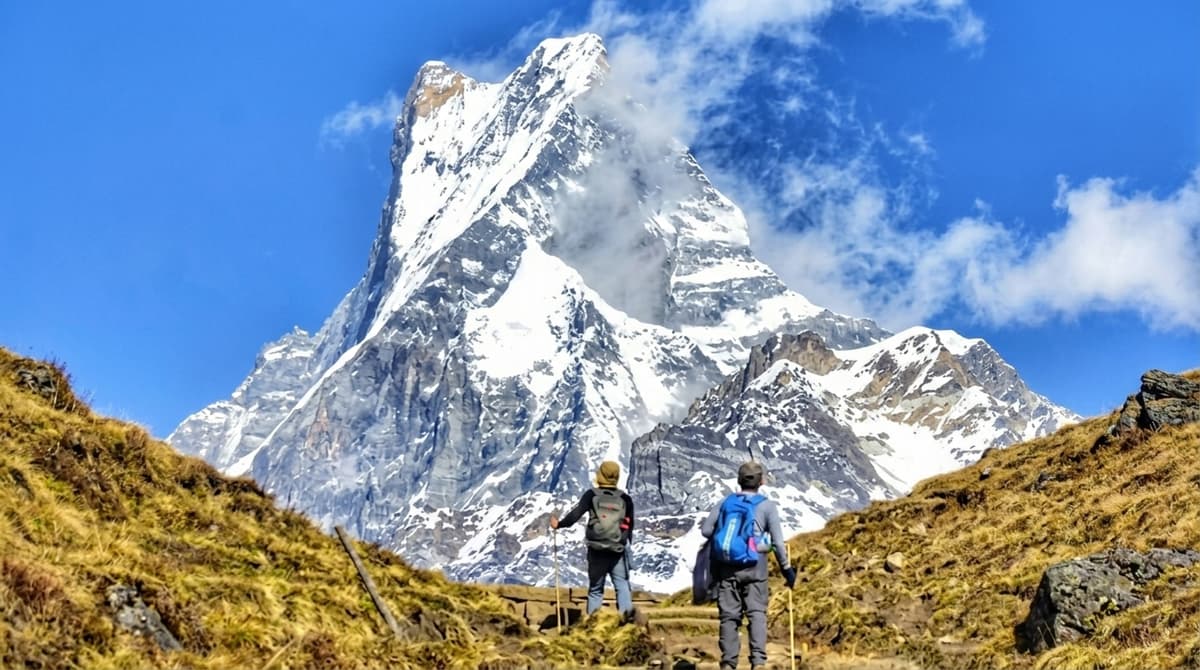
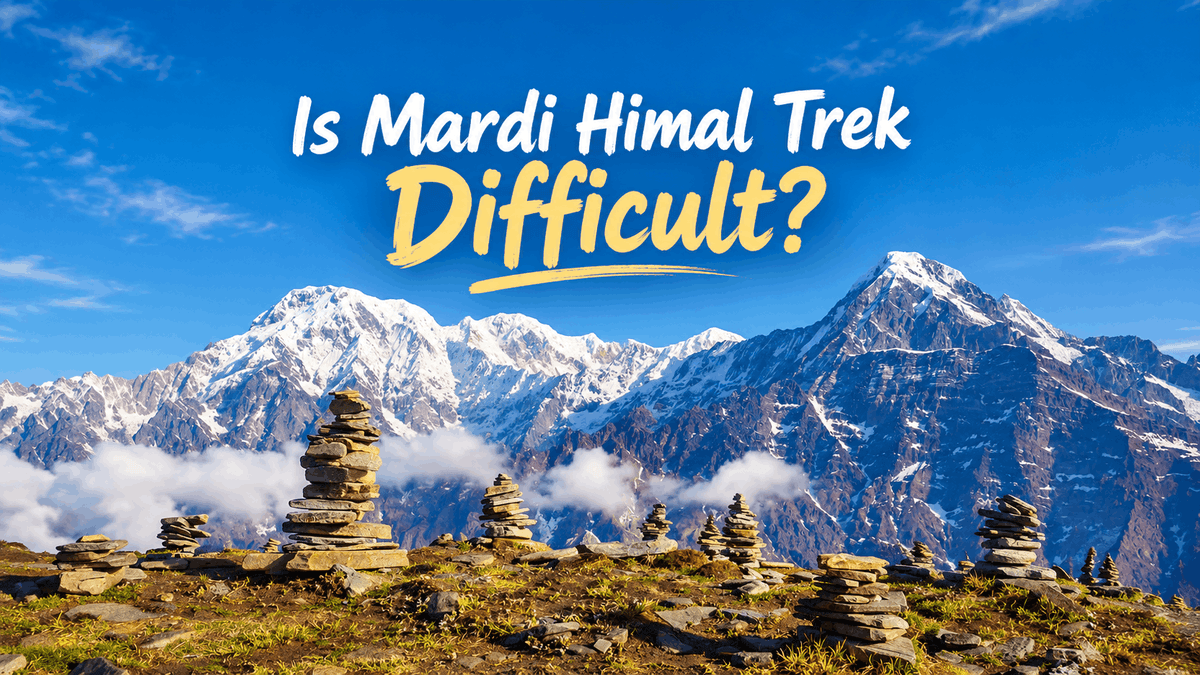
For those who intend to stay longer, they can also continue their journey to the Mardi Himal Trek for a short Himalayan adventure or to the Everest Base Camp Trek for a challenging trekking experience.
8. What should I pack for Nepal?
Bring comfortable walking shoes, light clothes, a warm jacket, sunscreen, sunglasses, travel documents, and a water bottle. For winter and/or high elevations, pack extra warm clothing.