Gokyo Ri Trek Itinerary 2026: Complete Day-by-Day Guide
The Gokyo Ri Trek Itinerary takes you to the core of the Everest region to explore turquoise Gokyo Lakes, Ngozumpa Glacier, ethnic Sherpa villages, and the renowned Gokyo Ri viewing point. At 5,357 m (17,575 ft), Gokyo Ri has a magnificent view of Everest along with many other Himalayan peaks.
The standard Gokyo Ri trek lasts 12-14 days for most international tourists; it can be shortened or lengthened based on route and side trekking options, start and end points, acclimatization days, and travel plans. Those with extra time can even include a trek to Cho La Pass and Everest Base Camp.
Here is a day-by-day explanation of the Gokyo Ri route, providing altitude, walking duration, acclimatisation points, and how the walk will feel. If you are considering other routes in the Everest region, check out the Everest Base Camp Trek Itinerary.
Key Takeaways
- Gokyo Ri stands at approximately 5,357 m (17,575 ft).
- A typical Gokyo Ri itinerary takes around 12–14 days.
- Spring and autumn are generally the best seasons.
- Acclimatization is essential because the route reaches high altitude.
- The trek is moderate to challenging, rather than a technical climbing expedition.
- Gokyo Lakes and Gokyo Ri are the main highlights.
- International travelers should allow flexibility for Lukla flight delays.
- Travel insurance should cover high-altitude trekking and emergency evacuation.
- Gokyo Ri can be combined with Cho La Pass and Everest Base Camp for a longer adventure.
Gokyo Ri Trek Itinerary at a Glance
The itinerary can vary due to flight timing, weather conditions, acclimatisation needs, and route chosen. The most common itinerary is:
| Day | Route | Approx. Elevation | Approx. Walking |
| Day 1 | Kathmandu arrival | 1,400 m / 4,593 ft | - |
| Day 2 | Kathmandu preparation | 1,400 m / 4,593 ft | - |
| Day 3 | Kathmandu – Lukla – Phakding | 2,610 m / 8,563 ft | 3–4 hrs |
| Day 4 | Phakding – Namche Bazaar | 3,440 m / 11,286 ft | 5–6 hrs |
| Day 5 | Acclimatization in Namche | 3,440 m / 11,286 ft | 3–5 hrs |
| Day 6 | Namche – Dole | 4,200 m / 13,780 ft | 5–6 hrs |
| Day 7 | Dole – Machhermo | 4,470 m / 14,665 ft | 4–5 hrs |
| Day 8 | Machhermo – Gokyo | 4,790 m / 15,715 ft | 4–5 hrs |
| Day 9 | Gokyo – Gokyo Ri – Gokyo | 4,790–5,357 m / 15,715–17,575 ft | 4–5 hrs |
| Day 10 | Gokyo – Dole | 4,200 m / 13,780 ft | 5–6 hrs |
| Day 11 | Dole – Namche Bazaar | 3,440 m / 11,286 ft | 5–6 hrs |
| Day 12 | Namche – Lukla | 2,860 m / 9,383 ft | 6–7 hrs |
| Day 13 | Lukla – Kathmandu | 1,400 m / 4,593 ft | - |
| Day 14 | Departure | - | - |
Actual trekking days and route details may vary with the operator, weather, flight schedule, acclimatisation, speed of trekking, etc.
How Many Days Do You Need for the Gokyo Ri Trek?
An easy Gokyo Ri trek will take about 12-14 days (including the journey between Kathmandu and the Everest area).
Do not plan the trek based only on the days needed to reach Gokyo. The step-by-step gain in altitude is also a good part of the experience.
A good itinerary allows time for:
- Gradual altitude gain
- Acclimatization in Namche Bazaar
- Exploration of Gokyo Valley
- The early-morning Gokyo Ri climb
- Weather or flight delays
- A comfortable return journey
Gokyo Ri Trek Route Overview
Gokyo Ri Trek Route Overview
The general route is:
Kathmandu → Lukla → Phakding → Namche Bazaar → Dole → Machhermo → Gokyo Valley → Gokyo Ri
Once arriving at Gokyo, the trekkers ascend Gokyo Ri for a view of the Himalayas before heading back the way they came.
The trek wanders through Sherpa villages and slowly transitions from lush green valleys and forests into colder, higher country.
Lukla to Namche Bazaar
Starting from Lukla, the route gradually heads downhill to Phakding, crossing parts of the Dudh Koshi River.
The next day is a slightly longer walk to Namche Bazaar.
Namche is located at an elevation of ca 3,440 m (11,286 ft) and constitutes one of the biggest villages of Khumbu.
It's another handy acclimatization checkpoint before tackling even higher elevations.
Namche Bazaar to Gokyo Valley
Namche offers time for the body to adjust to the altitude before heading on to Dole and Machhermo.
The scenery alters as you gain height. Woods turn sparse, valleys get deeper, and you are treated to ever more formidable Himalayan vistas.
Initially from Machhermo, follow the path to the Gokyo Valley with all those beautiful glacial lakes.
For those wishing to trek within the lake system itself, however, an alternative trek is provided by the Gokyo Lakes Trek. This trek traces the Gokyo Valley.
Gokyo Ri Trek Day-by-Day Itinerary
Day 1: Arrive in Kathmandu
There are a few places that you can start your Gokyo Ri trek from; the adventure begins in Kathmandu at around 1,400 m (4,593 ft).
Your journey begins when you land at Tribhuvan International Airport and check in to your hotel in Kathmandu to relax after your international flight.
Walk-ins welcome: Don't plan any strenuous activities on your first day if you are arriving on an international flight after hours of travelling. Time available to sort out your trekking gear and documents.
Day 2: Trek Preparation in Kathmandu
The second day is time to prepare.
You may also go to a briefing, have some equipment checked, get your permits ready, and pack your luggage if your trekking organization requires it.
International travelers should make sure they have:
- Passport and travel documents
- Travel insurance
- Trekking equipment
- Personal medication
- Warm clothing
- Sunglasses and sunscreen
- Nepalese cash for personal expenses
A proper preparation day makes the mountain journey more comfortable.
Day 3: Kathmandu to Lukla and Trek to Phakding
Usually the trip to the Everest area starts with a flight towards Lukla, 2,860 m (9,383 ft).
Once arrived, the trek down into the lower Khumbu Valley starts.
The route winds its way through quaint villages and follows the Dudh Koshi River to Phakding at 2,610 m (8,563 ft).
This is one of the easier trekking days. But the idea is to ease into the trek, not to pound out a 30-mile day straight away.
Day 4: Phakding to Namche Bazaar
The walk from Phakding to Namche Bazaar. This is one of the more challenging of the early days of the trek. You will have walks across suspension bridges, along the Dudh Koshi Valley, before walking into the Sagarmatha National Park.
The path will start to become steeper as you approach Namche.
Namche Bazaar sits around 3,440 m (11,286 ft). The final ascent to Namche can really take it out of you, particularly if you are new to trekking at altitude. Once you get there, take things nice and easy, giving your body time to acclimatize.
Day 5: Acclimatization in Namche Bazaar
Why need an acclimatization day in Namche for a Gokyo Ri Trek Itinerary? Acclimatization to the high altitude trekking can avoid and reduce altitude sickness. There should not be an increase in sleeping elevation, and hikers normally take a short round trip hike to avoid going up further. There is always room for the body to adjust to the higher altitude.
You can use the day to:
- Take a short acclimatization hike
- Rest your legs
- Check your trekking equipment
- Charge essential devices
- Buy small supplies
- Enjoy the mountain views
For an excellent explanation of acclimatization, see Attitude Acclimatization for Trekking: Tips for a Safe Trek.
I include this link because these acclimatization points gain greater importance the higher your trekking journey moves above Namche.
Day 6: Namche Bazaar to Dole
Once you’re used to being in Namche, your trekking trail will gradually proceed to Dole. At this stage you’re leaving the most crowded lower hills of Everest and making your way up into a peaceful mountain world! It goes uphill through alpine and mountains.
The elevation in Dole is around 4,200 meters or 13,780 ft.
Walking with a good pace and slow steps are essential at these altitudes. You might want to slow down the pace to a good speed for these heights.
Day 7: Dole to Machhermo
Next Day of Treks Dole to Machhermo. We will hike from Dole to Machhermo(around4470 m (14,665 ft) After leaving Machhermo, you'll ascend above the tree line, so the environment changes to a rugged landscape. You will feel thinner air and cooler temperatures. The surroundings become more exposed.
Machhermo is also a good night stay in between the trip before coming to Gokyo.
Since your altitude sleeping will increase many times, be focused on how you feel and avoid putting extra stress on your body.
Day 8: Machhermo to Gokyo
From Machhermo, you make your way into the Gokyo Valley.
With altitude comes rocky terrain, glaciers, and Himalayan summits, and eventually you will be on the Gokyo Lakes. Gokyo village is situated at around 4,790m (15,715ft).
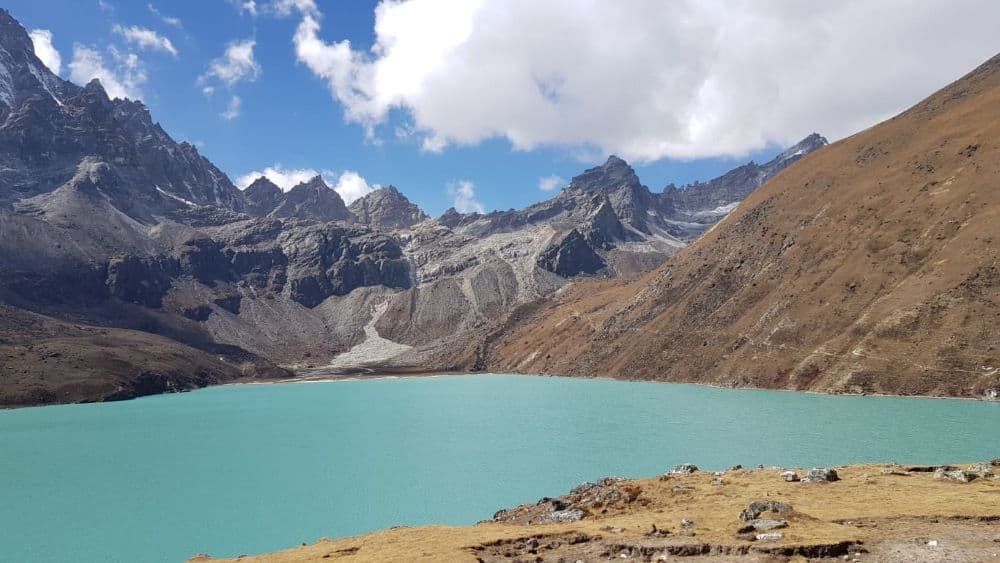
Gaining Gokyo is a significant part of the trek experience, with the beautiful surrounding peaks and the Ngozumpa Glacier and the turquoise lakes making a stunning high-altitude vista. After arriving in Gokyo, you are well enough to relax and then rise for an early morning hike up to Gokyo Ri.
Day 9: Gokyo Ri Sunrise Hike and Return to Gokyo
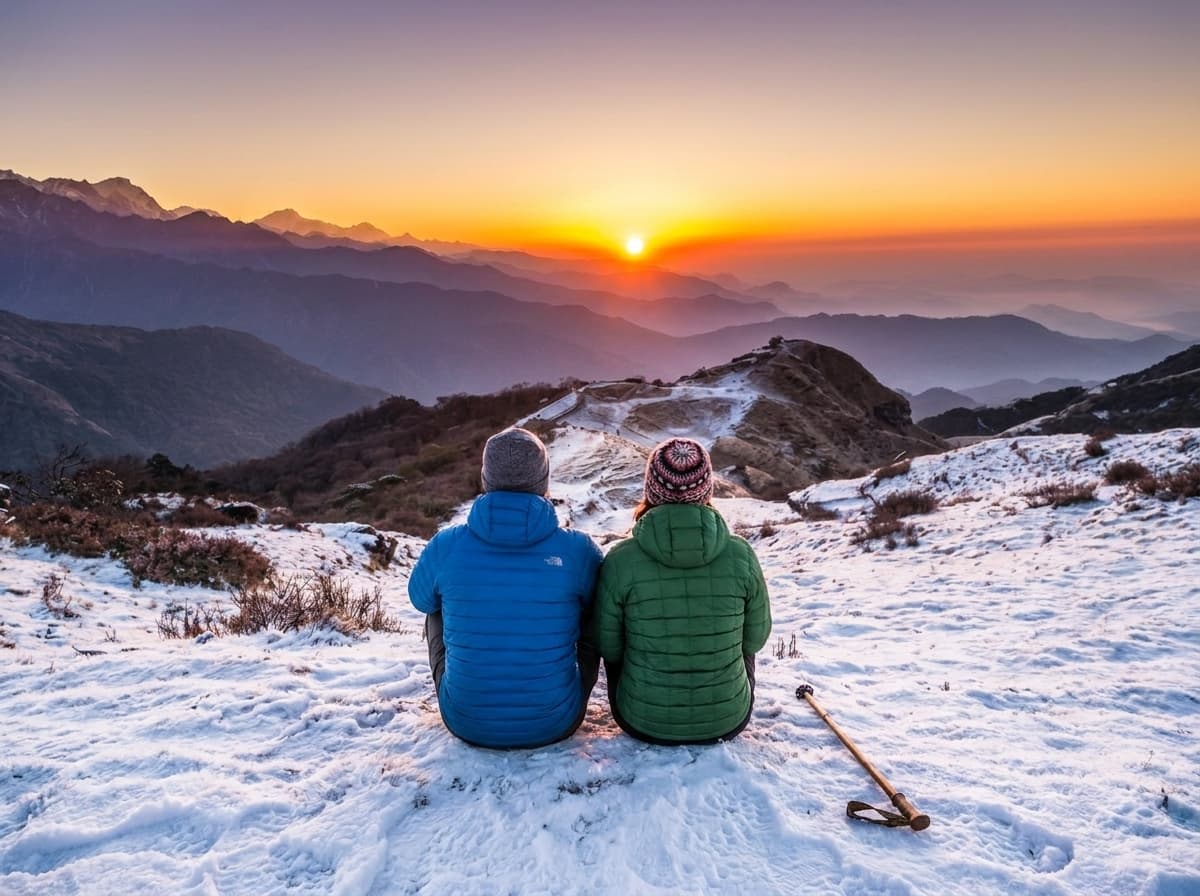
This is perhaps the crux of the Gokyo Ri Trek. Trekkers are often expected to start in the early morning hours so as to be at the viewpoint just around sunup. Specific timing can vary depending on factors like the season, prevailing conditions, as well as one’s speed and fitness.
Gokyo Ri is about 5,357 m (17,575 ft).
It is a challenging climb with several steep sections exacerbated by the altitude. Views from Gokyo Ri often comprise key Himalayan ranges like:
- Mount Everest
- Lhotse
- Makalu
- Cho Oyu
- Cholatse
- Taboche
Here at the viewpoint we got excellent views of the Gokyo Lakes as well as several surrounding glaciers. After hanging out at the viewpoint for a while, we descended back into Gokyo.
The trip down is of course much easier than climbing, but the footing was a bit rugged still. Back in Gokyo, we took a little break for breakfast before tackling another section of our hike.
What Makes the Gokyo Ri Itinerary Different?
Leave the traditional Everest Base Camp route behind and take the Gokyo Ri trip to the Gokyo Valley and its serene glacial lakes.
The trail is ideal for any trekker wanting:
- Gokyo Lakes
- A high Himalayan viewpoint
- Glacier landscapes
- Sherpa villages
- A challenging high-altitude experience
- The possibility of continuing toward Cho La and Everest Base Camp
It is also an alternative if one wants a taste of the Everest region without necessarily trekking to Everest Base Camp only.
Trekking companies have created itineraries that combine Everest region destinations with Everest Base Camp for those travelers wishing for a slightly more extended trek that involves a combination of locations.
For trekkers wishing to do a kombinierte Everest Base Camp und Gokyo trek, it’s now possible thanks to the EBC Gokyo trekking trail – Everest Base Camp Gokyo – 18 Days that joins the latter parts of the trek to EBC with Gokyo.
Gokyo Ri Trek Altitude and Acclimatization
This is possibly the one thing you absolutely cannot underestimate when looking to plan the Gokyo Ri Trek. Starting low in Kathmandu, it rapidly gains above 4000 metres and continues ascending past Gokyo until you make the summit from Gokyo. The peak you are aiming for: Gokyo Ri; 5357 metres / 17,575 feet in height.
| Location | Elevation | Elevation in Feet |
| Kathmandu | 1,400 m | 4,593 ft |
| Lukla | 2,860 m | 9,383 ft |
| Namche Bazaar | 3,440 m | 11,286 ft |
| Dole | 4,200 m | 13,780 ft |
| Machhermo | 4,470 m | 14,665 ft |
| Gokyo | 4,790 m | 15,715 ft |
| Gokyo Ri | 5,357 m | 17,575 ft |
Sticking to the gradual schedule gives your body the luxury of time, adapting slowly to the increased altitude.
The acclimatization day in Namche is also of crucial importance – be well-hydrated, pace yourself and your trek, and, should anything untoward occur, inform your guide right away.
How Difficult Is the Gokyo Ri Trek?
The Gokyo Ri Trek is moderate to hard high-altitude trekking. It requires no climbing experience, but a relatively sound fitness level is mandatory as you will need to walk for multiple hours, day after day, on a steep ascent.
Apart from the altitude, technical difficulties aren't the issue here. The climb to the summit of Gokyo Ri (over 5,300 m [17,388 ft]) can be exhausting but in a good way.
You should be prepared for:
- Long walking days
- Steep uphill sections
- Rocky and uneven trails
- Cold temperatures
- High altitude
- Reduced oxygen levels
- Early-morning hiking for the Gokyo Ri viewpoint
You can prepare by doing regular walking, hiking, stair climbing, or cardiovascular exercise before your trip.
If you are comparing Gokyo with other popular Himalayan routes, Best Treks in Nepal for Beginners can help you understand which routes are more suitable for first-time trekkers.
Gokyo Ri Trek Distance
The actual amount of km depends on how you trek and the itinerary. The normal Gokyo Ri Trek is about 90- 100 km (56-62miles) in a round trip, though it may vary based on the actual destination point and how you trek along the itinerary.
The daily Kms, however, are way more important than your final kms. The distance of travelling per day is the other more important criterion besides the total kilometers , normally you walk for around 4-7 kms a day with considerable gain in altitude.
It is sometimes tiring on long journeys, but less tiring if you walk a relatively shorter distance due to long high altitude, so on the days, especially at high above see yourself moving with consistent speed but not running.
Best Time for Gokyo Ri Trek
The best seasons for the Gokyo Ri Trek are generally spring and autumn.
Spring: March to May
March often has stable weather and great mountain vistas.
In higher areas, it will still be cold, but in April or May it will get warmer. Vegetation colors on the lower part of the trail also start developing.
Autumn: September to November
Why October is a Fantastic month to trek in the Everest region: There is typically an end to the rainy season, the sky is clearer, and views of the mountains look fantastic.
Everest’s season high point among trekkers for an autumn trip is October, as there’s perfect clarity for seeing the highest peaks in the world. Whether this is your first trek or not, be prepared with an overview of what’s involved in the best month to trek Everest Base Camp guide.
Winter: December to February
The winter months involve very cold temperatures, heavy snowfall, and extremely short days.
Gokyo Ri is still achievable for an experienced trekker, but the journey can be extremely challenging. Those travelling in winter have to expect sub-zero temperatures and potential for disruptions.
Monsoon: June to August
The monsoon season brings heavy rainfall to much of Nepal.
The Everest region receives less rain than some lower areas, but clouds, wet trails, and flight disruptions can still affect travel plans.
For most travelers, spring and autumn remain the easiest seasons for a first Gokyo Ri Trek.
Gokyo Ri Trek Permits
Trekkers need a permit & entry document for trekking in everest region.
The key permits required are typically the entry permit to Sagarmatha National Park and the relevant local area permit.
Permit types and costs may vary and so should be double-checked before departure. MAT Nepal offers more generic information, and trekkers can consult Trekking Permits and Fees for Popular Trekking Route in Nepal.
International trekkers need to carry a copy of their passport along with the trek permit document.
Accommodation During the Gokyo Ri Trek
Accommodation on the Gokyo Ri trek is commonly taken in teahouses and trekking lodges.
The rooms are usually basic and are made for trekkers rather than for luxury tourists.
Accommodation choice is better at lower altitudes such as Namche.
A typical teahouse may provide:
- Basic private or shared rooms
- Beds and mattresses
- Blankets
- Dining area
- Hot meals
- Charging facilities where available
Things can be quite primitive at higher altitudes, and prices are higher due to transportation costs.
Food and Drinking Water on the Gokyo Ri Trek
Food is available at teahouses and lodges throughout the main route.
Common meals include:
- Dal bhat
- Noodles
- Rice dishes
- Pasta
- Soup
- Momos
- Eggs
- Porridge
- Bread and potatoes
Trekkers particularly favor dal bhat, as it is a filling combination of rice, lentils, veg, and also has some extra food and side dishes.
Larger towns can serve up international-standard food if you are a visitor; at the higher levels the options reduce quite significantly.
Trekkers can drink bottled water, or you can get clean water from refill depots if there is any, and avoid taking much plastic-you should probably carry a refillable water bottle and a suitable water purifying system.
Gokyo Ri Trek Cost
The total expenses depend on your trekking package, season, group size, accommodation, guide and porters fees, permits, travel costs, and personal expenses
Your budget should generally account for:
| Expense | What It Covers |
| Trekking package | Guide, accommodation and other included services |
| Flights | Kathmandu–Lukla or applicable mountain transportation |
| Permits | Required trekking and conservation permits |
| Food | Meals during the trek |
| Accommodation | Teahouses and lodges |
| Guide/porter | Professional trekking support |
| Insurance | Travel and high-altitude coverage |
| Personal expenses | Drinks, charging, Wi-Fi, snacks and tips |
| Equipment | Trekking gear purchased or rented |
Be advised that international trekking costs can vary between independent planning and package tours. You can then see and compare these options with Manaslu Circuit Trek Cost In 2026 article if you plan your trekking costs anywhere between this range for Nepal tours.
Make sure to get a comprehensive plan that offers you the highest in comfort, efficiency, and enjoyment, but stays within your overall budget.
International travellers must also ensure that the plan adequately provides for any trekking that requires high-altitude travel and in certain situations includes medical evacuations, so that if it all of the worst does happen, you will not suffer financial loses.
What Should You Pack for the Gokyo Ri Trek?
What goes into your pack to keep you warm without weighing you down is the key for trekking Gokyo Ri.
Essential items include:
- Trekking boots
- Warm down jacket
- Fleece or insulating layers
- Waterproof jacket
- Trekking trousers
- Thermal base layers
- Warm gloves
- Wool or thermal socks
- Sun hat and warm hat
- Sunglasses
- Sunscreen
- Water bottle
- Headlamp
- Trekking poles
- Personal first-aid supplies
- Power bank
- Passport and travel documents
Do not overpack.
A lighter backpack is especially helpful during the longer uphill sections.
Travelers who want a more detailed packing checklist can refer to What to Pack for Your First Trek.
Gokyo Ri Trek for International Travelers
International travelers should plan for more than just the trekking route.
Travel Insurance
Choose insurance that specifically covers trekking at high altitude.
Check the maximum altitude covered by your policy and understand the conditions for emergency evacuation.
Flights to Lukla
Mountain flights can be affected by weather.
Avoid scheduling an international departure immediately after your expected return from the mountains.
Keeping at least one flexible day in Kathmandu is a sensible option.
Money
Carry enough Nepalese cash for personal expenses.
Card and digital payment facilities are more limited as you move toward higher elevations.
Internet and Charging
Wi-Fi and mobile connectivity may be available in some villages, but the connection can become slower or less reliable at higher elevations.
Charging may also cost extra at some lodges.
Travel Pace
International travelers arriving from sea-level or low-altitude destinations should not underestimate the effect of elevation.
A slower pace is normal.
There is no advantage to rushing through the trail.
Gokyo Ri Trek vs Everest Base Camp Trek
They’re two of the most sought-after experiences to have in the Everest Region, Gokyo Ri vs Everest Base Camp, and they focus on different, and in some ways opposing things.
| Featre | Gokyo Ri Trek | Everest Base Camp Trek |
| Main highlight | Gokyo Ri and Gokyo Lakes | Everest Base Camp |
| Highest point | Gokyo Ri – 5,357 m / 17,575 ft | Kala Patthar is higher than EBC |
| Landscape | Lakes, glaciers and mountains | Villages, glaciers and Everest Base Camp |
| Experience | Quieter alternative | Quieter alternative Classic Everest experience |
| Best for | Lakes and panoramic views | Reaching Everest Base Camp |
| Extension | Cho La and EBC | Three Passes or other extensions |
Can You Combine Gokyo Ri With Everest Base Camp?
Yes. Travelers who have more time can hike the Gokyo valley to EBC via chopper, and they may link EBC to Gokyo valley using the same chopper.
However, this is more popular on treks, so the alternative would be to go to EBC via the Gokyo Valley and Gokyo Ri, and on their way down they cross Cho La Pass to the EBC area, and vice versa.
Mountain Adventure offers the Gokyo Ri Cho La Pass Everest Base Camp Trek for travelers looking for this extended route.
For travelers who prefer a shorter combined itinerary, the Everest Base Camp Trek with Gokyo – 18 Days is another option.
Is Gokyo Ri Trek Suitable for Beginners?
The trek can be suitable for fit and well-prepared beginners, but it should not be treated as an easy beginner hike.
The high altitude makes it more demanding than many lower-elevation trekking routes in Nepal.
First-time high-altitude trekkers should:
- Train before the trek
- Follow a gradual itinerary
- Take acclimatization seriously
- Walk at a comfortable pace
- Stay hydrated
- Listen to their guide
- Avoid ignoring altitude-related symptoms
Previous trekking experience is helpful, but preparation and responsible pacing are equally important.
6 Practical Tips for a Successful Gokyo Ri Trek
To increase the chances of a successful Gokyo Ri Trek, here are some practical tips:
Here are some practical tips for a successful Gokyo Ri Trek:
To successfully complete the Gokyo Ri Trek, one needs to be well prepared, have a good pace, and be flexible. Conditions change rapidly, so don't schedule rides too closely.
1. Train Before the Trek
There is no need for technical climbing skills, but fitness is important. Train using uphill walking, hiking, stair climbing, or cardio. Focus on building endurance rather than speed.
2. Walk Slowly at High Altitude
Slow and steady as you climb. Avoid running out of steam early in the day, drink plenty of water, and take breaks. Climbing with your guide's speed can also aid with acclimatization.
3. Watch for Altitude Sickness
However, anyone can be affected by altitude sickness. Common symptoms are headache, dizziness, nausea, tiredness, and difficulty sleeping. Do not assume that symptoms will get better. Report to the guide and descend if needed. Read How to Avoid Altitude Sickness on High Altitude Treks for more preparation.
4. Keep Your Itinerary Flexible
Weather conditions at Lukla may impact flights to and from the airport. The person departing internationally should plan for a buffer day prior to his/her international flight to minimize the chance of missed flight connections.
5. Respect Local Culture
Sherpa and Buddhist culture is strong in the Gokyo region. Obtain permission before taking pictures of persons, refrain from taking photos of monasteries and places for prayer, and act in keeping with the local customs in villages and religious institutions.
6. Trek Responsibly
Reduce and eliminate unnecessary plastic use, take waste with you, stick to designated trails, and utilize local services where available to protect the Everest region. Read more about responsible travel in Nepal in How to Travel Responsibly in Nepal.
Gokyo Ri Trek With a Guide or Independently?
The choice depends on your experience, confidence, and travel preferences.
Trekking With a Guide
A guide can help with:
- Route navigation
- Altitude management
- Accommodation
- Local communication
- Weather-related decisions
- Emergency situations
Independent Trekking
Trekkers with experience may want more flexibility and independence. But you still need to know the route, permits, accommodation, weather, and altitude risks. Whether you're a minimalist or a gear junkie, good preparation is vital.
What Should You Know About Lukla Flights?
Your Lukla flights, in many ways, are the single most important logistical item on your trek. Because flight schedules can often be affected by the weather and/or cancelled. That means your Gokyo Ri itinerary can not have extremely tight connections.
Once you land in Kathmandu from your international flight, make sure you’ve allotted ample space between your arrival time and Lukla departure.
Also make sure you have space between your Lukla return time and your own international flight booking out of Kathmandu. A little precaution goes a long way if the weather conditions turn for the worse!
Can You Do Gokyo Ri Trek Without Previous Trekking Experience?
Yes, a physically prepared beginner can do the trek, but do not underestimate the high altitude.
The most important factors are:
- Good physical preparation
- Gradual altitude gain
- Proper acclimatization
- Appropriate clothing and equipment
- A realistic walking pace
- Awareness of altitude-related symptoms
How Early Should You Book the Gokyo Ri Trek?
A good suggestion would be booking in advance, especially in spring and autumn trekking season. International trekkers should think of the below arrangements before setting foot in Nepal:
- International flights
- Travel insurance
- Trekking package
- Accommodation in Kathmandu
- Domestic or mountain flights
- Necessary permits
- Trekking equipment
If you travel at a quieter time, you may have more flexibility. But if you are tied to international travel dates, advance planning is still advised.
If you have questions about the itinerary, availability, or want to customize your trip, Contact Us to discuss your Gokyo Ri Trek plans with theMountain Adventure trekkingl team.
Conclusion
The Gokyo Ri Trek is an alternative route to the Everest region.
The route doesn't just pass through the beautiful Everest Base Camp, but also through the beautiful Gokyo Valley, past turquoise glacial lakes, through high mountain landscapes, and finally to the panoramic viewpoint of Gokyo Ri.
The importance of any hike is not how fast you go.
Allow adequate time for acclimatization and preparation, be adaptable to the mountain environment, and do not ignore your body's signals.
Those who wish to visit both Gokyo and Everest Base Camp may find a combination of both routes to be even more in-depth in the Himalayas.
For an organised itinerary that links these destinations, visit MAT Nepal's Everest Base Camp Trek with Gokyo – 18 Days and check out how the combined trek is organised!
For those who wish to head further than Gokyo and EBC, the longer Gokyo Ri Cho La Pass Everest Base Camp Trek – 21 Days offers another high-altitude outing in the Khumbu region.
As always, the ideal Gokyo Ri hike is whatever is right for you based on your physical abilities, time constraints, season, and tolerance for high-elevation hiking.
Gokyo Ri Trek Itinerary: Frequently Asked Questions
1. How many days does the Gokyo Ri Trek take?
Typically, the Gokyo Ri trek spans over 12-14 days, varying based on the trek schedule, rest/acclimatization days, and flight arrangements.
2. What is the highest point of the Gokyo Ri Trek?
The highest altitude of the Gokyo Ri trek is Gokyo Ri, at an elevation of 5,357 m (17,575 ft). From here, you can see panoramic views of the entire Everest region.
3. Is Gokyo Ri Trek difficult?
The Gokyo Ri trek is of moderate difficulty due to the high altitude, long days of walking, and steep sections on most of the climbs. Good fitness level and proper acclimatization are crucial for the Gokyo Ri trek.
4. What is the best time for Gokyo Ri Trek?
Spring (March–May) and autumn (September–November) are generally the best seasons for clear mountain views and favorable trekking conditions.
5. Can beginners do the Gokyo Ri Trek?
Yes, fit and well-prepared beginners can complete the trek. However, the high altitude requires proper preparation, gradual ascent, and careful acclimatization.
6. Can I combine Gokyo Ri with Everest Base Camp?
Yes. Gokyo Ri can be combined with Everest Base Camp through Cho La Pass, creating a longer and more challenging Everest-region adventure.
7. Do I need a guide for the Gokyo Ri Trek?
A guide is highly recommended, especially for international travelers, as they can assist with navigation, accommodation, altitude management, and unexpected situations.
8. How early should I book the Gokyo Ri Trek?
Booking your Gokyo Ri trek several weeks to a few months in advance is highly recommended, especially for treks scheduled during spring and autumn. Booking earlier also gives you more flexibility while choosing your flights, accommodation, and other trek arrangements.