Gokyo Lakes Trek: Route, Difficulty & What to Expect
The Gokyo Lakes Trek is one of the most scenic and quiet treks in the Everest region, and a great way to see a different side of the area.
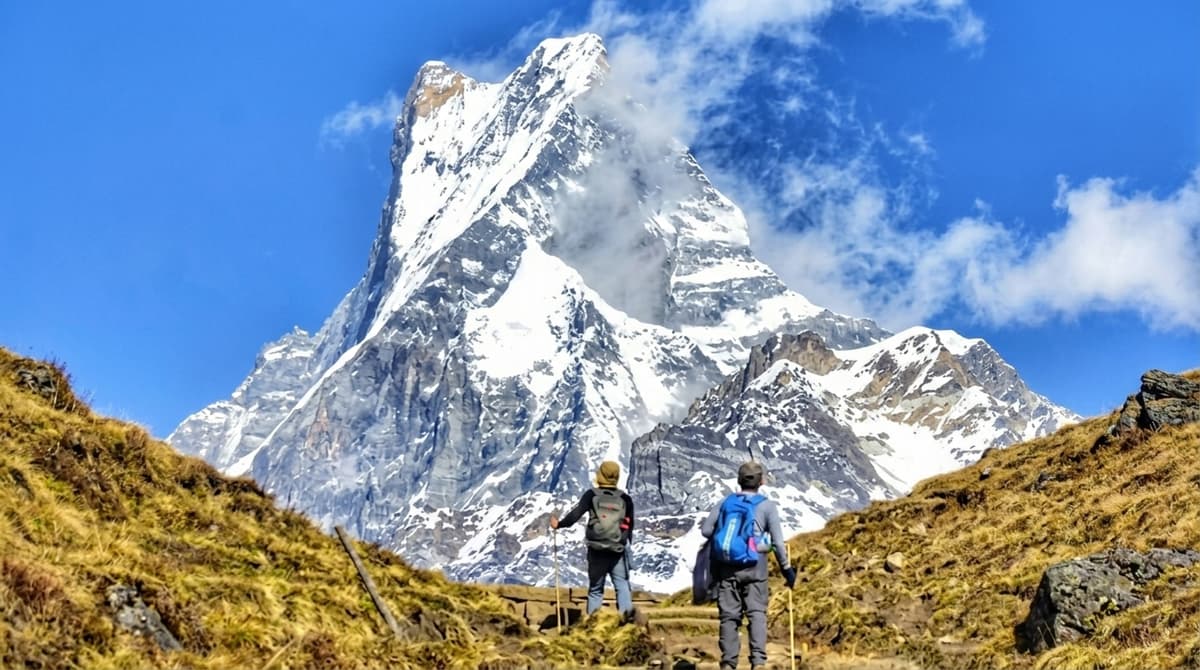
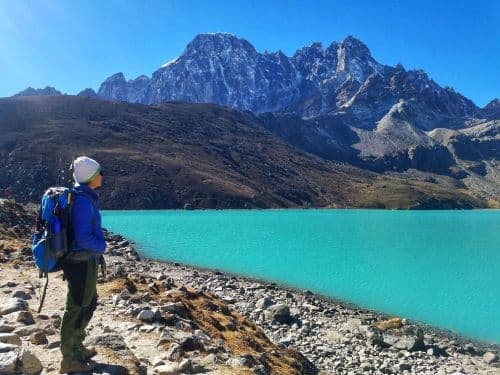
The trek is surrounded by turquoise glacial lakes, vast snow covered peaks and the towering Ngozumpa glacier providing a raw and peaceful Himalayan experience.
The Gokyo trail is less crowded than other trails and offers a more remote and immersive experience, perfect for those looking to escape the hustle and bustle and immerse themselves in the dramatic scenery.
It is also a popular option for those traveling to Everest Base Camp Trek with Gokyo - 18 Days trek, where they experience the iconic trek combined with the beautiful Gokyo Valley. Gokyo Ri Cho La Pass Everest Base Camp Trek is the full circuit trek that goes through the high passes or Everest Base Camp Trek – 15 Days is the classic direct trek.
Overview of Gokyo Lakes Trek
The Gokyo Lakes trek is located in the Everest region of far north-eastern Nepal, part of the UNESCO World Heritage of Sagarmatha National Park, home to its glaciers, biodiversity and Sherpa culture.
It takes off from Namche Bazaar and heads west towards the quiet Gokyo Valley where there are six sacred glacial lakes. These lakes are one of the highest freshwater lake systems in the world and they play an important ecological and spiritual role.
This is a quieter route that you won't encounter crowds of people like you would on the Everest Base Camp trail and you will be able to see more glaciers.
Key Trek Facts
| Feature | Details |
| Region | Everest (Khumbu) |
| Duration | 10–14 Days |
| Max Elevation | 5,357m (Gokyo Ri) |
| Difficulty | Moderate–Challenging |
| Accommodation | Teahouses |
| Best Seasons | Spring & Autumn |
Gokyo Lakes Trek Route Explained
The journey begins with a flight to Lukla, followed by a trek through traditional Sherpa settlements and gradually increasing alpine terrain.
| Day | Route | Highlights |
| 1 | Lukla → Phakding | River valleys, first Himalayan views |
| 2 | Phakding → Namche Bazaar | Suspension bridges, Everest region entry |
| 3 | Acclimatization in Namche | Everest viewpoints, Sherpa culture |
| 4 | Namche → Dole | Forest trails, quiet atmosphere |
| 5 | Dole → Machhermo | Alpine landscapes, yak pastures |
| 6 | Machhermo → Gokyo | First glacial lake views |
| 7 | Gokyo Ri climb | Sunrise over Everest region |
| 8 | Return to Lukla | Descent through valley |
Lukla to Namche Bazaar
It starts in Lukla and then follows the river Dudh Koshi through the forest and into the traditional villages. Before reaching Namche Bazaar, there are several suspension bridges adorned with prayer flags for trekkers to cross.
Namche is the center of the Khumbu region as well a major acclimatization stage. It is a popular stopover for many trekkers as they make their way to the vantage points and for higher altitude trekking.
Namche to Dole
Namche is the last point on the main route to EBC. The noise subsides and the landscapes begin to change, moving from wooded areas to open ridgelines and vistas of the mountains.
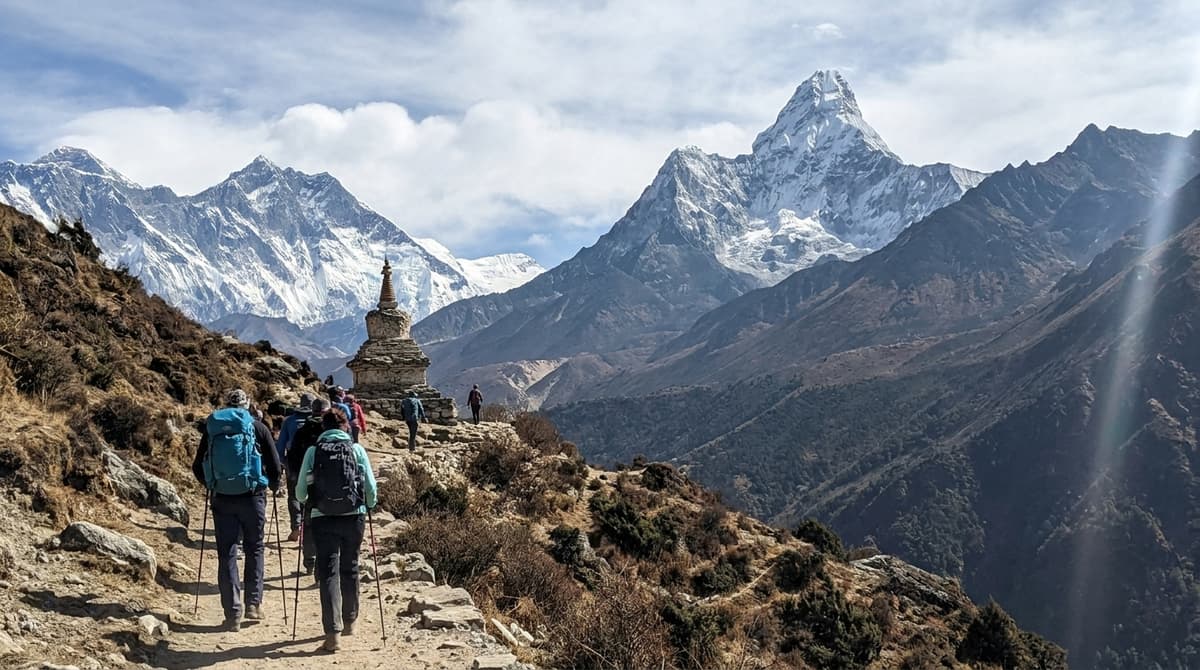
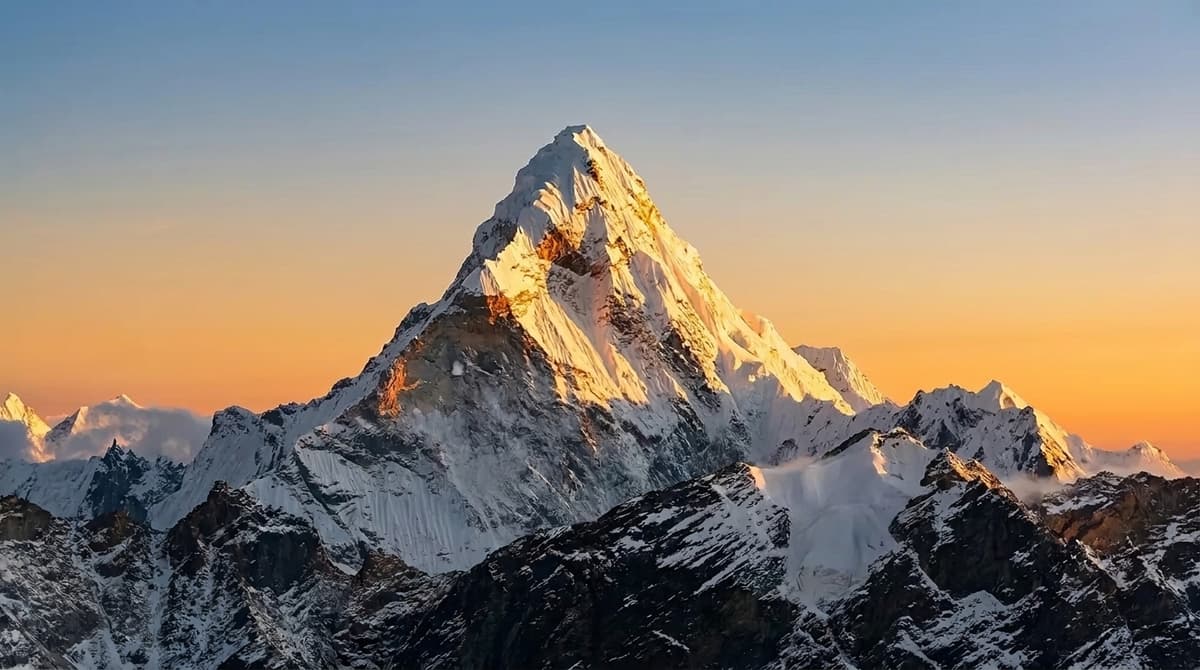
It gradually climbs upwards into higher ground, providing glimpses into Ama Dablam and other iconic peaks.
Dole to Machhermo
The path gets more of an alpine feel; there's less wood and more open field. Along this section one can expect to see yack caravans.
Machhermo is a small settlement, famous for its hospitality and is a very important acclimatisation point before getting to Gokyo Valley.
Machhermo to Gokyo
This is one of the most beautiful places to hike. The trail follows the huge Ngozumpa Glacier, Nepal's largest glacier, and ends at the turquoise color Gokyo Lakes.
The contrast among ice, water and mountains makes one of the most iconic views within the Everest region.
Gokyo Ri Sunrise
The ascent to Gokyo Ri is tough yet rewarding. On top the trekkers can see:
- Mount Everest
- Lhotse
- Makalu
- Cho Oyu
- Ngozumpa Glacier
- Gokyo Lakes system
This is more dramatic than other views in the Everest area.
Difficulty Level of Gokyo Lakes Trek
The Gokyo Lakes Trek is considered a moderate to difficult trek, primarily as a result of altitude and not technical.
The trail has a lengthy day of walking and a considerable amount of elevation gain, but there are no climbing requirements.
How Difficult is the Everest Base Camp Trek? provides a reference for trekkers who are comparing this trek with the Everest Base Camp trek.
Major Difficulty Factors
- Areas at high altitude (above 5,000m)
- Taking longer trekking hours (5- 7 hrs a day)
- Cold weather conditions
- Rather steep rises on some slopes
Appropriate preparation and pacing are required to ensure a safe experience.
Best Time for Gokyo Lakes Trek
Spring and fall are the best times to trek as the weather is fairly stable and visibility is good.
Spring (March–May)
- Rhododendron blooms
- Clear skies
- Pleasant temperatures
Autumn (September–November)
- Best visibility
- Dry trails
- Ideal trekking conditions
Solitude comes with extreme cold in winter and rain with poor visibility in the monsoon season.
Gokyo Lakes Trek Permits
To enter the Everest region, trekkers need:
- Sagarmatha National Park Permit
- Khumbu Pasang Lhamu Rural Municipality Permit
More details can be found in Trekking Permits and Fees for Popular Trekking Routes in Nepal.
Here are Some Ideas on What to Bring to Gokyo Lakes Trek
The right packing makes for safe and comfortable travel in the ever-shifting climate of the Himalayas.
Essentials
- Layered clothing system
- Down jacket
- Waterproof shell
- Trekking boots
- Coveralls or gloves and thermal wear are required.
- Sleeping bag (rated -10°C)
- Trekking poles
For a full checklist, see What to Pack for Your First Trek.
Altitude Sickness & Acclimatization
One of the main concerns of the Gokyo Lakes Trek is altitude sickness, which occurs at higher altitudes above 5000m.
Trekkers should take acclimatization days seriously, ascend slowly, keep well hydrated and keep a steady pace to minimize the risk.
Knowing what to expect and how to prevent altitude sickness before you go on a high altitude trek will help to identify symptoms early and take preventative measures.
The suggestions in altitude acclimatization for trekking also recommended to help your body acclimatize properly at higher elevations.
Symptoms
- Headache
- Nausea
- Dizziness
- Fatigue
Prevention
Acclimatisation is a must. Trekkers are recommended to go up slowly and take the time for rest days. Taking water, pacing and knowing the symptoms substantially decrease risks.
Is Gokyo Lakes Trek Right for You?
This trek is best for those who are fit enough to walk and are willing to do so at higher elevations.
Beginners: May be able with guidance and practice.
Experienced Trekkers: Perfect for its peaceful trails and spectacular views. Many trekkers also find Everest Base Camp trek - 15 Days to be a good alternative.
Gokyo Lakes Trek Highlights
- Gokyo Lakes: A total of six magnificent turquoise lakes encircled by snow peaked mountains.
- Gokyo Ri: One of the best points in the Himalayas.
- Ngozumpa Glacier: The largest glacier in Nepal which runs in the valley.
- Sherpa Culture: Old villages, monasteries and hospitality.
Conclusion
The Gokyo Lakes Trek is one of the best treks in Nepal that offers a perfect mix of nature, culture, and a high-altitude adventure.
It is less crowded than Everest Base Camp and also offers breathtaking views, making it a great option for those looking to explore the Himalayas in 2026.
The Everest Base Camp Trek with Gokyo – 18 Days and the Gokyo Ri Cho La Pass Everest Base Camp Trek offer more in-depth opportunities for exploring the Everest region.
Gokyo is a perfect destination for trekking in Nepal for its serene trails, stunning lakes, and breathtaking panoramic views of the Himalayas.
FAQs
1. How difficult is the Gokyo Lakes Trek?
The Gokyo Lakes Trek is rated as moderate to difficult in terms of the high altitude, steep sections and long walking days.
2. How many days will the Gokyo Lakes Trek take?
Commonly, most tours last 10-14 days, depending on the route and acclimatization program.
3. What is the maximum altitude of the walk?
The highest point is Gokyo Ri (5,357m / 17,575ft). The best time of year for the Gokyo Lakes trek is March to May.
Spring (March-May) and autumn (September-November) are the best seasons.
5. Is the Gokyo Lakes Trek a trek for beginners?
Yes, it's possible for the trek to be done by beginners with good fitness and acclimatization.
6. Do I need a guide for the Gokyo Lakes Trek?
While some people don't necessarily need a guide, it is strongly advised to have one for safety and knowledge of the area.
8. Do you have a low tolerance for altitude sickness?
Yes. Proper acclimatization is important as the trek is above 5000 m.
9. How many days does the Gokyo Lakes Trek take?
These permits include Sagarmatha National Park Permit and Khumbu Pasang Lhamu Rural Municipality Permit.
10. Is there any teahouse on the way?
Yes, there are teahouses in all the main villages including the Namche Bazaar, Dole, Machhermo and Gokyo.
11. The mountain is suitable for climbing.
Yes, Gokyo Ri has one of the best panoramic views of Everest, Cho Oyu, Makalu and Gokyo Lakes.