Khopra Ridge Trek: Cost, Difficulty & Best Itinerary
The Khopra Ridge Trek is one of the quietest of the Himalayan treks in Nepal, and is a good alternative to the crowded Annapurna trails. This way of traveling offers plenty of wide mountain views, real village life, and a relaxed pace of travel, free from the hustle and bustle.
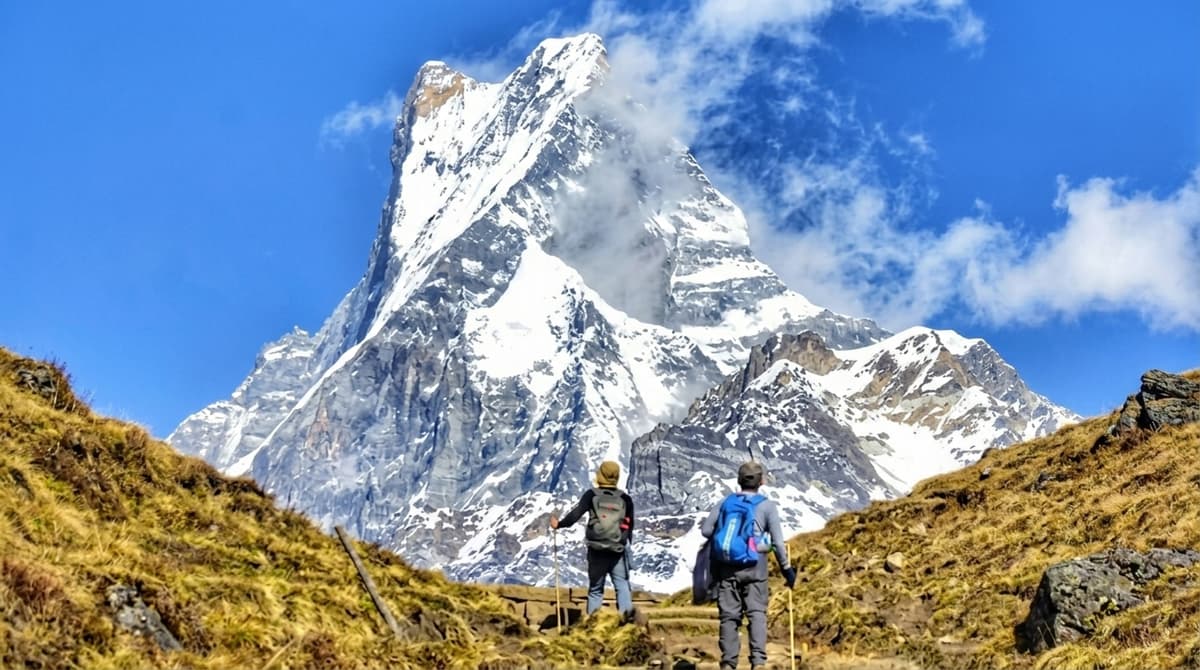
Unlike the popular Annapurna Base Camp trek, the Khopra Ridge trek offers trekkers an uninterrupted view of Dhaulagiri, Annapurna South, Nilgiri, and Machhapuchhre from a tranquil ridgeline above 3600m. The trail also helps you to discover traditional Gurung and Magar villages, where community tourism has an important role in supporting the local livelihoods.
Staying in community lodges, where simple but warm hospitality is offered by villagers themselves, is one of the most memorable aspects of the journey. The Khayer Lake trek provides an optional high adventure above 4,600 m for those wishing for more.
Why Choose the Khopra Ridge Trek?
The Khopra Ridge Trek is one of the less-busy treks in Nepal, unlike the popular Annapurna routes.
It goes through tranquil forests, cultural villages, and through open ridgelines where you will seldom find big groups of trekkers. This can make it feel like a personal experience and an immersive experience.
In the Khopra area, community lodge trekking is strongly promoted in Nepal as a means of income that directly benefits local schools, infrastructure, and village development, as opposed to commercial trekking routes.
Trekkers can enjoy one of the best panoramic views in the Annapurna region from Khopra Danda. But the sight at sunrise over Dhaulagiri and Annapurna South is considered to be the emotional highlight of the trek.
You can also explore the Mardi Himal Trek and Annapurna Base Camp Trek - 14 Days. These are the best, less crowded treks in Nepal.
Khopra Ridge Trek Difficulty
The Khopra Ridge Trek difficulty is moderate, but it requires good stamina and mental preparation.
Walking on mixed terrain with stone steps, forest trails, and steep inclines makes up most of the trekking days, with walking time of 5-7 hours. The ascent starts to get tough as you near Khopra Danda.
The main ridge is at about 3,660m, and the side trip to the Khayer Lake is at 4,660m, making it quite a challenging climb.
The continual uphill sections are underestimated by many trekkers between Tadapani and Bayeli. It is important to pace this properly.
This hike is easy to do if you are well prepared. In fact, many first-time trekkers go on this trail just after reading a beginner trekking guide like Best Treks in Nepal for Beginners.
It is strongly recommended to be aware of the risks of altitude for safety and comfort. The book Altitude Acclimatization for Trekking Tips is a useful guide for how to avoid altitude sickness during slow ascent.
How to Prepare for Trekking in Nepal is another valuable resource for first-time trekkers to get fitness and preparation tips.
This is the Cost Breakdown for the Khopra Ridge Trek
When it comes to the Khopra Ridge Trek cost, the price range can differ significantly based on your travel habits, guide preferences, and whether you are going with a trekking company or on your own.
The average trekker's expense for the overall trek is USD 500 – USD 1,400.
Permit Costs
Typically requires:
- The Annapurna Conservation Area Permit (ACAP) is approximately USD 30.
- The following is based on the requirements of the TIMS cards and may change based on current regulations, and whether you are traveling on your own or with a guide.
Annapurna Conservation and Trail Management is supported by permit fees.
Guide and Porter Costs
Local employees provide additional safety and boost local employment.
Typical rates:
- For trekking guides, the prices range from USD 25 to 40 per day, depending on their license.
- The Porter charges between USD 18 and USD 25/day.
Some trekkers share a porter between themselves.
Transportation Costs
Common travel costs are:
- Tourist bus from Kathmandu to Pokhara is available at a price of USD 10 – 25.
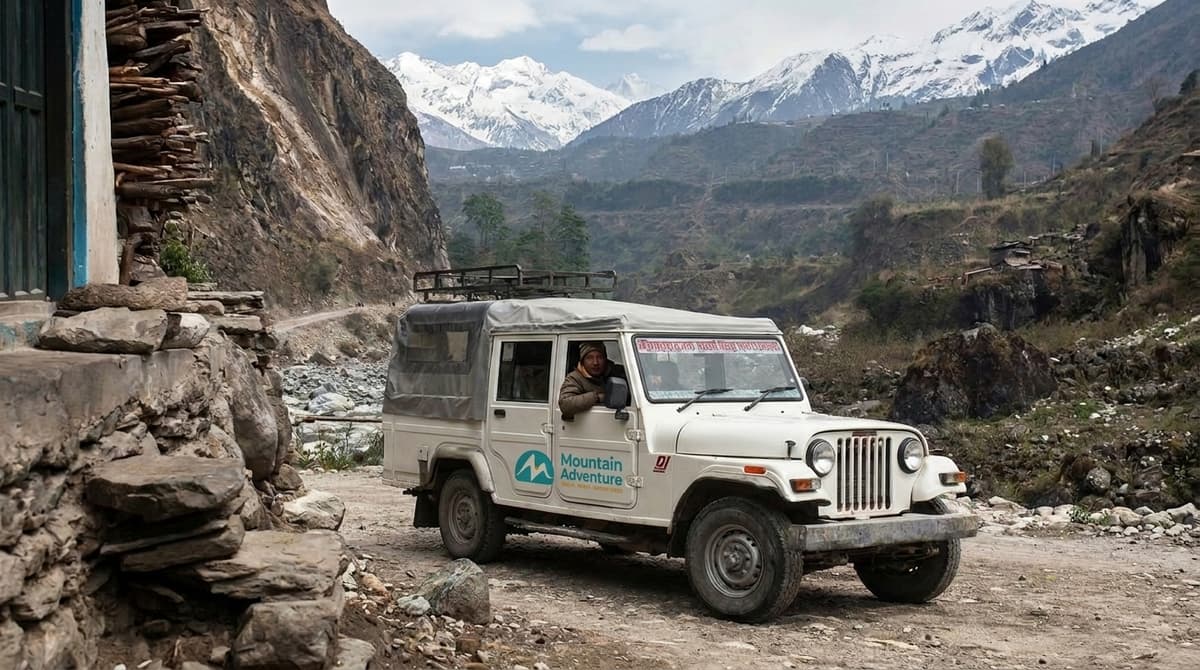
- Private jeep transfers: USD 150 – 300 per person, depending on the number of people in a group.
- Cost of jeep to trek from local point: USD 20–40
There are more flights from Kathmandu to Pokhara, but they are more expensive and quicker.
Accommodation Costs
Relatively inexpensive tea houses and community lodges are available.
Average prices:
- You can find basic tea house rooms at USD 5-15 per night.
- The Community lodges are slightly higher at higher elevations.
Rooms are typically dim and have twin beds, blankets, and shared bathrooms.
Food Costs
As the elevation rises, so does the cost of food.
Average meal prices:
- Dal bhat: USD 5–8
- The price of noodles or pasta is between USD 4 and USD 7.
- Breakfast items: USD 3–6
- Coffee and tea: USD 1-4
The realistic expectation of food spending is USD25-40 per day.
Gear Rental Costs
You can rent from rental shops in Kathmandu or Pokhara:
- Assistive device for sleeping in the cold: USD 1–3 per day
- Down jacket: USD 2-4 per day.
- Bike hire: USD 10–15 per day
Other Expenses
Some expenses aren't considered by many:
- Outside the gallery, a charge of $1–4 is charged per device.
- WiFi: free and paid (limited)
- Hot showers: USD 2–5
- Snacks and other beverages are provided.
- Travel insurance including helicopter evacuation.
- Advice to guides/porters
- Estimated Trek Budgets
Budget Trekker
USD 500–800
- Self-guided or basic guided hike
- Shared transport
- Simple tea houses
Mid-Range Trekker
USD 800–1,100
- Guide and porter
- Better accommodations
- More comfortable transport
Guided Package Trekker
USD 1,100–1,400+
- Full logistics support
- Airport transfers
- The sample meal is included with the permit.
The contents of trekking packages typically change from one trip to another and from one supplier to another, depending on the length of the trip and what services are provided.
Practical budgeting advice:
- Bring adequate cash from Pokhara
- On the trail, ATMs are not to be trusted!
- Allow for weather delays.
- Don't completely depend on mobile payment
Useful resources:
- Trekking Permit Nepal and Trekking fees in Nepal for the popular trekking route.
- Luxury Trekking in Nepal has its cost, itinerary, and Booking guide. Luxury Trekking in Nepal has its cost, itinerary, and Booking Guide.
The Best Khopra Ridge Trek Itinerary
The 14-day Khopra Ridge Trek is a well-balanced tour to ensure acclimatization and have the true experience of the Khopra Ridge.
Day 1: Kathmandu City Tour and arrival
Rest and trek preparation.
Day 2: Drive or Fly to Pokhara
6 to 8 hours by road or short flight.
Day 3: Drive to Ghandruk and Trek Start
3 to 4 hours walking.
Day 4: Ghandruk to Tadapani
5 to 6 hours through the rhododendron forest.
Day 5: Tadapani to Bayeli
5 to 6 hours with quieter trails and ridge views.
Day 6: Bayeli to Khopra Danda
4 to 5 hours, gradual climb to panoramic ridge.
Day 7: Acclimatization Day at Khopra Ridge
Explore nearby viewpoints and rest.
Day 8: Khayer Lake Excursion
8 to 10 hours, challenging round trip.
Day 9: Khopra Danda to Swanta
5 to 6 hours descent through villages.
Day 10: Swanta to Ghorepani
5 to 6 hours mixed uphill and forest trails.
Day 11: Sunrise at Poon Hill and Trek to Tadapani
6 to 7 hours total, including sunrise hike.
Day 12: Trek to Ghandruk
4 to 5 hours scenic descent.
Day 13: Return to Pokhara
Relax by the lakeside.
Day 14: Return to Kathmandu
Drive or flight.
This itinerary balances altitude gain carefully while including major scenic highlights across the Annapurna region.
Related routes worth exploring include Khopra Ridge Trek - 14 Days, Ghorepani Poon Hill Trek - 10 Days, and Ghandruk Trek - 8 Days
Best Time for Khopra Ridge Trek
Spring (March to May)
One of the most beautiful times for trekking in the Annapurna region is spring. It is a beautiful, sunny day with rhododendron forests dusted with wildflowers, a comfortable temperature, and generally good visibility.
Trekkers planning Himalayan adventures during this season often also explore other best spring treks in Nepal, as weather conditions are generally stable across most trekking regions.
Autumn (September to November)
Fall is the best time of year to get a good view of the mountains and to travel in good weather. Once the monsoon passes, the atmosphere is very clear.
If you are deciding between trekking seasons, this detailed guide on the best time for trekking in Nepal helps explain weather patterns, temperatures, and trail conditions throughout the year.
Winter Season
Trekking is also possible in the winter season, but colder. Higher areas around Khayer Lake and Khopra ridge may see snowfall.
Pros:
- Very quiet trails
- Crisp mountain views
Cons:
- Freezing temperatures
- Possible snow-covered trails
- Monsoon Season
The June to August period has poor visibility and trail conditions due to heavy rains.
Challenges include:
- Muddy paths
- Leeches
- Cloud-covered mountain views
However, the forests become incredibly green and peaceful during the monsoon.
Monsoon (June to August)
Monsoon is accompanied by rain, muddy trails, leeches in lower forests, and lower visibility. Transportation and flights may also be delayed.
However, for advanced trekkers, the verdant greenery and lesser crowds can be a delight.
Best Months Overall: The best months are:
- March
- April
- October
- November
Permits Required for Khopra Ridge Trek
The Khopra Ridge Trek is located within the Annapurna Conservation Area, where trekking permits have to be obtained.
Annapurna Conservation Area Permit (ACAP)
This permit is mandatory for all trekkers entering the Annapurna region.
TIMS Card
TIMS requirements can vary based on the existing trekking laws and regulations, and whether you are trekking alone or guided by a registered guide.
Permit checkpoints are located along the route, and officials regularly inspect trekking documents.
It is important to carry:
- Passport copies
- Passport-sized photos
- Original passport
Permit rules may occasionally change, so it is always wise to confirm current regulations before traveling.
Accommodation and Food on the Trek
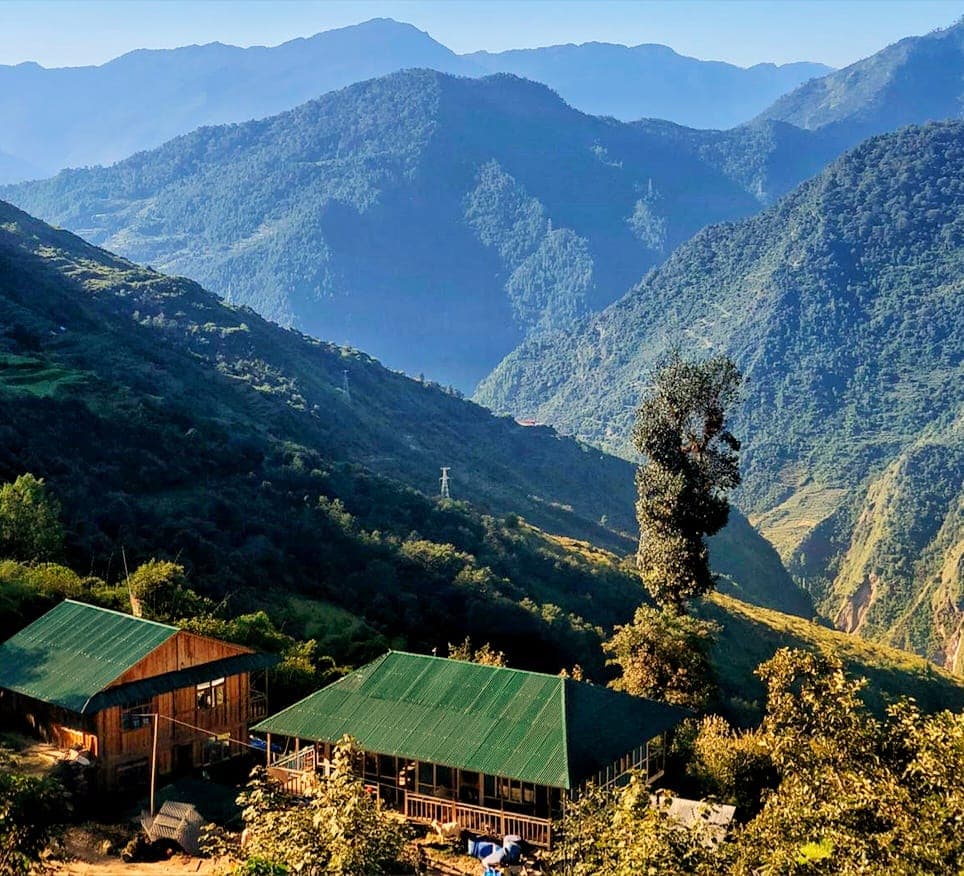
Accommodation on the Khopra Ridge Trek mainly consists of tea houses and community lodges. The facilities here seem less elaborate than those found in commercial trekking routes, but more intimate.
Typical rooms are Twin Room (double) basic rooms with:
- Wooden beds
- Thin mattresses
- Blankets
- Shared bathrooms
The luxury services are less readily available in higher villages, but the hospitality is more sincere and heartfelt.
Community lodge trekking in Nepal is gaining popularity due to its direct involvement in supporting local villages. Residents of the mountain communities can enjoy sustainable income from these lodges.
Food Availability
The choice of food is pretty extensive for such a remote place. Common meals include:
- Dal bhat
- Fried rice
- Noodles
- Pasta
- Soup
- Tibetan bread
- Pancakes
- Eggs and potatoes
However, the best choice of energy on long trekking days is to have dal bhat as it consists of rice, lentils, vegetables and there are many lodges that provide free refills of dal bhat.
Internet and Charging Reality
Keep in mind that there is no guarantee of connectivity when trekking.
- Internet connection might be slow or may not work at all.
- These usually come with an additional fee for charging.
- Using solar energy is prevalent in the higher villages.
- Mobile signals are different depending on your location.
A power bank is very handy on a trip.
For further information on accommodation in the trek, refer to Annapurna Base Camp Trek Accommodation and Food.
Khopra Ridge Trek vs Mardi Himal Trek
Both routes are excellent offbeat trekking options in Nepal, but they offer different experiences.
Feature | Khopra Ridge Trek | Mardi Himal Trek |
Difficulty | Moderate | Moderate to moderately challenging |
Crowd Level | Quieter | More crowded recently |
Accommodation | Community lodges and tea houses | Tea houses |
Culture | Strong village interaction | More trail-focused |
Mountain Views | Dhaulagiri and Annapurna panoramas | Close Machhapuchhre views |
Altitude | Khayer Lake reaches 4,660m | Mardi Base Camp around 4,500m |
Trail Style | Villages, ridges, forests | Ridge-focused trekking |
Accessibility | Longer access route | Easier logistics |
Mardi Himal is shorter and more flexible in terms of travel plans. But Khopra Ridge is more of a cultural and less of a commercial trek.
While both treks provide a fantastic Annapurna experience, the Khopra Ridge Trek is better for those who appreciate the slower pace of trekking and the traditional culture of the villages.
For the Khopra Ridge trek, here are some tips and tricks to keep in mind.
There are 7 Some Simple Things to consider that will Make Your Hike a Lot More Enjoyable
Even before the trek, train yourselves. Prep before the trek. At least 4-6 weeks before arrival, concentrate on cardio, hiking, and leg strength.
1. Pack Smart
Layered clothing is most effective, with the temperature fluctuating greatly between lower villages and high ridges.
If this is your first Himalayan trek, reading this guide on what to pack for your first trek can help you avoid carrying unnecessary gear.
Women planning the trek may also benefit from this detailed packing list for women while trekking in Nepal, especially for seasonal clothing and practical trekking essentials.
2. Bring Trekking Poles
They are used to relieve knee stress in steep descents.
3. Stay Hydrated
Drink plenty of fluid, particularly at high elevations.
4. Carry Enough Cash
Cards are seldom accepted in tea houses.
5. Respect Local Culture
Respect local dress in villages and request permission before taking pictures of them.
6. Hire Local Guides
Guides contribute to safety, navigation, cultural awareness, and local livelihoods.
7. Be alert for Altitude Symptoms
Any headaches, nausea, or dizziness should never be ignored. Walking slowly and allowing proper acclimatization are key to a safe trekking experience.
Many first-time trekkers make the mistake of ascending too quickly, which is why understanding these common mistakes to avoid as a first-time trekker can make your journey much
Conclusion
The Khopra Ridge Trek is a trail that is becoming more and more unusual in Nepal; peaceful trails without the compromises of high mountain scenery.
Many Annapurna routes see increased traffic every year, but there is a feeling of personal, authentic, and deep connection with the life of the local villages at Khopra.
The sense of reward is different here, less overtly dramatic and more community-based, with the pleasant reception of the community lodges and the beautiful view of Annapurna and Dhaulagiri.
Trekkers who wish to have a more challenging day can choose to do the optional Khayer Lake hike, which provides additional adventure.
Whether you are an aspiring trekker who is looking for their first experience to trek some off-beat trails in Nepal or an experienced trekker who is looking for less crowded tracks in the Annapurna region, Khopra Ridge is one of the best balanced trekking options in the Annapurna region.
It is one of the hidden treks in Nepal that you should take for a quiet getaway in the Annapurna region with incredible mountain views and a true local experience.
FAQs
What's the Khopra Ridge Trek like?
The Khopra Ridge Trek is moderately tough. Typically, hikes are 5 to 7 hours long, including a few challenging sections heading uphill. It's essential to have a good level of fitness and preparation.
What is the cost of the Khopra Ridge trek?
The typical price range for a trek to the Grand Canyon is USD 500 to USD 1,400, which reflects a variety of factors such as guide services, transportation, accommodation type, and the duration of a trek.
Best for beginners at Khopra Ridge Trek?
With proper preparation, a slow pace, and a reasonable level of fitness, it's possible for beginners to do the trek.
Best time to visit Khopra Ridge Trek?
Weather, mountain views, and trail conditions are best in the spring (March-May) and fall (September-November).
How many days does the Khopra Ridge Trek last?
The duration of most packages is between 10 and 14 days, which includes the time spent travelling from Kathmandu and side trips such as Khayer Lake.
Is it necessary to have a guide for the Khopra Ridge Trek?
It is highly recommended to hire a guide for safety, navigation, local knowledge, and also for responsible tourism in Nepal.
Should one make a pilgrimage to Khayer Lake?
Yes. The day hike is physically challenging with walking hours and high altitude, but Khayer Lake is one of the most beautiful and spiritual in the area.