Ghorepani Poon Hill Trek: Complete Guide 2026
Life-changing experience on this hike that lingers long after you're back home. You've ascended in the dark of night, headtorch held aloft, cold air biting at your cheeks.
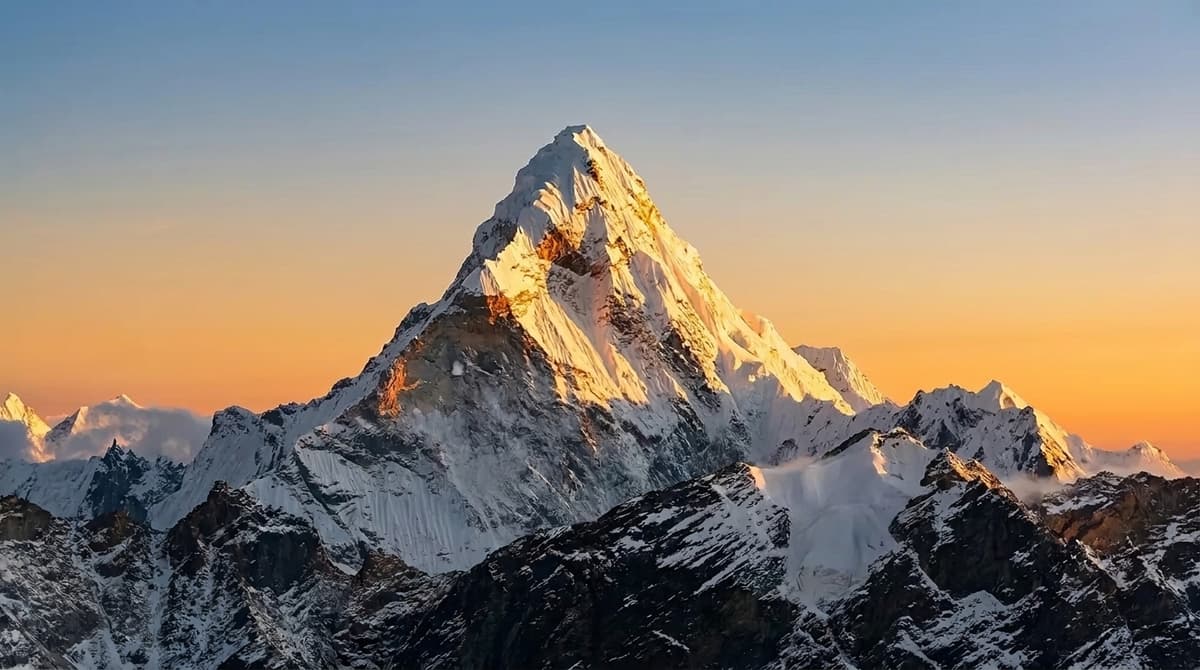
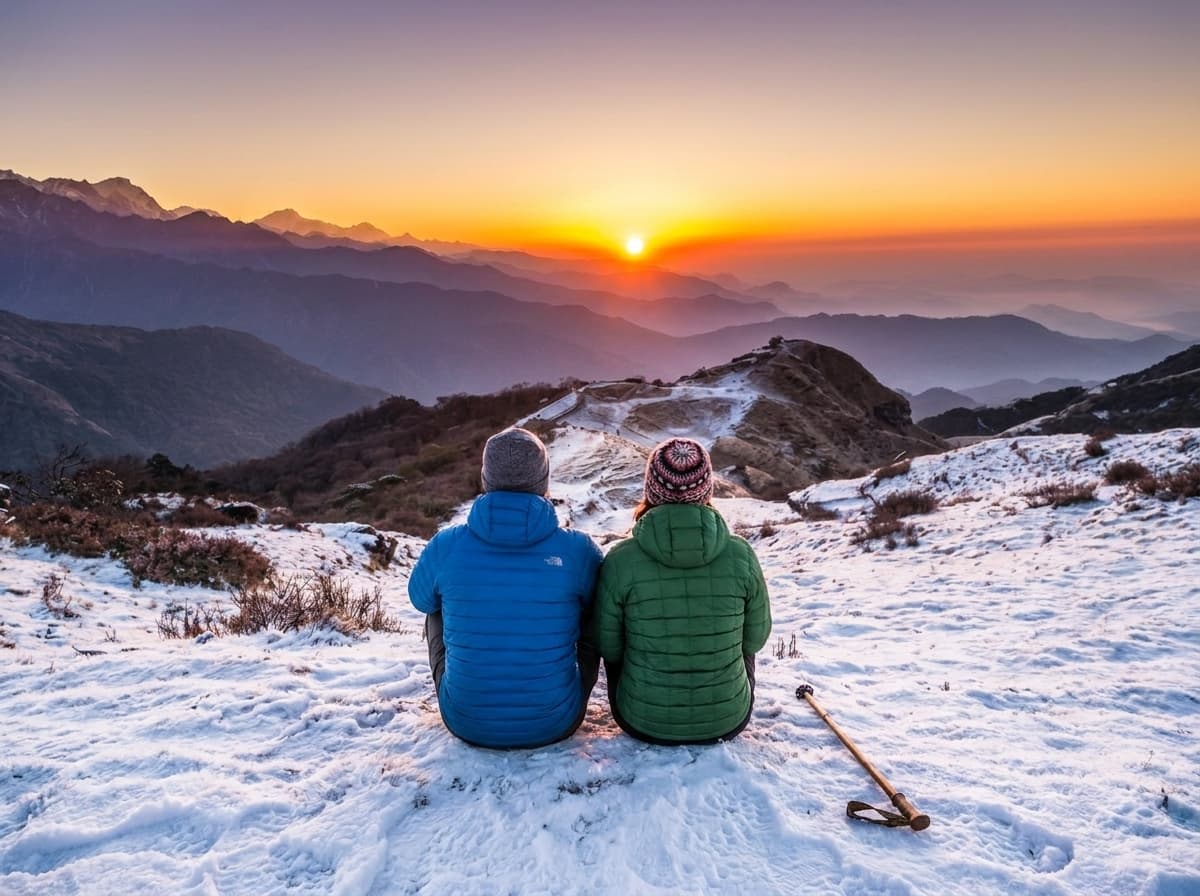
In the gold and pink, the horizon opens up, and there, before you, are the snow giants of Annapurna 1, Dhaulagiri, Machhapuchhre, and a dozen others, all glistening and luminous, from a base that can be reached in less than a week.
This is the Ghorepani Poon Hill Trek. Nepal's most popular short trek has a good reason for being so popular: big Himalayan trekking rewards, easy-going effort, the culture of the Gurung and Magar people, and the trail that is open for novices and experts alike.
Everything you need to know to plan your 2026 adventure, including permits, cost, day-by-day itinerary, best season, packing list, accommodation, and more.
Why is the Ghorepani Poon Hill Trek Special?
The Ghorepani Poon Hill Trek is located within the Annapurna Conservation Area, through rhododendron forests, terraced hillside villages, and high ridges with jaw-dropping 360-degree mountain views without ever exceeding 3210 metres.
The restriction on altitude eliminates the risk of high altitude sickness, but still affords a true high mountain experience.
Why trekkers keep coming back:
- Poon Hill sunrise (3,210 m): one of the most photographed Himalayan viewpoints in the world
- Rhododendron forests in full bloom: particularly spectacular in March and April when Nepal's national flower paints the trail in crimson and pink
- Authentic Gurung and Magar villages: Ghorepani, Ulleri, Tadapani, and Ghandruk offer warm local hospitality and living mountain culture
- Beginner-friendly: no technical climbing, no ropes, well-marked trail, and teahouses every few hours
- Short duration: completeable in 4 to 7 days from Pokhara
If you are exploring trekking in Nepal for the first time, Poon Hill is the single best place to start.
Trek at a Glance
Detail | Info |
Trek Duration | 4–7 days (5 days most popular) |
Maximum Altitude | 3,210 m (Poon Hill viewpoint) |
Difficulty | Easy to Moderate |
Starting Point | Nayapul (via Pokhara) |
Best Season | March–May and September–November |
Permits Required | ACAP + TIMS Card |
Total Permit Cost | ~USD 35–50 (NPR 4,000–5,000) |
Trek Type | Teahouse trek (no camping needed) |
Daily Walking Time | 4–6 hours |
Ghorepani Poon Hill Trek Itinerary (5 Days from Pokhara)
It is the most common route, which begins and ends in Pokhara. From Kathmandu, an additional day must be added for the bus or flight.
Day 1: Pokhara to Nayapul (4km) to Tikhedhunga (1,480m)
The trek starts along the Modi River, passing by rice terraces and traditional stone villages, after a short drive from Pokhara to Nayapul (about 1.5 hours).
The trail is level for a couple of hours, then ascends to a peaceful village in a bamboo plantation called Tikhedhunga. Plan for a walk of 4-5 hours.
Tonight, rest well; tomorrow is the most physically demanding day of the trek.
Day 2: Tikhedhunga - Ulleri - Ghorepani (2,860 m)
This is the day for which it's renowned. Tikhedhunga is the starting point from where a steep ascent of stone steps of about 3200 steps leads to the traditional Magar village of Ulleri (1960 m).
Go slow, stop for a while, and enjoy the growing perspective! The trail goes through heavy rhododendron and oak vegetation after Ulleri. After crossing the forest hamlets of Banthanti and Nangethanti, you reach the village of Ghorepani (2,860 m), almost entirely painted blue. Almost all of the teahouses feature mountain vistas from their dining areas. Total walking time: 5-6 hours.
Day 3: Poon Hill Sunrise, Tadapani (2,630 m)
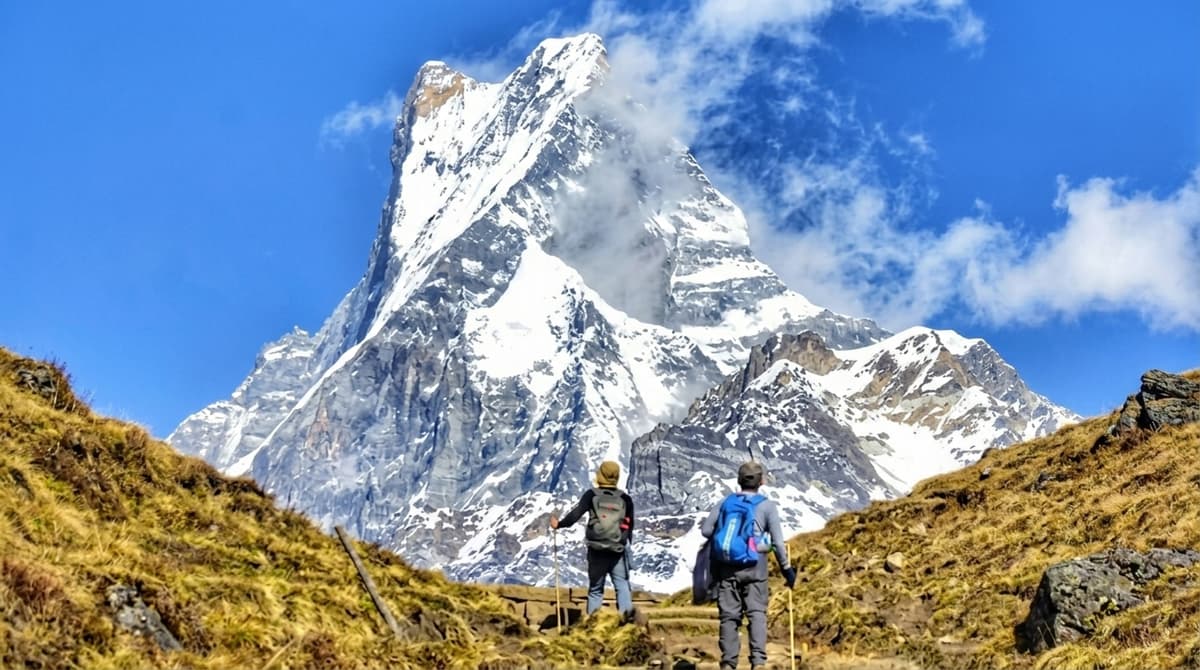
Wake up at 4:00–4:30 AM. Pack up your bags, put the headtorch on, and head to Poon Hill (3210 m), which is a 45-minute hike. The sight that awaits you along every cold and dark step is worthy of every effort: a panorama of Annapurna I, Annapurna South, Annapurna III, Dhaulagiri, Hiunchuli, and the perfect pyramid of Machhapuchhre (FiSHTAIL PEAK), all blazing gold with the rising sun.
Head back to Ghorepani for a coveted breakfast, then hike onwards over more rhododendron ridgelines to Tadapani.
The trail winds through forest and offers a few views of the mountains on the way, and then some gentle up-and-down hills. Total walking time: 6-7 hours (including the Poon Hill excursion).
Day 4: Tadapani - Ghandruk (2,010 m)
The descent to Ghandruk goes through mossy forest, before reaching one of the best views of Annapurna South anywhere.
Ghandruk is one of the biggest Gurung villages in Nepal with stone-paved streets, slate-roof houses, an excellent museum on Gurung culture and Gurkha soldiers' legacy, and wide amphitheatre views of the Annapurna massif. Time to wander around the village in the afternoon. Walking time: 3–4 hours.
The Ghandruk Trek can also be done as a standalone route if you want to explore this area in more depth.
Day 5: Kimche to Syauli Bazaar to Pokhara
The final morning rolls down terraced farm fields along stone-paved paths to Kimche, then to Syauli Bazaar, where a jeep or local bus will transport you back to Pokhara in about 2 hours. Most trekkers return to the time after lunch at Phewa Lake. Walking time: 2–3 hours.
1. Annapurna Conservation Area Permit (ACAP)
- Foreigners: NPR 3,000 (~USD 23)
- SAARC nationals: NPR 1,000
- Children under 10: Free
2. TIMS Card (Trekkers Information Management System)
Which holds information about the trip.
- Organised group trekkers: NPR 1,000
- Independent/solo trekkers: NPR 2,000
Where they can be obtained: Nepal Tourism Board (Nepal) office in Kathmandu (Bhrikutimandap) or the TAAN office in Pokhara. In Pokhara, it will take about 30–60 minutes with a licensed trekking agency to prepare all the necessary paperwork before the trek starts.
Carry 2 passport-size photos and a photocopy of your passport. Always have permits with you on the trail.
What is the price of the Ghorepani Poon Hill trek in 2026?
Cost varies depending on whether you trek independently or through a package, and on group size.
All-inclusive package (guide, accommodation, meals, permits, transport):
- Budget: USD 350-500 per person
- Mid-range: USD 500-750 per person
Independent trekker daily budget:
- Budget teahouse room: USD 5–15 per night
- Three meals per day: USD 15–25
- Permits: ~USD 35–50 (one-time)
- Guide: USD 25–35 per day (optional but recommended)
- Porter: USD 20–25 per day (optional)
Booking an all-inclusive Ghorepani Poon Hill Trek package eliminates the stress of arranging permits, transport, and accommodation independently, especially useful for first-time trekkers in Nepal.
Best Time to Do the Ghorepani Poon Hill Trek
Spring (March–May) - Highly Recommended
The trail is lush with colour when the rhododendrons bloom in March and April. The weather is warm, the sky is relatively clear, and the forests are dense. Expect moderate crowds. This is pretty much the most beautiful of the seasons on this trek.
Fall (September - November) - Peak Season
Overall, it is believed to be the best time to hike in Nepal. In the post-monsoon season, the skies are clear with the sharpest views of the mountains. These months, October and November, are very popular, so please book in advance.
Winter (December - February) - Peaceful and Snowy
Fewer visitors translates to less noise on the trails and lower costs. The forests take on a fairy tale quality when there is snow above 2,500 m. Be ready with suitable winter clothing. In the early morning, the temperature at Poon Hill can be as cold as -10°C.
Monsoon (June-August) is not recommended
Trails are slick when it rains, and views of the mountains are uncommon. Leeches are common in the lower part of the range (below 2,000 m).
If you're looking for green, misty landscapes, then wait for the dry season, unless you're a special kind of person who enjoys that.
Difficulty and Fitness Requirements
The Ghorepani Poon Hill trek is considered an easy-to-moderate trek. No technical mountaineering skills or previous trekking experience are necessary. But the ascent from Tikhedhunga to Ulleri (more than 3,000 stone steps) will be a test of the legs for sustained uphill work.
Who is suitable for this hike?
- This will appeal to the novice traveller or trekker.
- Families with children (10+ years of age) are ok to manage.
- Individuals over 60 are fit and healthy.
- People who can walk 4-6 hours a day on uneven ground
Recommended preparation:
Get regular walks or hikes for 4-6 weeks before the trek
Climb stairs using a light daypack.
Cycling, jogging, and swimming (basic cardio fitness) help significantly
Little risk of altitude sickness on this route. The summit is 3,210 m at Poon Hill, and the climbs are gradual, making for an easy acclimatisation. Headaches or fatigue may occur; serious AMS is uncommon.
Accommodation and Food on the Trek
All accommodation for the Ghorepani Poon Hill Trek is in traditional family-owned teahouses. These are basic, but cosy enough for a comfortable trek.
Things to look forward to at teahouses:
- Twin or dormitory rooms, sleeping bags or bedding provided (sleeping bag liner in winter)
- Shared bathrooms (some teahouses have attached bathrooms at an additional cost)
- Hot showers available for an extra NPR 200-400
- Wireless Internet and phone charging (fee applies in dining hall)
- Most lodges have heated dining rooms.
On the trail: Dal bhat (lentil soup, rice, and vegetables) is the trekker's main course and a good fuel for long days of walking. Fried rice, noodle soup, pasta, porridge, pancakes, momos and soups are available at most teahouses as well. There are plenty of vegetarian choices. Main meals will cost NPR 400-800 per person.
Hydration: Take a water bottle with boiled or filtered water at teahouses. This will help to minimise plastic waste and make it more cost-efficient than bottled water.
Ghorepani Poon Hill Trek vs Other Short Treks in Nepal
Choosing between short treks? Here is how Poon Hill stacks up against comparable routes.
Trek | Duration | Max Altitude | Difficulty | Highlights |
Ghorepani Poon Hill | 4–7 days | 3,210 m | Easy–Moderate | Sunrise viewpoint, rhododendrons, Gurung culture |
Mardi Himal Trek | 7–11 days | 4,500 m | Moderate | Less crowded, closer Annapurna views |
Ghandruk Trek | 5–8 days | 2,010 m | Easy | Cultural immersion, beginner-friendly |
Khopra Ridge Trek | 10–14 days | 3,660 m | Moderate | Off-the-beaten-path, Khayar Lake |
Annapurna Base Camp | 12–14 days | 4,130 m | Moderate–Hard | Inside the Annapurna Sanctuary |
If you have 5–7 days, want iconic mountain views without high altitude, and are trekking for the first time in Nepal, Poon Hill is your best choice. If you have more time and fitness, the Annapurna Circuit Trek offers a far more immersive journey through the entire Annapurna massif.
Packing List for the Ghorepani Poon Hill Trek
Pack light. You can hire a porter in Pokhara if needed, but many trekkers comfortably carry a 30-40 litre daypack on this route.
Clothing:
- Moisture-wicking base layers (2 sets)
- Fleece mid-layer
- Waterproof jacket and trousers
- Warm hat, gloves, and buff/neck gaiter (essential for the Poon Hill pre-dawn climb)
- Trekking trousers or convertible hiking pants
- Comfortable camp clothes for evenings
Footwear:
- Broken-in waterproof hiking boots with ankle support
- Lightweight camp sandals or flip-flops
Gear:
- Headtorch with spare batteries (mandatory for the Poon Hill sunrise hike)
- Trekking poles (optional but helpful on the Ulleri steps and descents)
- Sunglasses (UV protection at altitude)
- Sunscreen SPF 50+
- Reusable water bottle (1–2 litres)
- Water purification tablets or a filter
- Small first aid kit (blister plasters, ibuprofen, Diamox if prescribed)
- Sleeping bag liner (useful in winter)
Documents and money:
- Passport (original, not a copy)
- Two passport-sized photos (for permits)
- Cash in Nepalese Rupees - ATMs are not available on the trail
- Travel insurance covering trekking to 3,500 m
Practical Tips for Foreign Trekkers in 2026
Take a licensed guide: The Government of Nepal now recommends guides for safety and to support the local economy. Your guide arranges the trails, permits and teahouse reservations.
Make a reservation for the peak season teahouses: Teahouses are busy during October and November. This is something that your trekking agency can deal with.
Carry enough cash: The trail is not equipped with ATMs. To withdraw Nepalese Rupees in Pokhara before the trip.
Start early each day: Views of the mountains are best early in the morning before the afternoon clouds.
Respect local culture: Do not take pictures of people without asking permission; don't wear revealing clothing in villages; leave shoes at the door of monasteries and houses.
Take it easy through the Ulleri climb: If it's done quickly, there's no award. Slow and careful movements allow you to keep energy for the coming days.
Get travel insurance that specifically covers high-altitude trekking and emergency evacuation.
A couple of days in Pokhara before or after your Poon Hill trek are great to make the most out of your time in Nepal. The Kathmandu Pokhara Tour is a perfect blend of city life and nature's adventure.
How to Get to the Trailhead?
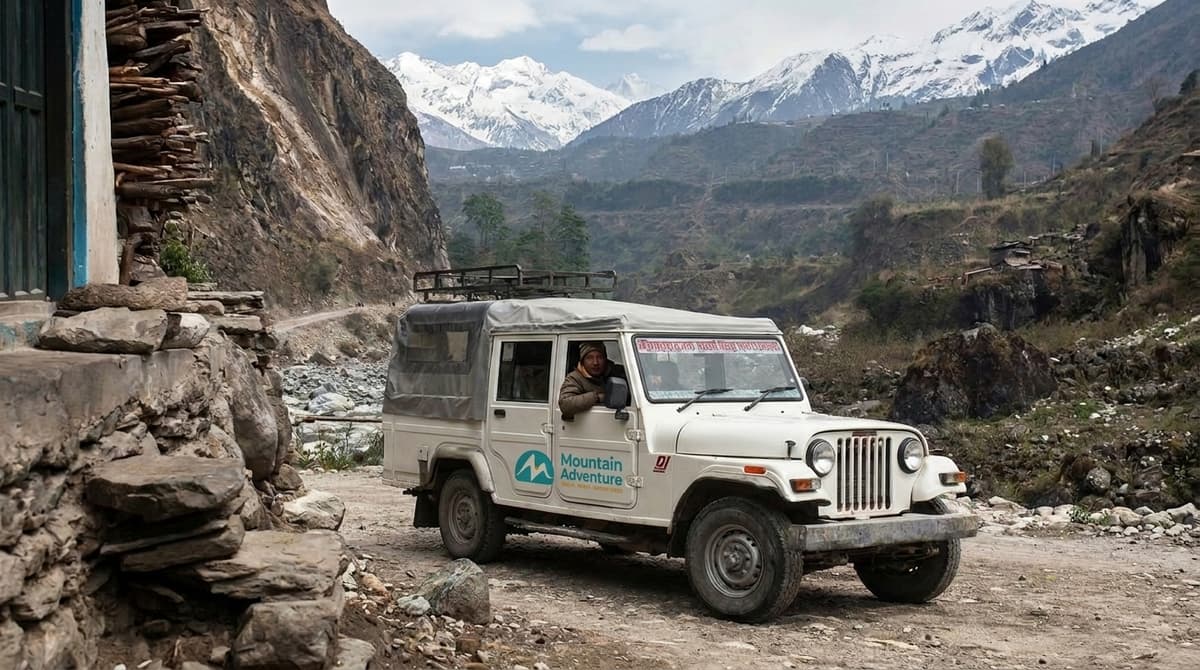
From Pokhara: Local jeep or bus from Pokhara to Nayapul (main trailhead) will take about 1.5 hours. Most trekkers start their trek at Nayapul or just beyond at Birethanti.
The journey from Kathmandu to Pokhara is a great experience.
- Tourist bus: 6–8 hours, USD 10–15
- Road trip: 1 hour, USD 100–200 (book early in peak season)
A majority of the trekking agencies standardly provide door-to-door transport as part of the package.
Ready to Trek Poon Hill in 2026?
One of those rare experiences comes in the Ghorepani poon hill trek. It offers a complete Nepal mountain experience in five days, from the warm embrace of teahouse hospitality to the unparalleled silence of a Himalayan dawn at 3210 metres.
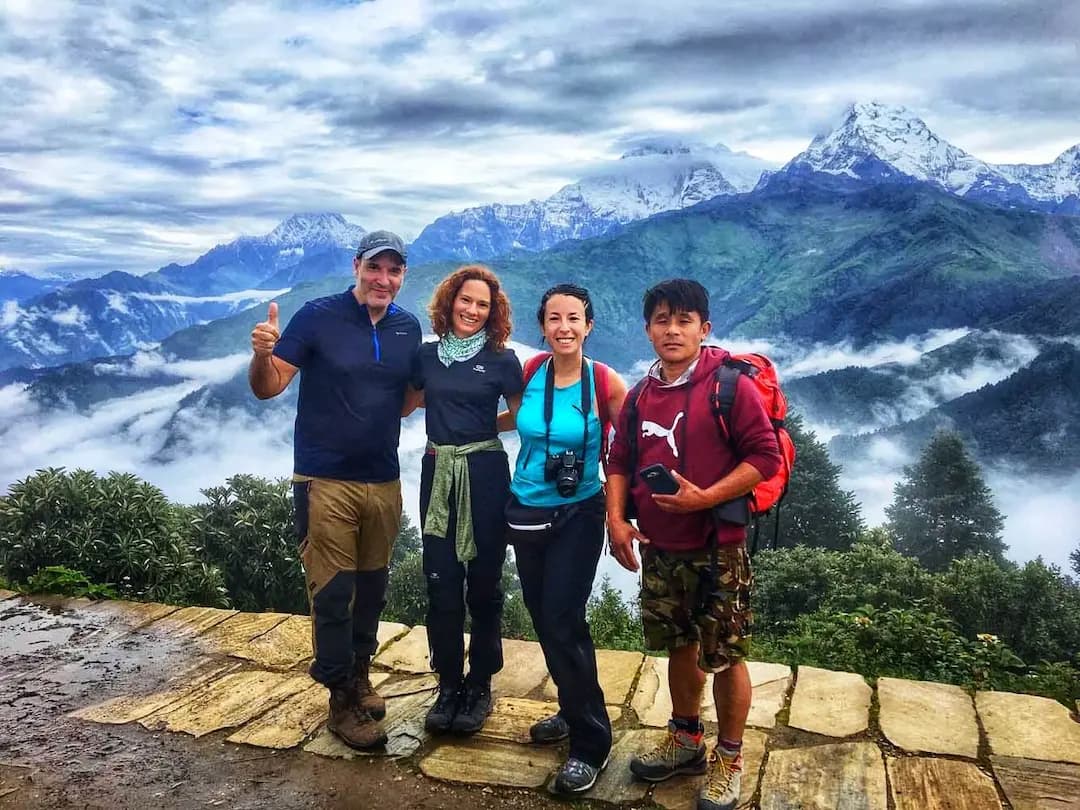
From the first time trekkers step onto the trail to those who have returned seeking a shorter trek into the Annapurna region, MAT Nepal's team of seasoned experts is all set to make it easy for you. All permits, licensed guides, bookings on the comfortable teahouses, transport and support 24 / 7 are provided.
Reserve your Ghorepani Poon Hill Trek tour and embark on your journey to witness the sunrise in the Himalayas.
FAQs
How difficult is the Ghorepani Poon Hill Trek?
Easy to moderate. No technical skills needed - just a reasonable fitness level to walk 4–6 hours a day on well-marked trails.
How many days does the Ghorepani Poon Hill Trek take?
5 days from Pokhara. Add one day each way if travelling from Kathmandu, making it 7 days total.
What is the best time for the Ghorepani Poon Hill Trek?
Spring (March–May) and autumn (September–November). October has the clearest skies; March-April brings stunning rhododendron blooms.
Do I need a guide for the Poon Hill Trek?
Not legally required, but strongly recommended. A licensed guide handles permits, teahouse bookings, and navigation - especially valuable for first-timers.
What permits do I need for the Ghorepani Poon Hill Trek?
Two permits: ACAP (NPR 3,000) and TIMS Card (NPR 1,000–2,000). Both are available in Pokhara or Kathmandu and take under an hour to arrange.
Is altitude sickness a risk on the Poon Hill Trek?
Very low risk. The maximum altitude is 3,210 m, and the ascent is gradual. Mild headaches are possible - stay hydrated and ascend slowly.
Can I do the Poon Hill Trek solo without a guide?
Yes - the trail is well-marked, and teahouses are frequent. Register your TIMS card, carry a map, and inform someone of your itinerary.
What should I do after the Poon Hill Trek?
Most trekkers spend a couple of extra days in Pokhara. For a longer adventure, consider the Annapurna Base Camp Trek or the Jomsom Muktinath Trek.