Best Time for Mardi Himal Trek: Month-by-Month Weather & Seasonal Guide (2026)
Choosing the best time for Mardi Himal Trek can significantly enhance your trekking experience.
The trail is open year-round, but conditions are different season to season, including weather, mountain visibility, and trail quality.
Timing your visit helps you enjoy clear vistas of the Himalayas, comfortable temperatures to trek, and safer trail conditions.
Spring (March to May) and autumn (September to November) are the best times to make the Mardi Himal trek for most of the trekkers. Spring presents a pretty rhododendron forest and warm weather, while fall features dry trails, crisp mountain views and nice weather. Experienced trekkers will find winter to be the best time to experience the peaceful trails and snowy landscapes, while the monsoon season will provide abundant greenery, but will also necessitate additional preparations for the rain and slippery trails.
The Mardi Himal Trek is one of the most rewarding short trekking paths in the Annapurna region of Nepal.
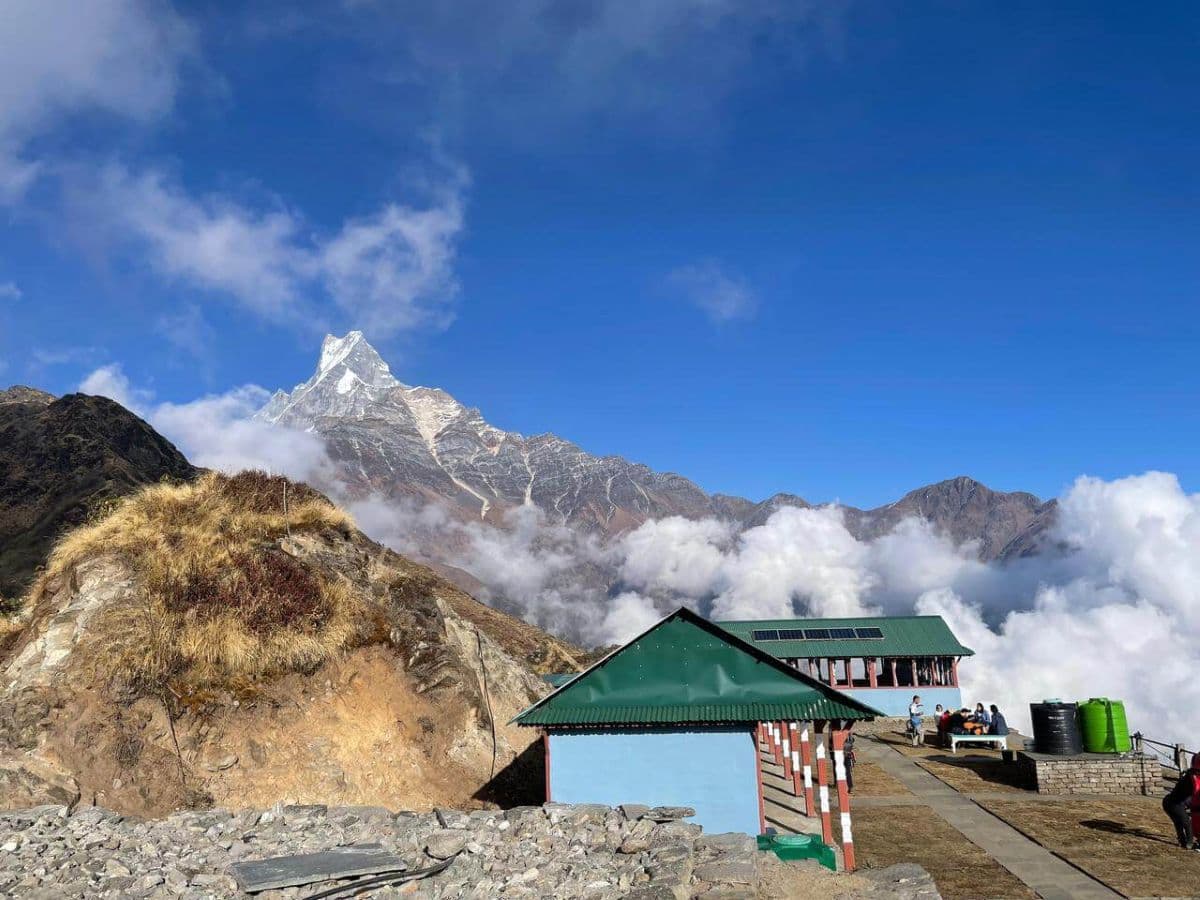
It offers spectacular sightings of Machhapuchhre (Fishtail), Annapurna South, Hiunchuli, and Mardi Himal and is not as busy as other popular trekking routes in Nepal.
When preparing for your adventure, our Mardi Himal Trek itinerary outlines a step-by-step guide to the trek, and our Complete Guide to Mardi Himal Trek covers everything from preparation to highlights of the trek.
Here is an explanation of the weather and temperatures together with the trek conditions and seasonal differences month by month, to help you decide when to trek.
Quick Answer: What Is the Best Time for Mardi Himal Trek?
Mardi Himal Trek is best done in the spring (March through May) or autumn (September through November) months. These seasons offer consistent weather and comfortable temperatures, dry trails, and great visibility of the Annapurna mountain range.
Winter months (December to February) may also be an interesting option if you aren't keen on the crowds, but this means you'll need to be prepared for colder weather and possibly snow. Monsoon season (June-August) is not a favorite for precipitation, muddy trails, and few mountain views.
Mardi Himal Weather at a Glance
| Season | Months | Weather | Trail Conditions | Best For |
| Spring | March–May | Mild and stable | Dry and comfortable | Beginners, photographers, nature lovers |
| Summer / Monsoon | June–August | Warm with frequent rainfall | Wet and slippery | Experienced trekkers |
| Autumn | September–November | Cool and dry | Excellent | Most trekkers |
| Winter | December–February | Cold with occasional snowfall | Snow at higher elevations | Experienced trekkers seeking quieter trails |
Why Choosing the Right Season Matters
As the Mardi Himal Trek is moderate, the weather can have a big effect on your trip. It's not the same from season to season, depending on weather, trail, and accommodation conditions.
1. Better Mountain Views
The best time to see Machhapuchhre, Annapurna South, Hiunchuli, and the rest of the Himalayas is usually in the spring and autumn seasons. The mornings are also very clear – which makes for great photos!
2. Comfortable Trekking Conditions
Walking is more pleasant in the warmer daytime and less likely to be delayed by weather conditions. Therefore, it is better to know about Mardi Himal Trek Difficulty before you go so that you can prepare yourself for the trip as per your fitness level.
3. Safer Trails
The dry periods in spring and autumn minimise the chance of slipping, and in winter and monsoon extra care needs to be taken as snow or rain may be present. Knowing how to prepare for Trekking in Nepal can help you to plan your trip for varying conditions in the mountains and select appropriate clothing.
4. Easier Trip Planning
Peak seasons are the time when there is a higher demand for guides, accommodation, and transportation. Some trekking options are available from which to book ahead of time for your trekking experience in order to make it easier to travel in October and November.
Why Spring and Autumn Are the Most Popular Seasons?
The Mardi Himal trek is the best in both spring and autumn. These are the times when most travellers prefer to hike due to the stable weather, comfortable temperatures, and great views of the mountains.
In spring, the rhododendron forests paint the hillsides in colour, and it is one of the most beautiful seasons to visit. For those who love trekking in the flowering season, you might also love our article on Best Spring Treks in Nepal.
During autumn, skies are exceptionally clear, after the monsoon, with uninterrupted views of the Annapurna range. The trails are dry, and the days are warm, offering great trekking opportunities for the beginner and expert alike.
In spring or Fall, the proper equipment is necessary. Before setting out, read What to Pack for Your First Trek to ensure you're well prepared for changing weather and higher elevations.
Best Time for Mardi Himal Trek by Season
The Mardi Himal Trail is a different trekking experience each season. Spring and autumn offer the most favorable weather and spectacular views of the mountains, but winter and the monsoon season are also alluring for trekkers who want a quieter trail or to experience the region of the Annapurnas from a fresh perspective.
Having an idea about the pros and cons of each season will help you decide when the right time is to go on your adventure.
1. Spring (March–May)
Spring is among the best seasons to go on The Mardi Himal Trek. The forests are full of colourful rhododendrons as the winter season is slowly coming to an end, lending colourful trails under the snow on the peaks.
With mild daytime temperatures and clear skies, you can enjoy good views of Machhapuchhre (Fishtail), Annapurna South, Hiunchuli and Mardi Himal.
Spring is a great time for the trail as it is mostly dry and comfortable for those just getting started, photographers, and nature lovers. The months are also populated with wildlife activity, making it a great time to go trekking.
For those seeking more adventures in the season, you can try out the Best Treks in Nepal for Beginners and find beginner-friendly trekking routes in the Nepal Himalayas.
Spring Highlights
| Feature | Details |
| Weather | Mild and stable |
| Temperature | Comfortable during the day |
| Trail Conditions | Dry and well-maintained |
| Mountain Views | Excellent |
| Best For | Beginners, photographers, nature lovers |
Advantages
- Stable weather with pleasant temperatures
- Blooming rhododendron forests
- Excellent mountain visibility
- Comfortable trekking conditions
Challenges
- Popular trails may be busier in April.
- Accommodation can fill up during peak travel periods.
2. Summer / Monsoon (June–August)
Summer: The monsoon season in the Annapurna region. The forests are alive in a vivid green with frequent rain, but there are muddy trails, slippery spots, and, at lower elevations, the occasional leech. Cloud cover can limit visibility and detract from panoramic mountain views.
But for those experienced trekkers who like peaceful trails, trekking is still possible in this season. Waterproof clothes and flexible travel plans are highly recommended.
Before you leave, please check the latest forecasts from the Department of Hydrology and Meteorology (Nepal) to keep you updated on the weather.
Summer Highlights
| Feature | Details |
| Weather | Warm with regular rainfall |
| Temperature | Mild to warm |
| Trail Conditions | Wet and slippery |
| Mountain Views | Limited |
| Best For | Experienced trekkers |
Advantages
- Lush green landscapes
- Fewer trekkers on the trail
- Peaceful tea houses
Challenges
- Heavy rainfall
- Reduced mountain visibility
- Slippery trails and leeches
3. Autumn (September–November)
The most popular season for the Mardi Himal Trek is Fall. After the monsoon, the skies clear up and give spectacular views of the Annapurna range.
Dry trails, comfortable temperatures and consistent weather make it a great time for trekking, whether you’re a beginner or an experienced hiker.
It's also the high trekking season in Nepal, so it's best to book accommodation and guides in advance.
Before you set off, read our Guide to Trekking Permits in Nepal to find out what permits you’ll need.
Autumn Highlights
| Feature | Details |
| Weather | Cool and dry |
| Temperature | Pleasant |
| Trail Conditions | Dry and comfortable |
| Mountain Views | Outstanding |
| Best For | Most trekkers |
Advantages
- Crystal-clear mountain views
- Dry and reliable trails
- Comfortable daytime temperatures
- Ideal photography conditions
Challenges
- Higher number of trekkers
- Accommodation may book out during October
4. Winter (December–February)
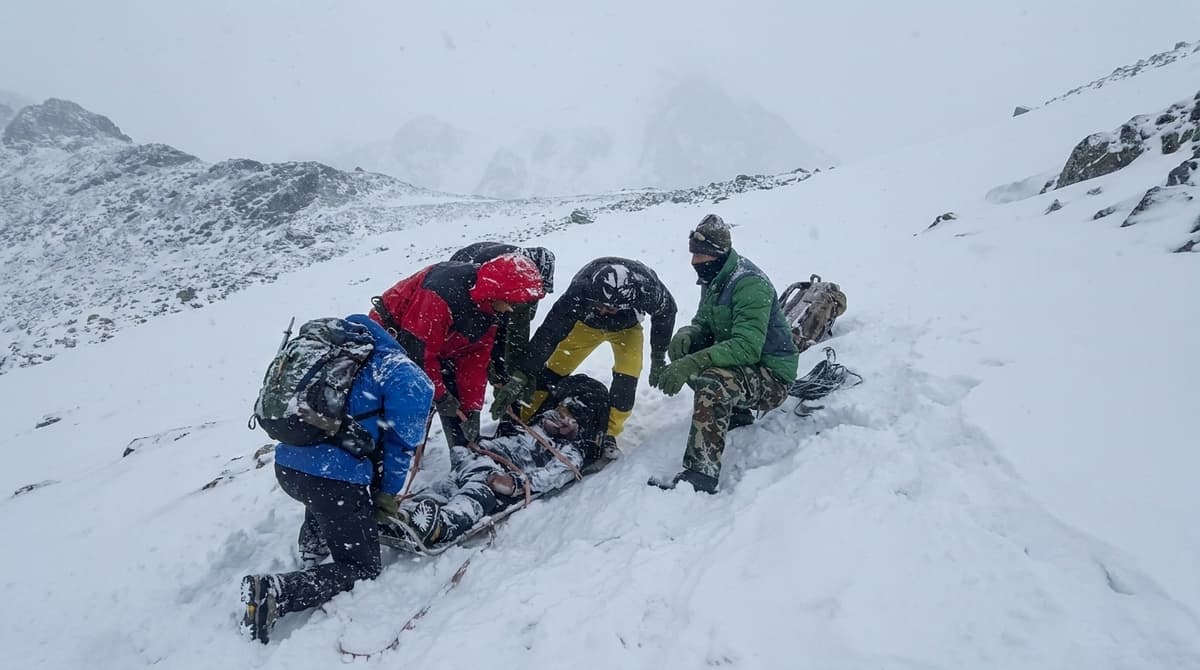
During the winter, the trails are less crowded, less noisy, and there are fewer visitors. At higher levels, snow is always a possibility, offering beautiful mountain views; however, when it is cold, appropriate clothing and preparation are needed.
If you are intending to hike in the Winter season, it pays to know a little about Altitude Acclimatization for Trekking to help mitigate the risk of altitude sickness in the cold.
Winter Highlights
| Feature | Details |
| Weather | Cold and generally dry |
| Temperature | Cold, especially at higher elevations |
| Trail Conditions | Snow possible near High Camp |
| Mountain Views | Usually clear |
| Best For | Experienced trekkers seeking solitude |
Advantages
- Quiet trekking trails
- Beautiful snow-covered landscapes
- Peaceful tea house experience
Challenges
- Cold mornings and nights
- Snow may make some trail sections more challenging
- Additional winter gear is required
Seasonal Comparison
| Season | Weather | Trail Conditions | Mountain Views | Crowd Level | Recommended For |
| Spring | Mild and stable | Dry | Excellent | Moderate | Beginners, photographers |
| Summer / Monsoon | Warm and rainy | Wet | Limited | Low | Experienced trekkers |
| Autumn | Cool and dry | Excellent | Excellent | High | Most trekkers |
| Winter | Cold | Snow possible | Very Good | Low | Experienced trekkers |
Month-by-Month Guide to the Best Time for Mardi Himal Trek
The Mardi Himal Trek can be done throughout the year, but the weather varies from one month to another.
When you know the seasonal variations, you can choose the best time for the trail conditions, mountain views, and trekking experience you seek.
| Month | Weather | Temperature (Approx.) | Trail Conditions | Recommendation |
| January | Cold with occasional snow | -5°C to 8°C | Snow at higher elevations | Suitable for experienced trekkers |
| February | Cold but clearer days | -3°C to 10°C | Mostly dry with some snow | Good for experienced trekkers |
| March | Mild and dry | 2°C to 15°C | Rhododendrons begin to bloom | Highly recommended |
| April | Warm and stable | 5°C to 18°C | Excellent visibility and trails | One of the best months |
| May | Warm with occasional showers | 8°C to 20°C | Good before monsoon | Recommended |
| June | Beginning of monsoon | 10°C to 22°C | Wet and slippery | Less recommended |
| July | Heavy rainfall | 12°C to 22°C | Muddy trails and poor visibility | Avoid if possible |
| August | Continued rainfall | 12°C to 22°C | Slippery with leeches | Not recommended |
| September | Rain gradually ends | 8°C to 18°C | Improving trail conditions | Recommended |
| Octomer | Dry and clear | 5°C to 16°C | Excellent trekking conditions | Best month to trek |
| November | Cool and stable | 0°C to 14°C | Clear skies and dry trails | Highly recommended |
| December | Cold and dry | -3°C to 10°C | Snow possible at higher elevations | Good for experienced trekkers |
Travel Tip: Before you start your trek, check the latest mountain weather forecast from the Department of Hydrology and Meteorology (Nepal), especially in winter and monsoon season.
Average Temperature by Elevation
Temperatures decrease noticeably as you gain altitude during the Mardi Himal Trek. Carrying appropriate layered clothing is essential regardless of the season.
| Location | Elevation | Spring | Autum | Winter |
| Kande | 1,770 m | 15–22°C | 12–20°C | 8–15°C |
| Forest Camp | 2,520 m | 10–18°C | 8–16°C | 2–10°C |
| Low Camp | 2,970 m | 8–16°C | 6–14°C | 0–8°C |
| High Camp | 3,580 m | 2–10°C | 0–8°C | -8–2°C |
| Mardi Himal Viewpoint | 4,200 m | -2–8°C | -4–6°C | -12–0°C |
Which Season Is Best for You?
The ideal trekking season depends on your travel goals, fitness level, and the type of experience you're looking for.
| Traveller Type | Recommended Season | Why? |
| First-time trekkers | Spring or Autumn | Stable weather and comfortable temperatures |
| Nature lovers | Spring | Blooming rhododendron forests and vibrant landscapes |
| Landscape photographers | Autumn | Clear skies and excellent mountain visibility |
| Budget travellers | Winter | Fewer visitors and greater flexibility |
| Experienced trekkers | Winter | Peaceful trails and a more challenging adventure |
| Trekkers seeking solitude | Winter or early Spring | Less crowded trails and quieter tea houses |
If you are contemplating various trekking trails in the Annapurna region, a comparison of Mardi Himal Trek vs Annapurna Base Camp Trek can help you decide on the itinerary that suits your experience and the amount of time you have.
Seasonal Comparison
| Season | Weather | Mountain Views | Trail Conditions | Crowd Level | Suitable For |
| Spring (March–May) | Mild and stable | Excellent | Dry and comfortable | Moderate | Beginners, photographers |
| Summer (June–August) | Warm and rainy | Limited | Wet and slippery | Low | Experienced trekkers |
| Autumn (September–November) | Cool and dry | Excellent | Dry and well-maintained | High | Most trekkers |
| Winter (December–February) | Cold with possible snowfall | Good to Excellent | Snow at higher elevations | Low | Experienced trekkers seeking solitude |
Expert Recommendation
For most travellers, the best combination of pleasant weather, comfortable trekking temperatures and spectacular Himalayan views is in March, April, October and November. These months are ideal for both first-time trekkers and seasoned hikers.
If you're planning to explore more short Himalayan routes after Mardi Himal, our Ghorepani Poon Hill Trek offers another rewarding trek with panoramic sunrise views, while the Khopra Ridge Trek is an excellent choice for trekkers looking for a quieter alternative in the Annapurna region.
Essential Packing List for the Mardi Himal Trek
It is important to have the right equipment to ensure a safe and comfortable trekking experience. Above High Camp (3,580 m), the weather can be unpredictable and turns cold very early in the morning and evening.
Layering your clothes will help you change your outfit several times during the day as the weather shifts.
For those embarking on trekking adventures during the colder seasons, our comprehensive packing list for women trekking in Nepal also includes some recommendations for clothing and equipment that are applicable to many men.
Essential Packing Checklist
- Moisture-wicking base layers
- Insulated down jacket
- Waterproof jacket and trousers
- Comfortable trekking boots
- Trekking poles
- Warm gloves and woollen hat
- Sunglasses with UV protection
- Headlamp with spare batteries
- Reusable water bottle
- Personal first-aid kit
- Sunscreen and lip balm
Safety Tips for the Mardi Himal Trek
The Mardi Himal trek is a moderately challenging trek but can be made safe and pleasant with the proper preparation. Walk at a moderate speed, drink plenty of fluids, and give the body time to acclimatize itself to the higher altitudes.
High-altitude trekking and emergency evacuation travel insurance is highly recommended. An experienced local guide will also help to make it a safe and secure experience, and give you a good understanding of the culture and the topography of the region.
Safety Checklist
- Start trekking early each morning.
- Drink enough water throughout the day.
- Carry basic medicines and a first-aid kit.
- Monitor weather conditions before leaving each tea house.
- Inform your guide immediately if you feel unwell.
Responsible Trekking in the Mardi Himal Region
The Mardi Himal Trek is situated in Nepal's Annapurna Conservation Area, which is one of the most ecologically important protected areas in Nepal. Responsible trekking allows it to keep its forests, wildlife and mountain environment intact and assist the people in the area who rely on tourism.
Reduce your impact on the environment by bringing your own water, not using single-use plastics, sticking to the trails and disposing of trash responsibly. Respect local customs, patronize local tea houses, and do not take photos of local people without their permission.
Please check the most up-to-date travel information from the Nepal Tourism Board before you travel. There's also a great deal of information about conservation projects and visitors available on the Annapurna Conservation Area Project (ACAP).
If you're interested in sustainable travel, read our How to Travel Responsibly in Nepal. Visit Explore Annapurna Conservation Area to know about the special biodiversity and conservation efforts in the area.
Photography Tips
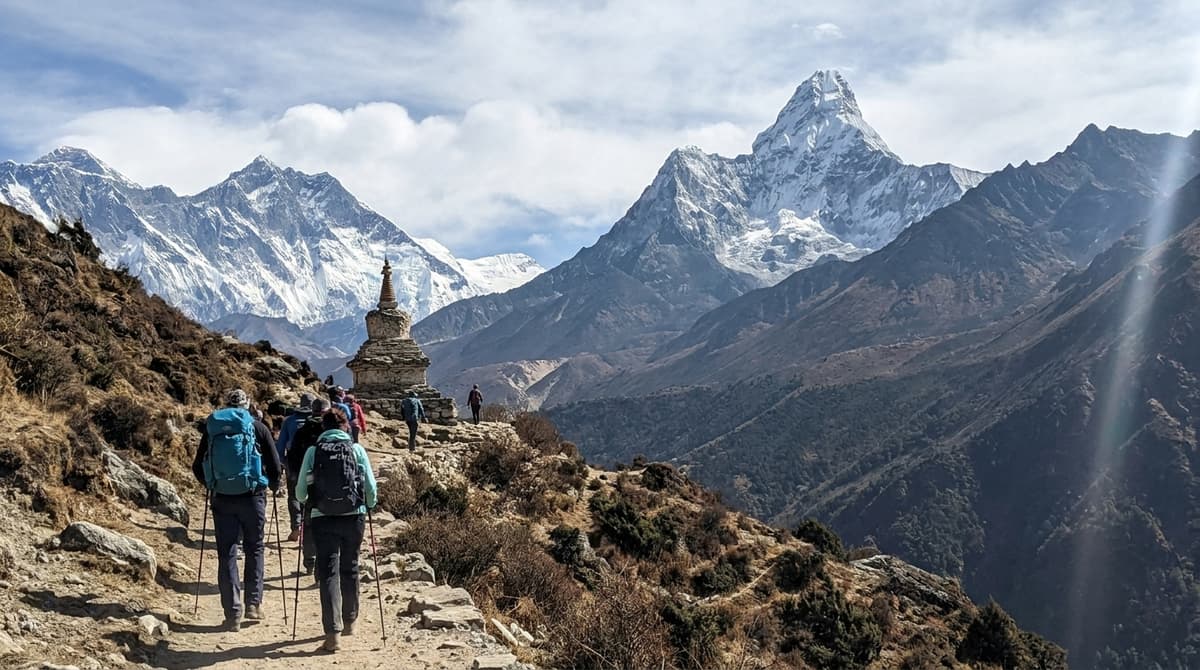
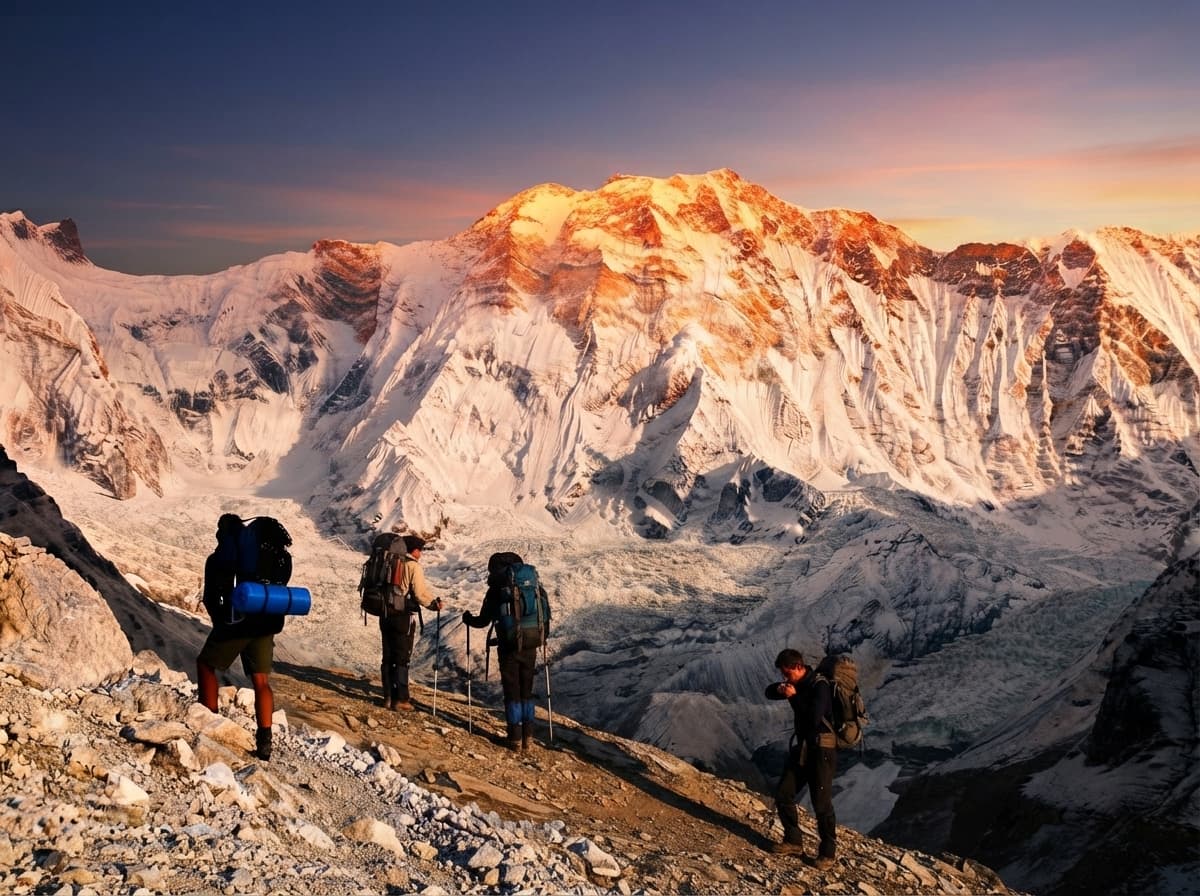
Mardi Himal Trek is one of the best short treks in Nepal for mountain photography. Sunrise from High Camp and Mardi Himal Viewpoint usually gives good views of Machhapuchhre, Annapurna South, and Hiunchuli.
Photography Tips
- Begin your hike before sunrise for the best light.
- Carry spare camera batteries, especially in winter.
- Protect your camera with a waterproof cover during the monsoon.
- Use a wide-angle lens to capture mountain panoramas.
- Respect local culture and ask permission before taking portraits.
Cost Considerations
The total cost of the Mardi Himal Trek varies according to the season, length of trek, group size, and if you trek independently or with a guide. Spring and autumn are the busiest seasons, so availability of accommodation and guides may be more limited.
To budget accurately, read our detailed Mardi Himal Trek Cost guide that explains permit fees, accommodation costs, meals, transportation, guide charges and other expenses that you should consider before your trip.
Conclusion
The best time to go on the Mardi Himal Trek depends on your traveling preferences, but if you are an average trekker, the best seasons are spring (March to May) and autumn (September to November) when the weather is stable, the temperatures are lovely, and the Himalayan views are spectacular.
Spring and autumn are the best seasons to trek in these regions, as the trails are well-maintained and offer clear views of Machhapuchhre, Annapurna South and Hiunchuli.
Winter offers experienced hikers peaceful trekking among snow-covered landscapes, and the monsoon season provides lush scenery and quieter trails for adventurous travelers, though with more difficult weather.
Ready to Experience the Mardi Himal Trek?
Whether you’re planning your first Himalayan adventure or looking for a quieter alternative to Nepal’s busier trekking routes, the Mardi Himal Trek offers breathtaking scenery, varied landscapes, and an unforgettable mountain experience.
Begin planning your trip with our Mardi Himal Trek itinerary. If you are still wondering about trekking destinations, the Complete Guide to the Mardi Himal Trek offers you detailed information about the route, highlights, accommodation, and tips to prepare so you can travel with confidence.
Frequently Asked Questions (FAQs)
1. What is the best time for the Mardi Himal Trek?
The best season for the Mardi Himal Trek is between March and May and September to November. These months are characterized by stable weather, good mountain views, and comfortable trekking conditions.
2. Which is the best month for the Mardi Himal Trek?
October is often considered the best month, when it is dry, with excellent visibility and comfortable temperatures. April is also a popular time with rhododendron forests in bloom.
3. Can beginners do the Mardi Himal Trek?
Yes. The Mardi Himal Trek is suitable for beginners with a reasonable fitness level and proper preparation.
4. Is the Mardi Himal Trek difficult?
The trek is considered moderate. Daily walking usually takes 5–7 hours, with the highest point at Mardi Himal Viewpoint (4,200 m).
5. Is the Mardi Himal Trek possible during winter?
Yes. Winter trekking is possible from December to February, but expect colder temperatures and occasional snowfall at higher elevations.
6. Can I trek Mardi Himal during the monsoon?
Yes, but it is not recommended due to heavy rainfall, muddy trails, leeches, and limited mountain views.
7. How many days does the Mardi Himal Trek take?
Most itineraries take 5 to 7 days, depending on your starting point, pace, and itinerary.
8. What permits are required for the Mardi Himal Trek?
You'll generally need an Annapurna Conservation Area Permit (ACAP). Always check the latest permit requirements before travelling.
9. What is the highest point of the Mardi Himal Trek?
The highest point is Mardi Himal Viewpoint, located at approximately 4,200 metres (13,780 feet) above sea level.
10. What should I pack for the Mardi Himal Trek?
Pack layered clothing, waterproof gear, trekking boots, warm accessories, a first-aid kit, and trekking poles suitable for changing mountain weather.