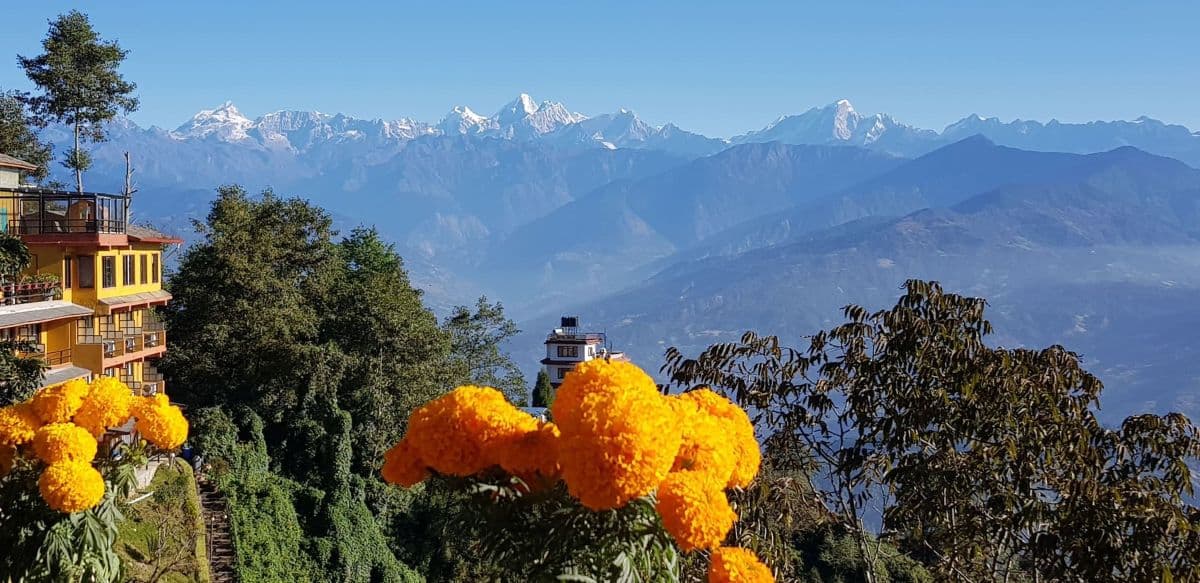
Best Time for Ghorepani Poon Hill Trek: A Complete Seasonal Guide
Deciding on the best time to go for the Ghorepani Poon Hill Trek might have a considerable impact on the trekking experience you get.
The climate, mountain views, road conditions and seasonal landscapes differ each month, giving a month a preferable trekking timing. This article guide will make it easier for you to decide based on your travelling motives.
If you are interested in the popular sunrise at the Annapurna and Dhaulagiri range, the stunning rhododendron flowers, and numerous other factors, then you need to understand the difference between seasons to choose the right time to visit.
Although the Ghorepani Poon Hill Trek can be completed throughout the year, each season offers different weather conditions, scenery, and trekking experiences.
This trek guide explains the best season for Ghorepani Poon Hill Trek, gives a comparison of each season, and then helps you know the best month depending on your travel style, fitness level, and expectations. If you're still planning your itinerary, our Ghorepani Poon Hill Trek package provides a detailed overview of the route, itinerary, and trekking experience.
Quick Answer
Spring (March-May) and autumn (September-November) are the best times to trek Ghorepani Poon Hill. The seasons are stable with good mountain visibility, comfortable temperatures, and optimum trekking conditions.
Spring brings colourful rhododendron forests and perfect daytime temperatures, while autumn brings clear skies, crisp mountain views and dry trails.
The hike can be done any time of the year, but there are different experiences in the winter or monsoon season, when it can be colder or wetter.
Key Takeaways
- Spring (March–May) offers blooming rhododendron forests, mild temperatures, and excellent mountain views.
- Autumn (September–November) provides the clearest skies, stable weather, and the most popular trekking conditions.
- Winter (December–February) is ideal for trekkers seeking peaceful trails and snow-covered landscapes.
- Monsoon (June–August) brings lush greenery but also rainfall, slippery trails, and reduced mountain visibility.
- The best season depends on your priorities, including weather, photography, crowd levels, and trekking experience.
- Checking local weather forecasts and preparing with the right gear can significantly improve your trekking experience.
Why Timing Matters for the Ghorepani Poon Hill Trek?
The Ghorepani Poon Hill Trek is quite sensitive to the seasons in Nepal, unlike many of the short hiking trails. The season you select can impact virtually every facet of your trek, whether you're enjoying a sunrise at Poon Hill, navigating different trail conditions, or finding rooms for the night.
For instance, in the spring, you'll get ample fluffy warm weather and a lot of rhododendrons to enjoy the scenery.
On the other hand, autumn is the best time for mountain views as the monsoon rains have gone and the panorama of Annapurna South, Machhapuchhre (Fishtail), Dhaulagiri and Hiunchuli is superb.
The trails are quieter in winter when there is a greater risk of snow and cloudy skies, and the monsoon season brings plenty of rain, but also a lush green landscape.
Also, selecting the right season gives you the advantage of:
- Enjoy clearer sunrise and mountain views.
- Trek in safer and more comfortable weather conditions.
- Avoid seasonal challenges such as heavy rain or icy trails.
- Match your trip with your photography, adventure, or cultural interests.
- Plan your itinerary with realistic expectations for weather and trail conditions.
For more information on trekking in Nepal at other times of year, read our guide to When is the Best Time to Visit Nepal?
Ghorepani Poon Hill Trek Weather Overview
On a trip to Ghorepani Poon Hill, we get to witness 4 different seasons, and with every different season we get a different trekking experience in the Himalayas. Generally speaking, we prefer to trek in Spring and Autumn. And then it is winter, and then the monsoon season.
| Season | Temperature (Approx.) | Mountain Views | Trail Conditions | Crowd Level | Recommended For |
| Spring (March–May) | 10°C to 20°C (50°F to 68°F) | Excellent | Dry and comfortable | High | First-time trekkers, photographers, nature lovers |
| Summer / Monsoon (June–August) | 15°C to 25°C (59°F to 77°F) | Limited on rainy days | Wet and slippery | Low | Experienced trekkers seeking quieter trails |
| Autumn (September–November) | 8°C to 18°C (46°F to 64°F) | Excellent | Dry and stable | High | All trekkers, especially beginners |
| Winter (December–February) | -5°C to 10°C (23°F to 50°F) | Good on clear days | Cold with occasional snow | Low | Experienced trekkers and winter enthusiasts |
Expert Insight: If seeing the world-famous sunrise on Poon Hill while surrounded by spectacular, unhindered views of Annapurna and Dhaulagiri mountains is all that you are looking for, then October, November, March or April would be your ideal month for trekking.
Best Time for Ghorepani Poon Hill Trek by Season
The Ghorepani Poon Hill Trek is available all year round, with each season providing a different trekking experience. The weather, mountain visibility, trail conditions, and crowds vary all the time, and the best time is dependent on what you're looking for in your adventure.
Spring (March to May): Best for Rhododendron Blooms and Pleasant Weather
Many people consider the Ghorepani Poon Hill Trek to be one of the best treks to take in the spring. The forests are vibrant with colorful rhododendron flowers, the national flower of Nepal for this season, and have made the trek one of the most scenic routes in Nepal.
It's a comfortable temperature during the day, and long walks can be done with enjoyment, while mornings are often a beautiful experience of viewing the Annapurna and Dhaulagiri mountain ranges on a sunny day.
Why Trek in Spring?
- Blooming rhododendron forests
- Open mountain views most of the time
- Comfortable daytime temperatures
- Great photo opportunities!
- Perfect for those who haven't visited the site before.
Things to Consider
Tea houses and trails may be busier during spring months (particularly April) as it is a popular trekking season. If you are travelling during popular weeks, it is advisable to begin your Ghorepani Poon Hill Trek in advance.
Summer / Monsoon (June to August): Best for Green Landscapes and Quiet Trails
The summer season runs concurrent with monsoon in Nepal, and it provides regular rain in the Annapurna region. Mountain views are hampered by rain and some of the trail is muddy, but it is very lush and vibrant.
Fewer trekkers visit this season, and it can be a good choice for those who want a quieter visit. But suitable rain gear and waterproof trekking equipment are essential.
Advantages
- Fewer crowds
- Lush green forests
- Peaceful trekking experience
- Lower accommodation demand
Challenges
- Frequent rainfall
- Slippery trails
- Cloud-covered mountain views
- Leeches in forests areas
Monsoon trekking is also available, but this is better for experienced trekkers who are prepared to deal with the weather changes.
Autumn (September to November): Best for Clear Mountain Views
This period of autumn is regarded as the most popular trekking season in Nepal and also the best time to do the Ghorepani Poon Hill trek in Nepal.
The monsoon rains bring freshness and clarity in the air with excellent visibility in the Himalayas after the rain. Dry trails, favorable weather, and relatively warm temperatures make hiking a pleasant experience for both novice and advanced hikers.
One of the best things to see at Poon Hill is the sunrise during October and November, which offers panoramic views of Annapurna South, Dhaulagiri, Machhapuchhre (Fishtail), and Hiunchuli.
Why Choose Autumn?
- Crystal-clear mountain views
- Stable weather
- Comfortable trekking temperatures
- Dry and well-maintained trails
- Suitable for all experience levels
Things to Consider
It is the peak season for trekking in the fall, so in popular villages rooms may fill up early. The booking of early reservations are advised, especially in October.
If you are going to undertake a trekking holiday in autumn, you may also want to read our article on Best Autumn Treks in Nepal as it shows you other great treks during this season.
Winter (December to February): Best for Peaceful Trails and Snowy Landscapes
Winter is a whole different trekking experience. The temperature drops off, particularly in early morning and evening, but often the skies are clear, and the mountain views are spectacular.
During the winter months, the snow can fall in patches, turning the landscape into a picturesque scene in the mountains, offering interesting photo opportunities.
Well-prepared trekkers can enjoy quiet trails and less bustle during the winter months than in the spring and fall.
Advantages
- Fewer trekkers
- Peaceful tea houses
- Snow-covered scenery
- Excellent visibility on clear days
Challenges
- Frosty mornings and nights
- Some snow on higher areas at times.
- Shorter daylight hours
Warm clothing and winter gear are a must. Included in What to Pack for Your First Trek is a list of what to pack for trekking in various seasons.
Seasonal Comparison at a Glance
| Season | Weather | Mountain Views | Trail Conditions | Crowd Level | Best For |
| Spring (Mar–May) | Mild and pleasant | Excellent | Dry and comfortable | High | Nature lovers, photographers, first-time trekkers |
| Summer / Monsoon (Jun–Aug) | Warm with frequent rain | Limited during rainfall | Wet and slippery | Low | Experienced trekkers seeking quieter trails |
| Autumn (Sep–Nov) | Stable and dry | Outstanding | Excellent | High | All trekkers, especially beginners |
| Winter (Dec–Feb) | Cold with occasional snow | Good to excellent on clear days | Mostly dry with some snow | Low | Winter enthusiasts and experienced trekkers |
Which Season Is the Best Overall?
The trek in spring is great, and the trek in autumn is great too. Which one to pick is really a matter of what you want from your trek.
- Choose spring if you want colorful rhododendron forests, pleasant temperatures, and vibrant landscapes.
- Choose autumn if your priority is crystal-clear mountain views, stable weather, and ideal trekking conditions.
- Consider winter if you prefer peaceful trails and don't mind colder temperatures.
- Choose monsoon only if you're comfortable trekking in wet conditions and want to avoid the peak-season crowds.
October, November, March, and April have the optimum conditions for trekking the Ghorepani Poon Hill Trek, it is best months for the trek, as the days are almost clear and the weather is ideal for the trek.
Month-by-Month Guide for the Ghorepani Poon Hill Trek
The best time to trek is generally spring and autumn, but there are some variations during each month.
To help you decide what the best time is to go to see a mountain, depending on weather, visibility, and crowd levels, you can look at the table below.
| Month | Weather | Mountain Views | Crowd Level | Recommendation |
| January | Cold with occasional snow | Good on clear days | Low | Best for peaceful winter trekking |
| February | Cold but improving | Good | Low | Ideal for quiet trails and winter scenery |
| March | Mild and comfortable | Excellent | Moderate | Perfect for rhododendron blooms |
| April | Warm and stable | Excellent | High | One of the best months for trekking |
| May | Mild with occasional clouds | Very Good | Moderate | Great before the monsoon season |
| June | Warm with frequent rain | Limited | Low | Suitable for experienced trekkers |
| July | Wet and humid | Limited | Very Low | Best for lush landscapes, not mountain views |
| August | Rainy with improving weather | Fair | Low | Good for avoiding crowds |
| September | Fresh after monsoon | Excellent | Moderate | Excellent trekking conditions |
| October | Dry and stable | Outstanding | High | Peak trekking season |
| November | Cool and clear | Outstanding | High | One of the best months for photography |
| December | Cold with clear skies | Very Good | Low | Ideal for peaceful trekking |
Quick Tip: If your priority is the famous Poon Hill sunrise, plan your trek in March, April, October, or November for the highest chance of clear mountain views.
Which Season Is Best for Different Travelers?
The best time for the Ghorepani Poon Hill Trek depends on your travel style and expectations.
| Traveler Type | Best Season | Reason |
| First-time Trekkers | Spring or Autumn | Comfortable weather and easy trail conditions |
| Families | Spring | Pleasant temperatures and colorful scenery |
| Solo Travelers | Autumn | Stable weather and more trekkers on the trail |
| Couples | Spring | Rhododendron blooms and scenic landscapes |
| Photographers | Autumn | Clear skies and panoramic mountain views |
| Budget Travelers | Winter or Monsoon | Lower demand and quieter trails |
| Experienced Trekkers | Winter or Monsoon | Fewer crowds and a different trekking experience |
If you're planning your first Himalayan adventure, our guide to Best Treks in Nepal for Beginners can help you compare beginner-friendly trekking routes.
Seasonal Packing Tips
Packing according to the season will make your trek safer and more comfortable.
Spring & Autumn
- Moisture-wicking base layers
- Light fleece jacket
- Waterproof outer layer
- Trekking boots
- Sunglasses and sunscreen
Summer / Monsoon
- Waterproof jacket
- Rain cover for backpack
- Quick-drying clothing
- Waterproof trekking boots
- Insect repellent
Winter
- Insulated down jacket
- Thermal base layers
- Warm gloves and hat
- Thick trekking socks
- Headlamp for early morning hikes
For a complete checklist, read What to Pack for Your First Trek, which covers essential gear for trekking in every season.
Expert Tips for Choosing the Best Time
When you are making your final plans for your trek, take the following tips into account:
If traveling during October, November, March, and April, book your lodging in advance.
Hike to Poon Hill early, before sunrise, to see the best views of the mountains.
Please check local weather before departure, particularly during winter and monsoon period.
Be prepared for temperature variations during the day – bring layered clothes.
In case of weather conditions that impact your travel plan, add an extra day to your trip.
For those wanting to explore more of the Himalayas after Poon Hill, another option could be the Annapurna Base Camp Trek that offers a mix of landscapes and breathtaking views of the mountains.
Is the Ghorepani Poon Hill Trek Worth Visiting Year-Round?
Yes. The Ghorepani Poon Hill Trek is rewarding in all seasons, although the landscape and trail conditions differ depending on the season.
For the majority of visitors, the spring or fall season is the ideal combination of weather, visibility, and hiking conditions. But the winter season brings quiet trails and a few snow-covered vistas, and the monsoon season brings colorful forests and fewer people.
Ultimately, it's your priorities that will help you determine the right season to come—whether mountain photography, colorful rhododendrons, quiet trails, or comfortable trekking weather.
Conclusion: What Is the Best Time for the Ghorepani Poon Hill Trek?
Timing of the Ghorepani Poon Hill Trek-Depending on what you want to experience, any season can be the most fitting.
However, spring and autumn guarantee the most favorable weather for trekking in the Ghorepani Poon Hill region, typically between March and November.
If you would like to experience the rhododendron forests in bloom coupled with mild temperatures and a verdant landscape, spring can be the most appropriate time to visit.
If you would prefer the crisp and clear views of the Himalayas, dry trails, and stable weather patterns, autumn would best serve your trekking intentions.
Winter offers tranquil routes and a snow-covered landscape to hardy trekkers unbothered by cold temperatures, while monsoon bestows lush green terrains and sparse crowds.
Nevertheless, whether you are on a winter or monsoon trek, an appropriate itinerary and a well-prepared plan will complement your trekking venture.
The Ghorepani Poon Hill Trek package includes necessary details of the route and itinerary for trekkers wishing to commence one of Nepal’s more enjoyable short treks.
Best Season at a Glance
| If You Want... | Best Season |
| Rhododendron blooms | Spring |
| Clear mountain views | Autumn |
| Fewer crowds | Winter |
| Budget-friendly travel | Monsoon |
| Photography | Autumn |
| Comfortable weather | Spring & Autumn |
Frequently Asked Questions About the Best Time for the Ghorepani Poon Hill Trek
1. What is the best month for the Ghorepani Poon Hill Trek?
Best months to trek are Oct, Nov, Mar, Apr because of moderate weather, good mountain visibility, best time to trek.
2. Is spring or autumn better for the Ghorepani Poon Hill Trek?
Spring is ideal for blooming rhododendron forests, while autumn offers clearer mountain views and more stable weather.
3. Can I do the Ghorepani Poon Hill Trek during the monsoon?
Sure, but prepare to get wet - you'll be trekking on muddy trails, and mountain views will be mostly covered with rain clouds. Monsoon time is more for a seasoned trekker who enjoys walking solo.
4. Is winter a good time for the Ghorepani Poon Hill Trek?
Yes, winter has its quiet walking trails, a bit of snow sometimes, and clear views up the mountain on occasion (Remember layers, people, and don't forget a hat)
5. When do the rhododendrons bloom on the Ghorepani Poon Hill Trek?
Rhododendrons typically bloom from late March to early May, making spring one of the most colorful times to visit.
6. Which season is best for photography?
Autumn is ideal for mountain photography because of its clear skies and excellent visibility, while spring is perfect for capturing colorful forests and landscapes.
7. Is the Ghorepani Poon Hill Trek suitable for beginners?
Yes. The trek is one of Nepal's most beginner-friendly routes, especially during spring and autumn when weather and trail conditions are most favorable. You can also explore Best Treks in Nepal for Beginners for similar options.
8. What should I pack for the Ghorepani Poon Hill Trek?
Pack layered clothing, waterproof gear, comfortable trekking boots, sunscreen, a reusable water bottle, and a basic first-aid kit. For a complete checklist, read What to Pack for Your First Trek.


