Annapurna Base Camp vs Everest Base Camp Trek: Which Nepal Trek Should You Choose?
When it comes to your first trip to the Himalayas, one of the most crucial points you have to consider is whether you trek to Annapurna Base Camp or Everest Base Camp.
Both these treks are among the most famous trekking routes in Nepal but are quite different. One of them takes you deeper into the Annapurna heartland, among the tall peaks and varied landscapes.
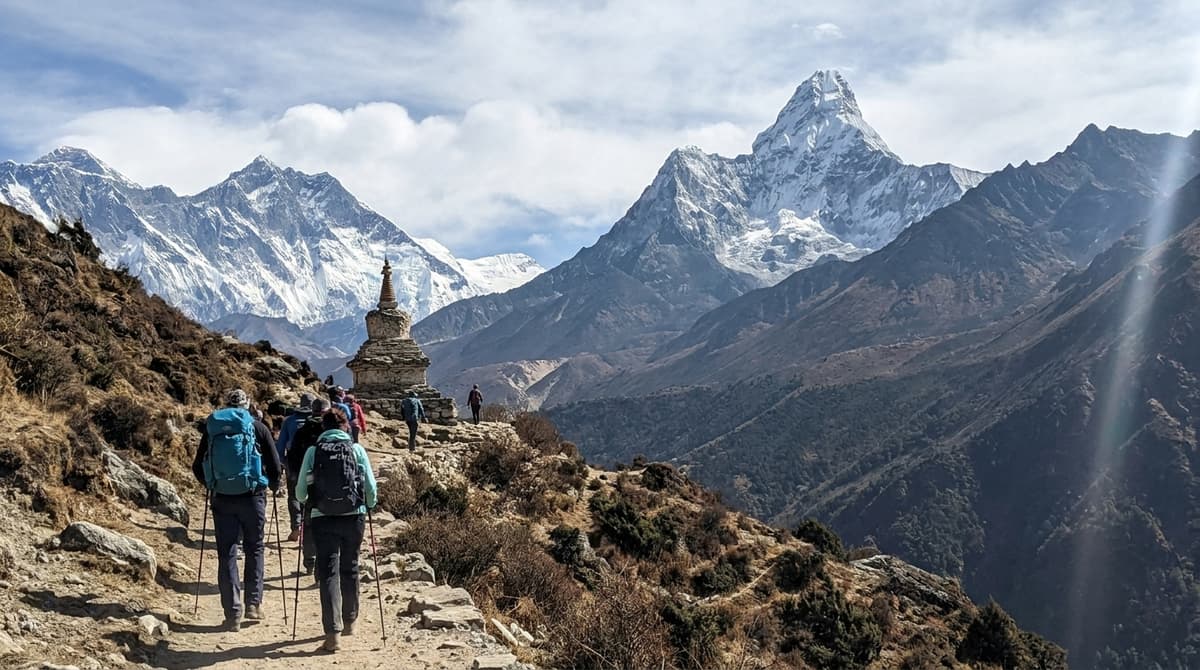
The other is a journey along the trail of the legend to the base of the world's highest mountain, through the typical Sherpa villages and the region of one of the most famous mountains in the world.
So, which trek is right for you?
This is a question that can't be answered in a single sentence, as there are many factors to consider, such as fitness, trekking experience, budget, time, scenery, tolerance to altitude, and type of adventure.
Difficulty or cost are only two points covered in many comparison articles, but one should take a much wider lens for a more complete perspective when it comes to choosing between these two world-class treks.
This is a detailed comparison of Annapurna Base Camp vs Everest Base Camp Treks, which compares various aspects of the trek from the level of difficulty and altitude to accommodation, food, permits, seasonal conditions, costs and cultural experiences.
It will help you make an informed choice whether you are a novice trekker or a seasoned hiker for your next trip to the Himalayas.
If you are already sure that the Annapurna region is your ideal destination, you may find the Annapurna Base Camp Trek – 14 Days tour a perfect itinerary to explore one of the most rewarding trekking regions of Nepal.
Quick Answer: Annapurna Base Camp vs Everest Base Camp Trek.
If you're short on time, here's the simple answer:
If you are looking for a shorter trek, a moderate overall price, a diverse range of scenery, and a trek that is much more likely to be suited to first-time high-altitude trekkers, then you should consider the Annapurna Base Camp Trek.
If you have always dreamt of being at the base of the world's highest peak and you are willing to travel to higher altitudes, a longer trek, and a higher budget, then you should go for the Everest Base Camp Trek.
Expert Insight: Both treks are just as good. It is dependent on your experience, fitness, travel objectives, and the type of hike you're looking for in the Himalayas.
No matter how popular Everest Base Camp is, many first-time hikers think that this trek is automatically the superior one just because of the reputation of Everest.
In practice, it is the same base camp that has been visited by thousands of trekking veterans who find it equally rewarding, mainly due to its showpiece mountain amphitheater, diverse terrain, cultural heritage, and comparatively lower altitude difficulty.
Key Takeaways
- Annapurna Base Camp Trek is generally better for beginners due to its lower altitude, shorter itinerary, and moderate difficulty.
- Everest Base Camp Trek is ideal for trekkers seeking the iconic experience of reaching the base of the world's highest mountain.
- Annapurna Base Camp is typically more affordable, while Everest Base Camp requires a higher budget because of flights, permits, and higher accommodation costs.
- Both treks offer spectacular Himalayan scenery, but Annapurna Base Camp is known for its diverse landscapes, whereas Everest Base Camp is renowned for Everest views and Sherpa culture.
- Spring (March–May) and Autumn (September–November) are the best seasons for both treks due to stable weather and clear mountain views.
- The best trek depends on your fitness level, budget, available time, and personal travel goals, rather than one route being universally better.
Annapurna Base Camp vs Everest Base Camp Trek: Quick Comparison
| Feature | Annapurna Base Camp (ABC) | Everest Base Camp (EBC) |
| Maximum Altitude | 4,130 m (13,550 ft) | 5,364 m (17,598 ft) |
| Typical Duration | 10–14 Days | 12–15 Days |
| Difficulty | Moderate | Moderate to Challenging |
| Daily Walking | 5–7 Hours | 6–8 Hours |
| Best For | Beginners & Intermediate Trekkers | Experienced & Well-Prepared Trekkers |
| Highest Risk | Moderate altitude sickness | Higher altitude sickness risk |
| Region | Annapurna Conservation Area | Sagarmatha National Park |
| Main Mountain Views | Annapurna I, Machhapuchhre, Hiunchuli, Annapurna South | Mount Everest, Lhotse, Nuptse, Ama Dablam, Pumori |
| Starting Point | Nayapul/Ulleri or Jhinu Danda (depending on itinerary) | Lukla |
| Transportation | Road + Trek | Flight (or road + trek via alternative routes) |
| Accommodation | Comfortable Tea Houses | Tea Houses with more limited facilities at higher elevations |
| Estimated Budget | Lower | Higher |
| Crowd Level | Moderate | High during peak seasons |
| Beginner Friendly | Highly suitable for beginners with good physical preparation | Suitable for beginners with proper training and acclimatization, but more physically demanding |
| Scenic Diversity | Forests, rivers, waterfalls, villages, alpine landscapes | Glaciers, moraines, high-altitude valleys, Sherpa settlements |
Overview of the Two Treks
What Is the Annapurna Base Camp Trek?
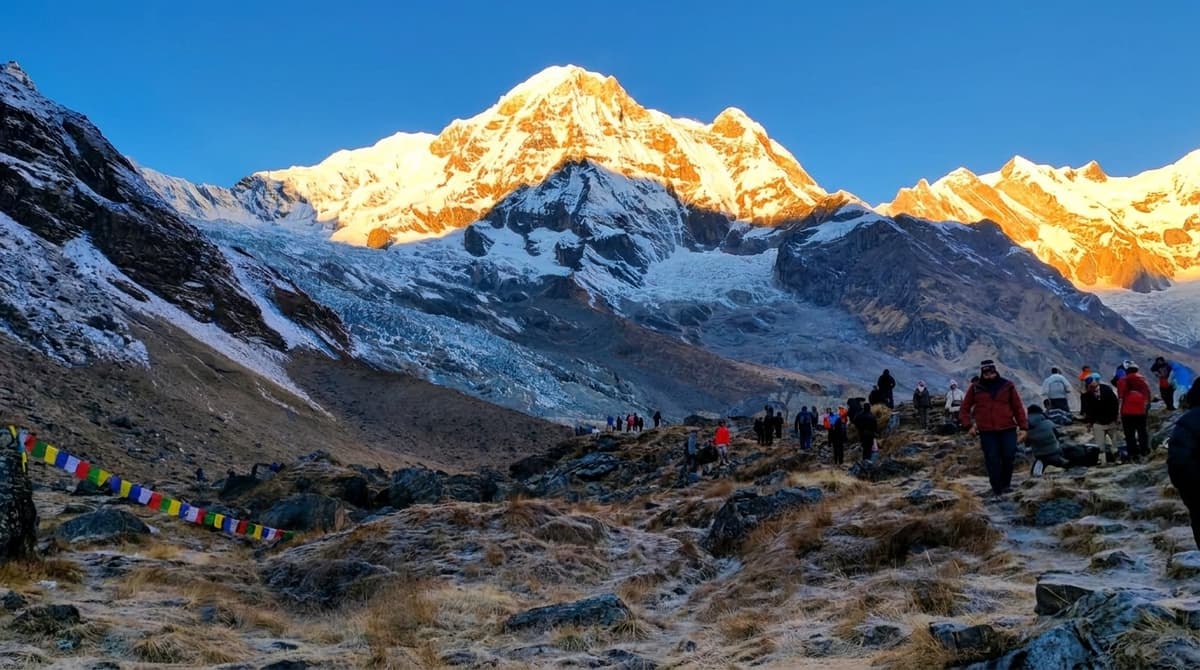
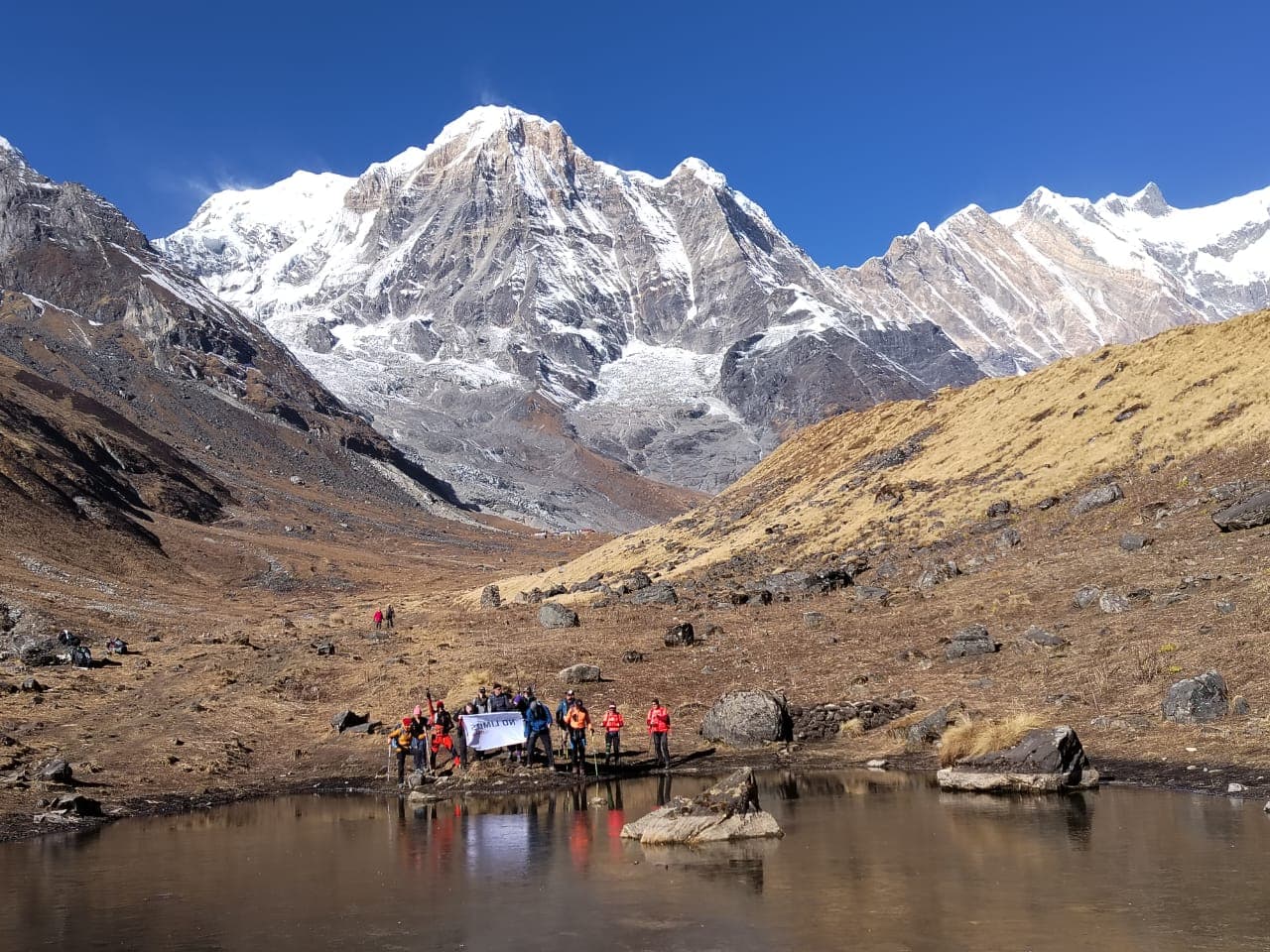
The Annapurna Base Camp (ABC) Trek is certainly one of the most popular trekking experiences in Nepal, taking trekkers into the Annapurna Sanctuary at an elevation of 4,130 meters.
It winds through terraced farmland, rhododendron woods, suspension bridges, tumbling waterfalls, and typical Gurung and Magar villages, and eventually to the breathtaking natural amphitheatre with snow-clad Himalayan mountains.
A lot of high-altitude treks offer a very different view every day, and this is one such hike. At lower levels of elevation, there's lush subtropical forest, and then alpine terrain, under some of the highest mountains on earth. This type keeps the trip interesting throughout.
It is also relatively low-elevation, making it an easy trek for those who want to experience the Himalayas without hiking into the realm of the 6000m peaks. For those who are thinking about going this way, our Annapurna Base Camp Trek – 14 Days itinerary will give you a well-balanced schedule with enough time to enjoy the scenery and culture.
Best for:
- First-time Himalayan trekkers
- Nature lovers
- Photographers
- People who only have a little time to spare
- Moderate-budget adventurers
What Is the Everest Base Camp Trek?
The Everest Base Camp (EBC) trek is a trekking route that has been taken by the mountaineers trying to reach the summit of Mount Everest.
The trail ascends to 5,364 meters and traverses the Khumbu region, including Sherpa villages, ancient monasteries, suspension bridges and glacial valleys, before arriving at the fabled Everest Base Camp.
The highlight of this trek is a climb on Kala Patthar (5,545 m), which is considered the best viewpoint for a panoramic view of Mount Everest, Lhotse, Nuptse and the rest of the Himalayan giants.
The Everest region is more of a high-elevation area, which is more rugged than the Annapurna Base Camp, and the mountaineering tradition is more of a part of the culture than in the Annapurna Base Camp, and the emphasis in the region is more on acclimatisation than in the Annapurna Base Camp.
The Everest Base Camp Trek – 15 Days is designed for those who want the traditional trek and enough time to acclimatize themselves to the elevation.
Best for:
- Bucket-list travelers
- Experienced trekkers
- High-altitude enthusiasts
- Adventure seekers
- Travelers wanting to experience Sherpa culture
Why Compare the Annapurna Base Camp and Everest Base Camp Treks?
The question of whether to go through the iconic trek of one or another mountain isn't just one of popularity. It's a matter of choosing the adventure that suits your fitness, budget, time, and expectations.
Although both routes provide spectacular views of the Himalayas, they have distinct differences in elevation, route, length of trek, logistic requirements, cultural experiences, accommodation, and cost.
These variations can have a significant impact on your comfort, safety, and enjoyment on the trail.
For example:
- A first-time trekker may prefer the lower altitude and varied landscapes of Annapurna Base Camp.
- A traveler fulfilling a lifelong dream of standing beneath the world's highest mountain may find Everest Base Camp worth the extra time, cost, and physical challenge.
- Those with limited travel days often choose Annapurna Base Camp, while experienced hikers seeking a classic high-altitude expedition may lean toward Everest Base Camp.
This guide doesn't say one trek is definitely better, but instead shows you all the major differences side-by-side, and you can feel confident in picking the one that is right for you.
Annapurna Base Camp vs Everest Base Camp Trek: Detailed Comparison
The Annapurna Base Camp (ABC) Trek and the Everest Base Camp (EBC) Trek are two of Nepal’s most rewarding Himalayan adventures. While similar multi-day tea house treks, the experience is worlds apart in terms of altitude, trail, scenery, logistics, culture, and cost.
Instead of asking which trek is better, it is more useful to ask which trek is better for your travel goals. The following comparisons will assist you in deciding.
Annapurna Base Camp vs Everest Base Camp Difficulty
Annapurna Base Camp is moderately difficult for most trekkers, whereas the Everest Base Camp trek is moderate to challenging because of its elevation and acclimatization time.
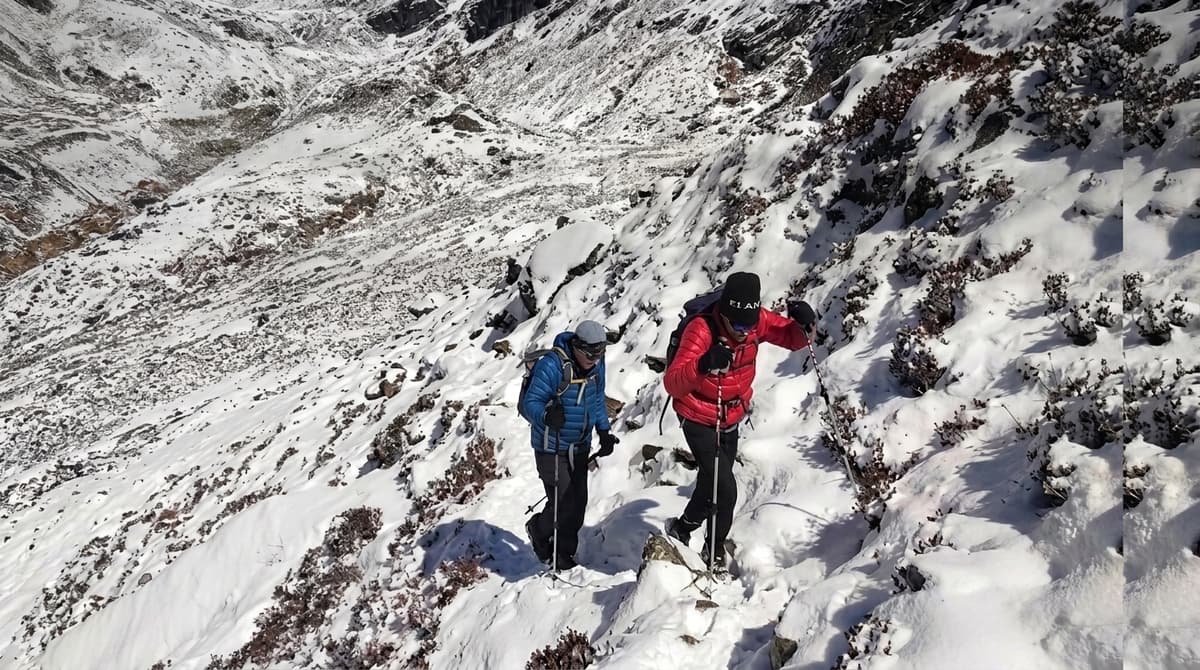
Annapurna Base Camp Trek is a physically challenging trek that peaks at 4,130m and is relatively easier to do for first-time trekkers to the Himalayas.
The average duration of the daily walks is around 5 to 7 hours, and the ascent is always steady with a gradual increase through forests, stone stairways, traditional villages and alpine scenery.
At Everest Base Camp, which is at 5,364m, the toughest aspect of the trek is the thin air rather than the path itself.
The trails are fairly simple, but with less oxygen, they are much harder, even on the easier uphills. They must acclimatize properly to minimize the risk of altitude sickness.
For those who have never participated in a high-altitude hike in Nepal, our guide, How to Prepare for Trekking in Nepal, can help you get the proper fitness level and give you a better idea of what to expect on the trail.
Quick Comparison
| Factor | Annapurna Base Camp | Everest Base Camp |
| Difficulty | Moderate | Moderate to Challenging |
| Technical Skills | Not Required | Not Required |
| Highest Altitude | 4,130 m | 5,364 m |
| Daily Walking | 5–7 Hours | 6–8 Hours |
| Suitable for Beginners | yes | With Proper Preparation |
Expert tip: If you think the steep climbs make Everest Base Camp hard, then most trekkers would agree. Actually, the biggest challenge is getting used to the altitude, not the trail.
Trek Duration and Daily Walking Distance
One of the biggest differences between these treks is the time commitment.
Most Annapurna Base Camp Trek itineraries are between 10 and 14 days depending on the starting location and route. However, the classic Everest Base Camp Trek – 15 Days itinerary usually takes about two weeks, as you need extra acclimatization days at higher altitudes.
The usual walking distance for trekkers on the Annapurna route is between 10 and 15 kilometers per day, while on the Everest Base Camp, it is between 10 and 18 kilometers per day. The walking speed is generally slower because of the rising altitude.
If you don’t have much vacation time but still want to have an unforgettable experience in the Himalayas, then Annapurna Base Camp is generally the more practical option.
| Feature | Annapurna Base Camp | Everest Base Camp |
| Typical Duration | 10–14 Days | 12–15 Days |
| Average Walking Hours | 5–7 Hours | 6–8 Hours |
| Acclimatization Days | Usually Not Required | 2 Required |
| Recommended Minimum Trip | 12 Days | 14–15 Days |
Altitude and Acclimatization
The key differentiator for these two treks is the altitude.
Annapurna Base Camp Trek reaches up to 4,130 m, where some trekkers may find themselves to have slight symptoms of Acute Mountain Sickness (AMS).
However, the altitude is not as high, and the ascent is not as steep, so the overall risk is not as great.
At 5364m, Everest Base Camp is surrounded by this vast panorama. In fact, several trekkers visit Kala Patthar (5545m) to witness the sunrise of Mount Everest. Here oxygen conditions are much reduced, and acclimatisation is an important part of the trip.
No matter which trek you select, a slow, steady pace, adequate hydration, good nutrition and listening to the body are all steps to take to go trekking safely.
This is why we have a few guides on Altitude Acclimatization for Trekking and How to Avoid Altitude Sickness on High Altitude Treks, which offer tips on minimizing altitude-related risks.
Quick Answer: If you're concerned about altitude sickness, Annapurna Base Camp is generally the safer option because it reaches a lower maximum elevation.
Mountain Views and Scenic Diversity
The scenery of the treks is spectacular in the Himalayas, but it is quite different.
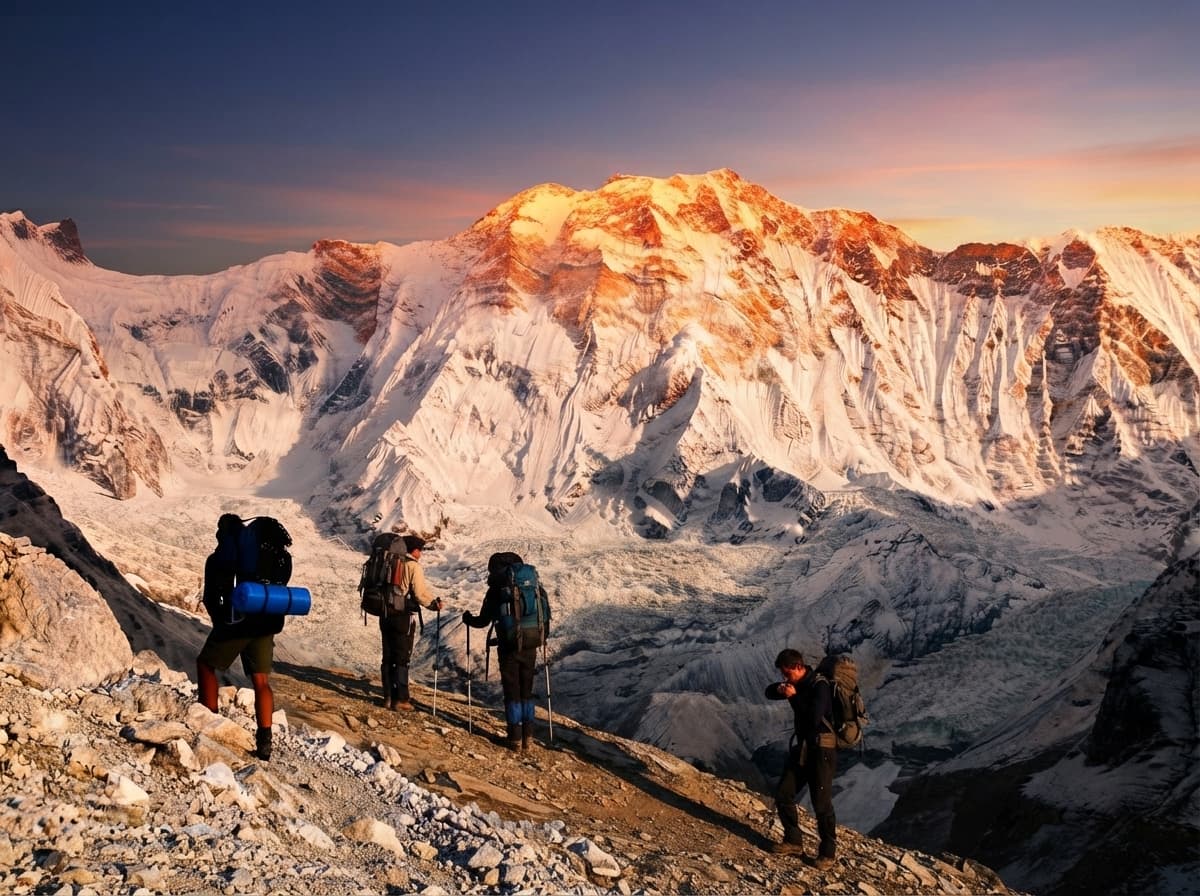
The Annapurna Base Camp Trek is the trek that is unpredictable in nature. You will traverse terraced farmlands, bamboo forests, rhododendron forests, waterfalls, rivers, suspension bridges, and traditional Gurung and Magar villages, and reach the dramatic Annapurna Sanctuary.
In this area, you will have the opportunity to visit the high peaks like Annapurna I (8,091 m), Machhapuchhre (Fishtail), Annapurna South and Hiunchuli.
The Everest Base Camp Trek is a more challenging, up-in-the-air experience. On the higher elevations, the forest slowly grades into glacial valleys, moraines, and vast mountain views.
En route, you will have iconic views of Mt Everest, Ama Dablam, Lhotse, Nuptse, Thamserku and Pumori. Many trekkers find the sight of the sunrise at Kala Patthar the highlight of the trek.
Which Trek Has Better Views?
For those who like the variety of different scenery that changes all the time, Annapurna Base Camp is more varied. Everest Base Camp offers an unrivaled sense of accomplishment and iconic Himalayan scenery for those with a desire to stand beneath the world's tallest peak.
Cultural Experience
Trekking in Nepal is a lot of fun, and one of the best parts is taking the opportunity to experience the unique culture of different mountain communities.
During the Annapurna Base Camp Trek, you will visit the traditional villages of Gurung and Magar and experience the warm hospitality of the people. You will see the stone-built houses, terraced farms, Buddhist monasteries, etc.
This walk is a great way to enjoy a combination of natural and cultural experiences, while also immersing yourself in the rural way of life.
The Everest Base Camp Trek is through the heart of the Khumbu area, where the Sherpa people live.
On the way, you will see and remember historic monasteries, prayer wheels and mani walls, as well as the colorful chortens that are an integral part of the deep Buddhist traditions in the Himalayas.
The trek is enriched with a cultural dimension, especially in the villages of Namche Bazaar and Tengboche.
For those who want to experience Nepal as a whole, a Nepal Cultural Tour can be done either before or after the trek.
| Cultural Aspect | Annapurna Base Camp | Everest Base Camp |
| Main Ethnic Communities | Gurung & Magar | Sherpa |
| Monasteries | Moderate | Extensive |
| Traditional Villages | Excellent | Excellent |
| Local Hospitality | Outstanding | Outstanding |
| Cultural Immersion | High | Very High |
Which Trek Is Better So Far?
At this point, neither trek is a clear winner – they just cater to different types of travellers.
- Choose Annapurna Base Camp if you prefer a shorter trek, lower altitude, diverse landscapes, and a more budget-friendly adventure.
- Choose Everest Base Camp if reaching the base of the world's highest mountain is your lifelong goal and you're prepared for a longer, higher-altitude journey.
Accommodation Comparison: Tea Houses and Overnight Stays
One of the biggest advantages of both the Annapurna Base Camp (ABC) Trek and the Everest Base Camp (EBC) Trek is that you don't need to camp.
The two routes are tea house trekking routes, with accommodation, meals and basic facilities available at the tea houses along the way, which are owned and operated by residents. But the quality, availability and price of these tea houses differ from one region to another.
This is the base camp for the Annapurna Base Trek. The base camp for the Annapurna Base Trek.
The Annapurna Base Camp Trek is a wonderful trek for tea house accommodation along the trail. There is a variety of lodges in most villages, making for a lot of choices for trekkers both in the high season and during the off-season.
Standard tea houses usually provide:
- Twin-sharing rooms with beds, pillows, and blankets
- Shared bathrooms
- Dining halls with wood or gas heating
- Charging facilities (often for an additional fee)
- Wi-Fi in many villages
- Hot showers available in most locations
The facilities are generally more comfortable lower down at places like Jhinu Danda, Chhomrong and Bamboo than at higher settlements like Deurali or Annapurna Base Camp, where the accommodation gets a little more basic because of the remote environment.
The Annapurna Base Camp Trek – 14 Days itinerary is especially good for people who like to trek at a more leisurely pace and stay overnight in more comfortable conditions, because it allows you more time to enjoy the scenery and hospitality of the villages.
Everest Base Camp Accommodation
Tea houses on the Everest Base Camp Trek are also comfortable, but become more basic as you gain altitude.
There are plenty of lodges, cafes and bakeries in popular villages like Lukla and Namche Bazaar, but accommodation in Lobuche and Gorak Shep is more limited due to the tough alpine conditions.
Most tea houses include:
- Twin-sharing rooms
- Shared toilets
- Heated dining rooms
- Limited Wi-Fi
- Mobile charging (additional cost)
- Hot showers at lower elevations
Above 4,500 meters, facilities become more basic, and services such as internet access, charging electronics, and hot showers become more expensive due to transportation challenges.
Accommodation on Annapurna Base Camp vs Everest Base Camp Trek
| Feature | Annapurna Base Camp | Everest Base Camp |
| Tea House Availability | Excellent | Excellent |
| Comfort Level | Good to Very Good | Good at lower elevations, Basic at higher elevations |
| Hot Showers | Widely Available | Available but limited at higher elevations |
| Wi-Fi | Available in many villages | Available but more expensive at higher elevations |
| Electricity | Reliable in most villages | Limited at higher elevations |
| Accommodation Cost | Lower | Higher |
Expert Insight: If comfort and affordability are priorities, the Annapurna Base Camp Trek generally offers a better overall tea house experience.
Food on Annapurna Base Camp vs Everest Base Camp Trek
You must have fuel to keep you moving when you're out on a multi-day hike. The two trails provide an unexpectedly diverse range of food options, and menu prices rise as the elevation rises, as the food is transported by porters, mules, or yaks.
Food on the Annapurna Base Camp Trek
Along the Annapurna route, there are tea houses that offer a variety of Nepali and international cuisine.
Common meals include:
- Dal Bhat (lentils, rice, vegetables, curry)
- Fried rice
- Vegetable noodles
- Pasta
- Momos
- Tibetan bread
- Pancakes
- Eggs
- Soups
- Seasonal vegetables
A major benefit while trekking in the Annapurna region is the availability of fresh ingredients in the lower villages in a greater variety of foods.
Before your journey, read our article Best Nepalese Food You Must Try to familiarize yourself with some of the dishes you'll find in Nepal.
Food on the Everest Base Camp Trek
The selection of food types is pretty much the same along the Everest route. The prices, however, steadily increase as you climb higher up in Khumbu.
Popular menu items include:
- Dal Bhat
- Garlic soup
- Sherpa stew
- Fried rice
- Pasta
- Noodles
- Chapati
- Eggs
- Potatoes
- Oatmeal
- Tea and coffee
Trekkers love garlic soup, but it's more of a comfort food than an actual altitude sickness remedy.
Food Comparison Table
| Feature | Annapurna Base Camp | Everest Base Camp |
| Food Variety | Excellent | Very Good |
| Local Cuisine | Gurung & Nepali | Sherpa & Nepali |
| Vegetarian Options | Excellent | Excellent |
| Meal Prices | Lower | Higher |
| Fresh Produce | More Available | Less Available at High Altitude |
Transportation to Annapurna Base Camp vs Everest Base Camp
Another difference between these two iconic treks is the path that leads up to the trailhead.
Getting to Annapurna Base Camp
The majority of Annapurna Base Camp treks start by driving from Kathmandu to Pokhara, followed by a 10-minute drive to the trailhead, which can be at a variety of locations – Nayapul, Jhinu Danda or Siwai, depending on the trek.
Now the road situation has greatly improved, and it is relatively easy to get to the Annapurna region, and it is less weather-dependent than before.
Getting to Everest Base Camp
The traditional route to Everest Base Camp is from Kathmandu (or Ramechhap in the busy seasons) to Lukla airport, which is one of the most famous mountain airports in the world.
Weather-related flights are subject to flight cancellations and delays. There is also an overland route, which takes about a week or two more of trekking time, but this avoids disruptions to flights.
Transportation Comparison Table
| Feature | Annapurna Base Camp | Everest Base Camp |
| Starting Point | Pokhara | Lukla |
| Main Transportation | Road | Domestic Flight |
| Weather Delays | Rare | Common |
| Accessibility | Easier | More Challenging |
| Overall Travel Cost | Lower | Higher |
Permits Comparison
An official permit is needed for both trekking tracks, but the permit systems are different.
Annapurna Base Camp Permits
The typical trekkers going to Annapurna Base Camp need:
- Annapurna Conservation Area Permit (ACAP)
- TIMS or any updated trekking documentation required under the latest Nepal tourism regulations
Please check the most up-to-date permit information and fees in our Guide to Trekking Permits in Nepal.
Everest Base Camp Permits
The trekkers in the Everest region usually need:
- Sagarmatha National Park Entry Permit
- Khumbu Pasang Lhamu Rural Municipality Permit
Permit requirements are subject to change; it is always a good idea to check the current requirements before traveling.
Permit Comparison
| Permit | Annapurna Base Camp | Everest Base Camp |
| National Park / Conservation Permit | Annapurna Conservation Area Permit (ACAP) | Sagarmatha National Park Entry Permit |
| Local Municipality Permit | Not Required | Khumbu Pasang Lhamu Rural Municipality Permit |
| Documentation Required | Yes Valid Passport | Yes Valid Passport |
Annapurna Base Camp vs Everest Base Camp Trek Cost
One reason to opt for one trek over another is budgetary constraints.
The Annapurna Base Camp Trek is comparatively cheaper as transportation is cheaper, accommodation is less costly, and food is relatively cheaper along the trek.
The Everest Base Camp trek, on the other hand, is more expensive and involves domestic flights, higher permit fees, and higher accommodation and food rates at higher elevations.
Travelers planning their budget in detail may also find these resources helpful:
Estimated Budget Comparison
| Expense | Annapurna Base Camp | Everest Base Camp |
| Budget Trek | Lower | Higher |
| Standard Guided Trek | Moderate | Higher |
| Luxury Trek | Available | Available |
| Transportation | Lower | Higher |
| Food & Accommodation | Lower | Higher |
| Overall Value | Excellent | Excellent for Bucket-List Travelers |
Which Trek Offers Better Value?
For a trek that offers great views and nice tea houses and relatively lower cost of travel, Annapurna Base Camp is an excellent choice if you are looking to experience the landscapes of the Himalayas without breaking the bank.
But for those with the dream of standing at the foot of the world's highest peak, the extra cost for the Everest Base Camp Trek is worth it due to its iconic status, unique Sherpa culture, and the memorable views of Everest.
Best Time to Visit
Both treks are available most of the year, but the best experience is dependent on the season and your trekking preference.
Spring (March-May) and autumn (September-November) offer the most stable weather, clear mountain views, and comfortable temperatures. Annapurna Base Camp and Everest Base Camp treks are best in these seasons.
During winter, the trails are quieter, but the temperatures are colder, and the monsoon season brings rain to the Annapurna region and limited visibility in many places.
If you are planning your trip according to seasonal conditions, our guides on Best Spring Treks in Nepal, Best Autumn Treks in Nepal, and When is the Best Time to Visit Nepal? can help you choose the best month to leave.
Best Time Comparison
| Season | Annapurna Base Camp | Everest Base Camp |
| Spring (Mar–May) | Excellent weather and blooming rhododendron forests | Excellent visibility and comfortable trekking conditions |
| Summer/Monsoon (Jun–Aug) | Frequent rainfall and slippery trails | Rain at lower elevations with occasional flight delays |
| Autumn (Sep–Nov) | Clear skies and stable weather | Peak trekking season with excellent mountain views |
| Winter (Dec–Feb) | Cold but less crowded | Very cold with snow at higher elevations |
Safety and Altitude Considerations
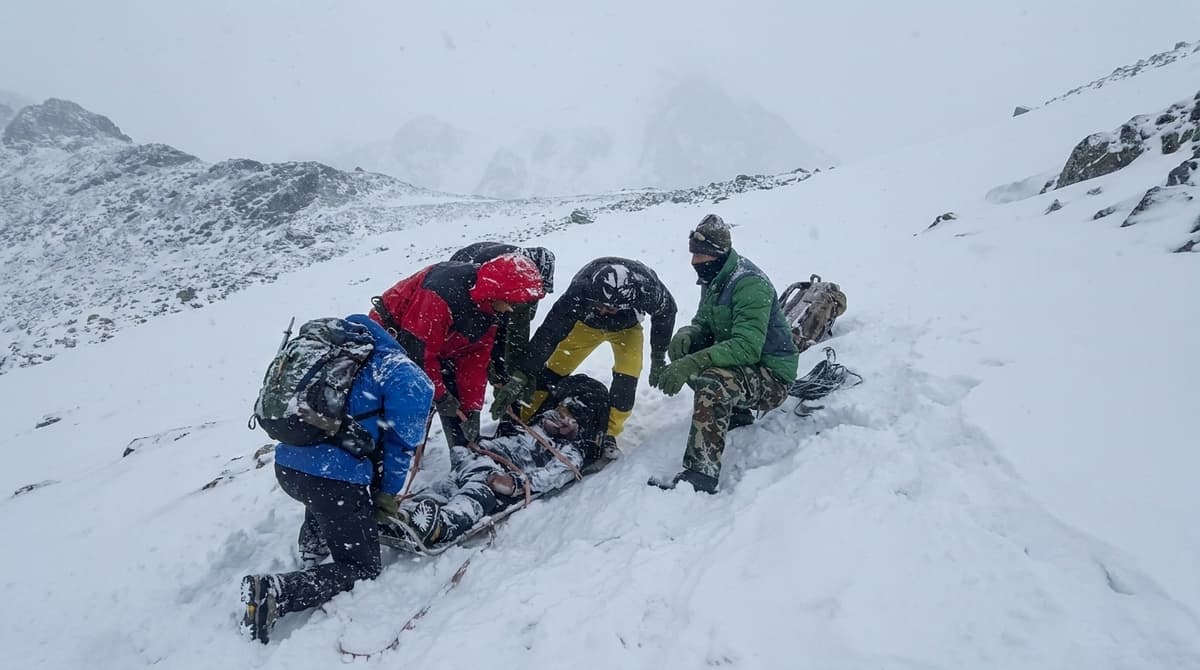
Both hikes are considered safe when done with proper preparation. The main problem is the height, especially on the Everest Base Camp Trek.
To reduce the risk of altitude sickness:
- Ascend gradually.
- Stay hydrated.
- Avoid rushing your itinerary.
- Listen to your guide and your body.
- Include acclimatization days where required.
Reading How to Avoid Altitude Sickness on High Altitude Treks and Altitude Acclimatization for Trekking before your trip can help you prepare for trekking at high elevations.
Packing Essentials
Packing light while carrying the right gear improves comfort throughout the trek.
Essential Items
- Waterproof trekking boots
- Layered clothing
- Down jacket
- Sleeping bag (season dependent)
- Trekking poles
- Sunglasses and sunscreen
- Reusable water bottle
- Headlamp
- Personal first-aid kit
- Power bank
For a complete checklist, see What to Pack for Your First Trek.
Fitness Requirements
Both are accessible to those in good physical fitness, neither requires technical climbing skills.
They are suitable for most healthy travelers who prepare with regular walking, hiking, or cardio exercise.
The Everest Base Camp Trek is more demanding with more altitude and longer trekking days. A few weeks of training before you go can make a big difference to your experience.
Unsure which trek is suited to your fitness level? Our guide to How to Choose the Right Trek for Your Fitness Level provides practical advice for a variety of experience levels.
Which Trek Should You Choose?
| If You…. | Choose |
| Are a beginner | Annapurna Base Camp |
| Want Everest views | Everest Base Camp |
| Have a smaller budget | Annapurna Base Camp |
| Want Sherpa culture | Everest Base Camp |
| Have only 10–12 days | Annapurna Base Camp |
| Want a bucket-list adventure | Everest Base Camp |
Expert Recommendation
Not all treks are for everybody.
The Annapurna Base Camp Trek is a great balance of mountain scenery, cultural experiences, affordability and accessibility for a first Himalayan trekking experience.
But if you want to experience one of the world’s most iconic treks and stand beneath the highest mountain on earth, the Everest Base Camp Trek is a rewarding choice, despite the extra physical challenge and expense.
Conclusion: Annapurna Base Camp vs Everest Base Camp Trek
When comparing the Annapurna Base Camp vs Everest Base Camp Trek, there isn't a one-size-fits-all answer. The best choice depends on your trekking experience, fitness level, budget, available time, and the type of Himalayan adventure you're looking for.
Opt for Annapurna Base Camp if you are looking for a shorter and budget-friendly trek, a variety of terrain, comfortable tea houses, and lower altitude. The trek is a great choice for novices and also those who wish to make a well-rounded Himalayan trek.
If you are looking to be at the base of the world's highest peak, experience the Sherpa culture, and put yourself to the test by trekking above 5000 meters, then you should choose Everest Base Camp. It takes longer, more preparation, and more money, but it is a truly iconic trip.
You have to plan your way carefully, regardless of your path. You can use our Trekking in Nepal guide to get ready for permits, packing, fitness, and planning the right itinerary for your experience level.
If you're still contemplating, you can check out our Annapurna Base Camp Trek – 14 Days and Everest Base Camp Trek – 15 Days itineraries to know which adventure suits you best.
At a Glance
| Category | Better Choice |
| Beginners | Annapurna Base Camp |
| Budget | Annapurna Base Camp |
| Highest Altitude | Everest Base Camp |
| Cultural Experience | Everest Base Camp |
| Scenic Diversity | Annapurna Base Camp |
| Iconic Experience | Everest Base Camp |
Frequently Asked Questions About Annapurna Base Camp vs Everest Base Camp Trek
1. Is Annapurna Base Camp or Everest Base Camp better for beginners?
Annapurna Base Camp is better for beginners as it is at a lower altitude, has a shorter itinerary and a gradual ascent. See Best Treks in Nepal for Beginners for more options suitable for beginners.
2. Which trek is more difficult?
The Everest Base Camp Trek is more challenging due to its higher altitude, longer duration, and greater risk of altitude sickness.
3. Which trek offers better mountain views?
Both hikes have beautiful scenery. Annapurna Base Camp has a 360-degree mountain amphitheater, and Everest Base Camp gives you iconic views of Mount Everest and the Khumbu Himalayas.
4. Which trek is more affordable?
When doing trekking Annapurna base camp can seem cheap as transportation and accommodation expenses, and even food options might be cheaper in comparison to the Everest Base Camp trek.
5. When is the best time to trek?
Spring (March-May) and fall (September-November) are considered the ideal seasons for all treks because they have the best visibility and stable weather. (See When is the Best Time to Visit Nepal?)
6. Do I need a guide for these treks?
Guide requirements may vary based on current trekking regulations. Always confirm the latest rules with your trekking agency before your trip.
7. How can I reduce the risk of altitude sickness?
Ascend gradually, stay hydrated, and include acclimatization days in your itinerary. Learn more in How to Avoid Altitude Sickness on High Altitude Treks.
8. Can I complete these treks without previous trekking experience?
Yes. Many first-time trekkers complete both routes with proper preparation, suitable fitness, and a well-planned itinerary.