Best Time to Trek Annapurna Base Camp: Month-by-Month Weather & Seasonal Guide (2026)
The Annapurna Base Camp (ABC) Trek is a thrilling adventure, and determining the best time to trek can greatly enhance your experience.
From the view of the mountains to the state of the trails, from the availability of lodging to the safety of trekking – weather influences all these aspects. Although Annapurna Base Camp is open for all seasons, each has its own set of benefits and difficulties.
Spring (March to May) and autumn (September to November) are the best seasons for trekking the Annapurna range for most trekkers because of the combination of clear skies, comfortable temperatures, and great visibility.
But winter is for less noisy trails and monsoon for a more experienced hiker looking for a jungle-green landscape with fewer crowds.
If you are coming up from the Himalayas for the first time or a second time to explore the Annapurna region, you should know what weather you can expect month by month to make the most of your holiday. Being undecided about your trip plan, if you can then you can check our Annapurna Base Camp Trek – 14 days package, which provides you with a detailed route, itinerary, and inclusions according to your trekking style. If you have limited time, you can also compare with our Annapurna Base Camp Trek – 12 Days trek.
It contains information for each of the four seasons, monthly averages, trail conditions, crowds, photography, and planning tips to help you select the best season to visit.
Expert Tip: Weather in the Himalayas can change rapidly, particularly above 3,000 metres – expert tip! Before starting any trek, check the up-to-date forecast and be flexible with any changes to the mountains.
Quick Answer: What Is the Best Time to Trek Annapurna Base Camp?
Spring (March-May) and Autumn (September – November) are the ideal times to trek at Annapurna Base Camp. These are the seasons that provide fairly consistent weather, abundant visibility in the mountains, mild day temperatures, and good trail conditions.
Rhododendron forests are a feature of spring, and autumn is renowned for unobscured skies and sweeping vistas of the Himalayas following the monsoons.
Winter (December to February) can be a great time too if you prefer quieter trails, but it means colder temperatures and possible snow that will need some extra preparation. The monsoon season (June to August) is not quite as good as the rest because of the frequent rainfall and the slippery trails, as well as the lack of mountain views.
Best Seasons at a Glance
| Season | Months | Weather | Visibility | Crowd Level | Recommended For |
| Spring | March–May | Mild and stable | Excellent | High | First-time trekkers, photographers, nature lovers |
| Summer / Monsoon | June–August | Warm and wet | Limited | Low | Experienced trekkers seeking quieter trails |
| Autumn | September–November | Cool and dry | Excellent | High | Most trekkers, families, and groups |
| Winter | December–February | Cold and generally dry | Good | Low | Experienced trekkers seeking solitude |
Why Choosing the Right Season Matters?
The weather on the Annapurna Base Camp Trek can change quickly and rapidly, reaching an altitude of 4,130 metres (13,550 feet). Choosing the proper season will enhance safety, comfort, and overall trekking experience.
1. Weather and Trail Conditions
Mild weather minimises delays, slippery conditions and limited visibility. The trails are typically dry during this time of year, making it easier to navigate and a great time of year for trekkers of all experience levels.
2. Mountain Views
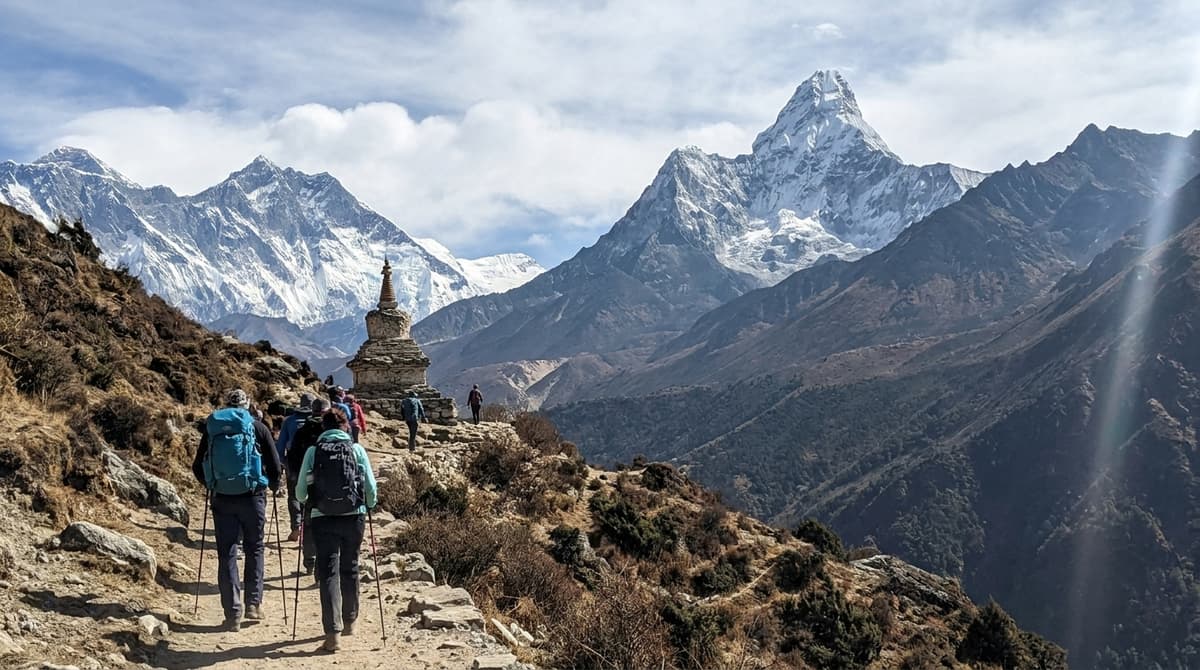
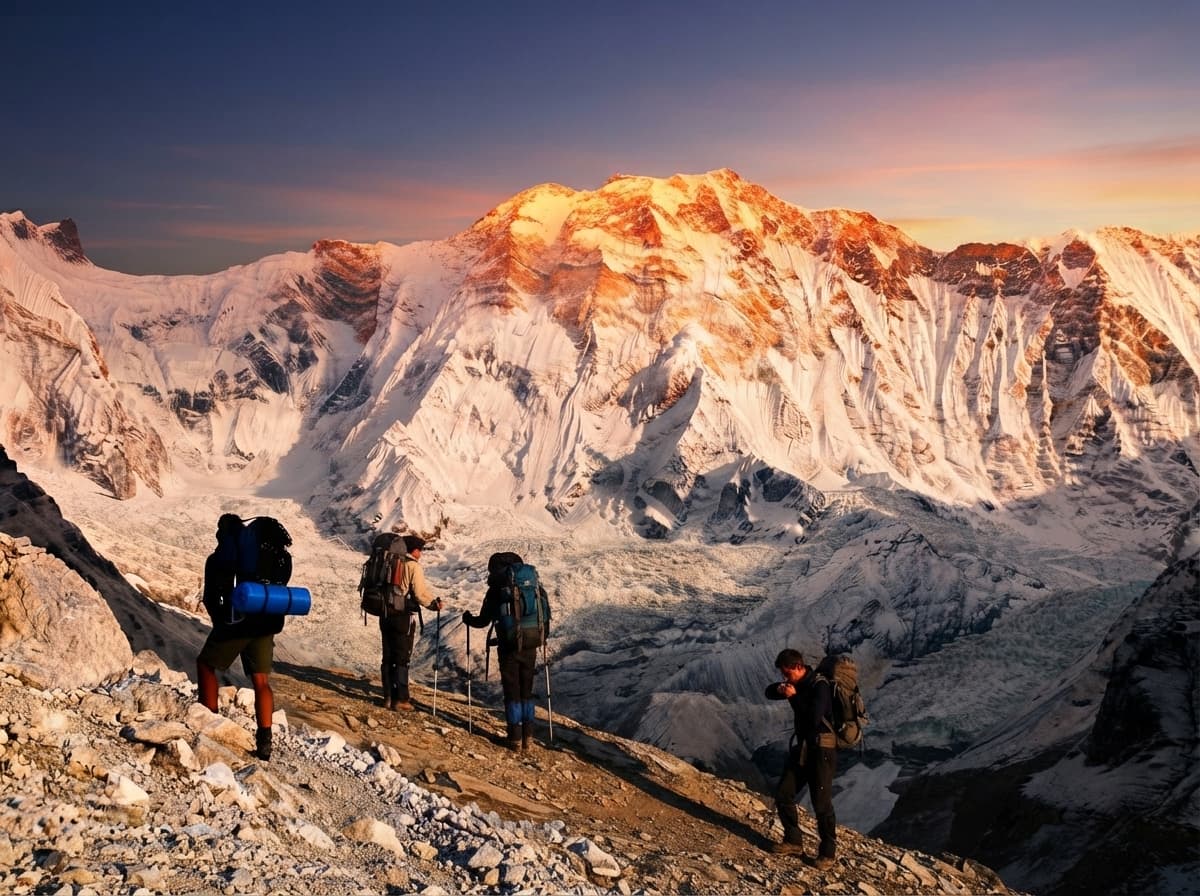
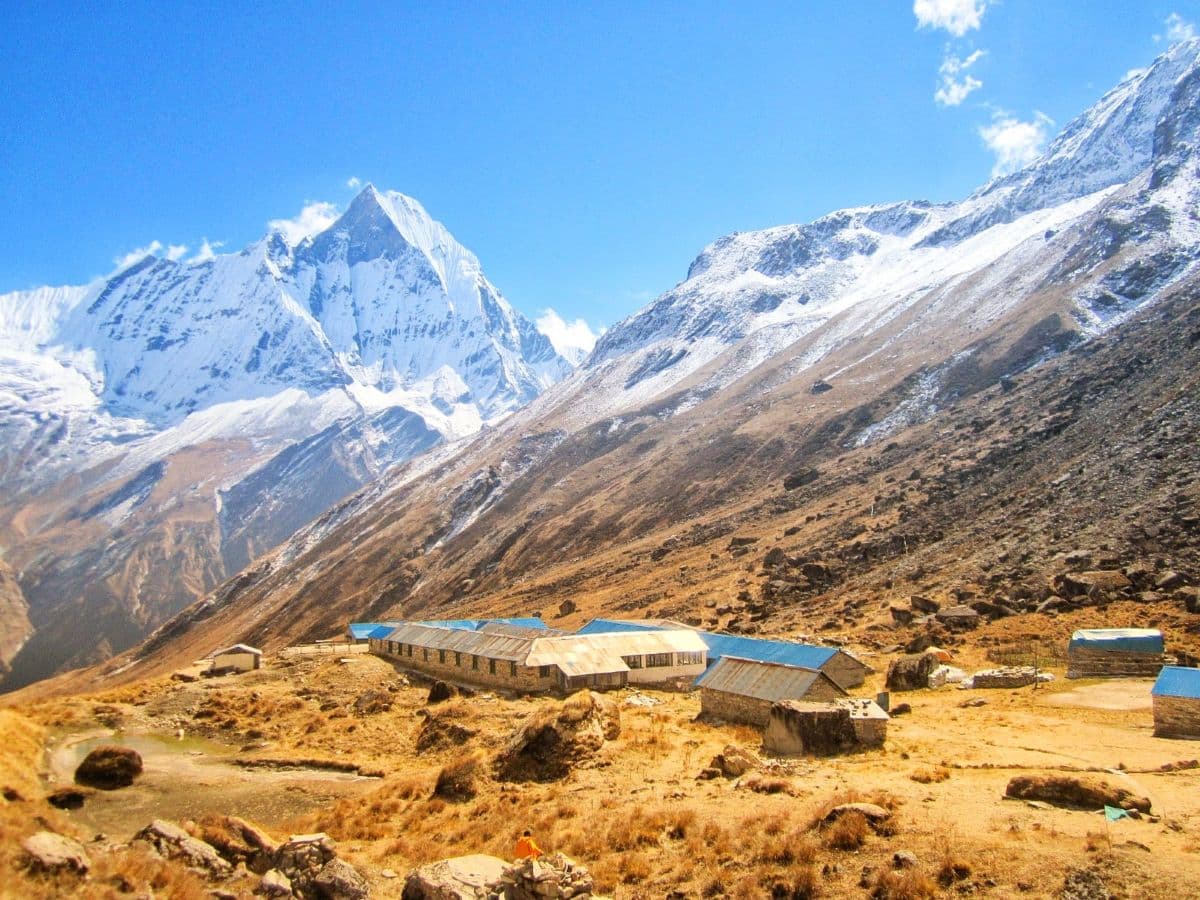
The Annapurna Base Camp Trek is popular with many visitors because of its close-up views of the peaks like Annapurna I (8,091 m), Machhapuchhre (Fishtail) and Hiunchuli. These mountains will be best viewed in the spring and fall when the weather is clear.
3. Accommodation Availability
The tea houses are open during the peak trekking periods, but the popular ones can become full in October and November. If you are travelling in the peak months, it is advisable to book your trek in advance.
4. Trekking Safety
The safety of trekking also changes throughout the seasons. Slippery trails and occasional landslides may occur with heavy monsoon rain; at higher elevations, winter may bring snow and freezing temperatures. Selecting the appropriate season can minimize these risks and ensure a more pleasant journey.
Why Spring and Autumn Are the Most Popular Seasons?
Spring and autumn offer the best trekking experience in the Annapurna region at any time of the year.
Spring (March–May)
- Blooming rhododendron forests
- Pleasant daytime temperatures
- Excellent mountain visibility
- Longer daylight hours
- Ideal for photography
Autumn (September–November)
- Clear skies after the monsoon
- Stable weather
- Comfortable trekking temperatures
- Vibrant festival season in Nepal
- Panoramic Himalayan views
These seasons are recommended for both novices and seasoned trekkers, solo travelers, and guided groups. If you're looking for more seasonal trekking ideas, explore our Best Spring Treks in Nepal.
Whether you choose spring or autumn, proper preparation is essential for a safe and enjoyable trek. Before your journey, read our How to Prepare for Trekking in Nepal to learn about fitness, gear, and planning tips.
Why these seasons stand out:
- Stable weather with a lower chance of heavy rain or snowfall
- Excellent visibility of Annapurna I, Machhapuchhre, and Hiunchuli
- Comfortable daytime temperatures for trekking
- Well-maintained trails and fully operational tea houses
- Ideal conditions for photography and mountain views
Best Time to Trek Annapurna Base Camp by Season
The trekking season in the Annapurna region is unique for every season. The ideal season to visit your destination depends on your preferences, experience, and priorities; from spring's blooming rhododendron forests to autumn's clear mountain vistas. Here's what you can expect throughout the year.
1. Spring (March–May)
Spring is considered to be one of the best periods for trekking Annapurna Base Camp. The weather is stable, the daytime is pleasant, and the trails are full of the blooming forests of the national flower of Nepal - rhododendron.
The spring season is very popular among first-timers and photographers due to the clear mornings, which allow trekkers to enjoy some excellent views of Annapurna I, Machhapuchhre (Fishtail), Hiunchuli, and other nearby peaks.
March through May gradually increases in temperature; at high altitudes, temperatures stay cool, making it a perfect time to trek. Tea houses are in full business, and trails are bustling without the sense of crowds.
For more treks in the spring, check out our Best Spring Treks in Nepal. It's also a good idea to read What to Pack for Your First Trek before you go out on your adventure, so you can be ready for the change in mountain weather.
Spring at a Glance
| Advantage | Details |
| Weather | Mild and stable |
| Visibility | Excellent |
| Temperature | Comfortable |
| Flowers | Rhododendrons in bloom |
| Crowd Level | Moderate to High |
| Recommended For | Beginners, photographers, nature lovers |
Pros
- Stable weather
- Excellent mountain views
- Blooming rhododendron forests
- Comfortable trekking temperatures
- Perfect for novices looking to get started.
Cons
- Popular trails can be busy in April
- Tea houses may require advance booking during peak weeks
2. Summer / Monsoon (June-August)
The summer season in Nepal falls in the monsoon season. Often, trails are muddy and slippery, and are often cloudy when it rains. Another area at lower elevations that may have leeches is forested areas.
Yet, despite all these obstacles, the monsoon trek is filled with green landscapes, waterfalls, and quieter trails. Those who are experienced trekkers and don't mind a bit of rain may love the peaceful ambiance.
Please consult the most up-to-date forecasts provided by the Department of Hydrology and Meteorology and be aware of local trail conditions prior to embarking on a trek at this time of year.
Summer at a Glance
| Advantage | Details |
| Landscape | Green and vibrant |
| Crowd Level | Low |
| Cost | Sometimes lower |
| Visibility | Often limited |
| Trail Condition | Wet and slippery |
Pros
- Fewer trekkers
- Quiet tea houses
- Beautiful green scenery
- Lower demand during the season
Cons
- Heavy rainfall
- Limited mountain views
- Slippery trails
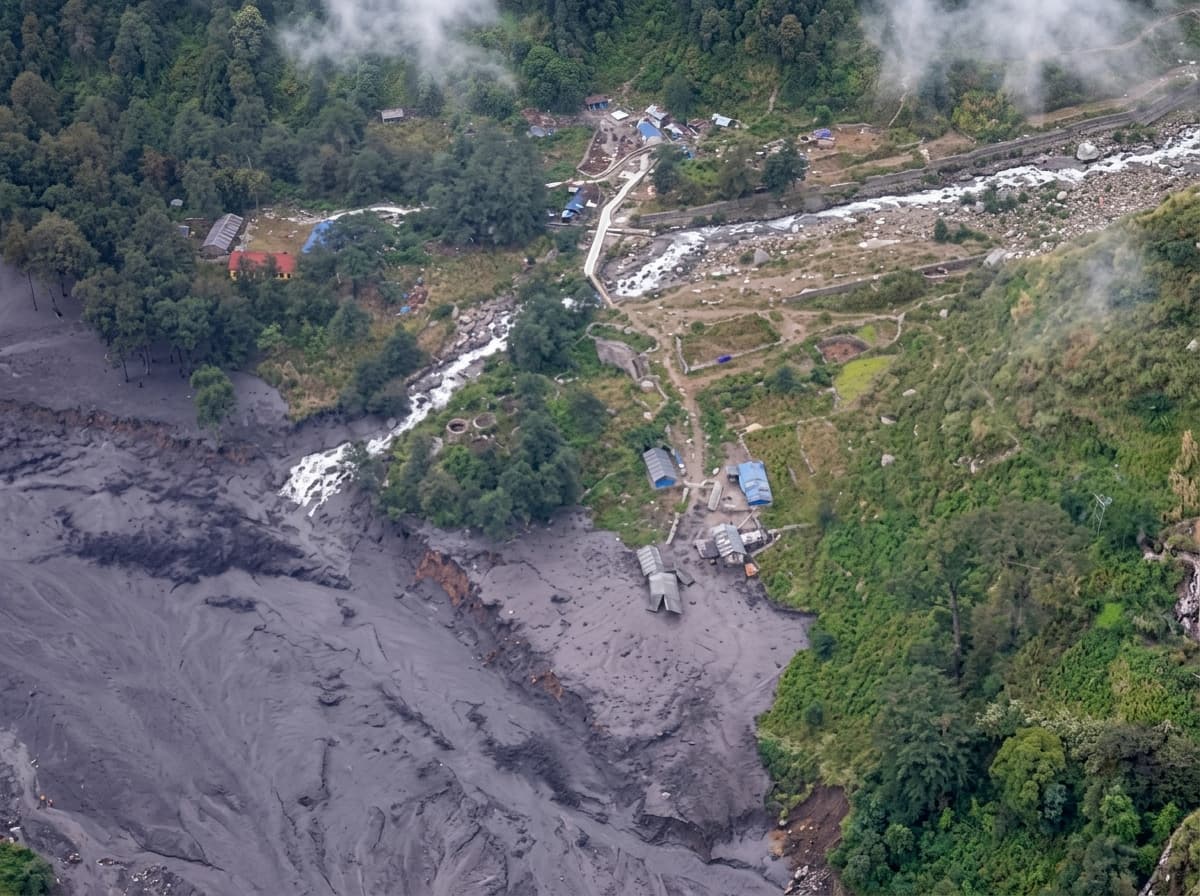
- Higher risk of localized landslides
3. Autumn (September–November)
The Annapurna Base Camp trekking season is from September to December, which is also the peak trekking season in the region.
The post-monsoon season is an incredibly clear period in the sky with a view of the Annapurna range.
This season is ideal for trekkers of all experience levels due to dry trails, favorable temperatures, and reliable weather.
During the season, visitors can also enjoy the festivals of Nepal such as Dashain and Tihar, which are major festivals in the country.
Since autumn attracts many trekkers, it's advisable to book your Annapurna Base Camp Trek – 14 Days in advance. For information on accommodation and food on the Annapurna Base Camp Trek, check the Annapurna Base Camp Trek Accommodation and Food.
Autumn at a Glance
| Advantage | Details |
| Weather | Dry and stable |
| Visibility | Outstanding |
| Temperature | Pleasant |
| Crowd Level | High |
| Recommended For | Almost everyone |
Pros
- Crystal-clear mountain views
- Dry and comfortable trails
- Ideal photography conditions
- Pleasant temperatures
- Reliable trekking weather
Cons
- Peak-season crowds
- Tea houses can fill quickly
- Higher demand for guides and porters
4. Winter (December–February)
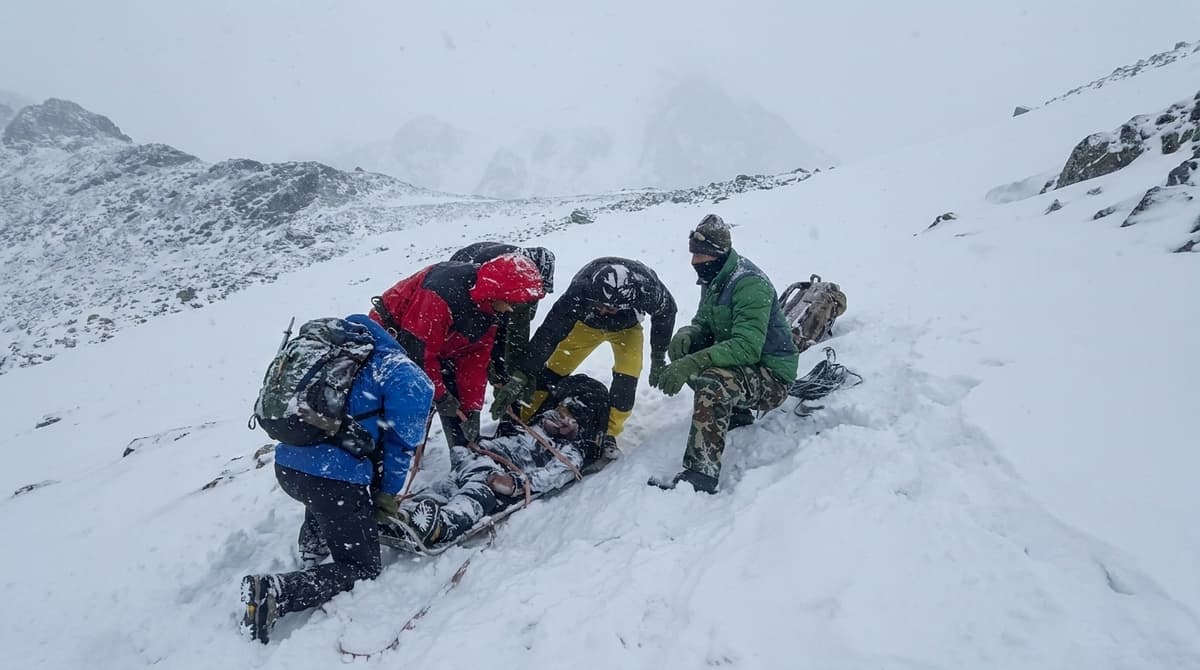
The winter season is less busy with fewer people on the route. Daytime trekking is still fun, but it gets very cold on higher elevations and snowfall can be seen near Annapurna Base Camp.
Winter may offer rewards to experienced trekkers who are looking for solitude and snow-covered landscapes, if they are prepared. Wearing proper cold weather gear and having an understanding of potential risks at high altitude is crucial.
Prior to your trek, read How to Prepare for Trekking in Nepal and read the practical tips on how to prevent getting altitude sickness on high-altitude treks in How to Avoid Altitude Sickness.
Winter at a Glance
| Advantage | Details |
| Crowd Level | Low |
| Mountain Views | Often clear |
| Temperature | Cold |
| Snowfall | Possible above 3,000 m |
| Recommended For | Experienced trekkers |
Pros
- Peaceful trekking experience
- Snow-covered landscapes
- Clear skies on many days
- Less crowded tea houses
Cons
- Very cold mornings and nights
- Snow may affect trail conditions
- Some tea houses may operate with limited services
Season Comparison Table
| Season | Weather | Mountain Views | Crowd Level | Difficulty | Best For |
| Spring | Stable and mild | Excellent | Moderate–High | Moderate | Beginners, photographers |
| Summer | Warm with frequent rainfall | Limited due to clouds | Low | Moderate–High | Beginners, photographers |
| Autumn | Cool and stable | Excellent | High | Moderate | Most trekkers |
| Winter | Cold with possible snowfall | Good to Excellent | Low | Moderate–High | Experienced trekkers |
Month-by-Month Guide to Trek Annapurna Base Camp
Annapurna Base Camp Weather The weather in Annapurna Base Camp varies by the season, affecting the trail condition, mountain visibility, and overall trekking experience. Here’s a quick month-by-month guide to help you choose the best time to go on your adventure.
| Month | Weather | Temperature (Approx.) | Trekking Conditions | Recommendation |
| January | Cold, occasional snow | -10°C to 8°C | Snow at higher elevations | Suitable for experienced trekkers |
| February | Cold but improving | -8°C to 10°C | Clear skies, fewer crowds | Good for experienced trekkers |
| March | Mild & Dry | -5°C to 15°C | Rhododendrons begin to bloom | Highly recommended |
| April | Warm and stable | 0°C to 18°C | Excellent weather and visibility | One of the best months |
| May | Warmer afternoons | 5°C to 20°C | Good before the monsoon | Recommended |
| June | Monsoon begins | 8°C to 22°C | Wet and slippery trails | Not recommended |
| July | Heavy rainfall | 10°C to 22°C | Poor visibility | Avoid if possible |
| August | Rain continues | 10°C to 22°C | Muddy trails and leeches | Not recommended |
| September | Rain decreases | 5°C to 18°C | Improving trail conditions | Recommended |
| October | Dry and clear | 0°C to 15°C | Peak trekking season | Best month to trek |
| November | Cool and stable | -5°C to 12°C | Excellent mountain views | Highly recommended |
| December | Cold and dry | -8°C to 10°C | Quiet trails with possible snowfall | Suitable for experienced trekkers |
Which Season Is Best for You?
Choosing the right season depends on your trekking experience, travel preferences, and what you want to see along the trail.
| If You Are... | Best Season | Why? |
| First-time trekker | Spring or Autumn | Stable weather and comfortable temperatures |
| Photographer | Autumn | Crystal-clear mountain views and vibrant landscapes |
| Nature lover | Spring | Blooming rhododendron forests and green valleys |
| Budget traveller | Winter | Fewer crowds and better accommodation availability |
| Experienced trekker | Winter | Peaceful trails and a more challenging adventure |
| Looking for fewer crowds | Winter or early Spring | Quieter tea houses and less traffic on the trail |
If you are still in the planning stages of your trip, our Annapurna Base Camp Trek – 14 Days itinerary has a moderate pace with plenty of time to relax and enjoy the scenery and acclimatize comfortably.
You may find our Annapurna Base Camp Trek Difficulty guide helpful too to understand the physical demands of the route before deciding the dates of your travel.
Seasonal Comparison
| Factor | Spring | Summer / Monsoon | Autumn | Winter |
| Weather | Mild and stable | Warm & Rainy | Cool and dry | Cold |
| Mountain Views | Excellent | Limited | Excellent | Good to Excellent |
| Trail Conditions | Dry | Wet and slippery | Dry | Snow possible |
| Crowd Level | Moderate to High | Low | High | Low |
| Best For | Nature lovers, beginners | Experienced trekkers | Most trekkers | Solitude seekers |
Expert Recommendation
Spring (March-May) and autumn (September-November) remain the best seasons to trek Annapurna Base Camp for most travelers.
The months provide stable weather conditions, comfortable temperatures, and magnificent views of the Annapurna range.
If you are preparing for your trek, check out our guides on How to Prepare for Trekking in Nepal and What to Pack for Your First Trek for practical advice to help you plan confidently.
Essential Packing List for the Annapurna Base Camp Trek
Packing the right gear can increase safety and comfort on your trek. Weather can change rapidly, especially above 3,000 m, so layered clothing and good trekking gear are essential.
If this is your first time trekking in the Himalayas, don’t forget to check out our Ultimate Packing List for Women While Trekking in Nepal for more packing tips for female trekkers.
Essential Items
- Moisture-wicking base layers
- Insulated jacket
- Waterproof jacket and pants
- Trekking boots
- Trekking poles
- Warm gloves and hat
- Sunglasses with UV protection
- Sleeping bag (season dependent)
- Headlamp
- Reusable water bottle
- Personal first-aid kit
Safety Tips for a Successful Trek
Some common risks that can occur on a trek can be minimised through good planning. Do not rush, drink plenty of water, and do not ascend too rapidly. The weather is unpredictable in the mountains, so heed your guide's instructions and consult mountain forecasts before embarking on any further trek.
Please check our Guide to Trekking Permits in Nepal for more information about the trekking rules and documents required for trekking in Nepal.
Safety Checklist
- Drink plenty of water during the walk.
- Trek with a licensed guide if possible.
- Have travel insurance with high altitude trekking coverage.
- Walk early to beat the afternoon weather.
- If you get signs of altitude sickness, tell your guide right away.
Altitude and Advice on Weather
The base camp of Annapurna is at 4,130 metres with a much lower oxygen level than sea level. Even more advanced trekkers need to have enough time to acclimatise and not rush the ascent.
Valuable knowledge of how your body reacts to higher altitudes, and what you can do to minimize the risk of suffering from an altitude-related illness can be gained from learning about Altitude Acclimatization for Trekking before your trip.
Responsible Trekking in the Annapurna Region
If you're interested in sustainable travel practices, don't miss our guide on How to Travel Responsibly in Nepal: A Guide to Sustainable Tourism. Visit Explore Annapurna Conservation Area to gain a deeper understanding of the area's biodiversity, landscapes, and conservation value.
Trek Responsibly in the Annapurna Region
The Annapurna Base Camp trek goes through the Annapurna Conservation Area, which is the largest protected conservation area in Nepal. Practicing responsible trekking will help maintain its natural beauty, safeguard the local wildlife, and benefit communities who welcome the trekkers year-round.
To reduce your impact on the environment, bring a reusable water bottle, use no single-use plastic, dispose of waste properly, and keep to the trails. Respect local customs; support local tea houses; do not photograph people in villages without permission.
Please consult the latest travel advice and responsible tourism guidelines by the Nepal Tourism Board before you head out.
Conservation efforts, trekking regulations and environmental initiatives can be learned from the Annapurna Conservation Area Project (ACAP), which manages and protects the Annapurna region.
If you're interested in sustainable travel practices, don't miss our guide on How to Travel Responsibly in Nepal
Responsible Trekking Tips
- Carry reusable water bottles and refill where possible.
- Avoid single-use plastics and dispose of waste responsibly.
- Stay on marked trails to prevent soil erosion.
- Respect local culture, traditions, and religious sites.
- Support local guides, tea houses, and small businesses.
- Leave the mountains as you found them for future generations.
Photography Tips
The clearest mountain views are typically in the spring and fall. The mornings are also good for light, but the best chance for clear skies.
Photography Tips:
- Start early for sunrise photography.
- Carry spare camera batteries in winter.
- Protect camera gear from rain during the monsoon.
- Use a wide-angle lens to capture panoramic mountain scenery.
- Respect local people and ask permission before taking portraits.
Cost Considerations by Season
The total price of Annapurna Base Camp trek depends on the season. Bookings are recommended as accommodation, guides, and transport are in greater demand during spring or autumn seasons.
Weather might affect travel plans, and some flexibility is possible in the winter and the monsoon season.
To learn the detailed budget of the trek, including permits, accommodation, meals, guide fee, and transportation, please read our Annapurna Base Camp Trek Cost guide.
Conclusion
When you're planning to go trek Annapurna Base Camp, you should know that it is a time-sensitive activity.
The spring season (March to the end of May) and autumn (September to November) are the most consistent seasons to trek with good weather, pleasant temperatures, and great vistas of the Annapurna range for most trekkers.
Therefore, those who can tolerate the cold weather can enjoy a quiet wilderness trek in the winter season, and for those who can also brave the rain and conditions on the trails, the monsoon season is the best time to trek in the region.
Regardless of the time of year, proper planning, gear, and season knowledge will ensure a safer and more rewarding trip.
Ready to plan your Annapurna Adventure?
When you are ready to experience one of the most iconic trekking routes in Nepal, come on our Annapurna Base Camp Trek – 14 Days with a well-planned itinerary & experienced local guide. If you are looking for a less strenuous trek, you can also consider our Annapurna Base Camp Trek – 12 Days.
Before you go, you may also find these guides helpful:
- Complete Guide to Annapurna Base Camp Trekking
- Annapurna Base Camp Trek Cost
- Annapurna Base Camp Trek Accommodation and Food
- How to Prepare for Trekking in Nepal
Plan now and experience an indelible trip to the very center of the Annapurna Himalayas.
Frequently Asked Questions (FAQs)
1. What is the best month to trek Annapurna Base Camp?
October is a fantastic time to visit Annapurna Base Camp because of its cool temperatures, clear mountain vistas, and stable weather conditions. If you wish to see the blooming Rhododendron forests, then April is another good time.
2. Is it possible for beginners to hike up to Annapurna Base Camp?
Yes. The Annapurna Base Camp Trek is an easy trek for beginners with a moderate level of fitness. By planning and familiarizing yourself with the difficulty level of the Annapurna Base Camp trek, you can make the journey safer and more enjoyable.
3. Can you do the Annapurna Base Camp Trek in winter?
Yes, Annapurna Base Camp can be trekked in the winter season (December to February). Beware of colder temperatures, possible snow, and less trekking. Good winter equipment and planning are crucial.
4. Is the monsoon season a good time to trek Annapurna Base Camp?
Yes, the monsoon season is an ideal period to visit Annapurna Base Camp.
The summer months (June to August) are usually not advised because of the regular summer rains, slippery trails, and absence of views of the mountains. But for those who have trekking experience, this season is still perfect for those who prefer serene trails and verdant green vegetation.
5. How many days does the Annapurna Base Camp Trek take?
The typical length of time for most tours is 10-14 days, depending on the route, pace, and acclimatization plan. Our Annapurna Base Camp Trek – 14 Days trek is a well-balanced trek for the majority of the trekkers.
6. What documents are needed for Annapurna Base Camp Trek?
In general, trekkers should obtain an Annapurna Conservation Area Permit (ACAP). The conditions and procedures for getting a permit can vary – please verify the latest information before travelling or read our Guide to Trekking Permits in Nepal.
7. How high is the peak of the Annapurna Base Camp Trek?
The peak is known as Annapurna Base Camp (4,130 metres / 13,550 feet). Time to acclimatize and understanding the signs and effects of altitude sickness are critical to a safe hike.
8. How to prepare for the Annapurna Base Camp Trek?
The key items are clothes, waterproofs, trekking boots, warm clothing items, a first aid kit, and trekking poles. This What to Pack for Your First Trek guide contains details on the essentials.
9. Do you need to have travel insurance?
Full travel insurance coverage is not always required, but it is advisable – particularly for high-altitude trekking, emergency evacuation, and medical coverage.
10. Do I need a guide for the Annapurna Base Camp Trek?
A licensed guide can make the experience safer, easier, and more informative about the local culture, history, and mountain environment. It also helps to support the local communities of the Annapurna region.