Upper Mustang Trek: Permit, Cost & Full Itinerary 2026
There are many extraordinary places in Nepal, but none like Upper Mustang that would stop an experienced traveller. Once you cross the border at Kagbeni, the world changes.
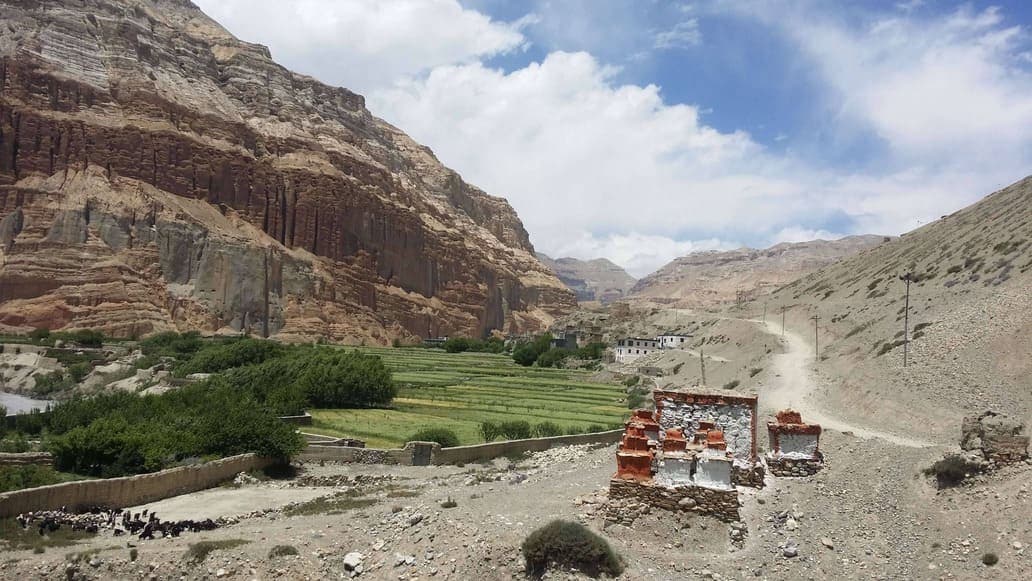
From the green hills that slope down to the sea's edge, the wind blows a blustery red and ochre desert of rock stretches back. On each path, there are many walls and crumbling chorten.
Why Choose the Upper Mustang Trek?
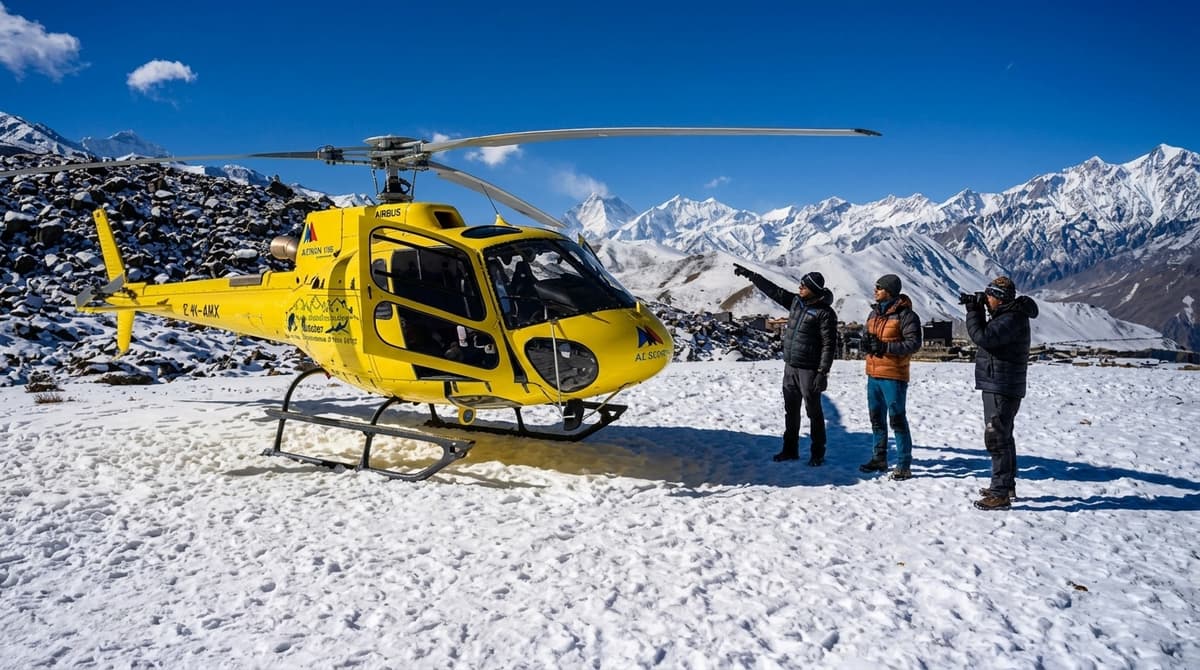
It's an instant drop in the world when you cross the Kagben checkpoint into Nepal. The green valleys of the Annapurna region give way to windswept cliffs, ochre canyons, ancient cave settlements, and a vast Tibetan desert that reaches out to the horizon.
This is an indelible change, and that's what distinguishes the upper mustang trek from all other trips in the Himalayas.
Until 1992, Upper Mustang was closed to foreigners, and it was known as the Last Forbidden Kingdom. Today, the area retains a unique example of the Tibetan Buddhist culture, which has been passed on for centuries across the Himalayas.
The hike feels like wandering through a living museum, if you have ever visited royal palaces, whitewashed villages, prayer walls, and ancient monasteries in Nepal.
Unlike most trails in the Himalayas, Upper Mustang is in a rain-shadow region north of the Annapurna and Dhaulagiri ranges.
It also makes it one of the best places in Nepal for monsoon trekking, as it is not the time when the other areas of Nepal have a lot of rain.
The region of the Upper Mustang is unique for trekkers wishing to experience beyond the mainstream trek. The Annapurna Circuit Trek is a timeless adventure that continues to captivate travellers.
The Everest Base Camp trek is a combination of the Trek to Gokyo. View the dramatic landscapes of the deserts. Mustang is a place that blends with centuries of Tibetan culture and heritage.
Effective March 2026, Nepal has officially removed the previous minimum trek group size in Upper Mustang, which was two persons. This is a limited area trek in Nepal where trekking is now possible on a single-person basis, but all foreign trekkers have to hire a licensed guide for trekking in this area.
From spiritual culture to bizarre desert views to a remote Himalayan adventure, the Upper Mustang Trek offers one of the most fulfilling journeys in Asia.
Upper Mustang Trek Highlights
Now that you know why the region is so special, here are the major experiences that make the Upper Mustang Trek unforgettable:
- Cross the famous Kagbeni checkpoint into the restricted Upper Mustang region
- Explore Lo Manthang, the ancient walled capital of Mustang
- Witness centuries-old Tibetan Buddhist culture and monasteries
- Trek through the dramatic trans-Himalayan desert landscape
- Visit the mysterious Sky Caves of Chhoser
- Experience the legendary Tiji Festival in Nepal celebration
- Walk along ancient salt trade routes between Nepal and Tibet
- Enjoy stunning views of Nilgiri, Dhaulagiri, and Annapurna ranges
- Trek through remote villages untouched by modernisation
- Experience one of Nepal’s best monsoon trekking routes
- Combine trekking with cultural immersion and photography
- Optional extension with the Jomsom Muktinath Trek route
For travellers seeking adventure beyond trekking, the region is also famous for Upper Mustang Mountain Biking through the desert valleys and remote villages.
Upper Mustang Trek Permit Details 2026
Upper Mustang is a protected restricted area in proximity to the border of Tibet, which means that trekkers must have special permits to enter the area.
In 2026, the Nepal government made significant amendments to its permits, such as the new pricing system for the Restricted Area Permit (RAP). Everything you need to know is here!
Restricted Area Permit (RAP)
From Kagbeni onward, all foreign trekkers are required to have a Restricted Area Permit for entry into the Upper Mustang.
In the past, a person was charged a permit fee of USD 500 for 10 days' pass. As of 2026, Nepal changed the RAP system to a daily structure.
Permit | Cost |
RAP (per person per day) | USD 50 |
ACAP | NPR 3,000 (~USD 30) |
TIMS Card | USD 20 |
Key Rules for RAP 2026:
- Costs USD 50 per day per person
- Must bring for each day in Upper Mustang.
- Guided walks are required to be led by a licensed guide.
- From March 2026, solo travellers can hike officially.
- No permits are available without going through a registered trekking agency
This is an update to make it easier for trekkers to have a more flexible itinerary, both short and long.
Annapurna Conservation Area Permit (ACAP)
The region of Upper Mustang is part of the Annapurna Conservation Area, so an ACAP permit is required too.
In 2026, the foreigner's ACAP fee is still at NPR 3,000. This permit can be used to gain access to the Annapurna region for conservation, trail maintenance, and local community projects.
Annapurna Base Camp Trek 14 Days is a popular trekking route in the Annapurna region. The same conservation permit is also required for these.
TIMS Card
The TIMS (Trekkers' Information Management System) Card is used to monitor the safety of treks and emergency tracking. Foreign trekkers pay USD 20 for the TIMS Card.
Where and How to Get Permits?
The only way to obtain an Upper Mustang permit is from a licensed trekking company in Kathmandu or Pokhara.
Permits will be required:
- Passport copy
- Nepal visa copy
- Passport-size photos
- Confirmed itinerary
- Licensed guide details
- Travel insurance information
Typically, most trekking agencies will be able to finish the process in one working day.
Upper Mustang Trek Full Itinerary (14 Days from Kathmandu)
Once the permits are obtained, it's time to consider what the trip will really be like. This is the classic 14-day Upper Mustang trek itinerary, which balances acclimatisation, culture, and scenic trekking.
Day 1: Arrival in Kathmandu (1,400m)
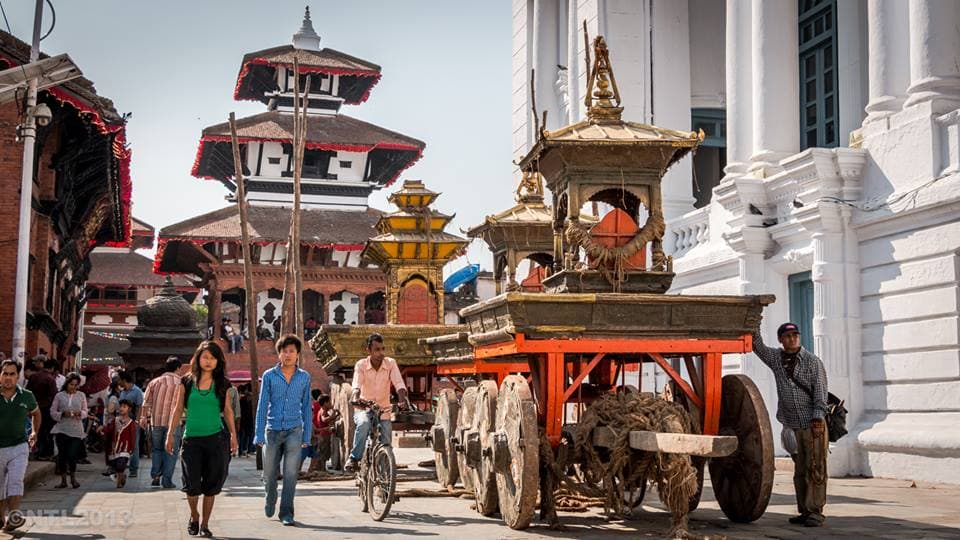
Pick up in Kathmandu & drive to the hotel. Get a briefing from your trekking guide on permits, weather, equipment, and route. Enjoy an evening in Thamel or visit some of the nearby UNESCO heritage sites.
Day 2: Fly to Pokhara (822m)
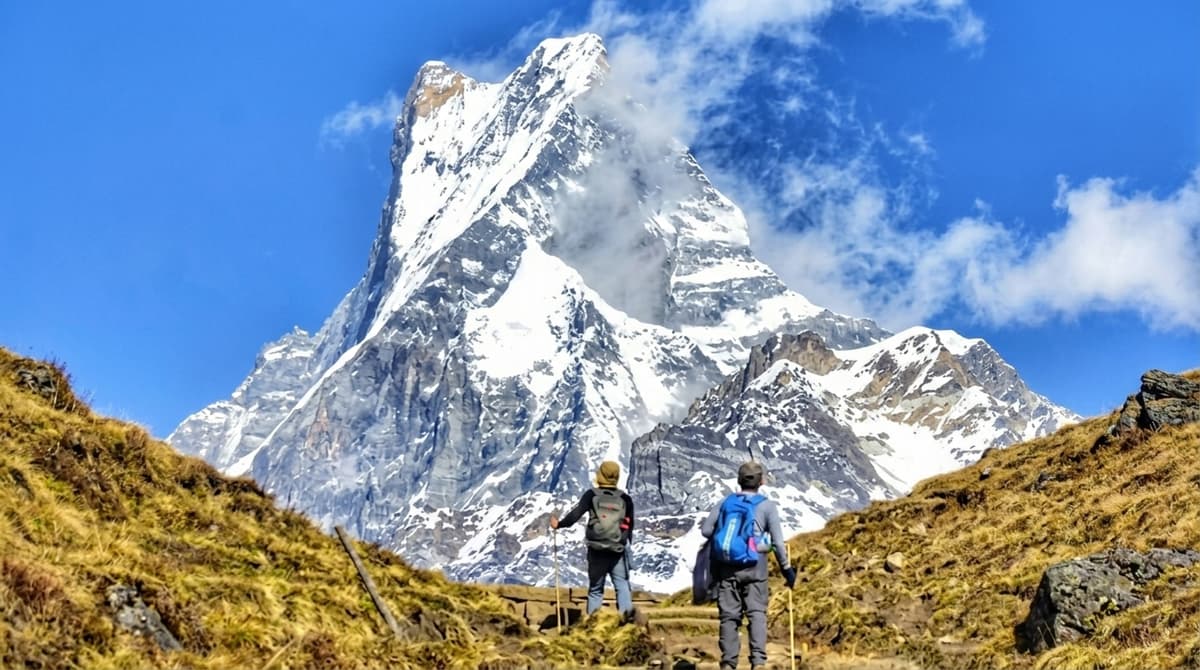
Do a short and scenic flight or drive to Pokhara. Take in the sights of Annapurna, Machhapuchhre, and Dhaulagiri.
Pokhara is the gateway to many famous routes, including the Trekking in Nepal adventures across the Himalayas.
Day 3: Fly to Jomsom and Trek to Kagbeni (2,800m)
Take a flight from Kathmandu to Jomsom via the Kali Gandaki gorge in the morning.
Start trekking to Kagbeni - the gateway to Upper Mustang. The change in landscape is apparent from the very start, with green valleys giving way to barren cliffs and desert areas.
Day 4: Hike from Kagbeni to Chele (3050m)
Fill out permits at Kagbeni before entering the restricted Upper Mustang.
The hike winds through wild rock, red canyons, and local Tibetan villages to get to Chele.
Day 5: Trek from Chele to Syangboche (3,800m)
Several passes and some amazing desert scenery feature in today's entry.
Cross Samar village and through ancient prayer caves, and benefit from sweeping Himalayan vistas.
Day 6: Trek from Syangboche to Ghami (3,520m)
Swim through secluded villages and broken cliffs. Ghami is famous for its one of the longest mani walls in Mustang and beautiful traditional houses.
Day 7: Trek from Ghami to Tsarang (3,560m)
Go through dry valleys and old trade routes. Check out the old royal palace ruins and visit Tsarang monastery.
Day 8: Hike from Tsarang to Lo Manthang (3840m)
One of the most thrilling days on this trek. Reach the fabled walled city of Lo Manthang, the Lost Capital of the Last Forbidden Kingdom. Visit monasteries, the royal palace, and the narrow alley.
Day 9: Explore Lo Manthang and Chhoser
Have an acclimatisation and exploration day.
Visit:
- Chhoser Sky Caves
- Jampa Monastery
- Thubchen Monastery
- Traditional Tibetan villages
For trekkers, the Tiji Festival 2026 will be held from May 13 to May 15 this year.
Day 10: Trek from Lo Manthang to Dhakmar (3820m)
Starts to drop down through bold red cliffs and isolated villages.
The red walls of the canyons are one of the most photographed landscapes of Mustang, and the walls in the crimson canyon are the home of Dakmar.
Day 11: Trek from Dhakmar to Ghiling (3,570m)
Follow through the high desert valleys and wind-swept ridges. Enjoy peaceful mountain scenery and interactions with local communities.
Day 12: Trek to Chhuksang (2980m) from Ghiling
Slope towards lower elevations. The changing landscape becomes greener as you approach the southern Mustang region.
Day 13: Trek to Jomsom and Fly to Pokhara
Fly back to Jomsom and then back to Pokhara in a scenic morning flight. Unwind by Phewa Lake at the end of the trek.
Day 14: Back to Kathmandu
Fly or drive back to Kathmandu. Enjoy a culmination of one of the most culturally interesting trekking experiences in the country of Nepal.
Upper Mustang Trek Difficulty and Altitude
Once having learned about the path, it is only natural for many trekkers to ask about the exercise.
The Upper Mustang Trek is considered a moderate trek. It's not technically climbing, but long days of walking, dry climate, strong winds, and the high elevation make it physically challenging.
Some challenges are:
- Daily walking: 5–7 hours
- Highest point: 3,840m (Lo Manthang)
- A dry and dusty soil surface
- Strong afternoon winds
- Remote medical facilities
- Basic accommodation conditions
Unlike routes in the high altitudes, like the Manaslu Circuit Trek. The Upper Mustang Trek is kept below 4,000m to minimise the danger of altitude sickness. However, correct acclimatisation, hydration, and controlled pacing are all vital.
Best Time for the Upper Mustang Trek
Upper Mustang is in a rain shadow area, so the trekking season is longer than in the Himalayas.
The ideal times for the Upper Mustang Trek are:
Fall (September to November)
Spring is a time of moderate temperatures, sunny weather, and blooming colours. This is also the best time to see the Tiji Festival in Lo Manthang.
Warm half of the year (June, July, or August)
The area receives minimal rainfall, making Upper Mustang one of the best monsoon treks in Nepal.
Lower Nepal has a lot of rain in the monsoon season, while Mustang is dry with good trekking.
Autumn (September through November)
Autumn is marked by cool weather and mountain views. The overall most popular trekking season in Nepal.
Winter months (December to February)
Winter can occur, but it is very cold. Occasionally, flights and passes may be impassable due to heavy snowfall on higher passes.
Upper Mustang Trek Cost Breakdown 2026
Once you choose the best season, the next important question becomes: how much does the Upper Mustang trek cost?
The total price depends on itinerary length, transportation, guide services, accommodation style, and group size.
1. Restricted Area Permit (RAP) - The Key Permit
Days in Restricted Area | RAP Cost (per person) |
5 days | USD 250 |
7 days | USD 350 |
10 days | USD 500 |
14 days | USD 700 |
15 days | USD 750 |
The daily model really is more suited for travellers on shorter trips. There is a cost for staying in the restricted zone (Kagbeni and onwards).
There are some important rules for the Restricted Area Permit :
- Permits are non-refundable, non-replaceable and may be used only once.
- Requires prior arrangement with a registered Nepali trekking agency and will not apply otherwise
- All trekkers must have a government-licensed guide.
- The minimum person group size of two persons has been officially lifted as of March 2026, and a licensed guide may accompany a single-person hiker.
2. Annapurna Conservation Area Permit (ACAP)
The Annapurna Conservation Area is also undergoing. So the ACAP is also required in Upper Mustang. Cost: NPR 3,000 (~USD 30) per person for foreigners. This can be done in Kathmandu or Pokhara.
3. TIMS Card (Trekkers Information Management System)
The TIMS card is a safety tracking and emergency tracking card that costs USD 20. Your trekking company does this in conjunction with the RAP application.
Where to Get Upper Mustang Permits?
In order to trek, you have to get all three permits in advance in Kathmandu or Pokhara from a registered trekking agency. You will need:
- Your passport (original)
- Nepal visa details
- Two passport-sized photographs
- Your confirmed trek itinerary with dates.
It usually takes 1-2 working days to process. In peak seasons (April - May and October - November), give it additional time.
Do not try to purchase permits at the trailside. The processing of the RAP is undertaken by the Department of Immigration and is not possible at the Kagben or anywhere else on the trail.
Accommodation and Food on the Trek
After budgeting for the journey, it is helpful to know what conditions to expect on the trail.
Accommodation on the Upper Mustang Trek mainly consists of traditional tea houses and local lodges.
Rooms are simple but comfortable, usually featuring:
- Twin beds
- Blankets
- Shared bathrooms
- Dining hall with stove heating
Electricity and Wi-Fi are available in many villages, often for an additional fee.
Food options are surprisingly varied:
Dal bhat, Tibetan bread, Noodles, Fried rice, Soup, Pancakes, Momos, Tea and coffee
Because supplies are transported from lower regions, prices increase as you move farther north.
How to Reach Upper Mustang?
To get to Mustang, visitors have to make a trek through Pokhara and Jomsom.
The most frequent route is:
Kathmandu is the starting point, followed by Pokhara, Jomsom and finally Kagbeni.
By Flight
The quickest is to:
- Flight from Kathmandu to Pokhara
- Morning flights from Pokhara to Jomsom
Great mountain views, but weather is a very important factor in the Jomsom flight.
By Road
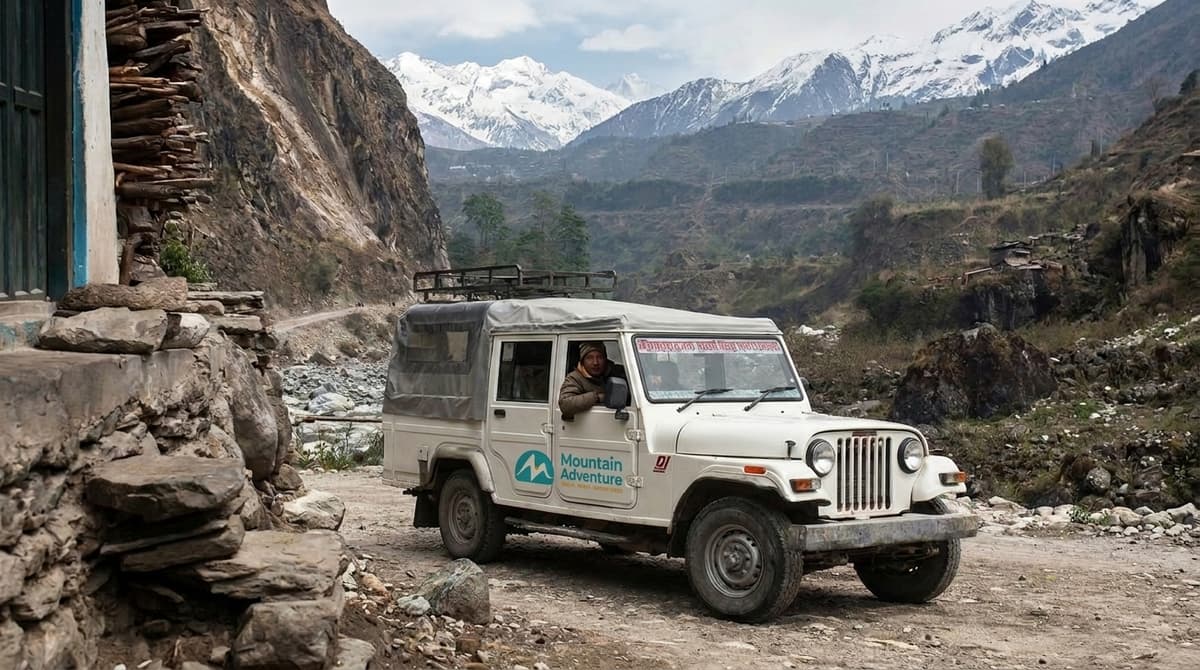
- There is also a jeep service from Pokhara to Jomsom.
- Road conditions are rough but improving each year.
By Jeep Tour
Some travellers choose an Upper Mustang jeep tour instead of trekking.
This option suits:
- Older travelers
- Families
- Limited-time visitors
- Photographers
But trek offers more depth and a deeper cultural and landscape experience of Mustang.
Upper Mustang Trek vs Jeep Tour
Since both trekking and jeep tours are popular, choosing the right style matters.
Factor | Upper Mustang Trek | Upper Mustang Jeep Tour |
Duration | 12–16 days | 7–10 days |
Physical Demand | Moderate | Low |
Cultural Immersion | Very High | Moderate |
Landscape Experience | Deep and immersive | Scenic but faster-paced |
Cost | Higher overall | Slightly lower |
Best Suited For | Adventure trekkers | Comfort-focused travelers |
Trekkers who enjoy walking and cultural interaction usually prefer the full trekking experience. Jeep tours are better for travellers with limited time or mobility concerns.
Packing List for Upper Mustang Trek
Bring a variety of desert clothes for warm nights, strong sun, wind and dust in the high altitudes.
Clothing
- Down jacket
- Waterproof shell
- Thermal base layers
- Trekking pants
- Warm gloves
- Sun hat
- Buff or scarf
Trekking Gear
- Comfortable trekking boots
- Sleeping bag
- Trekking poles
- Daypack
- Water bottles
- Headlamp
Health and Safety
- Sunscreen
- Lip balm
- Personal medications
- Water purification tablets
- Basic first aid kit
Electronics
- Power bank
- Camera
- Universal adapter
Because the region is dry, dusty, and windy, sunglasses and face protection are extremely important.
Practical Travel Tips for Foreign Trekkers
As your departure approaches, these practical tips can help make the journey smoother and safer.
- Bring an adequate amount of Nepalese Rupees for your trek in Mustang before you leave.
- You must take an early morning flight to Jomsom since the wind conditions are not favourable.
- Keep yourselves hydrated during the trek.
- Observe the rules and conduct strictly while visiting the monasteries, and respect the local culture.
- Keep layers for sudden temperature change.
- Hiring guides experienced in Mustang is mandatory.
- Ensure your travel insurance includes coverage for a helicopter evacuation.
- Make bookings of permits and accommodation in advance during the spring season.
- The internet connection in remote villages can be patchy.
- Learn a few common Nepali or Tibetan words to connect with the locals.
For trekkers who wish to combine Mustang with another adventure, continue trekking in the Annapurna Base Camp Trek 14 Days or the remote cultural trekking in the Manaslu Circuit Trek.
Conclusion
Upper Mustang Trek is no ordinary hike. It's a trek into Nepal's lesser-known Tibetan border, where ancient monasteries rest on desert cliffs, prayer flags adorn windy passes, and the timeless culture of Lo Manthang remains undisturbed within its ancient walls.
From the stark difference at the Kagbeni checkpoint to the sacred monasteries of the Last Forbidden Kingdom, the trek through Upper Mustang takes you away from the chaos of Nepal and into a different world of Tibetan heritage and history.
With the relaxation of trekking regulations, a solo trip now being possible in 2026, and the stunning Tiji festival taking place every year, there couldn't be a better time to plan an Upper Mustang Trek.
Whether it's the classic trek that you are interested in, or you prefer photography and cultural trekking to an Upper Mustang jeep tour, MAT Nepal is equipped to provide you with all the assistance that is required, right from the permit bookings to finding a trustworthy guide, who'll make your trek safe and incredible.
Begin planning your Upper Mustang Trek 2026 trip with MAT Nepal today and create memories that you can cherish forever, in one of the last few places left that retain this distinct character.
Frequently Asked Questions
Can a solo person trek Upper Mustang in 2026?
Yes, since the two-person rule was scrapped in March 2026. Even if a solo person treks, it's required to take an experienced guide.
Do I require a guide for an Upper Mustang trek?
Yes, because Upper Mustang is a restricted area trek. It's mandatory to have a registered guide with you throughout your journey.
What would be the cost of the Upper Mustang Trek?
The cost of an Upper Mustang Trek usually ranges from $1,650 to $4,500, depending on the package, the kind of permits one takes, and the services included.
How difficult is the Upper Mustang Trek?
The trek difficulty can be described as moderate. The length of the trek with changing wind patterns is a difficult aspect. The high altitude, wind, and dry conditions are also among the few difficult challenges.
What is the ideal season for an Upper Mustang Trek?
Spring and Autumn are the most suitable seasons. During the monsoon season, Upper Mustang can also be the perfect destination as it is a rain-shadow region.
How many days should be allocated for the Upper Mustang trek?
Generally, it takes 12-14 days for an Upper Mustang trek, as there's no rush for acclimatisation and exploring.
What's special about Lo Manthang?
Lo Manthang is the walled ancient capital of Mustang, and the centre of the culture of the last Forbidden Kingdom.
Is Upper Mustang really worth visiting?
Absolutely! It offers the unique combination of a Tibetan culture with a desert-like terrain in the Himalayas.