Restricted Trekking Areas in Nepal: Explore Untouched Trails
Restricted trekking areas in Nepal invites trekkers to visit the unique, unusual, and unexplored regions of Nepal, where you have to be bound by strict rules and regulations for trekking. Nepal has always been regarded as a trekking haven, attracting numerous trekkers all over the world to majestic mountains, vast valleys, and rich cultural landscapes.
Although trekking hotspots such as the Everest Base Camp Trek and the Ghorepani Poonhill Trek can provide stunning scenery with established trails to follow, there exists an alternate form of adventure for those who are ready to explore beyond the trail. Restricted regions treks offer a unique experience into the unspoiled landscapes, authentic local cultures, and solitude you’re craving for.
What Are the Restricted Areas in Nepal?
You may be wondering what restricted areas are and why restricted treks in Nepal are different from usual treks. In the context of trekking in Nepal, restricted regions are the areas where access of the trekkers is authorized, and entry is controlled. The question of why these areas are restricted might strike your mind.
The government has specified various regions as restricted areas due to different purposes. Some regions of Nepal lie close to Nepal’s international boundary. Hence, due to border proximity they are considered as restricted trekking areas in Nepal.
Likewise, some regions of Nepal have fragile ecosystems that require protection. The overcrowding in those areas can destroy biodiversity. Hence, to regulate and authorise the entry of trekkers, these regions are developed as restricted trekking zones.
Apart from that, many of these areas are home to indigenous communities with their own unique culture and tradition, which must be protected. In order to secure and maintain the authenticity, these zones are classified as restricted regions.
Top Restricted Area Treks in Nepal
1. Upper Mustang
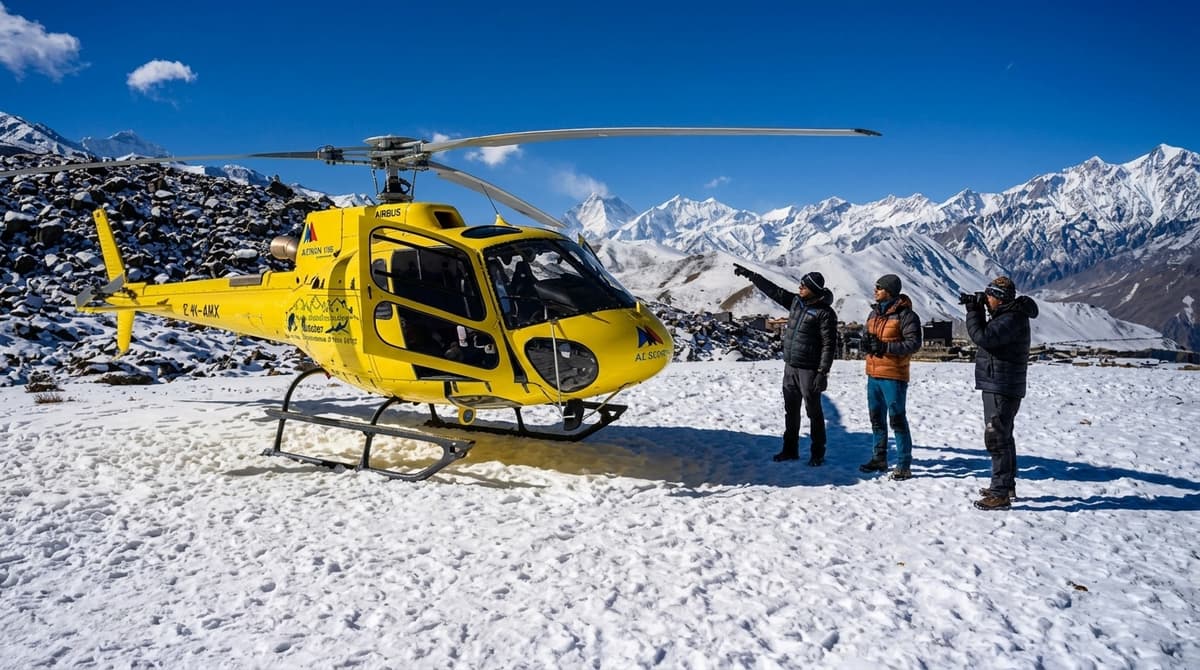
The Upper Mustang, also referred to as the Last Forbidden Kingdom, is a stunning desert-like terrain that is located in the rain shadow of the Annapurna range. Although it used to be closed off to outsiders, it must be granted a Restricted Area Permit to enter, which has kept its own culture and landscape. The region is renowned due to its primeval walled town, Lo Manthang, which is the cultural center of Mustang.
Trekkers will be bestowed with beautiful views of the scenery of rocky cliffs, deep valleys, and red sandstones with centuries-old monasteries and chortens scattered among them. Buddhist and Tibetan cultures flourish here, and local festivals such as the Tiji Festival give some insight into the spiritual existence of the Mustang people. The dry weather, the mountainous nature of the routes, and the intense wind provide an unearthly experience of trekking that is not found in any other region of Nepal.
The remote Mustang villages, the winding paths, and the pristine views make the trekker feel alone with nature, something not easily experienced in most of the popular trails. Other than dramatic landscapes, the sky caves of Chosser show some distinctive beauty of the region. Walking here is not only about covering this land with feet but also with centuries, providing a touch with a culture and scenery that were preserved over centuries. Apart from trekking, you can enjoy the remote beauty of this region through Upper Mustang mountain biking too.
2. Kanchenjunga Region
Mount Kanchenjunga, the third-highest mountain in the world, is located here with a height of 8586 meters. This area can be accessed only with the Special Trekking Permit, which helps to control tourism and prevent the destruction of the delicate ecosystems and local communities. Denser forests, terraced fields, hills with rhododendrons, and alpine meadows all lie along the trails and offer a spectacular outlook of snowy mountains and deep valleys. This area is known to have a lot of biodiversity with rare species like the snow leopard and the red panda.
Kanchenjunga is not very busy because, unlike popular trekking paths, there is no crowd, and there is not much infrastructure. The Limbu, Rai and Lepcha people living in the area preserve their traditional life and provide their visitors with a real cultural experience. This walk is not an easy one, as the hikes are not short, the altitudes are high, and the weather may change at any minute; and it is a walk that should be taken by a seasoned adventurer.
In addition to the physical expedition, Kanchenjunga takes the trekker on a trip of nature and culture, and the calmness of a virgin Himalayan wilderness. It is the place where one can find not only adventure but also meditation and identification with untouched nature, which is still unexploited to a great extent.
3. Upper Dolpo
The place of Upper Dolpo has some magic in it. The place, the beauty, it just attracts everyone with its allure. The Upper Dolpo is a very mysterious and spiritually spirited trekking area in Nepal. Tucked away in the distant west, this distant region seems to be floating between the sky and the earth. It is the isolation of the region which has helped to maintain a strong Tibetan influenced culture and ancient traditions, Bon religion and the Buddhist practices co-exist.
Trekking to Upper Dolpo means crossing mountain passes, going along desolated plateaus and villages that have not been touched by contemporary times. Phoksundo lake is one of its most recognizable attractions, which has turquoise waters and is contrasted with the arid cliffs which surround the lake. The Dolpo Valley falls within the Shey Phoksundo National Park, which is home to some of the rare animals and wildlife.
The region is sensitive and delicate in its environment, and therefore it is restricted and takes special permits. These are physically challenging treks that have extended days, elevated heights and few amenities. Nevertheless, it is the silence, the expansive open landscapes, and the immersion in the culture that is rewarding. It is an ideal place to be trekked by those who want to enjoy their time alone, be spiritual, and feel as though it is more of a pilgrimage than a trek. It is a location where nature, culture and isolation build a deep sense of thought.
4. Nar Phu Valley
Nar Phu Valley is like the forgotten part of the Himalayas that is concealed behind the famous Annapurna Circuit Trek. The geographical area of this place is limited and is characterized by its barren terrain, stone villages and influence of Tibet. The twin Nar and Phu villages are stuck in the past with small streets, flat roofed houses and old monasteries. The routes are steep and rough and they usually go over some of the passes like the Kang La which links the valley to the Annapurna region.
Nar Phu Valley needs special permits in order to manage tourism because of its border proximity and indigenous culture. The views of wildlife, such as blue sheep, and snow leopards, contribute to the adventure. Nar Phu is not concerned with picturesque diversity, but with grittiness, realness, and toughness. It is most appropriate with trekkers who would love to discover the untouched villages, face extreme terrain and traverse extreme distances beyond the mainstream trekking routes.
5. Tsum Valley
Tsum Valley can be called the most spiritual trekking place in Nepal. This holy Himalayan valley is surrounded by the Manaslu region and has been preserving its cultural state since centuries. Tsum is the “Land of Peace”, and Tibetan Buddhism significantly impacts it, as old monasteries, mani walls and meditation caves can be found all over Tsum landscape. The valley has a long history of non violence with hunting being prohibited and religious beliefs being deeply incorporated into the lives of people.
The trip is more about inward tranquility and cultural experience than a physically extreme journey, like the one Tsum Valley is. The tracks travel through vast valleys, the alpine meadows and the ancient villages where Tsumbas are quite friendly to the visitors. Due to the religious value and sensitivity of the culture, the field is limited and demands special permits.
Tsum Valley is a hidden gem in nepal and a perfect place where a traveler finds a serene and cultural tourism spot. It provides a soft but very profound Himalayan experience where one can find nature and spirituality at peace with each other.
Things to Know Before Trekking Restricted Areas
There are various factors you need to consider before restricted trekking areas in Nepal. Some of the essential factors are:
1. Permits and Regulations
During other treks in Nepal such as Annapurna Base Camp Trek, Langtang Valley Trek, generally you have to obtain the national park or conservation area permit and TIMS card. However, during the restricted treks in Nepal, you have to obtain an additional restricted area permit(RAP) to get access to these restricted areas. The cost of RAP is different as per the regions and the seasons you are planning to trek.
2. Guides
Another important thing you need to consider while planning restricted trekking areas of Nepal is licensed guides. As per the provision of Nepal government, when you are trekking in restricted areas, you must be accompanied with licensed trekking guides or porter-guides. Moreover, there must be at least two trekkers apart from the guide. Hence, make sure you hire a registered licensed guide.
Tips for a Safe and Enjoyable Trek
- Try to follow the safety protocols. Don't take shortcuts or walk on the unmarked trails.
- Be respectful towards the local customs and traditions.
Make sure you acclimatize properly. - Make sure you have obtained all the trekking permits including Nepal restricted area trekking permit.
- Hire licensed and registered trekking guides only.
When you decide to do restricted trekking areas in Nepal, it is not only about the adventure you are going to pursue but travel consciously, respectfully, and with respect to the individuals and the beautiful scenery that make such trips incredible. To anyone who is bold enough to take the path less traveled, these restricted treks in Nepal deliver memories that will last forever and further attachment to the Himalayas. So, start planning your restricted area trek today with Mountain Adventure Trekking Pvt Ltd. Contact us today.