Annapurna Circuit Trek Difficulty : Everything You Need To Know
Annapurna Circuit Trek difficulty is one of the top questions that pops up in the mind of trekkers, especially when they are planning for this wholesome trek. If you are one of them trying to find out the Annapurna Circuit trek challenges, it is generally considered a moderately difficult trek.
Circling the tenth-highest peak in the world, Mt. Annapurna, this incredible journey is nothing short of adventure, exploration, and natural beauty. However, beauty comes with pain, so this trek comes with many difficulties. Altitude, weather, trail, duration, etc., are some of the inbuilt parts of this adventure, and tackling these integral parts is what brings you accomplishment and appreciation for trekking in Nepal.
Overview of the Annapurna Circuit Trek
Annapurna Circuit Trek is one of the most iconic and diverse trekking trails that promises not only excellent mountain views but also cultural encounters and the experience of different climatic zones. Starting your trek from the lower Annapurna region, where you’ll walk through forest trails, is a refreshing experience.
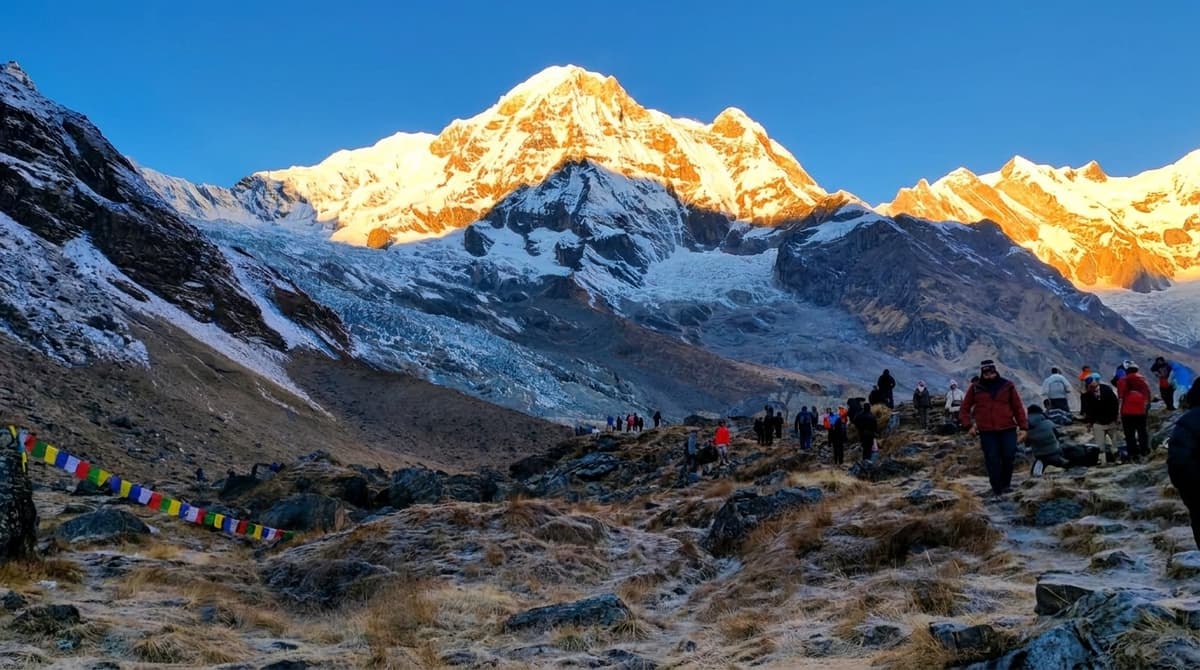
Likewise, the sparse and dry vegetation of Manang feels like a different world from yesterday. Now, coming to the top of Thorung La Pass, you’ll come across frigid temperatures surrounded by mystical mountains touching the sky. Descending to Mustang feels like walking in an arid desert land where you’ll hear the Himalayan stories through the strong wind and preserved culture.
Overall Annapurna Circuit Trek Difficulty
So, how difficult is the Annapurna Circuit Trek? The answer is moderately difficult. This overall Annapurna Circuit Trek difficulty varies depending on various factors, and the toll it takes is not only subject to integral factors but also the fitness of the trekkers. As this trail of the Annapurna Circuit trekking circumnavigates around Mt. Annapurna, it will take around 15-18 days to complete this adventure.
On top of that, walking several days on difficult and rugged terrain can be daunting. The constant ascent and descents while gaining elevation can push you towards altitude sickness if proper safety measures and precautions are not taken. Physical fatigue and exhaustion are already an inevitable part of this journey, but mental stress also makes this trek pretty challenging.
Key Factors That Determine Difficulty
1. Trek Duration & Daily Walking Hours
This trek can take around 15-18 days, depending on the itinerary and acclimatization days. If you take an itinerary with many side trips and enough acclimatization days, then it can be more than 2 weeks. During this time period, you will cover approximately 160-230 km. To cover that distance, you have to walk on average around 5-7 hours daily. Spending more than two weeks in the remote mountainous region is already a challenge; on top of that, you have to continuously walk on the rugged terrain.
The early days of the trek can be pretty manageable due to excitement and exploration. However, as the days progress, continuous walking over multiple days can result in physical fatigue like sore muscles, joint pain, and tired legs. Likewise, constant pressure of covering a certain distance, adapting to basic amenities, and pushing each day beyond limits leads to mental exhaustion. So, maintaining constant energy, planning the days, and enduring long hours of walking add an extra layer of complexity and challenge to the trek.
2. Altitude
One of the key Annapurna Circuit Trek difficulties is the altitude. You’ll start your journey at a lower elevation of 750 m in BesiSahar, which progressively rises each day. Taking you to the substantial height of Thorung La Pass at 5416 m, this trek exposes you to the thinner air of high altitude. The constant elevation gain leads to a decrease in the percentage of oxygen in the air and increases the threat of high-altitude sickness.
3. Terrain & Trail Conditions
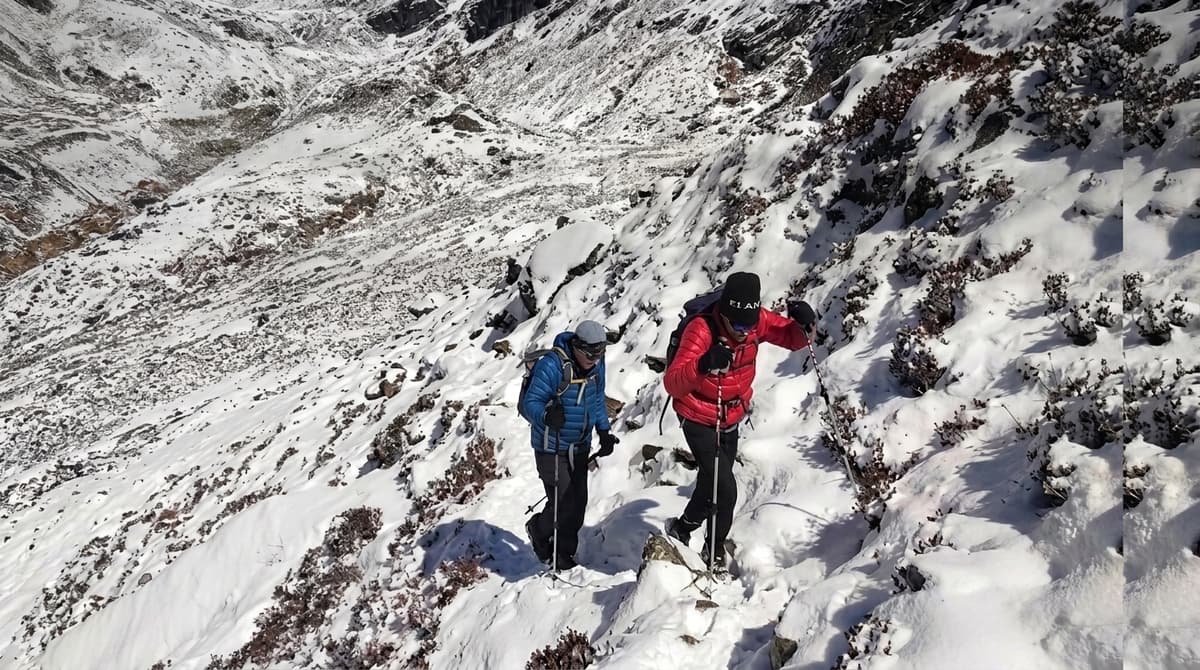
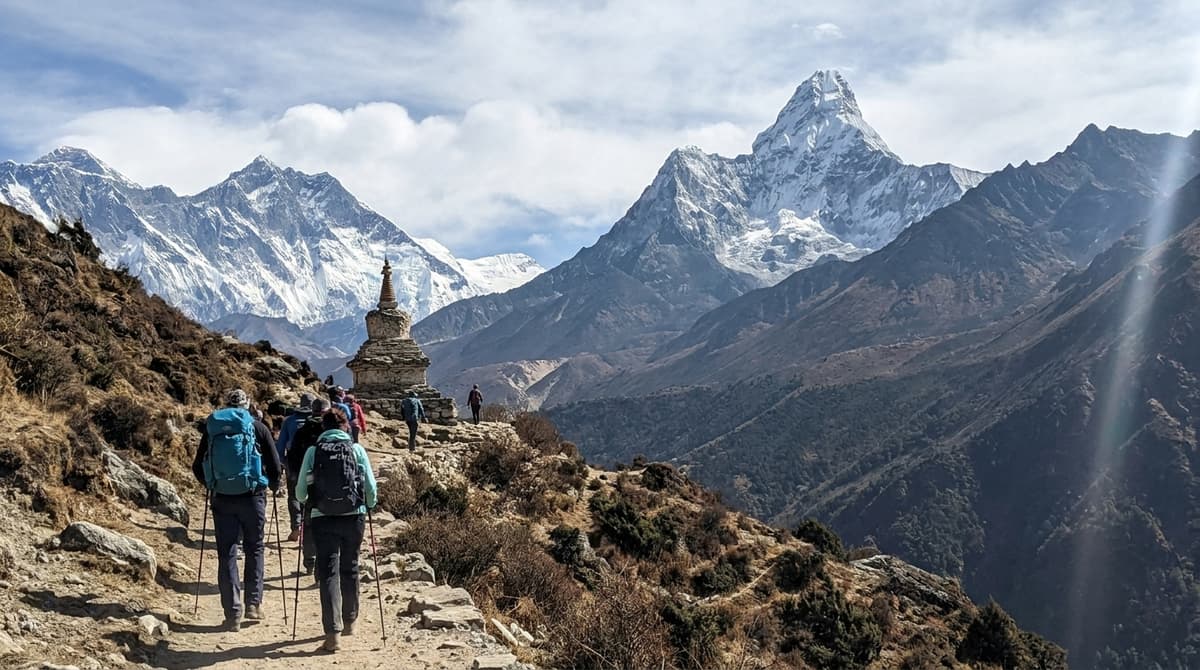
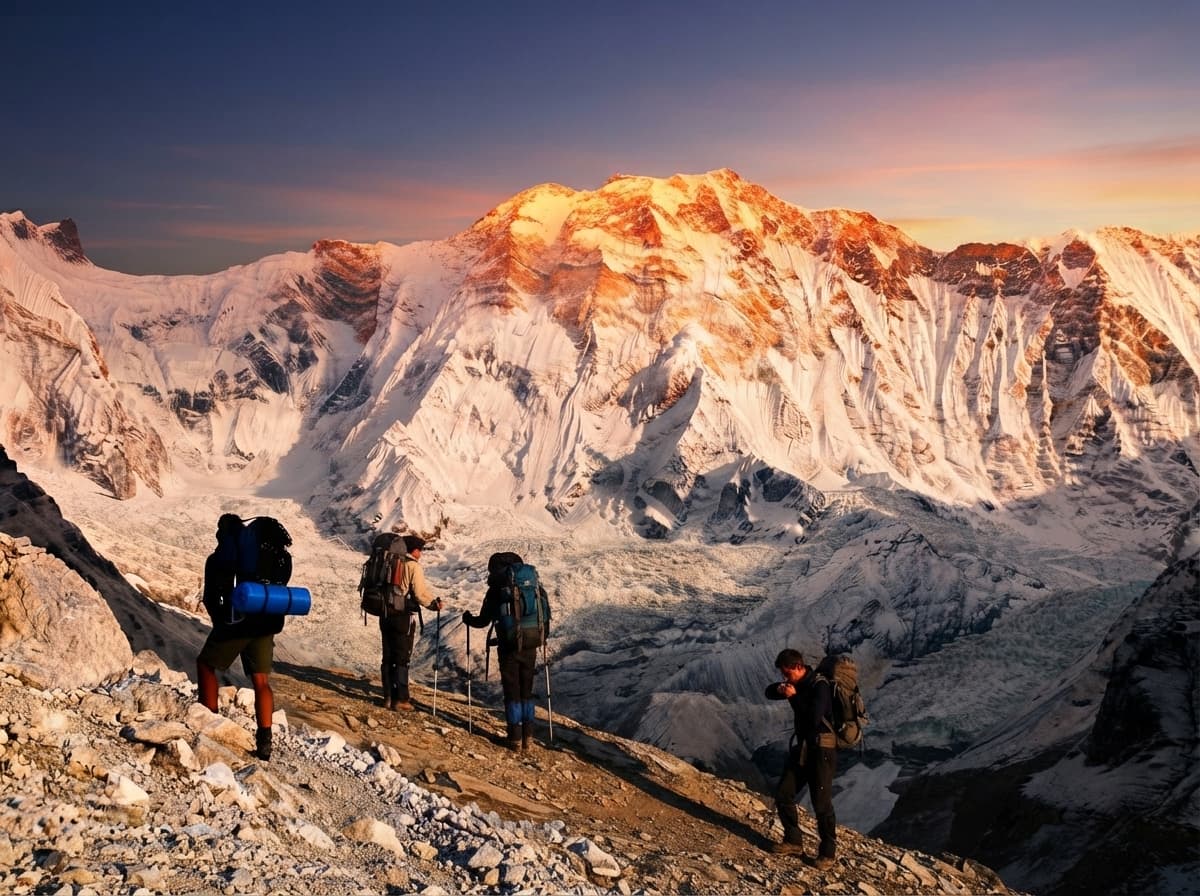
It is a known fact that Annapurna Circuit Trek takes you to diverse terrain, including lush forest, terraced fields, steep ascents and descents, formidable high passes and many more. This set of terrain possesses its own set of challenges. For example, Thorung La Pass stays icy and full of snow during winter. Walking on crampons at such a high altitude can be extremely challenging and demanding. Likewise, the continuous uphill and downhill, suspension bridges, uneven paths, etc can drain out the trekker physically and mentally.
4. Weather & Seasonal Difficulty
The weather in the mountain region can be super unpredictable and change in the blink of an eye. Even in the most feasible seasons like autumn and spring, the Annapurna Circuit Trek weather at high altitudes can have 180 degree turns. Heavy rain during the monsoon can make the trail muddy with obstructed mountain views. Likewise, during winter, the continuous snowfall can make the region full of snow, which leads to a frigid cold atmosphere. Similarly, the Annapurna Circuit Trek in October and April can have issues of accommodation since autumn and spring are the peak seasons for trekking.
How to Reduce the Annapurna Circuit Trek Challenges?
1. Proper Acclimatization
Since altitude is one of the major challenges, this Annapurna Circuit Trek difficulty can be coped with proper acclimatization. When you are climbing to a higher altitude, the air gets thinner, and the oxygen percentage gets lower. So, you need your body to adapt to such thin air. Hence, it is necessary to take an itinerary that includes the acclimatization days. Additionally to this, you need to walk at your own pace and stay hydrated. Adequate acclimatization not only minimizes the health hazards but also enhances the overall performance of trekking, making the process more comfortable and enjoyable.
2. Choosing the Right Season
Another great way to reduce the Annapurna Circuit Trek difficulty is by choosing the right season. Spring (March to May) and Autumn (September to November) are some of the best times for trekking in Nepal. During this time of the year, the weather is stable while the trail conditions are favorable. Proper choice of season will decrease the problems that can arise because of weather conditions, will increase the visibility, and will guarantee the safe trail conditions, so that the trek will be more pleasant and easier.
3. Hiring a Guide or Porter
The Annapurna Circuit Trek can become much easier with the assistance of a guide or a porter. The guide offers useful knowledge of the area, assists in navigation, interprets culture, helps with the Annapurna Circuit Trek altitude and checks health status, particularly in high altitudes. Porters assist with the backpacks, which are heavy and enable the trekkers to walk easily and save energy. This assistance minimizes the physical burden and mental weight, particularly when walking many long days.
4. Packing Smart and Light
Light and smart packing are significant in the management of trek difficulty. Bringing along unnecessary objects makes the body heavy, therefore becoming fatigued and straining. The trekkers need to carry only basic clothes, equipment and personal items that are fit in the changing weather conditions. It is important to have light, fast-drying clothes, good trekking footwear, and the necessary medical equipment. To prevent overpacking, it is better to pick up multi-purpose items and wear clothes in layers rather than bring bulky outfits. This will not only lower the items to essentials but also lower the Annapurna Circuit trek cost. A lighter backpack will be easier to carry, will balance better on rough trails, and will give one enough energy to sustain the long trekking days.
Common Mistakes That Make the Trek Harder
1. Rushing the Trek
One of the main pitfalls in the Annapurna Circuit is rushing the trek, which is likely to make the process significantly more difficult and even dangerous. When one walks long distances within a short period of time, the body is not able to take rest and adapt to the rising altitude. This has a tendency of causing severe weariness, energy depletion and increased chances of altitude sickness. It is also a hasty move that denies the trekkers the fun of the adventure as they do not enjoy the scenic views and cultural experiences on the way. Slow and gradual speed is useful in sustaining energy and proper acclimatization of the trek and helps in ensuring a safer and enjoyable experience as a whole.
2. Ignoring Altitude Symptoms
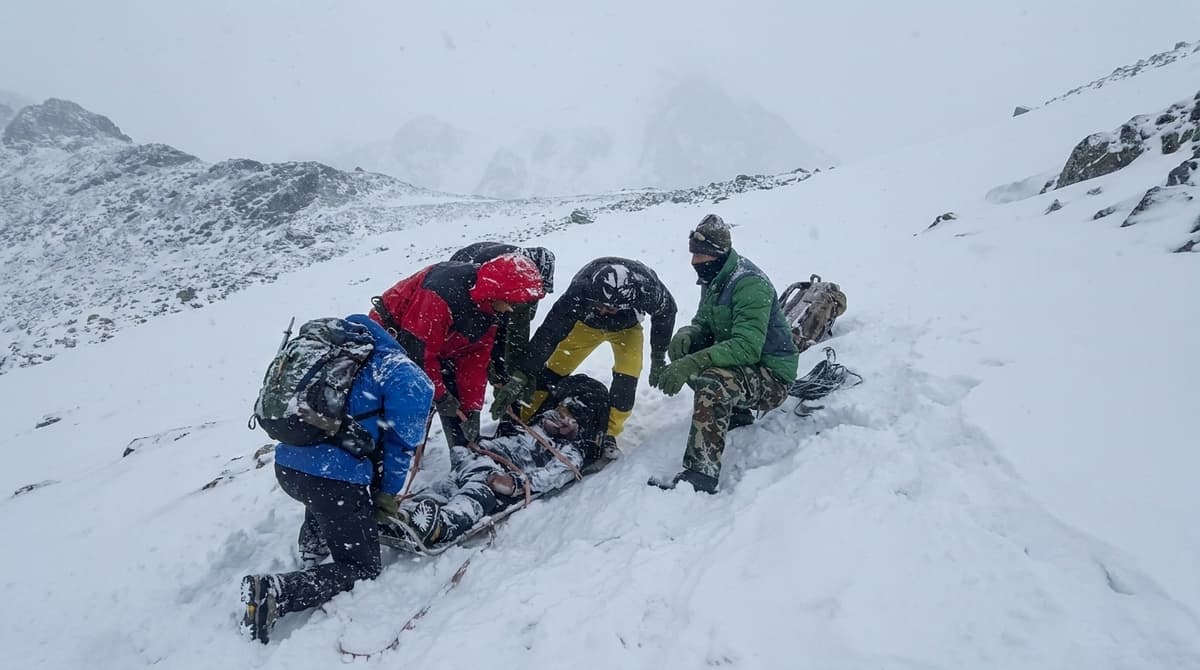
Annapurna Circuit Trek difficulty level can be more challenging and risky when the early indicators of altitude sickness are disregarded. Such symptoms as headaches, nausea, dizziness, loss of appetite, and difficulty sleeping can never be ignored. Most of the trekkers do not stop walking as they see these signs, and this may aggravate the situation. When the symptoms appear, it is necessary to include proper acclimatization, hydration, and rest. Switching to a lower altitude is regularly required in case of symptom increase.
The Annapurna Circuit Trek is indeed challenging, and it is worth all the challenges. Although both physical and mental endurance may be put to the test over the course of the long walks, high altitude, and alternating weather conditions, all these difficulties contribute to the feeling of accomplishment in the process.
As a reward, the trekkers are rewarded with the breathtaking views, including the green forests and deep valleys, as well as dramatic snow-capped mountains. The journey is also very cultural, giving the traveler an experience of traditional villages, old monasteries, and the hospitality of the local people on the way.
The Annapurna Circuit Trek is a challenging experience, but very gratifying. Being well-prepared and having a positive attitude to it, the process turns out not only manageable, but unforgettable as well, so all the steps should be worth the effort. Let Mountain Adventure Trekking Pvt Ltd accompany you on this journey. Contact us today.