A Day in the Life of a Trekker in Nepal: What a Typical Trekking Day Looks Like
A day in the life of a trekker in Nepal starts a long time before the sun rises. There is real magic in trekking, which is revealed by waking up in a village in the Himalayas before dawn breaks. Prayer flags are waving, birds are calling across the valleys, and begin long before sunrise. Every person keen on knowing what a day on a Nepal trek would be like must be informed of the best that would help him or her navigate every day in the mountains.
Understanding the Nepal trekking experience before committing is essential. This guide covers what to expect while trekking in Nepal, explaining the trekking in Nepal daily routine from morning to night. Regardless of whether one plans an Everest Base Camp trek or the Manaslu Circuit, life on a trek in Nepal is predictable, and it turns to be meditative in a few days.
What Time Do Trekkers Wake Up in Nepal?
Most daily life of a trekker in Nepal starts between 5:30 and 6:30 AM. It does not mean early starts are optional; it means they are required. The morning is clear, and the mountain can be seen best before the afternoon clouds. It means that the temperatures are cooler and there may be weather issues at the altitude. Late in the morning is the heat of the afternoon, and weather complications may occur at the altitude.
The primary level of business is hygiene with freezing cold water and wrapping up in warm clothes. Teahouse rooms are bare: a bed, a sleeping bag, and a small window. That's it. A majority of trekkers take 30 minutes to pack daypacks and get into a state of mind that tells them that they have many hours of trekking ahead. The typical day on a Nepal trek rhythm of the usual day on a Nepal trek, in silent teahouse rooms over the Himalayas.
Knowing what it is like to live on a Himalayan trek, one has to realize that mornings are important. This preparation time is required for your body. Hurrying the phase defeats all subsequent events in the Nepal trekking way of life.
What Do Trekkers Eat for Breakfast?
Mountain teahouses offer high-quality but simple breakfast, which is trekker-friendly. No gilded dishes or exotica, merely practical food. Tibetan bread and honey, pancakes, scrambled eggs, toast and peanut butter, and porridge are the usual choices on the menu. Everything is accompanied by tea, coffee, and hot lemon water.
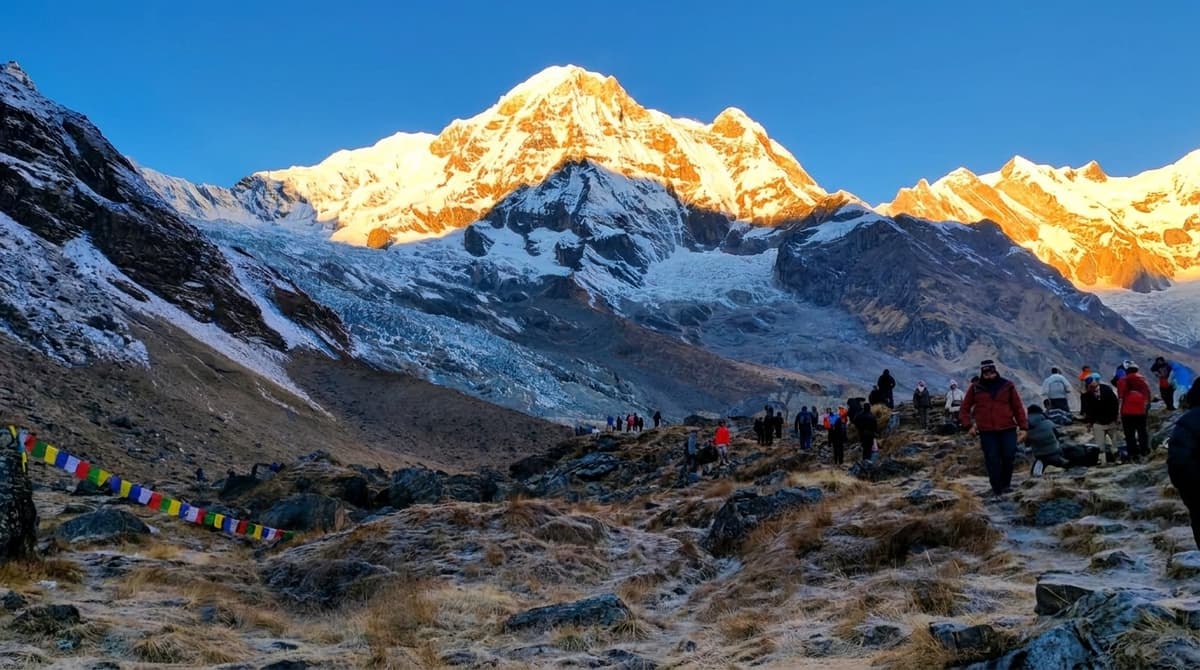
For instance, when you’re trekking to Annapurna Base Camp Trek, you may have Gurung Bread with some curry on the side for breakfast, However, if you are trekking to Everest Base Camp Trek, you may have Tibetan Bread with potato curry on the side.
A 6.30 AM breakfast makes the energy constant till the morning, avoiding mid-morning crashes that slow down the whole day. Professional guides are well aware that missing breakfast will have a direct effect on performance on the trail. Several thousand trekkers have been fed by teahouse owners who know exactly what is nutritious at the altitude. There is a combination of simple carbohydrates and proteins that enable the body to maintain a minimum of 4-5 hours of motion.
This is core to the teahouse trekking in Nepal experience. Food is not fancy, but it is highly adjusted to what your body requires for trekking in Nepal, daily activity. Have faith in the system but not in restaurant-level food. For breakfast, you can have plenty of choices. However, the breakfast options can be varied according to the region you’re trekking.
How Does the Morning Trek Begin?
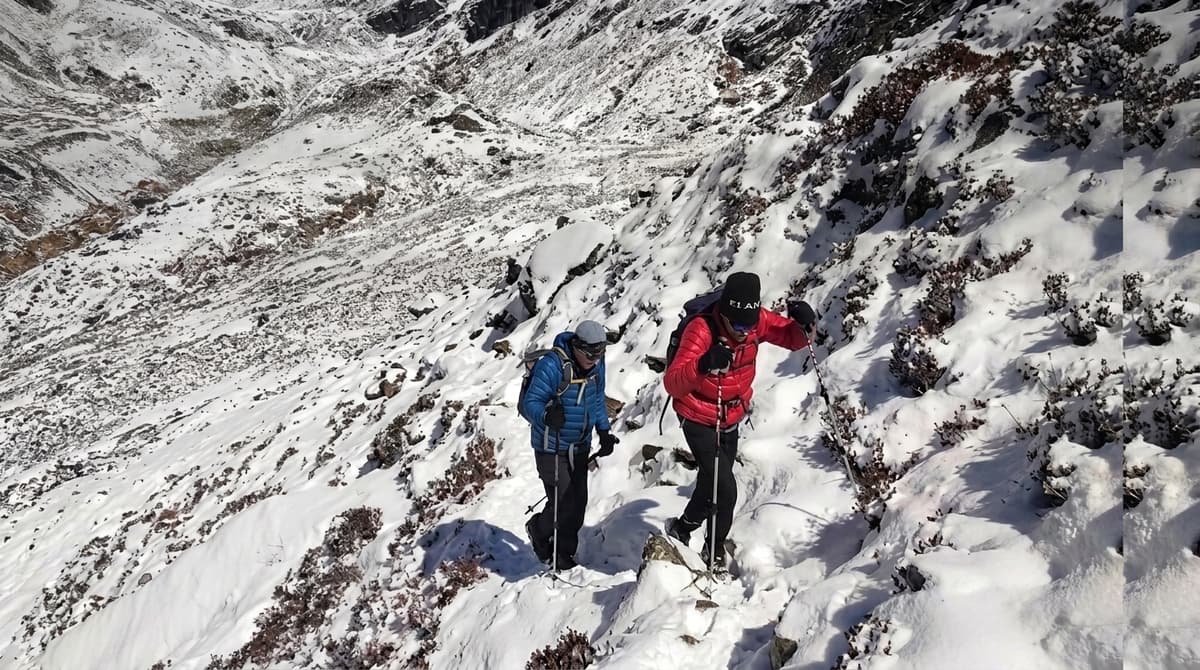
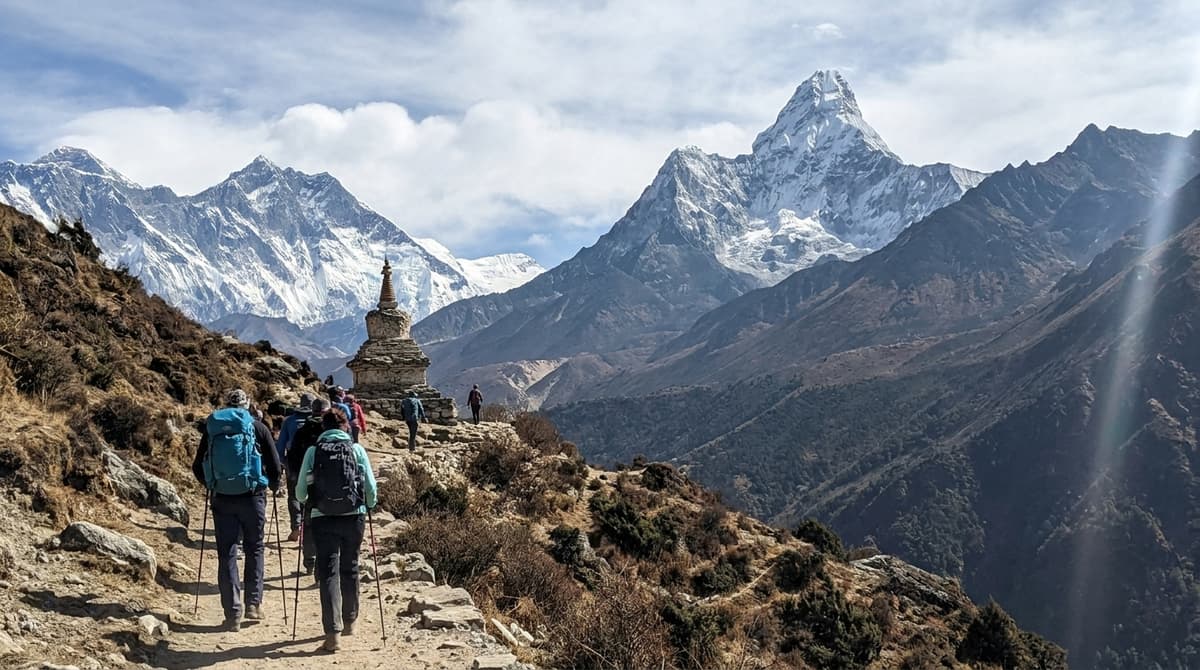
The majority of the trekkers get on the trail at 7:00 or 8:00 AM after breakfast. The daily life of a trekker in Nepal is quiet as trails are quiet and the visibility is the best. In the morning hours, the finer points are normally through the forest walks, suspension bridges spanning rivers, terraced fields where the local farmers are busy with their work, and small villages where the children are waving.
There is wildlife here and there; Himalayan birds, yaks on high pastures, occasionally red pandas, again, according to the season and the place. It is slower than the afternoon portions since the bodies are yet to warm up. This is when trekkers genuinely enjoy the Himalayan trekking experience in Nepal instead of just powering through distance. Morning is one of the most efficient times of the day for trekking.
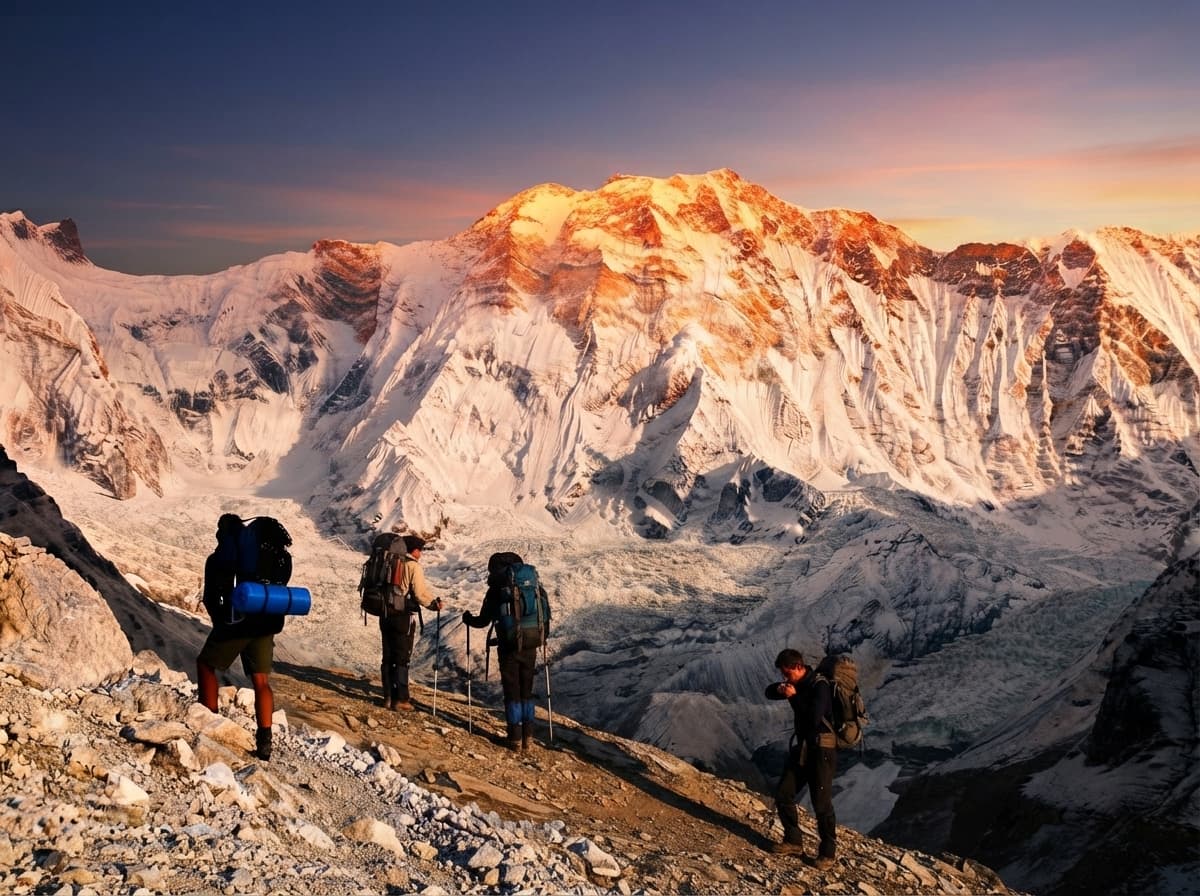
During most of the treks like Annapurna Circuit Trek or Everest Base Camp Trek with Gokyo where trekkers have to climb passes, they prefer morning treks. The stable weather, clearer visibility and higher energy level ensures good ascent of the formidable high passes.
Morning hours define the typical day on a Nepal trek as truly rewarding. The specialty of these hours is a total immersion into nature. There is neither distraction nor hurry, only a gradual movement by means of scenic landscape. This is the reason why individuals prefer the Nepal trekking lifestyle.
When Do Trekkers Take Breaks on the Trail?
Trekking smarties rest after 45 minutes to an hour in 5-10 minutes intervals. This is not idleness, it is a successful tactic. Frequent micro-breaks keep the pace even, prevent muscle fatigue from getting out of control, and allow your heart rate to rest in between intervals. Breaks will provide water, snacks, photographs, and time to refresh the mind.
These stops are strategically used by the professional guides. They identify landmarks, give local stories, slow down the group, or speed it up depending on the mood of group members. These are the times when friendliness is fostered- trekkers share tales, give snacks, and make friends in the Nepal trekking experience. The social component of these breaks matters as much as the physical recovery.
Understanding what to expect while trekking in Nepal means knowing these frequent pauses are essential, not optional. They are how the seasoned trekkers keep themselves energetic and even have fun with the life that they were on a trek in Nepal, and not to survive.
Where Do Trekkers Eat Lunch?
It is a tea house lunch that falls between 11.30 AM and 1.00 PM in the trail. It is an important breakfast- it supplies the hardest work of the day that follows. The teahouse trekking in Nepal menu varies not one bit: dal bhat (rice, lentils, vegetables, pickles), fried rice, noodles, momos, or pasta. Dal bhat is eventually (and frequently daily) ordered by most trekkers.
Why dal bhat? It is satisfying, healthy, and the unlimited tap of food is an attraction to the hungry trekkers. Two or three meals are no big thing the following morning, when climbing. The social factor is also important- teahouse restaurants are places where trekkers of various nations congregate to eat and tell their stories. German hikers deliberate about ways to go, Australians strategize in the afternoon, and locals talk about the region. True friendships are created in the course of lunch during the Nepal trekking experience.
The lunch break of one hour is a recovery period for both body and mind. This is the rhythm that is at the core of what a day in a Nepal trek would be like. When the weariness is restored to a manageable level to deal with the afternoon sections. This long lunch interval is a planned part of the routine on a trek in the Himalayas.
What Challenges Do Trekkers Face in the Afternoon?
Afternoon hikes are 2-4 hours long and are more difficult than the morning hikes. Already, there are wearing legs, the sun is fiercer, land is steeper. The ground that is easy in the morning is actually tough when one is exhausted. It is the time that the Nepal trekking life is a challenge to the body and the mind. The effects of altitude sickness may appear, and the psychological determination is put to the test when a trekker is in Nepal.
Accomplished guides go slow deliberately during afternoons. It is not about speed but rather about the ability to move consistently and sustainably. Less leisurely afternoon walks, in fact, assist in the acclimatization process and avoid fatigue that spoils the whole trek experience. This plays an important role in trekking in Nepal's daily life.
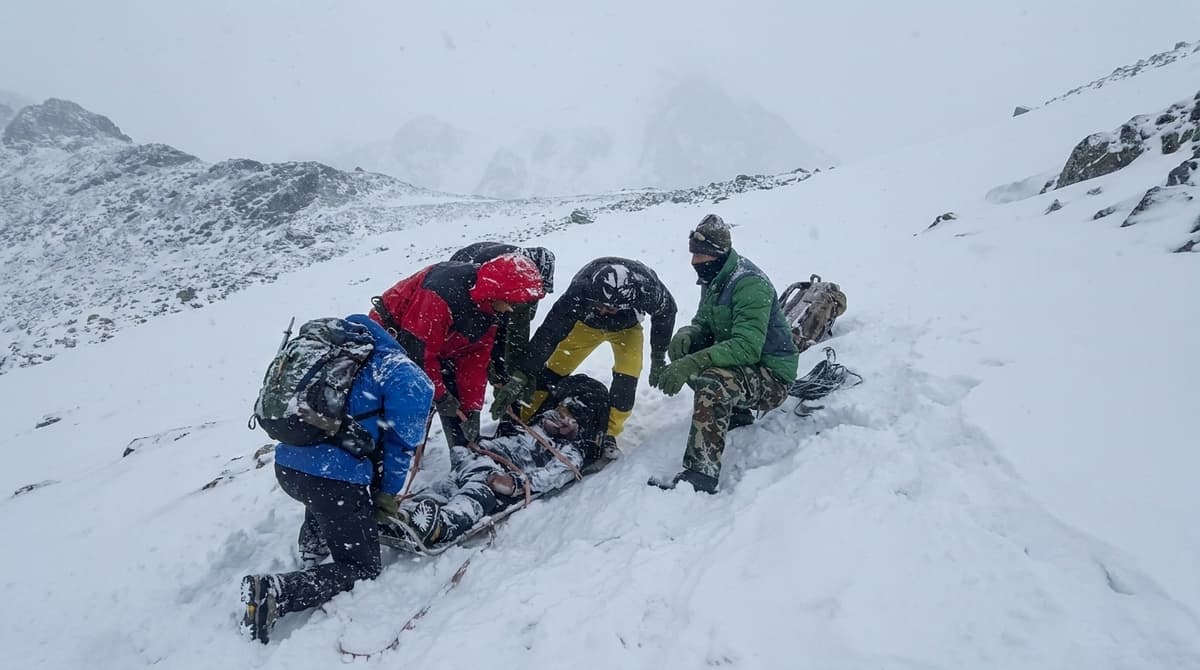
It is already crucial to hydrate in the afternoon. Most of the challenges to expect when trekking in Nepal are tiredness, headaches, and altitude issues, but they are all merely dehydration. The mountainous air is dry, and it gets out of your body unexpectedly. It is not optional to drink throughout the afternoon by taking a water sip. It has a direct effect on how you arrive at your destinations, accomplished or in total wreckage.
What Happens When Trekkers Reach the Destination?
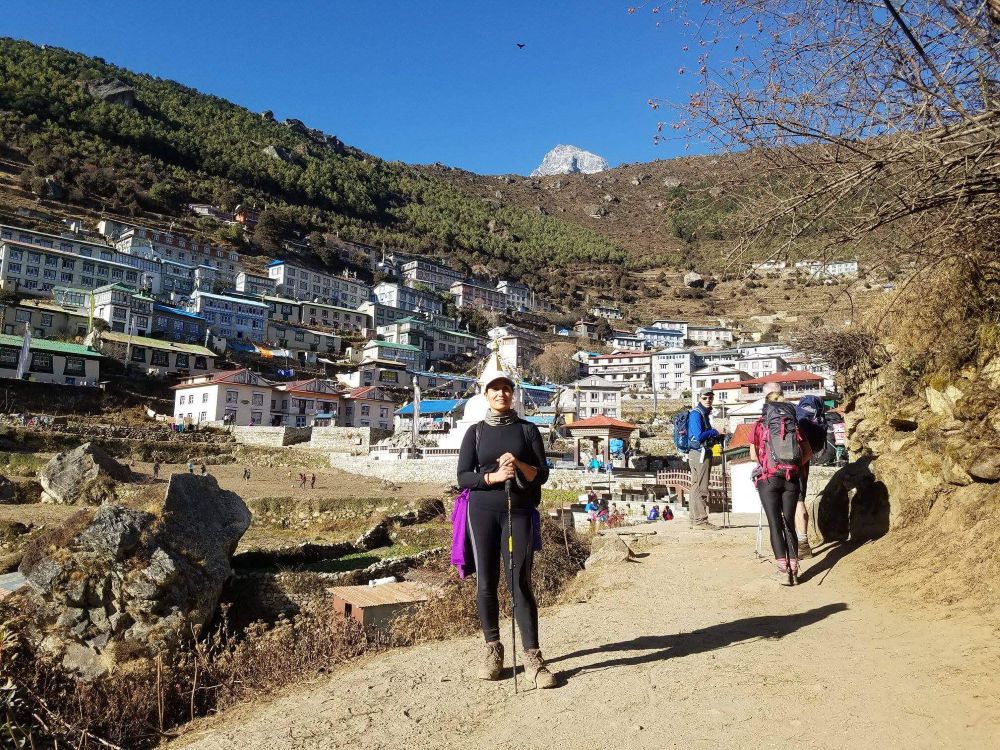
Trekking usually takes between 3:00 and 4.30 PM, during which time the trekkers reach a village or teahouse. The last 30 minutes are the longest ones, but when it arrives, it is real happiness after the entire life of an adventure in Nepal. The routine of arrival is automatic: check in, take off boots and socks, sit down in a chair, and enjoy a rest.
The majority of tea houses have hot water to clean themselves with- a religious practice that gets the sweat and dirt out of the day. On returning to clean up, trekkers visit monasteries, sunset points, village markets, or just witness mountains change colors, as the sun sets. Through this exploration, people are linked to Nepal not just the day-to-day life of a Nepal trekker, but they get to know the greater Nepal trekking way of life and the cultural background.
Recovery time matters. This afternoon, rest is what your body needs in order to prepare for tomorrow. A Nepal trek is physically challenging, and the rest that one takes upon arrival is where the actual recovery starts.
What is the Evening Like During a Trek?
Evenings are really unlike any place. Most teahouses have no electricity, no phone signal, certainly, no Wi-Fi. It is one of the best gifts of the trekking during the trekking in Nepal in the daily routine.
The teahouse restaurant turns into the community room. It is coziest with wood stoves in the middle, and where everybody is. Dining at 6:30-7:30 PM (more dal bhat, pasta, or soup), and then, a real chat, one discussing the reasons why people came, what to expect in trekking Nepal, what they are going through, and what they will expect to be waiting in the home. Such discussions occur due to the fact that technology is not taking a toll. It is among the least appreciated things about the Nepal trekking experience.
Write journals, plan the next day's route, and trekkers play cards. This useful community time is a part of the daily routine on a Himalayan trek. Human connection can truly be real without external interference, and this is a thing that cannot be witnessed in the contemporary world.
When Do Trekkers Go to Sleep?
The majority of the trekkers would be in bed by 8:30 or 9:30 PM. You will not find it difficult to fall asleep at the end of the hectic day of a trekker in Nepal. You will be pleasantly exhausted, and the silence of the mountain will contribute substantially to rest during the Nepal trekking style of life.
It is essential to have quality sleep for proper altitude acclimatization. It happens when the bodies get used to it, muscles get rest, and the energy stores up to face the challenges of tomorrow. Himalayan trekking experience in Nepal is a true experience that needs good sleep in order to enjoy. Teahouse rooms are plain but comfortable, sleeping bags are a must (blankets are not always warm enough, especially in higher altitudes in winter), and there is no noise.
The majority of the trekkers sleep once or twice a night, this is due to the altitude, though they sleep mainly. This breathing pattern is vital in ensuring the energy flow throughout the entire normal day on a Nepal trek program.
Essential Tips for a Trekking Day in Nepal
1. Stay Hydrated
Sip water at all times in the Himalayan trek and day to day life of a trekker in Nepal. The silent alternative is dehydration at high altitude that results in most of the challenges faced by trekkers.
2. Walk at Your Own Pace
Daily trekking in Nepal is not competitive. The individual who completes the task the fastest does not get anything. Day: walk with sustainability on a Nepal trek. Slow, gradual marching rhythms rushing all the time.
3. Respect Local Culture
During life in Nepal, you walk over the houses of people. Wear simple clothes, seek permission before taking photos, and know some simple Nepali greetings. This truly improves your lifestyle, Nepal trekking, and Himalayan trekking experience in Nepal.
4. Pack Smart Gear
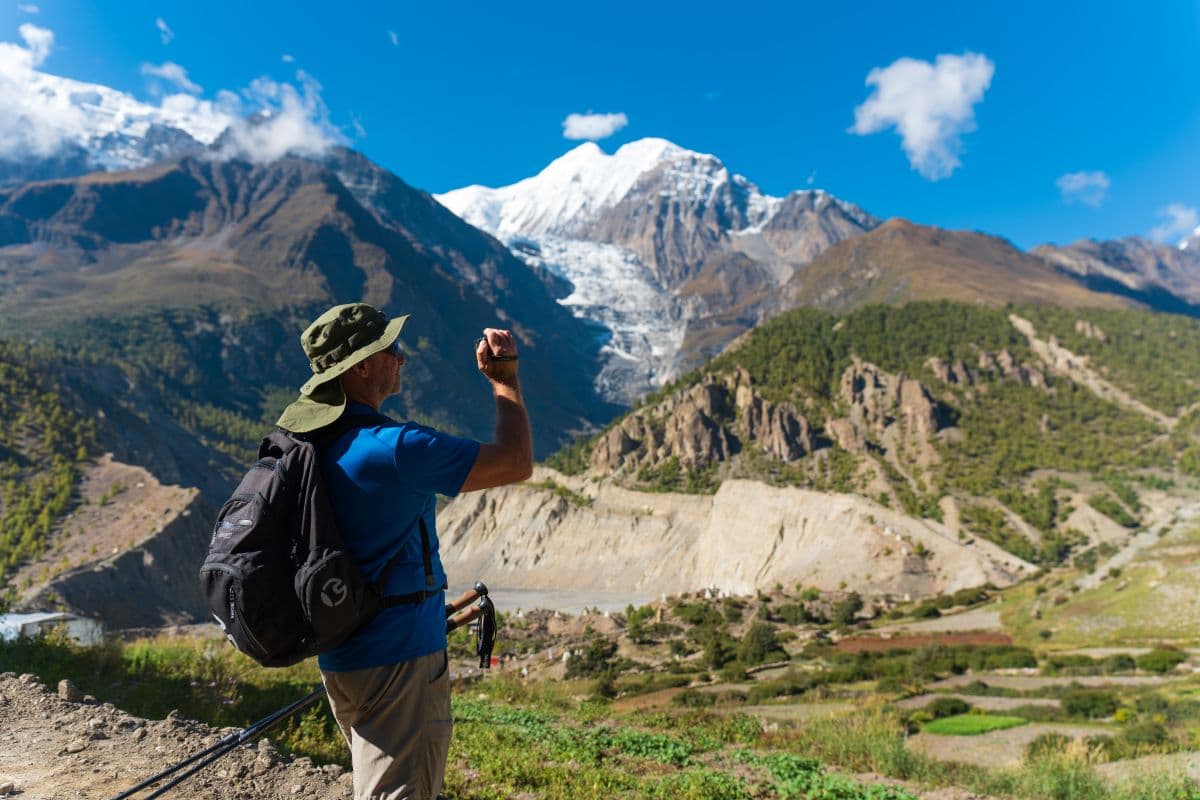
Your daypack requires some water, breakfast, sunscreen, sunglasses, a rain jacket, and a camera. This is the preparation that is important to enjoy the teahouse trekking in Nepal.
5. Take Regular Breaks
These breaks are mandatory for daily living in the Himalayan trek and staying healthy during the Nepal trekking experience. You should listen to your body and guides. When something doesn't feel right, act up. Guides have years of experience in trekkers and mountains. Rely on their experience when exploring Nepal on a trek.
An average trekking day in Nepal is conducted in a natural rhythm, something that is completely right once you get into the swing of this rhythm. Mountain trails, early mornings, shared meals in warm surroundings, and mountain evenings, all of it becomes an experience to remember because of Nepal trekking.
The existence of a trekker in Nepal is not easy, yet very transforming. Knowing what a day on a Nepal trek would entail is useful in psychological preparation. It does not take much time before the trekking in Nepal daily routine turns into a second nature, and the life on a trek in Nepal acquires some meditative aspect that remains with you even after the descent.
The physical is a reality, though it cannot be sustained. The eternal thing is the recollection of mountain sunrise, friendships made with strangers during meals, the fulfillment of going beyond the perceived boundaries during the Nepal trekking lifestyle, and the peace of a Nepal trekking experience in Nepal.
Are you willing to undergo the Nepal trekking experience? Stop overthinking. Get your bag packed and come with Mountain Adventure Trekking Pvt Ltd for your next adventure. Your day-to-day life as a trekker in Nepal awaits. Contact us today.