Manaslu Circuit Trek Itinerary: Day-by-Day Route & Highlights
Whether you're looking for an authentic trekking adventure in the wild, ancient Buddhist traditions, high passes, and mountain views that make you freeze in place, the Manaslu Circuit offers it all without the crowds on the popular routes.
One of the best and protected area trekking routes in Nepal, which goes around the world's 8th Peak, Manaslu (8163m).
This detailed Manaslu Circuit Trek itinerary takes you through every day of the trek from your first day in Kathmandu and across the Larkya La Pass (5160m) and all the way down to the valley of civilization.
This guide takes you all the way to the Himalayas, providing details on the highlights, permits, costs, and all the other details needed to get you up to speed to arrive fully prepared for your trip, whether you're a seasoned trekker or embarking on the most ambitious adventure you've ever had.
One thing to sort early: the Manaslu region is a restricted area, which means trekking permits and fees here are more involved than on most other Nepal treks.
Why Choose the Manaslu Circuit Trek?
The Manaslu Circuit is touted as being what the Annapurna Circuit was two decades ago, but less commercialised, more authentic, and much more immersive. Why it's a favourite among trekkers:
- Restricted area status keeps crowds genuinely low and the environment pristine; you will share the trail with a fraction of the trekkers you'd find on Everest or Annapurna routes
- You circle an 8,000m peak: one of only a handful of treks in the world that offers this scale of mountain experience
- The cultural landscape shifts dramatically from Hindu foothills to Tibetan Buddhist highlands, with ancient monasteries, Mani walls, and prayer flags throughout the upper sections
- Wildlife sightings are genuinely possible: snow leopards, red pandas, and Himalayan tahr all inhabit the Manaslu Conservation Area
- The route is a complete circuit: you never retrace your steps, making every day feel like new ground
In the case of having already completed the Annapurna Circuit Trek, and if you are feeling up for a greater challenge, Manaslu is the next logical step.
Manaslu Circuit Trek Overview
| Detail | Information |
| Trek Duration | 14–18 days including travel days |
| Maximum Elevation | Larkya La Pass - 5,160m |
| Difficulty | Challenging |
| Best Season | Spring (March–May) and Autumn (September–November) |
| Required Permits | MCAP, ACAP, Restricted Area Permit |
| Trek Start Point | Soti Khola or Machha Khola |
| Trek End Point | Dharapani |
| Daily Walking | 5–8 hours |
| Accommodation | Teahouses throughout the route |
Manaslu Circuit Trek Itinerary: Day-by-Day Breakdown
Day 1 - Arrive in Kathmandu (1,400m)
Your Manaslu Circuit tour starts from Kathmandu. You then arrive at Tribhuvan International Airport where your guide or agency representative meets you, escorts you to your hotel and conducts a briefing on permits, gear checks, and what to expect during the trip.
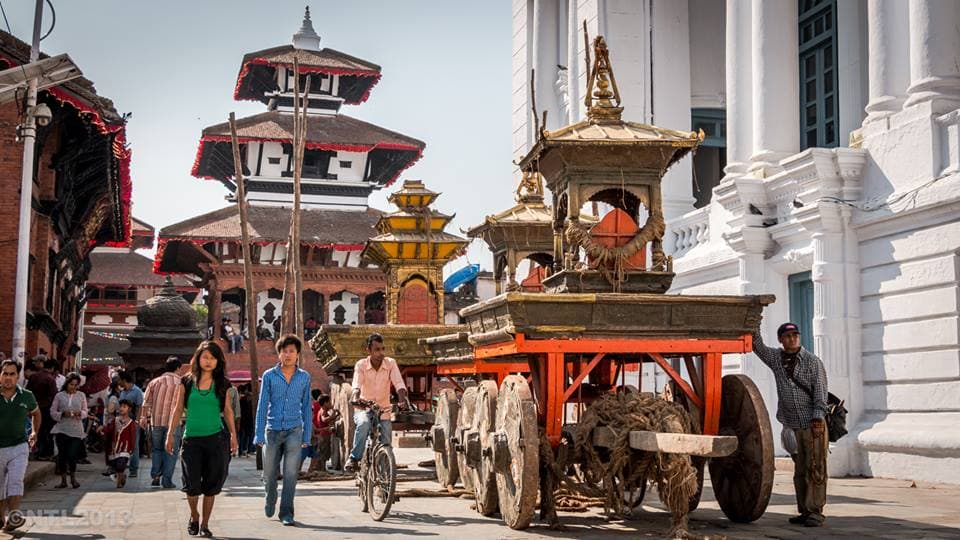
Spend this first day discovering the city of Kathmandu (if there is time). The city is a cultural feast: the golden spires of Swayambhunath Temple, the medieval courtyards of Bhaktapur and the chaos of Thamel. A stroll through Thamel is also a convenient way to get any final equipment before the expedition.
Overnight: Kathmandu | Meals: Welcome Dinner
Day 2 - Drive from Kathmandu to Soti Khola (710m) | 7–8 Hours Drive
Early morning ride through the Prithvi Highway to Arughat, which is located in the northwest of Kathmandu.
The road passes through the Budhi Gandaki river valley and the scenery changes from a bustling market town to a tranquil rural Nepal.
Enter the Gorkha district, where the Gurkhas are known for their legendarily renowned soldiers and where the famous Gorkha Durbar was constructed.
The final section to Soti Khola is on a less-travelled, rough road, but the pay-off is instant. You're surrounded by dense subtropical forest and the river roars along the track. This is where the hike starts.
Overnight: Soti Khola | Meals: Breakfast, Dinner
Day 3 - Soti Khola to Machha Khola (869m) | ~14 km | 6–7 Hours
On the first day on foot, you get a good feel for what you're in for: rocky paths, crossing suspension bridges, plunging waterfalls, and small Gurung villages where life goes on as usual.
The lower parts are lined with banana trees and rice paddies, up until you reach the riverbank village of Machha Khola.
Lower elevation, relatively warm area. Acclimatisation is not yet on the horizon, but it is important to establish a pace early on that is sustainable.
Overnight: Machha Khola | Meals: Breakfast, Lunch, Dinner
Day 4 - Machha Khola to Jagat (1,340m) | ~22 km | 6–7 Hours
Budhi Gandaki River is followed in today's walk, which involves crossing several suspension bridges as well as passing through several villages that provide early exposure to the varied communities along the Budhi Gandaki route to Manaslu.
On passing through Tatopani, meaning "hot water," referring to the geothermal activity nearby, and Dobhan before getting to Jagat.
Jagat is a village with a permit checkpoint, so make sure you have documents at hand for inspection. The teahouses here are comfortable, the evening views of the surrounding ridges are memorable.
Overnight: Jagat | Meals: Breakfast, Lunch, Dinner
Day 5 - Jagat to Deng (1,804m) | ~19 km | 6–7 Hours
The path plunges further down the Budhi Gandaki gorge. It is here that the vegetation changes dramatically - from subtropical forest to temperate forest, and the first rhododendrons start to appear. Passing through Salleri and Sirdibas, you enter a deeper Buddhist world.
Deng is a small but welcoming village where you will find a monastery worth a short visit. The pace of the trek is now set and comfortable.
Overnight: Deng | Meals: Breakfast, Lunch, Dinner
Day 6 - Deng to Namrung (2,630m) | ~16 km | 6–7 Hours
This is where things start to change dramatically. On passing through Ghap, you enter a world of Mani walls inscribed with Buddhist scripture, prayer flags hung between cliff faces and chortens marking the way ahead.
The path is steep and gradual, with views of snow-capped mountains on clear days.
Namrung is located at the base of the Manaslu massif and is one of the most picturesque villages throughout the trek.
It is a destination for the photographer, with its architecture, which is influenced by Tibet, carved wooden window frames, and the monastery perched above the village.
Overnight: Namrung | Meals: Breakfast, Lunch, Dinner
Day 7 - Namrung to Samagaon (3,530m) | ~16 km | 6–7 Hours
Today is one of the most beautiful days for the entire hike. En route through Lihi, Sho, and stone-walled fields, juniper forests, you slowly climb up to Samagaon, which is located at a higher altitude.
Views of the north face of Manaslu, Ngadi Chuli (7,871m), and Himalchuli become more spectacular with every step.
Samagaon is one of the significant destinations along the Manaslu Circuit. It is a village with a strong cultural identity, influenced by Tibet, and the monastery is located above the village, which is well worth a short hike up to Pungen Gompa.
Yaks are grazing in the surrounding meadows, and the elevation starts to take effect.
Start taking acclimatization seriously from this point onward.
Overnight: Samagaon | Meals: Breakfast, Lunch, Dinner
Day 8 - Acclimatization Day in Samagaon (3,530m)
This is not a choice of whether or not to take the rest day, it's a necessary component of safety and success on the trek! Acclimatisation day in Samagaon is the day on which many trekkers gain or lose their Larkya La crossing, as altitude sickness can set in rather fast above 3000m.
Samagaon offers the following acclimatization options:
- Manaslu Base Camp (4,800m): A challenging but rewarding day hike offering dramatic close-up views of the Manaslu glacier. Allow 7–8 hours round trip.
- Birendra Lake (3,450m): A glacial lake just 45 minutes from the village, sacred to locals and strikingly beautiful, an easy acclimatization walk.
- Pungen Gompa: The ancient monastery above Samagaon offers deep insight into the region's Tibetan Buddhist heritage and sweeping valley views.
Overnight: Samagaon | Meals: Breakfast, Lunch, Dinner
Day 9 - Samagaon to Samdo (3,875m) | ~10 km | 3–4 Hours
Deliberately shorter day to allow for more time for the body to accommodate before high pass crossing.
The path follows a relatively low valley to pass glacial streams and yak pastures, eventually arriving at Samdo, a nearly-Tibetan border village with a definitely trans-Himalayan feel.
Arriving early enables complete rest and leisurely exploration of the village. Some trekkers trek up to the Tibetan border viewpoint for a worthwhile half-day.
Overnight: Samdo | Meals: Breakfast, Lunch, Dinner
Day 10 - Samdo to Dharamsala / Larkya La Base Camp (4,460m) | ~10 km | 4–5 Hours
The final stop before the highest point along the trek is Dharamsala or Larkya Phedi today.
The path runs across open moraine with vistas of glaciers and surrounding 6,000m and 7,000m peaks becoming increasingly dramatic as the trail progresses.
Dharamsala is simple, with a few teahouses whose facilities are limited. However, the setting is out of this world.
Get your tools ready for tonight: Warm clothes, gaiters, and microspikes if necessary, and a headlamp fully charged. Tomorrow's early start is a must.
Overnight: Dharamsala | Meals: Breakfast, Lunch, Dinner
Day 11 - Cross Larkya La Pass (5,160m) to Bimthang (3,720m) | 8–9 Hours
This is the day of the entire Manaslu Circuit Trek itinerary.
A starting time of 3:00 to 4:00 AM is a typical time to start to reach the pass in time for the afternoon weather.
The last approach is steep and challenging, passing through snowfields and glacier fields. It may be necessary to use crampons or microspikes depending on the season.
But the pay-off at Larkya La is spectacular:
- Panoramic views of Himlung (7,126m), Cheo Himal (6,820m), Kang Guru (6,981m), and Annapurna II (7,937m)
- The highest point, a moment of achievement, is indicated by prayer flags.
- The road down to Bimthang is a long and steep track, but quite spectacular all the way
This is the most physically demanding day on the route. Understanding the full Manaslu Circuit Trek difficulty before you leave home helps you prepare for exactly this day.
Overnight: Bimthang | Meals: Breakfast, Lunch, Dinner
Day 12 - Bimthang to Tilije (2,300m) | ~18 km | 5–6 Hours
The descent passes through some of the most scenic forest on the whole trail as you descend and, over your shoulder, catch a glimpse of Lamjung Himal and Manaslu.
You then pass through the village of Goa, downhill to the warmer lower climate of Tilije where you will find apple orchards and watermills.
Overnight: Tilije | Meals: Breakfast, Lunch, Dinner
Day 13 - Tilije to Dharapani (1,860m) | ~12 km | 4–5 Hours
The last day of trekking is along the valley of Marsyangdi, which is the same route traveled on the Annapurna Circuit Trek.
Once you arrive at Dharapani and pass through the checkpoint, you are outside the Manaslu restricted area.
Dharapani is a busy junction village, where the Manaslu and Annapurna routes meet. Eat a hot meal - you're well deserved.
Overnight: Dharapani | Meals: Breakfast, Lunch, Dinner
Day 14 - Drive from Dharapani to Kathmandu | 7–8 Hours
A jeep or bus takes you back via the Marsyangdi Valley to Besisahar, before heading back along the highway to Kathmandu.
It's a long drive, so you have plenty of time to think about the landscapes, the villages, and the physical exertion of the preceding two weeks.
Overnight: Kathmandu | Meals: Breakfast
Day 15 - Final Departure from Kathmandu
Your hike on Manaslu has come to an end. From Tribhuvan International Airport, travel on to your next flight or stay in Nepal and explore Kathmandu, Pokhara, or further.
Manaslu Circuit Trek Full Itinerary at a Glance
| Route | Elevation | Walking Time |
| Arrive Kathmandu | 1,400m | - |
| Drive to Soti Khola | 710m | Drive |
| Soti Khola → Machha Khola | 869m | 6–7 hrs |
| Machha Khola → Jagat | 1,340m | 6–7 hrs |
| Jagat → Deng | 1,804m | 6–7 hrs |
| Deng → Namrung | 2,630m | 6–7 hrs |
| Namrung → Samagaon | 3,530m | 6–7 hrs |
| Acclimatization - Samagaon | 3,530m | Optional hikes |
| Samagaon → Samdo | 3,875m | 3–4 hrs |
| Samdo → Dharamsala | 4,460m | 4–5 hrs |
| Larkya La (5,160m) → Bimthang | 3,720m | 8–9 hrs |
| Bimthang → Tilije | 2,300m | 5–6 hrs |
| Tilije → Dharapani | 1,860m | 4–5 hrs |
| Drive to Kathmandu | 1,400m | Drive |
| Final Departure | - | - |
Permits Required for the Manaslu Circuit Trek
The Manaslu region is a restricted trekking area, and the permit process is more complex than a regular trek to Nepal. Permits are to be obtained from a registered company, and solo trekking without a guide is absolutely not allowed.
| Permit | Cost | Where Issued |
| Manaslu Conservation Area Permit (MCAP) | USD 30 | TAAN Office, Kathmandu |
| Annapurna Conservation Area Permit (ACAP) | USD 30 | TAAN Office, Kathmandu |
| Manaslu Restricted Area Permit | USD 100 (Sept–Nov) / USD 75 (other months) per week | Immigration Office, Kathmandu |
The guide to trekking permits in Nepal covers the full application process, current fees, and exactly where to obtain each permit before departure.
For the most up-to-date permit fees and official regional trekking regulations, the Nepal Tourism Board is the authoritative source.
Best Time for the Manaslu Circuit Trek
Spring (March – May) - Peak Season
The skies are clear, trails are dry, and mountain views are most dramatic in the post-monsoon season.
The month of October is by far the best month, with stable weather conditions, clear visibility, and great temperatures at altitude. Teashouses will be quite busy during this time period, but not as crowded as on Everest or Annapurna routes.
Spring (March – May) - Second Best Season
The trees are a riot of colour below 3,500m, and the weather is mostly clear in the morning before the clouds sweep in during the afternoon.
In March, extra care is needed for the Larkya La crossing; it is an excellent place to cross in April and May, with higher snow levels. The best time to visit Nepal will give you an idea of the entire season.
Winter (December – February) - Not Recommended for Most Trekkers
Larkya La is normally covered with snow and may be impassable. The temperatures at Dharamsala can reach as low as -20°C. This is only for experienced mountaineers who have suitable equipment and cold weather experience.
Monsoon (June – August) - Avoid
Trails are unsafe with heavy rain, leeches are common in low-elevation areas, and the mountain views are blocked for days during the rainy season. Most tea-rooms are still open, but the enjoyment of it is very compromised.
How Difficult is the Manaslu Circuit Trek?
It is a hard hike, more of an intermediate level. However, challenging is a relative term, and when done properly, with the right preparation, fit and motivation, this is done successfully each season.
Key difficulty factors:
- Larkya La Pass at 5,160m demands full acclimatization and strong cardiovascular fitness
- Multiple consecutive long days with 6–8 hours of walking on remote, rocky terrain
- Limited rescue and evacuation options compared to more popular routes
- Genuine altitude risks above 4,000m that must be respected
- Unpredictable weather conditions near the pass, especially in early spring and late autumn
Who can Take Part in This Trek?
People who have travelled before and have taken their time to prepare for such a challenge.
With 2-3 months of hardcore cardio training, and having already done the Annapurna Base Camp Trek, or another trek at high elevations, you should be ready for Manaslu.
If you're a beginner at trekking, it's a better and safer idea to begin with the best treks in Nepal for beginners first.
What to Pack for the Manaslu Circuit Trek?
Packing correctly can make or break a high-altitude trek. Here is what you need across three key categories:
Clothing and Layering
- Moisture-wicking base layers - synthetic or merino wool
- Insulating mid-layer - down jacket or heavy fleece
- Waterproof and windproof outer shell jacket and trousers
- Warm hat, gloves, and balaclava specifically for the Larkya La crossing
- Trekking trousers and thermal underwear for cold nights above 3,500m
Footwear and Safety Gear
- Waterproof, ankle-supporting trekking boots - broken in before the trek, not on it
- Gaiters for snow sections approaching and crossing the pass
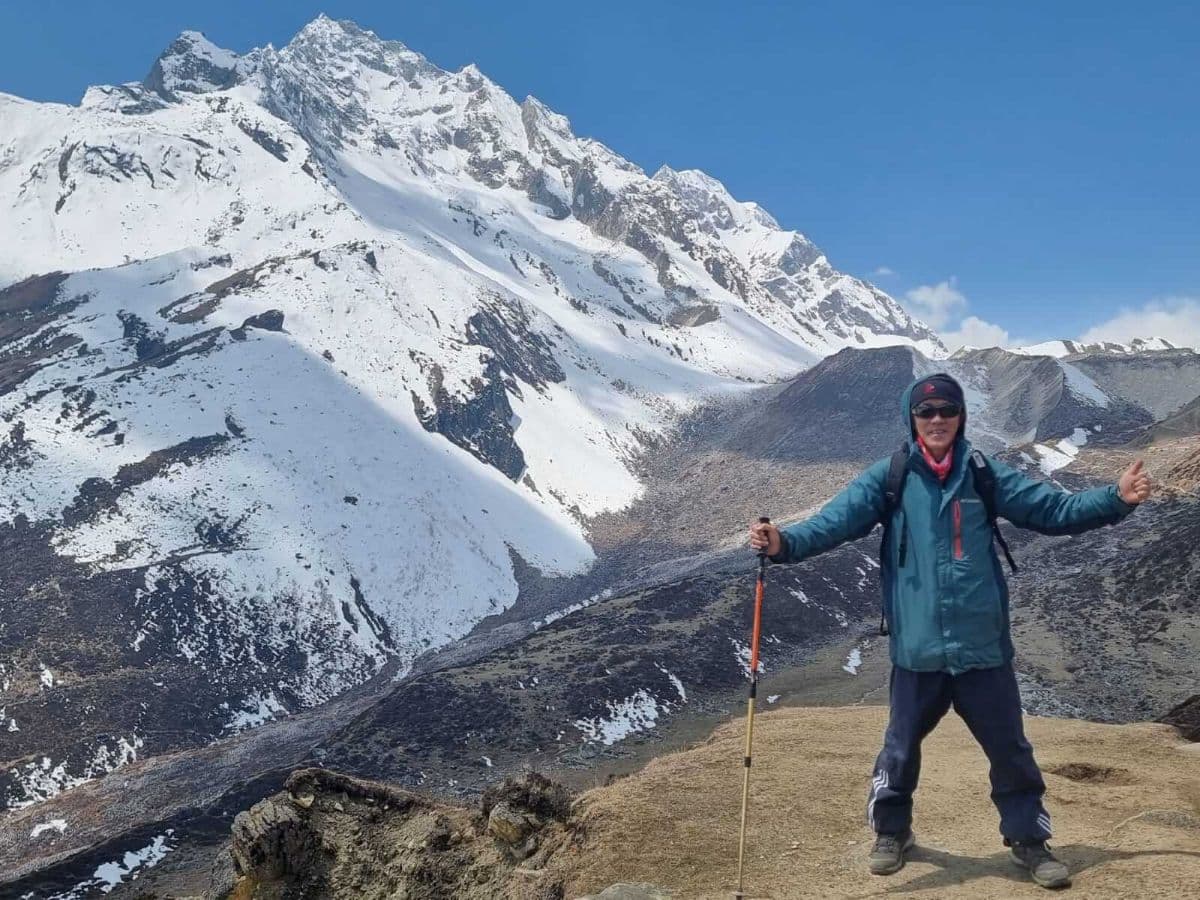
- Trekking poles - essential for knee protection on the long descent from Larkya La
- Microspikes or crampons depending on season and snow conditions
Health and Altitude
- Diamox (acetazolamide) - consult your doctor before the trek
- Water purification tablets or a personal filter
- Pulse oximeter to monitor blood oxygen levels above 4,000m
- Comprehensive personal first aid kit
- Personal medications with enough supply for the full duration
Accommodation and Food on the Manaslu Circuit
Accommodation
Teahouses on the Manaslu Circuit are less complex than on the Everest or Annapurna routes, and that's what's cool about it.
Basic private rooms with twin beds, sometimes dormitory style above Samagaon. Bathrooms are standard and hot showers are less frequent at higher elevations.
Where there's connectivity, there is the option to charge your battery at an additional cost and to connect to Wi-Fi at an additional cost. Sleeping bags are required beyond 3500m.
Food
The staple dish of the trekker is dal bhat (rice, lentil soup, and vegetables), which is always the cheapest and most nutritious option.
More Tibetan-influenced villages have Tibetan bread, the porridge of tsampa and the Tibetan momo on a regular basis.
Pasta, Noodles and Soup are available all year long. The higher the elevation, the higher the costs, plan accordingly for the top areas.
Safety Tips for the Manaslu Circuit Trek
This is a long way, and prevention is not only essential, but it is all important. Remember the following points on the trail:
- Never ascend more than 300–500m per day above 3,000m, your body needs time to produce extra red blood cells
- Take rest days seriously: the acclimatisation day in Samagaon exists for a medical reason, not comfort
- Know the early symptoms of AMS: headache, nausea, dizziness, loss of appetite, and poor sleep are warning signs that demand attention
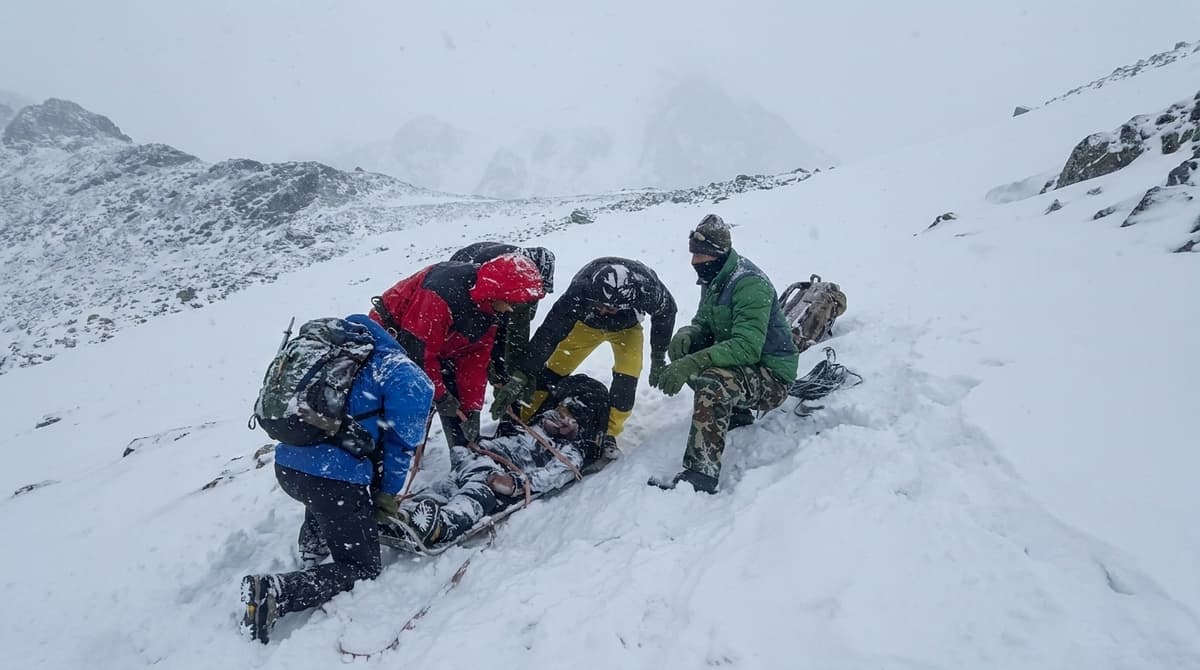
- Descend immediately if symptoms worsen: no summit or schedule is worth risking your life over
- Trek with a registered, licensed guide: mandatory under restricted area regulations and critical for safety in emergencies
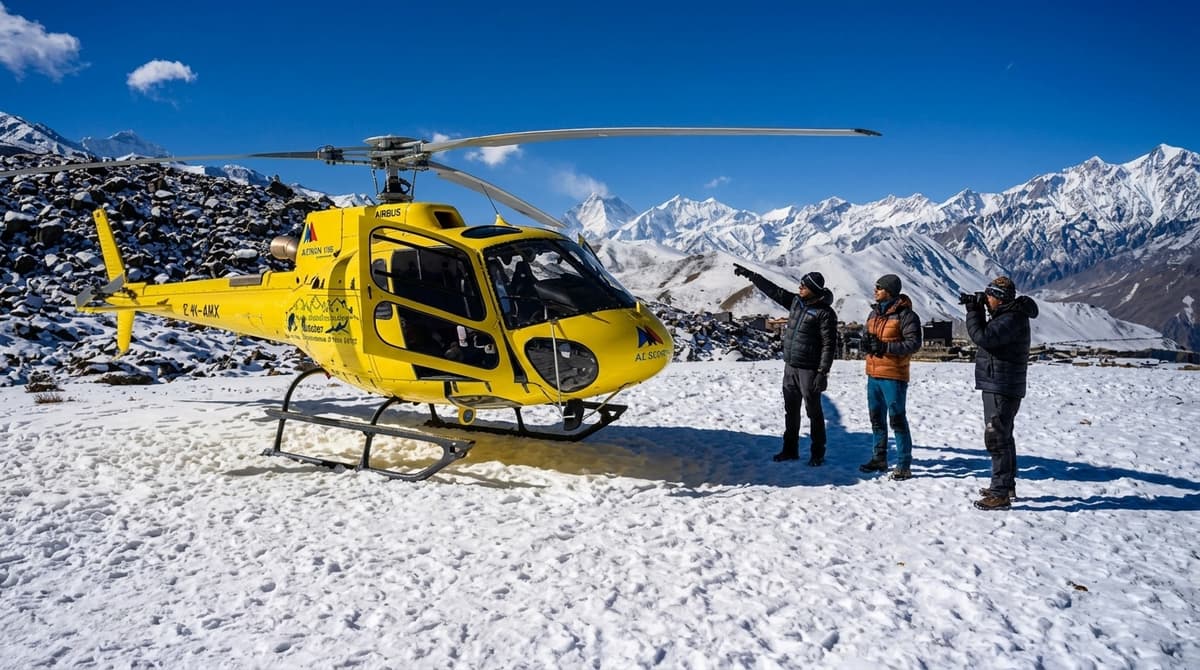
- Carry comprehensive travel insurance that specifically covers high-altitude trekking and emergency helicopter evacuation
Preparation extends beyond the physical, avoiding common trekking mistakes is just as important as training for the trail itself.
Manaslu Circuit Trek vs Annapurna Circuit Trek
| Feature | Manaslu Circuit | Annapurna Circuit |
| Difficulty | Challenging | Moderate - Challenging |
| Crowd Level | Low | Moderate - High |
| Permits | Restricted area required | Standard permits |
| Highest Point | 5,160m — Larkya La | 5,416m - Thorong La |
| Cultural Experience | Remote Tibetan-Buddhist | Diverse, more accessible |
| Best For | Experienced trekkers | Moderate to experienced |
| Duration | 14–18 days | 12–18 days |
| Infrastructure | Basic teahouses | More developed teahouses |
Both routes are extraordinary in one way or another. It's typically a matter of experience and desire for remoteness.
When it comes to deciding between Manaslu and Annapurna, the same factors that were discussed in the Annapurna Circuit Trek vs Annapurna Base Camp Trek comparison exist, which include the difficulty, length, culture, and the number of visitors.
Conclusion
The Manaslu Circuit Trek is not simple in the mountains. It's a whole immersion in raw Himalayan wilderness, living Tibetan Buddhism, and a deep personal satisfaction when you do something that is truly challenging.
The day-by-day Manaslu Circuit Trek route in this guide provides you with a clear picture of what's coming up next, so you can be ready, feel confident, and enjoy every minute of your trek.
All set to do it? Join our team on MAT Nepal to embark on the full Manaslu Circuit Trek Days package, with our expert guides taking care of permits, logistics, and more.
If you're still in the planning stages, then the full guide to trekking in Nepal is the ideal beginning to creating your whole Nepal experience.
Frequently Asked Questions About the Manaslu Circuit Trek Itinerary
Do I need prior trekking experience for the Manaslu Circuit Trek?
Yes. Previous experience at altitude, like Annapurna Base Camp or Annapurna Circuit, is strongly recommended before attempting this route.
Can I do the Manaslu Circuit without a guide?
No, a licensed Nepali guide is legally required under the restricted area permit rules.
Is the Manaslu Circuit Trek safe?
Yes, with proper acclimatisation, a good guide, and solid physical preparation, it is completed safely by hundreds of trekkers every season.
What happens if I get altitude sickness on the route?
Descend immediately. Helicopter evacuation from Samagaon or Samdo is possible, which is why travel insurance covering emergency evacuation is mandatory.
Can I combine the Manaslu Circuit with the Annapurna Circuit?
Yes, the route connects naturally at Dharapani, making a combined Manaslu–Annapurna traverse one of Nepal's great extended trekking adventures.