Pikey Peak Trek: Complete Guide to Nepal's Hidden Everest View Trek
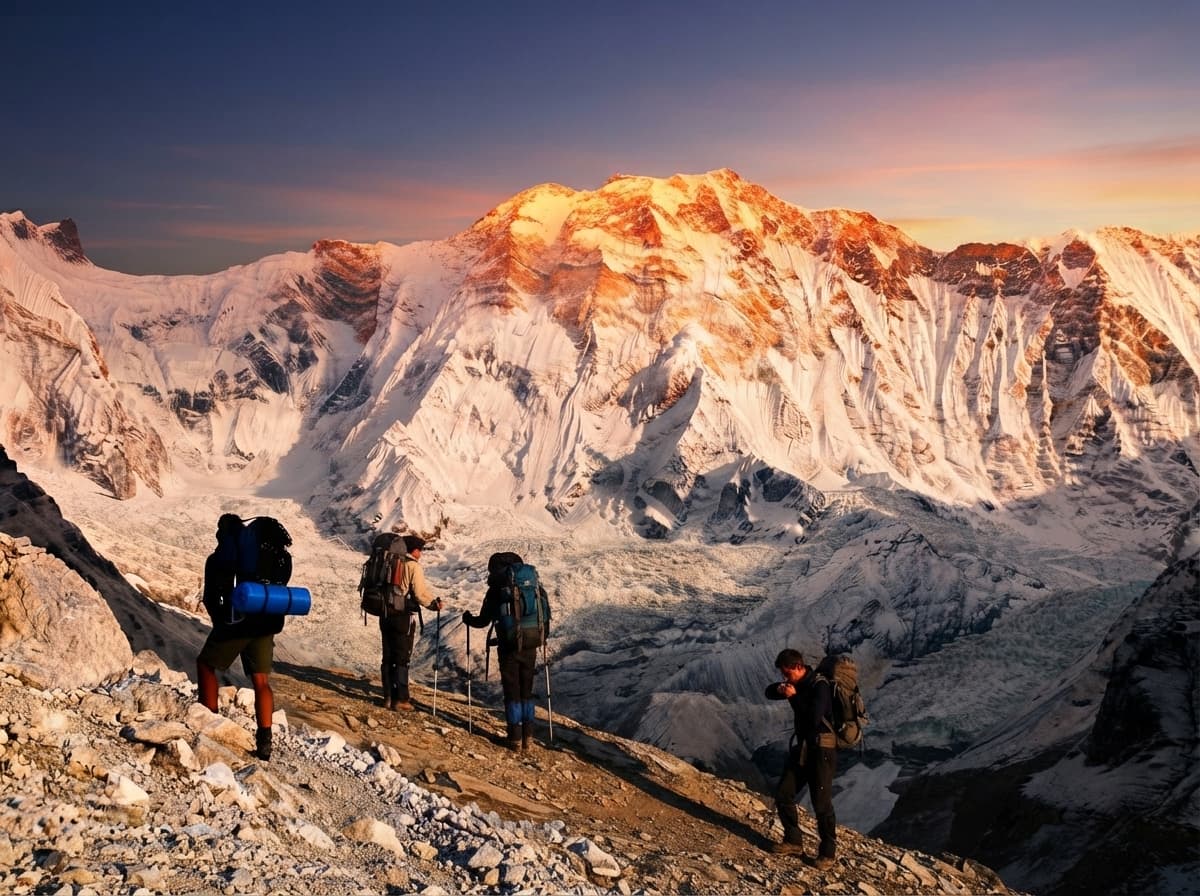
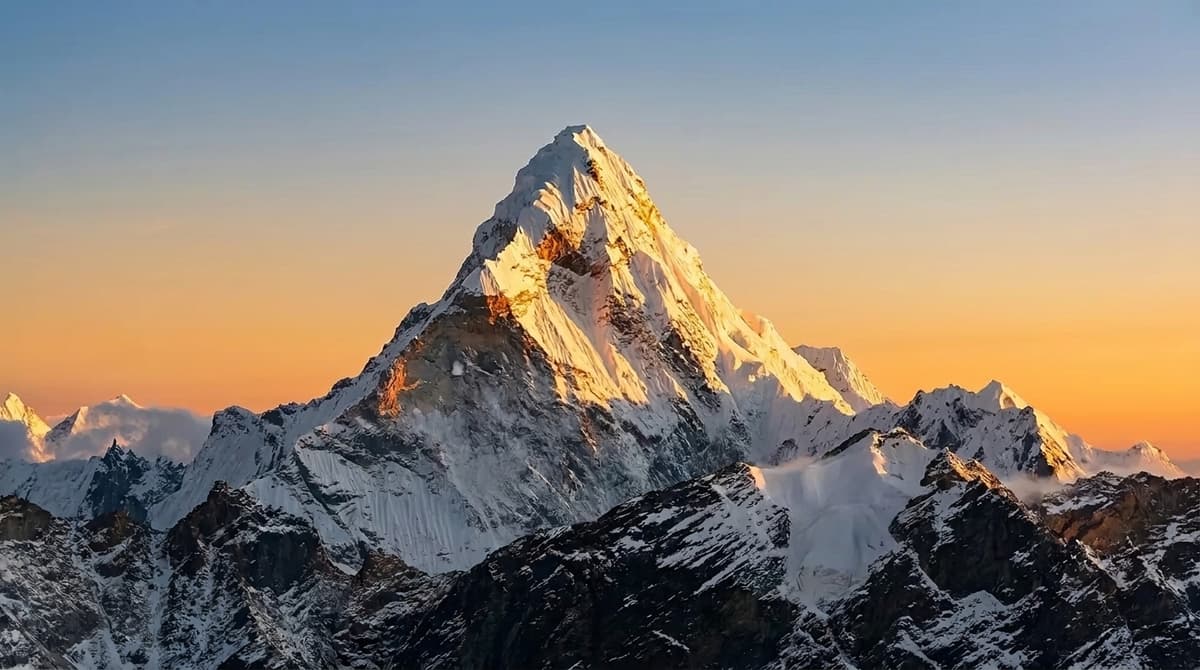
Picture yourself on a tranquil ridge of the Himalayas, where the sun is just rising, casting a golden and golden-yellow hue over the snowy mountains.
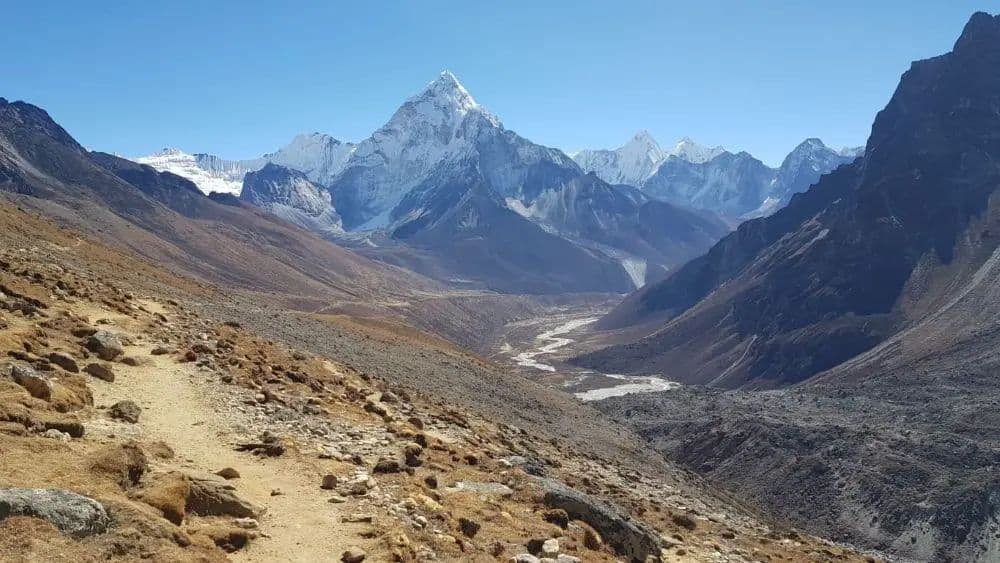
Before you are presented with an unmissable panorama of Mount Everest, Makalu, Kanchenjunga, Lhotse, Nuptse, Ama Dablam, Thamserku, and many other giants of the Himalayas, untouched by the crowds as you would encounter on the standard route up Everest. That's what makes the Pikey Peak Trek one of the hidden gems in Nepal.
Thousands of trekkers descend on the famous Everest Base Camp annually, but those who wish to explore the Himalayas in a more authentic and less touristy way are finding that they have to turn to Pikey Peak.
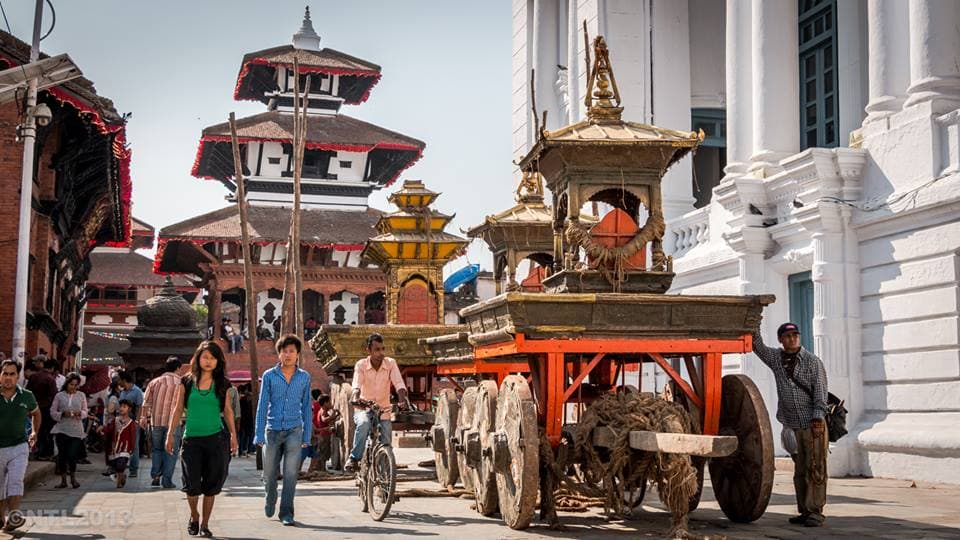
This picturesque trek takes place in the stunning area of eastern Nepal, the Solu region, where you can see the mountains, admire Sherpa culture, enjoy the tranquil forests, visit historic monasteries, and visit friendly Nepalese villages.
The Pikey Peak Trek is far from the high-mountain trek many think it is and is actually ideal for a wide variety of travelers.
This trek blends adventure, comfort, and amazing views, and it's the perfect choice for anyone who wants to go to the Himalayas, not necessarily Everest Base Camp.
The relatively low altitudes also result in fewer altitude-based problems and yet one of the best vantage points for witnessing Nepal's sunrise.
For those seeking other routes around Eastern Nepal, our Everest Base Camp Trek - 15 Days features a tougher trek into deeper areas of the Khumbu region, and the Everest Base Camp Trek with Gokyo – 18 Days promises stunning Everest views and the gorgeous Gokyo Lakes.
Another good sunrise-viewing trek is the Ghorepani Poon Hill Trek, which offers a shorter opportunity to explore the Himalayas but visits the Annapurna range rather than Everest.
Here you will find all the key information you need to know before you plan your Pikey Peak Trek, including the best route to take, the difficulty level, altitude, permits, lodging, food and drink, transportation, costs, packing tips, and more, even from seasoned trekking professionals.
Why Choose the Pikey Peak Trek?
With thousands of trekking options available in Nepal, there are just a few trekking trails that offer an equally beautiful view of the Himalayas, a rich cultural experience, and peaceful trails like Pikey Peak. If you are looking to do a genuine trek off the beaten path, then this trek is definitely worth a look.
Below are the 5 most significant reasons why the Pikey Peak Trek is unique.
1. One of Nepal's Best Everest Viewpoints
Pikey Peak (4,065 m) is one of the best views of Mount Everest outside of the Khumbu region. During a clear morning, hikers can enjoy a panoramic view of:
- Mount Everest (8,848.86 m)
- Lhotse
- Nuptse
- Makalu
- Kanchenjunga
- Ama Dablam
- Thamserku
- Numbur Himal
- Gaurishankar
- Dorje Lakpa
One of the most memorable mountain experiences in Nepal is the sunrise from Pikey Peak.
2. Peaceful Trails Without Large Crowds
Pikey Peak is not the sort of place that is popular among international trekkers like Everest Base Camp or Annapurna Base Camp. On most days you will walk for several hours amongst quiet forests and traditional villages, never encountering large trekking groups.
Here you can appreciate nature and take photos while enjoying the peace and quiet and connecting with local communities.
3. Authentic Sherpa Culture
There are numerous Sherpa families in the Solu region whose customs, monasteries and life have been very well preserved.
As you walk along the trail, you'll see:
- Traditional Sherpa villages
- Ancient Buddhist monasteries
- Prayer flags and mani walls
- Colorful chortens
- Local festivals (seasonal)
- Warm hospitality in family-run teahouses
Encounters with local people can be more personal and sincere in this part of the world than in more hectic trekking areas.
4. A Great Alternative to Everest Base Camp
For many travelers, seeing Mount Everest is a dream come true, but it may not fit their travel schedule, budget, or physical conditioning to trek to the base of Everest.
The Pikey Peak Trek is a great alternative as it offers:
- Incredible Everest panoramas
- Lower trekking costs
- Shorter itinerary
- Less physical demand
- Lower risk of altitude sickness
- More peaceful trekking trails
5. Ideal for First-Time Himalayan Trekkers
If it is your first time trekking in Nepal, Pikey Peak is a great way to experience a Himalayan trek.
The trail includes:
- Comfortable daily walking distances
- Well-established teahouses
- Gradual altitude gain
- Diverse landscapes
- Excellent mountain scenery
It’s hard enough to feel adventurous but doable for trekkers with a reasonable fitness level.
Pikey Peak Trek Highlights
- Witness one of Nepal's most spectacular Everest sunrises.
- Trek through peaceful rhododendron and pine forests.
- Explore authentic Sherpa villages away from mass tourism.
- Visit ancient Buddhist monasteries and sacred sites.
- Enjoy panoramic views of Everest, Makalu, Kanchenjunga, Ama Dablam, and many other Himalayan peaks.
- Experience traditional teahouse hospitality.
- Walk through beautiful alpine meadows and yak grazing areas.
- Spot Himalayan birds and native wildlife along the trail.
- Discover the quieter side of the Solukhumbu region.
- Complete a rewarding Himalayan trek in around one week.
Pikey Peak Trek Overview
Feature | Details |
Trek Region | Lower Solukhumbu |
Province | Koshi Province |
Highest Elevation | 4,065 m (Pikey Peak) |
Trek Duration | 7–10 Days |
Difficulty | Moderate |
Maximum Walking Hours | 6–7 Hours |
Accommodation | Local Teahouses |
Meals | Breakfast, Lunch & Dinner Available |
Best Seasons | Spring & Autumn |
Permits Required | Local Area Permit (depending on route) |
Suitable For | Beginners, Families, Photographers & Experienced Trekkers |
Where Is Pikey Peak Located?
Pikey Peak is located in the Lower Solukhumbu region to the east of Nepal, south of the Everest (Khumbu) region. It is not located along the famous Everest Base Camp trail, but is amongst the best panoramic views of the Himalayan range.
The journey starts after reaching either Dhap or Phaplu from Kathmandu by car or jeep, depending on one's plans.
The trail then passes through charming Sherpa villages and verdant forests, up a rolling hill, and through quiet mountain scenery all the way to the top of Pikey Peak.
The beauty of this trail is that it's easy to access. Unlike many trips in the Everest region, this typically does not involve landing in Lukla via a domestic flight, and can be more affordable and dependable for travelers.
Is the Pikey Peak Trek Worth It?
Absolutely. For those looking to enjoy the splendor of the Himalayas without the time and expense of a long and overcrowded trek, the Pikey Peak Trek is a fantastic option.
With a relatively short trekking route, you'll experience world-class views of the mountains, true Sherpa culture, quiet trails, comfortable teahouse lodging, and an extraordinary sunrise over the summit of Mount Everest!
If you are looking for a secret spot in Nepal, you know nothing of the beauty, culture, accessibility, and peace you can experience on Pikey Peak.
Pikey Peak Trek Itinerary (7–9 Days)
Flexibility is one of the biggest advantages of the Pikey Peak Trek. Depending on your time, fitness level, and preferred starting point, you can do the trek in 7 to 9 days.
The itinerary below is at a comfortable pace to allow for acclimatization and to enjoy the scenery of the region.
Day | Route | Walking Time |
Day 1 | Drive from Kathmandu to Dhap | 8–9 Hours |
Day 2 | Dhap to Jhapre | 5–6 Hours |
Day 3 | Jhapre to Pikey Base Camp | 6–7 Hours |
Day 4 | Sunrise at Pikey Peak, trek to Junbesi | 7–8 Hours |
Day 5 | Explore Junbesi & Thupten Chholing Monastery | 4–5 Hours |
Day 6 | Trek to Phaplu | 5–6 Hours |
Day 7 | Drive back to Kathmandu | 8–9 Hours |
This itinerary provides a good balance of trekking, sightseeing and cultural experiences, while minimizing the risk of altitude-related problems.
Day-by-Day Trek Experience
Day 1: Kathmandu to Dhap
The tour starts with a beautiful drive from Kathmandu to Dhap. The road is followed by rolling hills, terraced farms, rivers, and traditional villages before arriving at the Solu region.
The road ahead is long but a great introduction to rural Nepal. Then you will see the city gradually replaced by tranquil countryside and mountains.
Overnight: Dhap
Day 2: Dhap to Jhapre
The first day of the trek is a relatively easy one, perfect for building up endurance.
The trail passes through:
- Pine forests
- Small Sherpa settlements
- Farmlands
- Colorful prayer flags
- Traditional monasteries
With clear weather, you will be able to sight the first distant views of Everest and Numbur Himal.
Overnight: Jhapre
Day 3: Jhapre to Pikey Base Camp
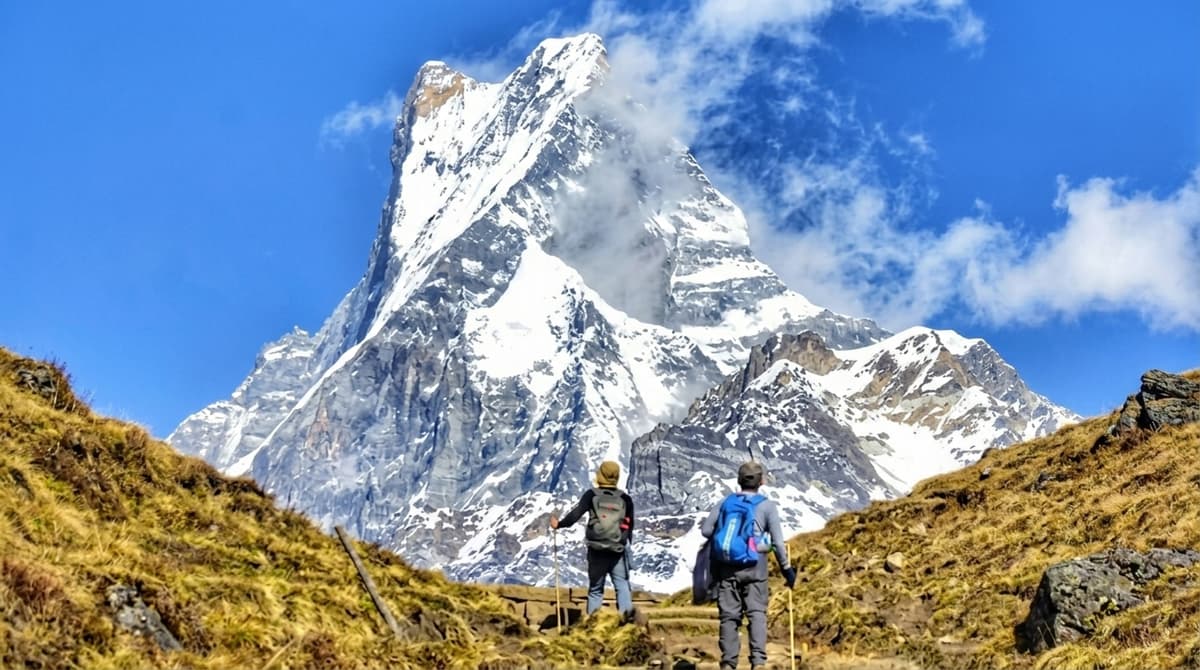
The trail is a moderate uphill hike today through rhododendron woodlands and open alpine meadows. The Himalayan scenery changes in intensity as you rise.
This is one of the most enjoyable parts of the trek, with yaks grazing on the hillsides, prayer flags fluttering, and panoramic viewpoints.
You'll spend the night at Pikey Base Camp, preparing for an early morning summit hike.
Overnight: Pikey Base Camp
Day 4: Sunrise at Pikey Peak & Trek to Junbesi
This is the most spectacular part of the trip.
Early in the morning, you'll trek up the slopes of Pikey Peak (4,065 m) to witness one of the most breathtaking sunrises in the Himalayas in Nepal.
With the first light, the whole Everest range slowly awakens in a golden hue. On sunny days, it is possible to see unobstructed views of Dhaulagiri in the west to Kanchenjunga in the east.
Once at the peak, you will take a walk through alpine ridges and forests to reach the beautiful Sherpa village of Junbesi.
Overnight: Junbesi
Day 5: Explore Junbesi
Some trekkers take an additional day to explore the Junbesi area.
Highlights include:
- Traditional Sherpa houses
- Local bakeries and teahouses
- Ancient monasteries
- Thupten Chholing Monastery (optional visit)
- Daily life of the Sherpa community
This is one of the reasons why many people choose to go to Pikey Peak over busier trails such as Everest.
Day 6: Junbesi to Phaplu
The trail today slowly descends through forests, farms and small villages to Phaplu.
The walk is gentle, and offers again another chance to experience the tranquility of the Solu region.
Overnight: Phaplu
Day 7: Kathmandu back
Following breakfast, head back to Kathmandu, ending your incredible journey in the Himalayas.
Pikey Peak Trek Difficulty
The Pikey Peak Trek is typically considered a moderate trek, ideal for beginners with a good level of fitness and experienced trekkers seeking a less crowded route.
There is no technical climbing or mountaineering equipment required on this trail, unlike higher altitude expeditions.
You will still spend several hours hiking over uneven ground, and you will still be climbing and descending on a daily basis.
The difficulty of the trek depends on the following factors:
- Daily walking of approximately 5–7 hours
- Steady uphill sections, especially before reaching Pikey Base Camp
- High altitude above 4,000 meters
- Changing mountain weather
- Basic teahouse accommodation in remote areas
If you are planning your first ever trek in the Himalaya, our guides on Best Treks in Nepal for Beginners, How to Prepare for Trekking in Nepal, and What to Pack for Your First Trek are great resources to help you plan with confidence.
Altitude and Acclimatization
Pikey Peak might not be as high as many of the famous trekking destinations in Nepal, but the altitude should still be taken seriously.
Location | Altitude |
kathmandu | 1,400 m |
Dhap | 2,850 m |
Jhapre | 2,920 m |
Pikey Base Camp | 3,640 m |
Pikey Peak | 4,065 m
|
Junbesi | 2,700 m |
The route is gentle and the time above 4,000 meters is fairly short, so most trekkers get through the route without serious altitude-related issues.
But it’s still important to:
- Walk at a steady pace
- Stay well hydrated
- Avoid alcohol during the trek
- Eat balanced meals
- Listen to your body if symptoms develop
When going on any trek in the Himalayas, it is important to know the early signs of altitude sickness.
For practical prevention strategies, read our article on How to Avoid Altitude Sickness on High Altitude Treks. For more tips on trekking safely at higher elevations, see Altitude Acclimatization for Trekking.
Accommodation on the Pikey Peak Trek
Accommodation is mainly in locally run teahouses which provide a warm and authentic mountain experience.
Most teahouses have:
- Twin-sharing rooms
- Comfortable beds with blankets
- Shared bathrooms
- Dining hall with heating stove
- Charging facilities (additional fee may apply)
- Wi-Fi in selected villages (limited and weather dependent)
Facilities are less sophisticated than on the Everest Base Camp route, but the hospitality of local families often makes the experience even more memorable.
Food During the Trek
You'll find a surprisingly varied menu throughout the trek.
Popular meals include:
- Dal Bhat
- Fried rice
- Vegetable noodles
- Tibetan bread
- Sherpa stew
- Momos
- Pasta
- Pancakes
- Omelets
- Tea and coffee
Dal Bhat remains the preferred meal for many trekkers because it is freshly prepared, nutritious, and usually comes with unlimited refills.
Permits Required for the Pikey Peak Trek
The permit process for Pikey Peak is quite simple in comparison to many other trekking regions of Nepal.
Trekkers may need, depending on the route and the latest local regulations:
- Permit for Local Government Area
- Gaurishankar Conservation Area Permit (for itineraries traversing protected area)
Permit requirements may change from time to time, so be sure to check the current regulations before you go.
Our Trekking Permits and Fees for Popular Trekking Routes in Nepal guide gives you an idea about the permits required in major trekking regions of Nepal.
How Much Does the Pikey Peak Trek Cost?
The total cost is based on various factors like the length of the trek, the mode of transport, the size of the group, the type of accommodation you prefer, and whether you want a guided package.
Typical costs might include:
Expense | Estimated Cost (USD) |
Transportation | $40–$120 |
Permits | $20–$40 |
Accommodation | $15–$30 per day |
Meals | $20–$35 per day |
Guide | $30–$40 per day |
Porter (Optional) | $20–$30 per day |
A fully organized package usually includes transport, permits, accommodation, meals during the trek, a licensed guide, and other logistical support, so it is a convenient option for international travelers.
Why a Guided Trek Is Worth Considering?
The Pikey Peak trek can be done on your own, though many people prefer to go on a guided tour, which makes it easier and more convenient.
A local guide who knows the area well is able to guide, provide cultural information, arrange permits, and adjust the route if the trail is closed or the weather takes a turn for the worse.
Employment of local guides and porters is also an integral part of trekking in the Solu region and has a direct impact on the communities that make it possible.
Best Time for the Pikey Peak Trek
The Pikey Peak Trek is becoming more popular because it is accessible throughout the year. But the ideal time does make a big difference in visibility of the mountains, trail conditions, and the overall trekking experience.
The best weather and best views of the Everest Himalayan range are in the spring (March to May) and autumn (September to November) months in general.
If you are not sure what season is best for travelling in Nepal, our guide When Is the Best Time to Visit Nepal? gives you an idea of what to expect in each season of the year.
Pikey Peak Trek in Spring (March to May)
Pikey Peak Trek is among one of the best seasons in the spring.
Rhododendrons are in bloom along the hill sides, and the forest around the trail is all in color. This season offers great opportunities for photographers and nature enthusiasts due to the pleasant daytime temperatures, length of daylight, and excellent mountain conditions.
Why choose spring?
- Blooming rhododendron forests
- Comfortable trekking temperatures
- Excellent sunrise views
- Clear Himalayan panoramas
- Rich birdlife and wildlife activity
Spring is also the hottest trekking season in Nepal, but the Pikey Peak trek is quite peaceful, at least in comparison with Everest Base Camp or Annapurna.
Pikey Peak Trek in Autumn (September to November)
The autumn season is considered to be the best time for trekking in Nepal.
After rainfall during monsoon, the sky is very clear, and you can see all the giants of the Himalayas, including Everest, Makalu, Kanchenjunga, etc.
The fresh mountain air and the relatively calm fall weather also make it a great time to go hiking for the first time.
Why trek in autumn?
- Crystal-clear mountain views
- Stable weather
- Comfortable daytime temperatures
- Dry trekking trails
- Colourful festivals in the Sherpa villages.
If you're planning to trek from one region of Nepal to another, you should also read our article on Best Autumn Treks in Nepal to find out why autumn remains a popular time for trekking in the Himalayas.
Is it possible to do a Pikey Peak hike in the winter?
Yes, but winter is a good time for those who are not afraid of chilly weather.
The forests and ridges can be a beautiful winter sight in December through February. The trails are much quieter, and the mountain views can be exceptionally clear on sunny days.
At higher altitudes, however, temperatures often fall below freezing, particularly at night and in the early morning.
Some of the preparations for winter trekking are:
- Cold mornings and evenings
- Possible snow-covered trails
- Fewer trekkers on the route
- Spectacular snow-covered Himalayan scenery
Is the Monsoon Season Recommended?
The monsoon season (June – August) is usually the worst time to visit the Pikey Peak Trek.
Rainfall can cause poor visibility, soft ground, and more leeches in the bottom levels of the forest.
For those who prefer more natural, green scenery and quieter paths, though, the ride may be worth it if they're willing to deal with variable weather.
Weather and Temperature on the Pikey Peak Trek
Weather conditions vary depending on altitude and season. Lower villages are generally warmer, while mornings at Pikey Peak can be cold throughout the year.
Season | Day Temperature | Night Temperature |
Spring | 10°C to 18°C | -2°C to 5°C |
Summer/Monsoon | 15°C to 22°C | 5°C to 10°C |
Autumn | 8°C to 17°C | -3°C to 4°C |
Winter | -2°C to 8°C | -10°C to -4°C |
Layering your clothing is the best way to stay comfortable, as temperatures can change quickly during the day.
How to Reach the Pikey Peak Trek?
Unlike many Everest-region adventures, the Pikey Peak Trek usually begins with a road journey rather than a flight.
This makes it an attractive option for travelers looking to avoid weather-related flight delays while keeping transportation costs lower.
Option 1: Kathmandu to Dhap (Most Popular)
Most of the trekkers make a jeep or bus trip from Kathmandu all the way to Dhap.
Travel time:
- Approximately 8–9 hours
Advantages:
- Affordable
- Scenic countryside drive
- No dependency on mountain flights
Option 2: Kathmandu to Phaplu
Some itineraries begin or end in Phaplu.
Travel options include:
- Shared jeep
- Private jeep
- Domestic flight (seasonal)
Your trekking company will determine which is the best for you depending on the conditions on the roads and your plans at the time.
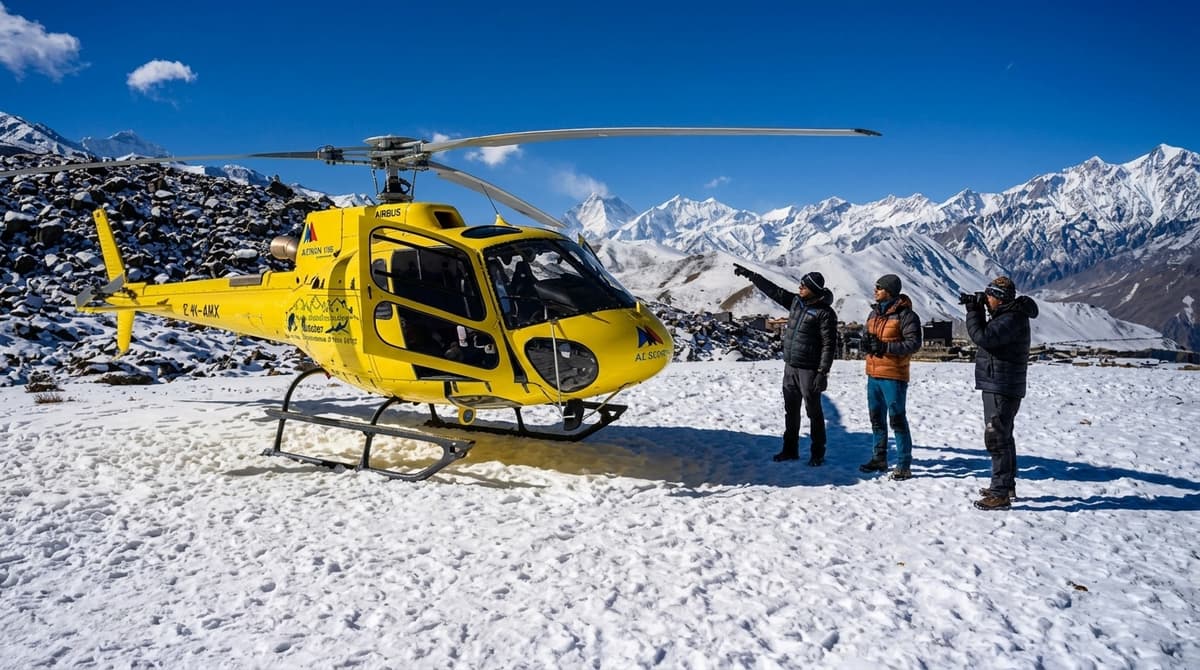
What to Pack for the Pikey Peak Trek
Smart packing can make your trekking experience much more enjoyable. Weather conditions change with altitude, so versatile clothing and essential gear are important.
Essential Clothing
- Moisture-wicking base layers
- Insulating fleece jacket
- Down jacket
- Waterproof shell jacket
- Waterproof trekking pants
- Thermal underwear
- Hiking socks
- Warm gloves
- Wool hat
- Sun hat
Trekking Gear
- Trekking poles
- Backpack (30–40L)
- Ensure that you have a sleeping bag for the season (season-dependent)
- Headlamp
- Water bottles or hydration bladder.
- SUNGLASSES with UV protection.
- Rain cover
- Gaiters (optional)
Personal Items
- Sunscreen
- Lip balm
- Personal medication
- Toiletries
- Wet wipes
- Power bank
- Passport copies
- Travel insurance documents
- Snacks and energy bars
For those who are having their first trip to the Himalayas, you'll find a more comprehensive packing list in What to Pack for Your First Trek, which provides a more detailed checklist, while The Ultimate Packing List for Women While Trekking in Nepal offers additional packing recommendations for female trekkers.
How Fit Do You Need to Be?
No technical climbing is required, but a good level of fitness will enhance the enjoyment of the Pikey Peak Trek!
Training for a few weeks prior to your trip can make a huge difference in making you feel ready.
Recommended preparation includes:
- Walking 5–10 km regularly
- Stair climbing
- Light jogging
- Cycling
- Leg-strengthening exercises
- Core workouts
If you don't know if this trek is the right one for you, check out our guides on How to Choose the Right Trek for Your Fitness Level and Best Treks in Nepal for Beginners so you can compare the different treks.
Flora and Wildlife Along the Trail
The Solu area boasts a wide range of ecosystems, and the Pikey Peak Trek is not just a hike for trekkers, but also for nature lovers.
You will be passing through the following elevations:
- Rhododendron forests
- Pine and fir woodlands
- Alpine meadows
- Bamboo groves
- Mountain grasslands
Commonly seen wildlife are:
- Himalayan Monal (Danphe)
- Musk deer
- Himalayan thar
- Langur monkeys
- Various pheasant species
- Eagles and other birds of prey
For those interested in Nepal's biodiversity, our guide to bird watching in Nepal- where to see the most stunning birds is another must-read.
Experience Authentic Sherpa Culture
The best part of the Pikey Peak Trek is the opportunity to experience the life of the local people in traditional Sherpa villages.
Many villages on the trail have kept their culture and tranquility, as opposed to the more heavily traveled trekking paths.
On the walk you'll see:
- Traditional stone-built homes
- Buddhist monasteries
- Mani walls
- Prayer wheels
- Local festivals (seasonal)
- Sherpa hospitality and cuisine
Respectively engaging with local communities enriches the experience with a cultural element.
Photography Tips for the Pikey Peak Trek
With its vast landscapes and peaceful vibe, Pikey Peak is a photographer's paradise for stunning views of the Himalayas.
To get the best results:
- Arrive at the top of the hill before dawn.
- Bring extra camera batteries – they will lose charge quickly in the cold.
- Use a wide-angle lens to take panoramic pictures of the mountains.
- Add prayer flags, yak caravans or monasteries to compositions to give scale and culture.
- Cover up equipment in the event of unexpected weather changes.
Pikey Peak is one of Nepal's most worthwhile photography destinations, thanks to the golden light of the sunrise and the magnificent view of the Himalayan mountains of Everest.
Responsible Trekking Practices
Maintaining the natural beauty and cultural heritage of the Solu region is everyone's duty.
While trekking:
- Carry a reusable water bottle.
- Avoid single-use plastics.
- Dispose of waste responsibly.
- Stay on designated trails.
- Respect local customs and religious sites.
- Support locally owned teahouses and guides.
For sustainable travelers, you can find more tips on traveling responsibly in Nepal in our article How to Travel Responsibly in Nepal.
Pikey Peak Trek vs Everest Base Camp Trek: Which Trek Is Right for You?
The Pikey Peak Trek and the Everest Base Camp Trek are both great ways to experience the beauty of the Everest region, but they are very different treks.
The decision of which to choose will depend on the amount of time you have, how fit you are, the budget you have, and what you wish to experience in the Himalayas.
For those who want to immerse themselves in the world's highest mountain, the Everest Base Camp Trek is the obvious choice if you want to stand at the base of the world's highest mountain and hike the iconic Khumbu trail.
If you want panoramic views of Everest, a tasteful Sherpa culture, and less noisy trails that do not venture above 5,000 meters, then Pikey Peak is a wonderful choice.
Feature | Pikey Peak Trek | Everest Base Camp Trek |
Duration | 7–9 Days | 12–15 Days |
Highest Altitude | 4,065 m | 5,364 m |
Difficulty | Moderate | Moderately Challenging |
Crowds | Low | High |
Everest Views | Excellent | Excellent |
Cultural Experience | Authentic Sherpa Villages | Sherpa Culture & Khumbu Villages |
Flight Required | Usually No | Usually Yes (Lukla) |
Suitable for Beginners | Yes | Moderate Fitness Required |
For travelers with longer time to spend and wish to experience the classic trip to Everest Base Camp, there is the Everest Base Camp Trek, and for travelers who want to spend an extended trek in the Himalayas, there is the Everest Base Camp Trek with Gokyo, which includes Everest Base Camp and the beautiful Gokyo Lakes and Cho La Pass.
When it comes to choosing the right Everest base camp trek route, our guide on How to Choose the Best Everest Base Camp Trek Route provides a detailed comparison of the most popular Everest trekking routes.
Pikey Peak Trek vs Ghorepani Poon Hill Trek
Ghorepani Poon Hill is one of the popular sunrise viewpoint trek routes and is often compared to Pikey Peak.
They are similar in some ways but vastly different in other aspects of the mountain environment and trekking.
While Pikey Peak has an extensive view of the eastern Himalayas and Everest, Ghorepani Poon Hill is famous for its panoramic views of the Annapurna and Dhaulagiri ranges.
Feature | Pikey Peak Trek | Ghorepani Poon Hill Trek |
| Region | Lower Solukhumbu 4,065 m | Annapurna Region |
| Highest Point | 4,065 m | 3,210 m |
| Main Mountain Views | Everest, Makalu, Kanchenjunga | Annapurna, Dhaulagiri, Machhapuchhre |
| Trek Difficulty | Moderate | Easy to Moderate |
| Trail Crowds | Less Crowded | Popular |
| Best For | Everest View Seekers | First-Time Annapurna Trekkers |
Ghorepani Poon Hill Trek is an ideal option for people looking for an alternative to the most popular sunrise spot in the Annapurna region, Poon Hill. If you're looking for less busy trekking routes in Nepal, you might want to check out our guide on Best Less Crowded Treks in Nepal.
Who Should Choose the Pikey Peak Trek?
This is the perfect trek for those who are looking for a challenging Himalayan journey but don't want one that is too long or too difficult.
This trek is especially recommended for:
- First-time trekkers in Nepal.
- Travelers with one week available.
- Nature and landscape photographers.
- Families with active teenagers.
- Couples seeking a quieter trekking experience.
- Travelers who prefer off-the-beaten-path destinations.
- Visitors wanting Everest views without trekking to Everest Base Camp.
As the trail is not heavily used, it also draws hikers interested in enjoying quiet hiking days and meaningful cultural experiences with local communities.
Expert Tips for a Successful Pikey Peak Trek
With a bit of preparation, you can make trekking a great experience.
Before your trip:
- Begin light fitness training several weeks in advance.
- Pack clothing suitable for changing mountain weather.
- Stay hydrated throughout the trek.
- Trek at a comfortable pace rather than rushing.
- Carry enough cash, as ATMs are unavailable along the route.
- Purchase comprehensive travel insurance that covers trekking.
- Respect local customs, monasteries, and religious sites.
- Support locally owned teahouses whenever possible.
It is also beneficial for many first-time trekkers to read Common Mistakes to Avoid as a First-Time Trekker, where they will find practical information that could lead to a safer and more enjoyable trek.
Final Thoughts
The Pikey Peak Trek is proof that you don't need to make it to Everest Base Camp to experience the majesty of the Himalayas.
It has spectacular sightlines of the sunrise, warm Sherpa hospitality, peaceful forest paths, and a reasonable trek, making it a truly adventurous and authentic trip.
From being the first time in Nepal to visiting for the first time in your life, there's nothing better in the world than the combination of scenery, culture, and accessibility that Pikey Peak offers.
Whether you're looking for a more offbeat trek or a new destination, Pikey Peak remains one of Nepal's hidden gems, offering travelers a unique and rewarding experience.
While you are still deciding on trekking destinations, you might like to read our articles about Best Spring Treks in Nepal, Best Autumn Treks in Nepal, Best Treks Near Kathmandu for Adventure Tour and Trekking in Nepal: Everything You Need to Know to compare the treks and pick the ones that would suit your adventure.
Conclusion
The Pikey Peak Trek is everything that many trekkers want in the Himalayas: a stunning landscape, a culture so rich that it is passed down from generation to generation, quiet trails, and one that isn't a week-long trek.
Each day on the trail is a memorable experience, from the sunrise over Everest to the welcoming teahouses of the local people.
The Pikey Peak Trek is a recommended trek for those seeking a more secluded and scenic route to Everest with opportunities to experience the local Nepalese culture.
If you are well-prepared, know the right time, and have a plan, you will know why this hidden gem is becoming one of the most recommended trekking destinations in Nepal.
Pikey Peak Trek FAQ
1. Facing the Pikey Peak Trek, how tough is it?
The Pikey Peak Trek is a moderate-level hike. The entire walk is about 5-7 hours a day and is easily done by most people with a decent amount of fitness.
2. How many days does the Pikey Peak Trek take?
The length of the trip ranges from 7-9 days, depending on how you plan to travel and the amount of sightseeing you would like to do.
3. At what altitude will the hikes be closest?
The highest point is Pikey Peak (4,065 meters / 13,336 feet).
4. Is there any prior experience needed for trekking?
No. It is desirable to have some prior experience in trekking, but not a prerequisite. The Pikey Peak Trek can be done by many beginners with just basic physical preparation.
5. From Pikey Peak, can I see Mount Everest?
Yes. On bright, clear mornings, the summit provides sweeping vistas of the Great Himalayan range that includes Mount Everest, Lhotse, Makalu, Kanchenjunga, Ama Dablam, Numbur Himal, Gaurishankar and many others.
6. Does Pikey Peak Trek cause altitude sickness?
The risk is low, with a not-to-trimly-come-not-so-too-soon summit of little over 4,000 meters. But trekkers should still rise slowly, drink plenty of fluids, and be aware of the symptoms that occur at higher elevations.
7. What does it take to be allowed to do that?
Some journeys will require a Local Government Area Permit as well as a Gaurishankar Conservation Area Permit on certain routes. It's always best to verify the latest permit requirements before traveling.
8. Do you need a guide?
The regulations may vary however, it is highly recommended that you hire a local guide who has a license. A guide will be able to keep you safe, help you with the logistics, and give you important information about the culture along the way.
9. Do beginners have to undertake Pikey Peak Trek?
Yes. The trek is considered one of the best in Nepal for beginners as far as viewing the Everest is concerned and has a fair amount of fitness required.
10. What is special about Pikey Peak Trek?
Pikey Peak offers you amazing vistas of the Everest range, serene walks, true Sherpa culture, and a shorter trail. Pikey Peak, unlike many of the more popular trails in the Himalayas, offers spectacular views of Everest, peaceful trails, authentic Sherpa culture, and a shorter trail. This mix makes it one of the most worthwhile hidden spots for trekking in Nepal.