Annapurna Circuit Mountain Biking: The Ultimate Two-Wheel Adventure Guide
There are so many indelible memories attached to mountain biking in Nepal, but none more so than the Annapurna Circuit Mountain Biking.
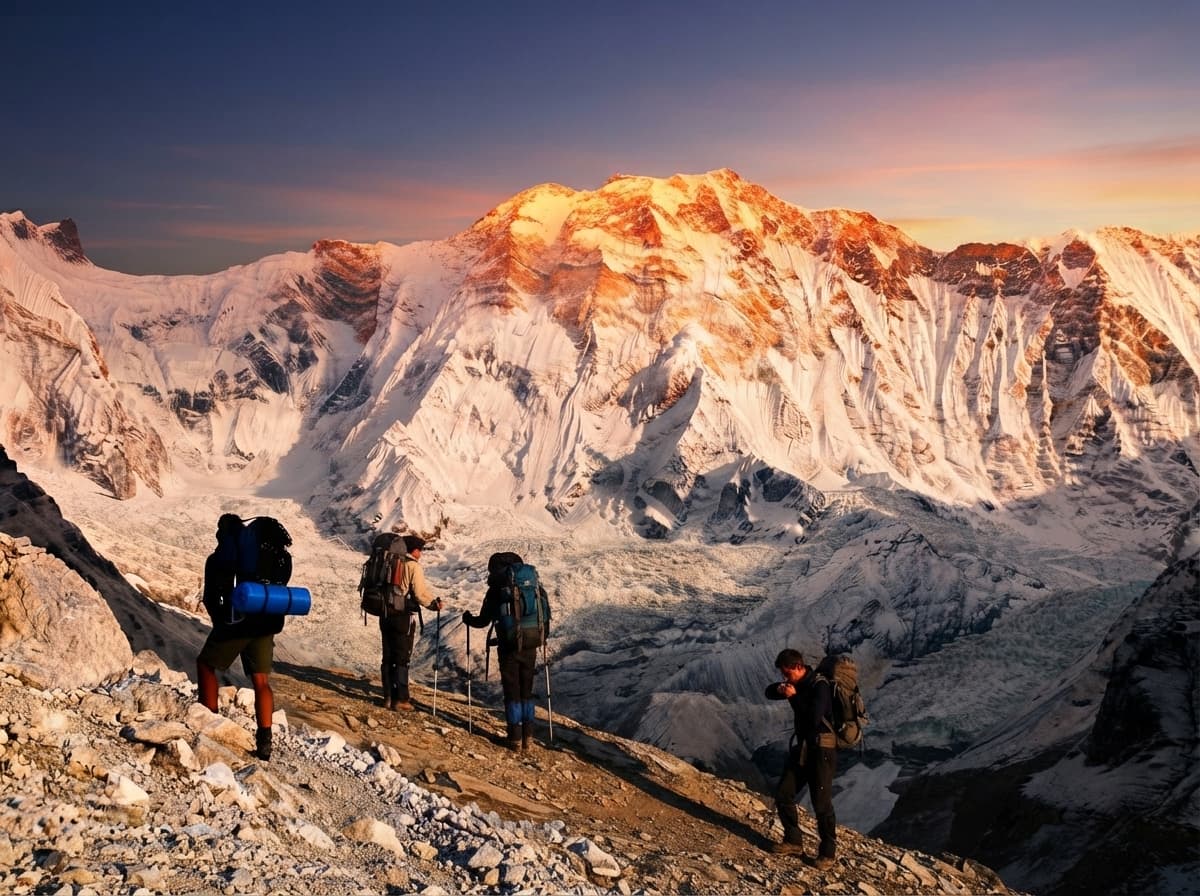
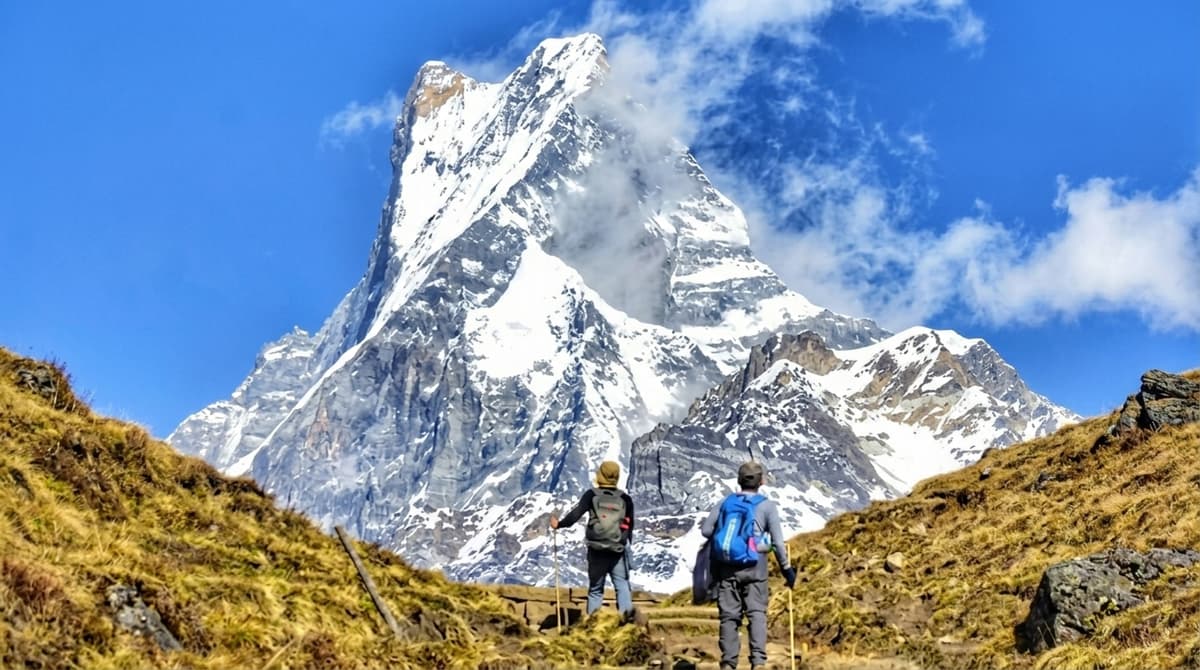
The trip takes you through subtropical valleys, alpine forests, isolated villages influenced by Tibet, and the high desert of Mustang, a ride beyond the scope of most riding vacations.
Mountain biking is different from conventional trekking as it enables you to traverse longer distances as well as experience the culture and landscape of the Annapurna region.
The day offers its challenges, including climbing up on tough jeep tracks, descending technical singletracks, crossing suspension bridges, and a wall of legend that is Thorong La Pass (5,416 m).
From route preparation, level of difficulty, permits, costs, equipment, safety and tips, everything you need to know is covered in this guide for those who have been mountain biking for years and those who are new to it and want to explore Nepal differently.
Want to get a day hiking tour in, however? The Annapurna Circuit Trek package is a traditional trek through the same amazing Himalayan scenery.
Annapurna Circuit Mountain Biking at a Glance
Feature | Details |
Duration | 12–16 Days (14 days recommended) |
Primary Activity | High-altitude mountain biking |
Maximum Elevation | Thorong La Pass (5,416 m) |
Starting Point | Besisahar |
Ending Point | Pokhara |
Total Distance | Approximately 260–320 km |
Daily Riding | 20–50 km |
Difficulty | Challenging to Very Challenging |
Accommodation | Local teahouses and lodges |
Best Seasons | Spring (March–May) & Autumn (September–November) |
Required Permits | ACAP Permit & TIMS (subject to current regulations) |
Suitable For | Intermediate to advanced mountain bikers with good fitness |
Quick Answer
Is Annapurna Circuit Mountain Biking worth it?
Yes. Annapurna Circuit Mountain Biking is regarded as one of the best multi-day mountain biking adventures in the world.
This route offers a mix of technical riding, dramatic Himalayan scenery, rich cultural experiences, and the unforgettable challenge of crossing Thorong La Pass. This is a ride for experienced riders seeking an epic adventure.
Why Choose Annapurna Circuit Mountain Biking?
Many riders say this ride rivals famous mountain bike routes in the Alps, Andes, or Rockies. But the Annapurna Circuit offers something those places don’t: an amazing mix of Himalayan wilderness, centuries-old cultures and one of the world’s biggest elevation changes.
Within two weeks, you'll ride through:
- Dense rhododendron and pine forests
- Traditional Gurung, Manangi, and Thakali villages
- Ancient Buddhist monasteries
- Deep river valleys carved by the Marsyangdi and Kali Gandaki Rivers
- High Himalayan deserts resembling the Tibetan Plateau
- Snow-covered mountain passes
- Apple orchards in Mustang
- Historic trade routes connecting Nepal and Tibet
The route constantly changes, making every riding day feel different from the last.
Highlights of Annapurna Circuit Mountain Biking
Conquer Thorong La Pass (5,416 m)
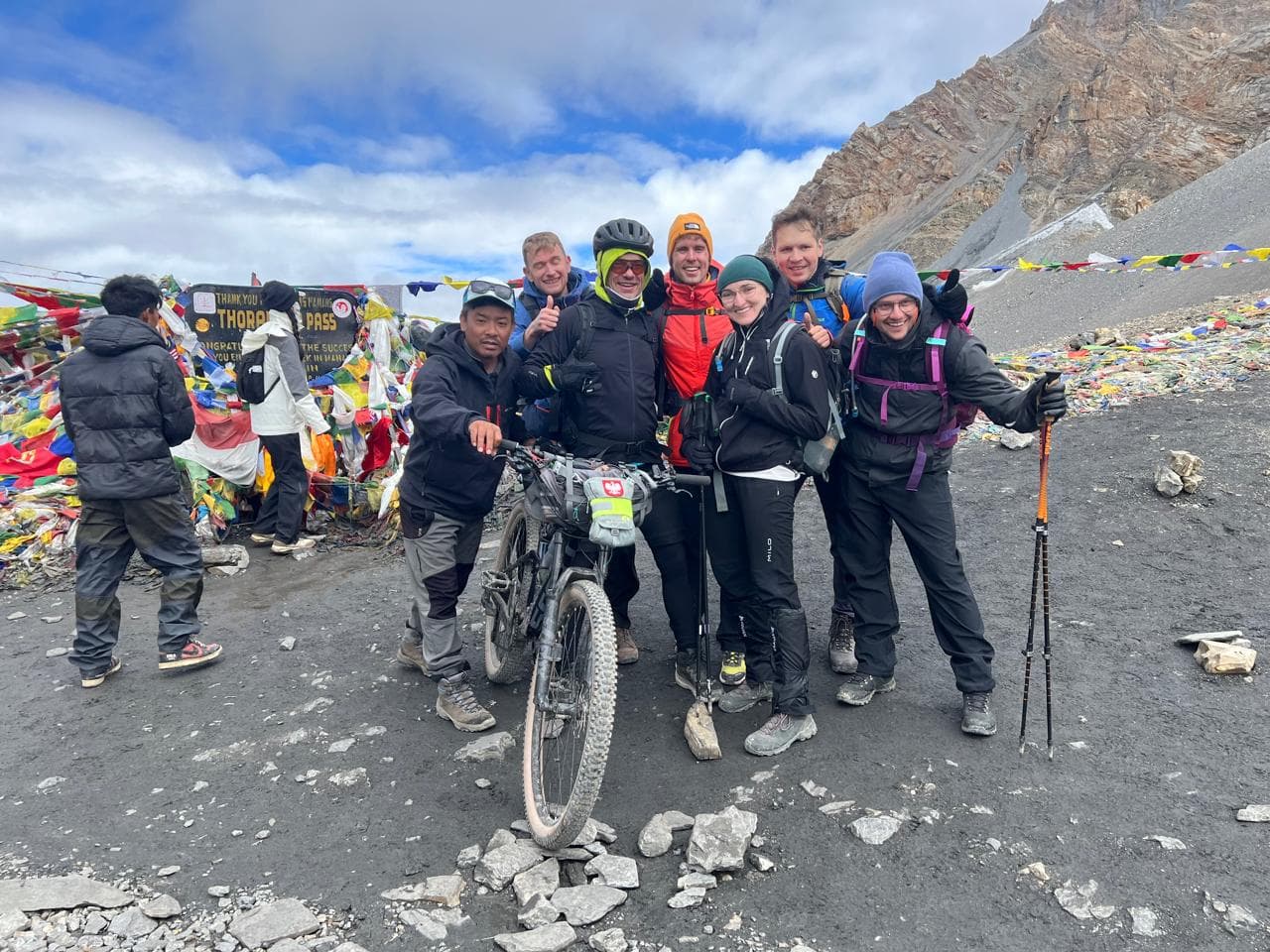
The climax of the adventure is the crossing of Thorong La Pass, one of the highest rideable mountain passes in the world.
The last steep sections are often negotiated by pushing or carrying the bike, but the descent to Muktinath is one of the most exciting mountain biking experiences in Nepal.
Ride Through the World's Deepest Gorge
The road from Mustang to Tatopani climbs through the Kali Gandaki Gorge, often called the deepest in the world, flanked by the dramatic peaks of the Annapurna and Dhaulagiri ranges.
Experience Diverse Cultures
And whatever else might be said for this route, one of its great strengths is its cultural diversity.
As you go up, the architecture, language, food and customs gradually shift from Hindu villages to Tibetan Buddhist settlements.
You will get:
- Prayer wheels
- Colorful monasteries
- Old Man Wall
- Chorten
- Tibetan-type houses
- Local festivals (seasonal)
The cultural experiences are an added layer to the adventure beyond the physical challenge.
Witness Constantly Changing Landscapes
Few biking routes transform so dramatically in such a short distance.
Expect to ride through:
- Rice terraces
- Waterfalls
- Pine forests
- Alpine meadows
- Rocky mountain trails
- High-altitude deserts
- Snow-covered passes
- Wind-carved canyons
Every day brings a completely different environment.
Enjoy Long Himalayan Descents
For many riders, the descents are the highlight of the trip.
Expect:
- Fast jeep tracks
- Technical rocky trails
- Flowing mountain paths
- River crossings
- Switchbacks
- Narrow cliffside routes
The descent from Thorong La toward Muktinath is especially memorable, offering an unforgettable mix of technical terrain and spectacular Himalayan views.
Where Is the Annapurna Circuit Mountain Biking Route?
The Annapurna Circuit is located in the Annapurna Conservation Area, which is the largest protected conservation area in Nepal.
The cycling track traverses the centre of Nepal, through several ecological zones and culturally different communities, around the Annapurna Massif.
From Besisahar, one gradually ascends the Marsyangdi Valley until one arrives at Manang; adequate acclimatisation is required from there on.
Then the trail goes across Thorong La Pass, down into Mustang, then on through Jomsom, Marpha, Tatopani, Beni and Pokhara.
One of the most amazing aspects of the trip is the shift from tropical rainforests to mountains, and on to deserts.
The official Annapurna Conservation Area Project (ACAP) offers information for visitors interested in learning more about the protected area and its conservation programs.
Route Overview
Below is the typical direction followed by most guided Annapurna Circuit mountain biking tours.
Day | Route |
Day 1 | Kathmandu → Besisahar |
Day 2 | Besisahar → Dharapani |
Day 3 | Dharapani → Chame |
Day 4 | Chame → Pisang |
Day 5 | Pisang → Manang |
Day 6 | Acclimatization Day |
Day 7 | Manang → Yak Kharka |
Day 8 | Yak Kharka → Thorong Phedi |
Day 9 | Cross Thorong La Pass → Muktinath |
Day 10 | Muktinath → Marpha |
Day 11 | Marpha → Tatopani |
Day 12 | Tatopani → Beni |
Day 13 | Beni → Pokhara |
Day 14 | Return to Kathmandu |
While this itinerary suits many experienced riders, weather, trail conditions, road construction, and individual fitness can affect daily distances. A flexible schedule leads to a safer and more enjoyable journey.
Is Annapurna Circuit Mountain Biking Right for You?
This adventure is ideal if you:
- Have previous mountain biking experience on rough terrain.
- Can comfortably ride for several consecutive days.
- Want a physically demanding Himalayan adventure.
- Enjoy technical descents and off-road riding.
- Are prepared for high-altitude conditions.
- Appreciate local culture as much as outdoor adventure.
It may not be ideal for complete novices or people without previous off-road cycling experience.
If you are looking for a less demanding ride, shorter biking routes in the Kathmandu Valley or around Pokhara may be more suitable before you try the Annapurna Circuit.
How Does It Compare to the Annapurna Circuit Trek?
While both adventures follow a similar Himalayan corridor, the experiences differ significantly.
Mountain Biking | Trekking |
Covers longer distances daily | Slower, immersive walking pace |
Greater focus on technical riding | Greater focus on hiking |
Requires advanced cycling skills | Requires hiking fitness |
Includes exhilarating descents | More gradual daily elevation gain |
Ideal for adventure cyclists | Ideal for trekkers and first-time Himalayan visitors |
If you're unsure which adventure best matches your interests, comparing the biking route with the Annapurna Circuit Trek itinerary can help you decide based on your fitness level, preferred pace, and travel goals.
Planning Your Adventure
One of the most important aspects of success is preparation when it comes to enjoying the Annapurna Circuit.
Knowing the right time of year, preparing with the right gear, giving sufficient time for acclimatisation and taking into account the conditions of the trail can have a significant impact on safety and enjoyment.
The detailed day-by-day plan includes ride distances, topography, trail conditions, overnight locations, and tips to prepare for each day of the trip.
Detailed Annapurna Circuit Mountain Biking Itinerary (14 Days)
The route outlined here is a 14-day trek, which is a good guide for a fairly even pace for acclimatization, technical riding, and enjoying the cultural highlights of the Annapurna region, although every operator runs this trek at a slightly different pace.
The distances may change daily based on conditions on the trail, weather, and riding skill of the group.
Day 1: Kathmandu to Besisahar
Driving Time: 6–7 Hours
Elevation: 760 m
Your journey starts with a picturesque drive from Kathmandu to Besisahar, where you can enter the Annapurna region.
After the Trishuli River, the Marsyangdi, the road crosses over the terraced hillsides, the rural villages, and the vibrant towns along the road.
Once arrived, check out your bike, make final adjustments, and join your guide for a pre-ride briefing.
Highlights
- Scenic countryside drive
- Bike preparation and safety check
- First overnight in the Annapurna region
Day 2: Besisahar to Dharapani
Distance: 40–45 km
Elevation: 1,960 m
On the first riding day, you will get introduced to rugged jeep tracks, suspension bridges, waterfalls, and regular climbs along the Marsyangdi River.
Slowly pass the subtropical lowlands, and as the forest thickens, mountain vistas will replace the landscape.
There are several technical sections on the trail, but not too many to be a challenge.
Trail Conditions
- Gravel roads
- Rocky jeep tracks
- Moderate climbs
- River crossings
Day 3: Dharapani to Chame
Distance: 30 km
Elevation: 2,670 m
The day's trek takes you through one of the most beautiful forested areas on the Annapurna Circuit. En route to the administrative centre of Manang District, Chame, you'll pass pine trees that tower over the road, cliffs, and waterfalls cascading down the slopes.
The higher you climb, the colder it will get and the better the mountain views.
On a clear day, you'll enjoy spectacular views of Lamjung Himal and Annapurna II.
Highlights
- Dense Himalayan forests
- Traditional stone villages
- Natural hot springs near Chame
- Excellent mountain scenery
Day 4: Chame to Upper Pisang
Distance: 28 km
Elevation: 3,300 m
It's one of the most scenic drives up to higher elevations.
You will come through amazing rock formations, narrow valleys, and sections of single track before reaching Upper Pisang.
The traditional village boasts beautiful views of Annapurna II, Annapurna III, and Pisang Peak.
Today's ride is somewhat easier in the sense that it involves a greater rise, so maintaining a comfortable riding pace is more important than speed.
Expert Tip: Hydrate well and do not overexert on climbs. Saving energy from the outset will save fatigue as you ascend.
Day 5: Upper Pisang to Manang
Distance: 20–25 km
Elevation: 3,540 m
The climb today traverses the higher route to Manang, recommended as the best for scenery and acclimatization.
The trail runs through traditional Tibetan-style villages, mani walls, prayer flags and ancient monasteries.
With the vegetation becoming sparse, the landscape starts to take on the look of a Tibetan plateau.
The big city on the circuit is Manang, which is the main point to acclimatize to before conquering Thorong La Pass.
Highlights
- Braga Monastery
- Himalayan panoramas
- Traditional Buddhist culture
- Spectacular views of Annapurna III and Gangapurna
Day 6: Acclimatization Day in Manang
There is no long-distance riding these days, but it is important to stay active to adjust to the altitude.
Some riders opt to do a short acclimatisation hike or ride to some of the local viewpoints which overlook Gangapurna Lake or the Ice Lake before heading back to Manang.
The extra day makes crossing Thorong La pass much safer.
Recommended Activities
- Short practice ride
- Visit Braga Monastery
- Explore Manang village
- Check bike components
- Rest and hydrate
For those who don't know about the dangers of altitude, reading How to Avoid Altitude Sickness on High Altitude Treks ahead of time will give you practical tips on how to spot symptoms and reduce risk.
Day 7: Manang to Yak Kharka
Distance: 15–18 km
Elevation: 4,050 m
The ride does slow down a bit with thinner air.
Today's goal is to climb slowly and steadily, not to cover great distances.
You will be riding over open lands with good views of snow-capped peaks as well as passing the grazing yaks and traditional summer and winter shelters.
The less oxygen, the easier the technical riding, but the more challenging the climbs.
Day 8: Yak Kharka to Thorong Phedi
Distance: 10–12 km
Elevation: 4,540 m
This is a relatively short stage and is for preparation for tomorrow's crossing to the summit.
The path rises to Thorong Phedi even before you reach Thorong La Pass, the last village to the pass.
Most riders will take a nap in the afternoon, inspecting equipment and ready for an early morning departure.
Preparation Checklist
- Charge electronic devices
- Fill water bottles
- Layer clothing for freezing temperatures
- Inspect brakes and tires
- Pack snacks within easy reach
Day 9: Thorong Phedi to Thorong La Pass to Muktinath
Distance: 20–25 km
Highest Elevation: 5,416 m
This is the momentous day of the Annapurna Circuit Mountain Biking experience.
Most groups start early in the morning before the sun rises to avoid the hustle and bustle and to ensure you have better trail conditions.
Pushing or carrying the bike over steep, rocky areas is often the last ascent up to Thorong La. Nothing unusual, even expert riders don't always ride every meter of the climb.
The colorful prayer flags at the top are a great accomplishment, and there's more to come.
The ride down to Muktinath offers one of the most exciting mountain biking experiences in Nepal, with a mix of technical riding, loose gravel and spectacular mountain scenery.
Safety Note: Weather at Thorong La can change rapidly. Strong winds, snowfall, and poor visibility are common, so always follow your guide's advice regarding departure times and trail conditions.
Day 10: Muktinath to Marpha
Distance: 35–40 km
Elevation: 2,670 m
Now the trail enters into Lower Mustang, which is a vastly different region.
The ride today is made up of wide valleys, wind shaped cliffs and traditional Thakali villages.
The apple orchards in Marpha, its handicrafts of apples and beautifully paved stone streets are popular everywhere in Nepal.
It's an excellent place to relax after crossing the pass.
Don't Miss
- Apple pie
- Local apple cider
- Traditional Thakali cuisine
- Marpha Monastery
Day 11: Marpha to Tatopani
Distance: 40–45 km
The current journey takes the route of the Kali Gandaki Valley, one of the deepest valleys in the world.
As you descend, you can count on quick descents, flowing trails, suspension bridges, and shifting vegetation.
Tatopani literally means "hot water" and is famous for its hot springs.
After several tough days on the trail, many riders appreciate the soothing hot pools to relax tired muscles.
Day 12: Tatopani to Beni
Distance: 35–40 km
The trail then slowly makes its way back to the green hillsides and the warmth of summer.
The trail is less technical than the previous days, providing some more relaxed riding options, and passing through the traditional villages and terraced farmland.
Day 13: Beni to Pokhara
Riders are transferred to Pokhara by vehicle by the majority of operators, although for certain sections, under good conditions and with a suitable itinerary, riders can ride to Pokhara.
On arriving in Pokhara, many cyclists celebrate the end of their journey next to Phewa Lake.
For those with more time to spend in the city, try the 12 Things to Do in Pokhara tour, offering an opportunity to enjoy cultural attractions, lakeside activities and adventure pursuits to complement your biking holiday.
Day 14: Back to Kathmandu
Once you have finished the drive or short domestic flight, you will be back in Kathmandu.
A large number of travellers opt to make the most of their time in the country by taking up some form of cultural tour or another trek.
If you are looking for something to do in Nepal outside the mountains, then the Kathmandu Pokhara Tour is a perfect choice for you.
How Difficult Is Annapurna Circuit Mountain Biking?
Annapurna Circuit Mountain Biking is rated as a very challenging to challenging trek. The road includes challenging terrain, elevation, strenuous days on the grind and unpredictable mountain weather.
Whereas at lower elevations, cycling trails are physically fitness-oriented, this isn't the case here. Riders must also have good bike-handling abilities, stamina, and the flexibility to ride on different surfaces.
Ideal for:
- Intermediate to advanced mountain bikers
- Multi-day adventure cyclists
- Riders comfortable on rocky and uneven trails
Not recommended for:
- Complete beginners
- Riders without off-road experience
- Travelers with limited high-altitude preparation
Altitude and Acclimatisation
One of the largest difficulties on this hike is the altitude. At higher elevations (above 3000m), oxygen levels are significantly reduced, and even moderate climbs can be more challenging.
A slow rise in elevation, plus one acclimatisation day in Manang, will significantly decrease the possibility of altitude sickness.
Common symptoms include:
- Headache
- Loss of appetite
- Fatigue
- Nausea
- Difficulty sleeping
Do not delay treatment for chronic symptoms. If symptoms get worse, the best thing to do is to go to a lower altitude.
The blog Altitude Acclimatisation for Trekking is a great resource to read before you embark on your trek, as it delves deeper into safe altitude practices.
Best Time for Annapurna Circuit Mountain Biking
Choosing the right season has a major impact on trail conditions, mountain visibility, and overall riding experience.
Season | Conditions | Recommendation |
| Spring (March–May) | Blooming rhododendrons, stable weather, comfortable temperatures | Best |
| Autumn (September–November) | Clear skies, dry trails, excellent mountain views | Best |
| Winter (December–February) | Heavy snowfall may close Thorong La Pass | Suitable only for experienced riders with flexible plans |
| Monsoon (June–August) | Muddy trails, landslides, poor visibility in lower elevations | Generally not recommended |
If you're unsure when to visit Nepal, When is the Best Time to Visit Nepal provides seasonal insights that also apply to mountain biking adventures.
Accommodation and Food Along the Route
Accommodation is mostly in family-run teahouses and mountain lodges. The rooms are generally basic but comfortable, featuring twin beds, blankets, and usually shared bathrooms.
Meals are energy-rich local and international dishes for active travelers.
Common meals include:
- Dal Bhat (traditional Nepali meal)
- Fried rice
- Noodles
- Tibetan bread
- Pancakes
- Eggs
- Pasta
- Momos
- Soups
- Apple pie in Mustang
As altitude increases, menu prices rise because supplies are transported by porters, mules, or vehicles over challenging terrain.
Permits Required for Annapurna Circuit Mountain Biking
You will need to secure the necessary permits to enter the Annapurna Conservation Area before you start your adventure. These permits contribute to conservation, trail maintenance, and sustainable tourism in the region.
Annapurna Conservation Area Permit (ACAP)
All foreign visitors entering the Annapurna region must purchase the Annapurna Conservation Area Permit (ACAP).
It supports the financing of environmental conservation and community-based tourism projects in the vicinity of the protected area.
If you'd like to learn more about the area's biodiversity, wildlife, and conservation efforts, read Explore Annapurna Conservation Area before your trip.
TIMS Card
Depending on the latest trekking regulations and whether you are travelling independently or with a registered guide, you may also need a Trekkers Information Management System (TIMS) card. Permit policies can and do change, so check the latest requirements before you leave.
For the latest information about permits, please visit the official websites of Nepal Tourism Board (NTB) and the Annapurna Conservation Area Project (ACAP).
Permit | Required | Purpose |
| Annapurna Conservation Area Permit (ACAP) | Yes | Conservation and park entry |
| TIMS Card | Depends on current regulations | Trekker registration and safety |
Note: Permit requirements may change. Always confirm the latest regulations before traveling.
How Much Does Annapurna Circuit Mountain Biking Cost?
The overall cost depends on many factors, including the size of your group, your travel style, whether you are renting bikes, guide services, your accommodation preferences, and whether you are joining a guided tour or organizing the trip yourself.
Here’s a general estimate for a guided 14-day mountain biking adventure.
Expense | Estimated Cost (USD) |
Permits | $40–60 |
Accommodation | $180–300 |
Meals | $200–350 |
Mountain Bike Rental | $250–500 |
Guide & Support Crew | $350–700 |
Transportation | $100–250 |
Miscellaneous Expenses | $100–200 |
Estimated Total | $1,300–2,300+ |
A guided package often offers better value as it includes logistics, accommodation, permits, transportation, mechanical support, and experienced local guides.
Annapurna Circuit Mountain Biking itinerary is a hassle-free, all-inclusive choice for cyclists who prefer a professionally organized trip, and if you are comparing adventure tour packages.
Choosing the Right Mountain Bike
Your bike makes a big difference to the overall experience. The Annapurna Circuit involves rough jeep tracks, loose rocks, steep climbs, technical descents, and river crossings, so the right setup is a must.
Recommended Bike Type
This trail is best enjoyed on a modern, hardtail or full suspension mountain bike with good quality hydraulic disc brakes.
Recommended Specifications
- 29-inch or 27.5-inch wheels
- Hydraulic disc brakes
- Front suspension (minimum 120 mm)
- Tubeless tires with aggressive tread
- Wide gear range for steep climbs
- Dropper seat post (recommended)
- Reliable drivetrain
A lightweight cross-country bike may perform well on smoother sections but can feel less comfortable on rocky descents.
Essential Mountain Biking Gear
Bringing the right equipment improves comfort, efficiency, and safety throughout the ride.
Riding Equipment
- Certified mountain biking helmet
- Cycling gloves
- Protective eyewear
- Knee pads
- Elbow guards (recommended)
- Cycling shoes with good grip
- Hydration pack
- Multi-tool
- Mini pump
- Spare tubes
- Tire repair kit
- Chain lubricant
- Bike lock
Clothing
Mountain weather changes quickly, so dressing in layers is the best approach.
Pack:
- Moisture-wicking base layers
- Cycling shorts
- Riding jersey
- Insulated jacket
- Waterproof shell
- Warm gloves
- Thermal hat
- Neck gaiter
- Extra socks
- Casual clothes for evenings
Complete Packing List
Packing efficiently helps reduce unnecessary weight while ensuring you're prepared for changing weather and trail conditions.
Category | Items |
Documents | Passport, permits, insurance, cash |
Electronics | Phone, charger, power bank, camera |
Bike Gear | Helmet, gloves, repair kit, spare tubes |
Clothing | Layered riding clothes, rain jacket, down jacket |
Health | Personal medication, sunscreen, lip balm, first aid kit |
Accessories | Water bottles, sunglasses, trekking poles (optional), snacks |
For a more comprehensive checklist, the blog What to Pack for Your First Trek includes many essential items that are equally useful for high-altitude mountain biking adventures.
Fitness Preparation
Although strong cycling skills are important, endurance and cardiovascular fitness are equally critical.
Ideally, begin training at least two to three months before your trip.
A balanced training plan should include:
- Long-distance cycling
- Hill climbing
- Interval training
- Strength workouts
- Core exercises
- Flexibility and mobility sessions
If possible, practice riding on rocky trails and uneven terrain to improve technical confidence before arriving in Nepal.
Safety Tips for Annapurna Circuit Mountain Biking
Mountain biking above 5,000 meters requires careful preparation and good decision-making.
Follow these practical safety recommendations throughout your journey.
Ride Within Your Ability
Technical descents can be exciting, but riding beyond your skill level increases the risk of accidents. It's always acceptable to walk difficult sections.
Stay Hydrated
High altitude increases fluid loss even in cool temperatures. Drink regularly throughout the day rather than waiting until you feel thirsty.
Respect Altitude
Never ignore symptoms such as severe headache, dizziness, nausea, or unusual fatigue. These may indicate altitude sickness and require immediate attention.
For additional guidance, read How to Avoid Altitude Sickness on High Altitude Treks before your trip.
Check Your Bike Daily
Inspect your:
- Tire pressure
- Brakes
- Suspension
- Chain
- Bolts
- Gear shifting
A quick inspection each morning can prevent mechanical problems later in the day.
Purchase Comprehensive Travel Insurance
Ensure your policy specifically covers:
- Mountain biking
- High-altitude activities above 5,000 meters
- Emergency helicopter evacuation
- Medical treatment
- Trip interruption
Responsible Mountain Biking
The Annapurna region is both a protected conservation area and home to diverse local communities. Responsible travel helps preserve its natural beauty and cultural heritage.
Follow these simple principles:
- Stay on established trails.
- Carry reusable water bottles.
- Dispose of waste responsibly.
- Respect local customs and religious sites.
- Support locally owned teahouses and businesses.
- Avoid disturbing wildlife.
- Minimize single-use plastics.
If sustainable travel is important to you, the article How to Travel Responsibly in Nepal: A Guide to Sustainable Tourism offers practical advice for reducing your environmental impact while supporting local communities.
Photography Tips
The Annapurna Circuit offers endless photography opportunities, from dramatic Himalayan peaks to traditional mountain villages.
For the best results:
- Photograph during sunrise and sunset for softer light.
- Carry spare camera batteries, as cold weather drains power quickly.
- Protect electronics from dust and moisture.
- Include local culture, monasteries, and daily village life—not just mountain landscapes.
- Use a wide-angle lens to capture expansive Himalayan scenery.
Remember to ask permission before photographing local people, especially monks and residents in remote villages.
Annapurna Circuit Mountain Biking vs Other Nepal Mountain Biking Routes
Choosing the right biking adventure depends on your experience, fitness, and travel goals.
Route | Duration | Difficulty | Highest Elevation | Best For |
Annapurna Circuit Mountain Biking | 14 Days | Challenging | 5,416 m | Experienced riders seeking a classic Himalayan adventure |
Upper Mustang Mountain Biking | 14 Days | Challenging | 4,250 m | Remote landscapes and Tibetan culture |
Lower Mustang Mountain Biking | 10 Days | Moderate, Challenging | 3,800 m | Intermediate riders looking for shorter adventures |
Pikey Peak Mountain Biking | 10 Days | Moderate | 4,065 m | Scenic riding with panoramic Everest views |
If you're still deciding which adventure suits you best, the blog Best Trails for Mountain Biking in Nepal compares several of Nepal's top biking destinations, helping you choose a route that matches your riding style and experience level.
Who Should Choose Annapurna Circuit Mountain Biking?
Annapurna Circuit Mountain Biking is not just another cycling trip, but a challenging trek through the Himalayas complete with technical riding, high altitude, and cultural experiences.
The rewards are incredible, but the road is best ridden by the rider who is mentally tough enough to take on the physical and environmental stresses.
This adventure is suitable for:
- Intermediate to advanced mountain bikers with off-road experience
- Adventure travelers looking for a multi-day Himalayan expedition
- Cyclists comfortable riding on rocky jeep tracks and technical descents
- Travelers with good physical fitness and endurance
- Riders interested in experiencing local culture alongside outdoor adventure
- Those seeking an alternative to the traditional Annapurna Circuit Trek
Not ideal for those who are new to mountain biking or traveling without any experience. For beginners, if you want to experience the riding adventure in Nepal, then try to have a shorter trek like Lower Mustang Mountain Biking or One Day Nagarkot Mountain Biking before doing the Annapurna Circuit.
Conclusion
Annapurna Circuit Mountain Biking is not just a ride on a bike, it's an adventure experience in the Himalayas that is one of the most fulfilling.
In two weeks, you will travel through green river valleys, forests, traditional mountain villages, and through high-altitude deserts and across the iconic Thorong La Pass.
Each stage presents a different view of the landscapes, cultures, and mountain heritage of Nepal.
It's a trip that requires planning, perseverance, and appreciation of the mountains, but the experience is really memorable.
From technical descents to spending the evenings and nights in local teahouses with families in the Himalayas, you will be able to come and see what few cycling places have to offer these days.
The Annapurna Circuit Mountain Biking package is a must-have for anyone seeking a thrilling and immersive mountain biking experience in Nepal, where they can enjoy stunning scenery, cultural activities, and physical exertion.
Be sure to plan carefully, select the appropriate time of year, and travel responsibly before booking a trip. Preserving the local community and environment of the Himalayas is vital to safeguarding this extraordinary path for years to come.
Frequently Asked Questions (FAQs)
1: Is Annapurna Circuit Mountain Biking for beginners?
No. The route is good for intermediate to advanced riders, on account of its technical terrain, high elevation, and steep climbs.
2. How many days does it take to complete the Annapurna Circuit Mountain Biking?
The average rider takes 12-16 days to complete the circuit, and 14 days is sufficient for riders to acclimatise themselves and enjoy the ride.
3. What is the maximum height on the path?
The highest is Thorong La Pass (5,416 m / 17,769 ft), one of the highest mountain passes in the world where mountain biking is allowed.
4. Is it necessary for me to have a guide?
Licensed, local guides are strongly recommended, although the trip can be arranged by experienced riders. A guide can offer route knowledge, support and advice on permits, and can be helpful in providing local knowledge, which enhances overall safety.
5. Is it possible to hire a mountain bike in Nepal?
Yes. In Kathmandu and Pokhara, there are mountain bikes available for hire, both with and without suspension. Reputable tour operators can also arrange for you to hire a bike as part of a tour package.
6. When is the best time to do Annapurna Circuit Mountain Biking?
The best seasons are:
Spring (March-May), for mild weather and for rhododendron forests to bloom.
Fall (September through November) for bright skies and dry trails, and superb mountain views.
These months are generally the safest to ride and are the best-weathered.
7. Will it be a problem if you go up high?
Yes. The road goes up to 5,416 metres, and it's a real possibility of getting altitude sickness. For a safe trip, acclimatisation, adequate hydration and following the advice of your guide are all important.
8. What type of mountain bike is recommended?
The terrain is quite varied, and a mountain bike with hydraulic disc brakes, front suspension and low climbing gears is recommended.
9. What will be provided for people during the journey?
The majority of riders remain in the locally run teahouses and mountain lodges. The rooms are rather basic but comfortable, and the dining halls prepare the local Nepali, Tibetan, and international dishes.
10. Can I combine mountain biking with other Nepal adventures?
Absolutely. Many travelers extend their trip by exploring Pokhara, joining a trekking route, or taking a cultural tour around Kathmandu. If you have extra time, the Kathmandu Pokhara Tour is an excellent way to experience two of Nepal's most popular destinations after your biking adventure.