Kanchenjunga Base Camp Trek: The Ultimate 2026 Guide
The Kanchenjunga Base Camp Trek is one of the most remote and rewarding Himalayan treks in Nepal, which takes trekkers to the wild eastern border of Nepal.
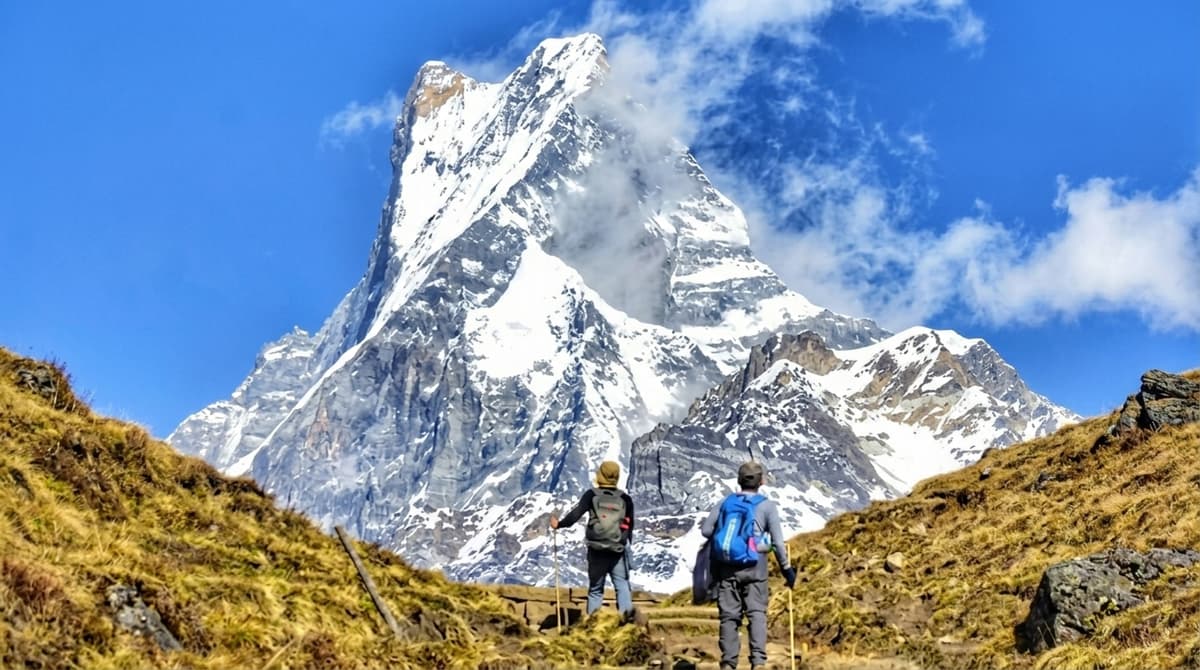
At 8,586m, Mount Kanchenjunga is the third-highest peak in the world, and its trails are not as crowded as those of other iconic peaks. This hike will immerse you in a natural environment that has yet to be touched and shaped.
Unlike more commercial routes such as the Everest Base Camp Trek or the Annapurna Base Camp Trek, the Kanchenjunga Trek is solitary, challenging, and authentic in the wilderness.
Foggy and serene, this trek is perfect for the more adventurous and will be best enjoyed under the management and guidance of the Kanchenjunga Conservation Area.
Since 1983, Mountain Adventure Trekking Nepal (MAT Nepal) has been guiding trips to remote areas of the Himalaya Mountains with a focus on safety and meaningfulness.
In this guide, you'll find all you could want to know about Kanchenjunga Base Camp Trek 2026, from a detailed itinerary, difficulty level, permits and cost, best seasons, what to pack, and more, and how it can help you prepare for this fantastic trek.
Why Choose the Kanchenjunga Base Camp Trek?
The Kanchenjunga Base Camp Trek is much more than a trek, it is a true experience of one of the least explored corners of the Himalayas.
The uniqueness of this is that you can visit the base camp of the North Pangpema (5,143m) and the base camp of the South Oktang (4,730m) and experience two different views of the same towering mass of mountains.
This area is located in the Kanchenjunga Conservation Area, which was inscribed by UNESCO in 1997 as a ‘Gift to the Earth'.
It supports rare species like snow leopard, red panda, Himalayan black bear and Himalayan tahr, and more than 200 species of birds. This is a one-of-a-kind trip for nature lovers.
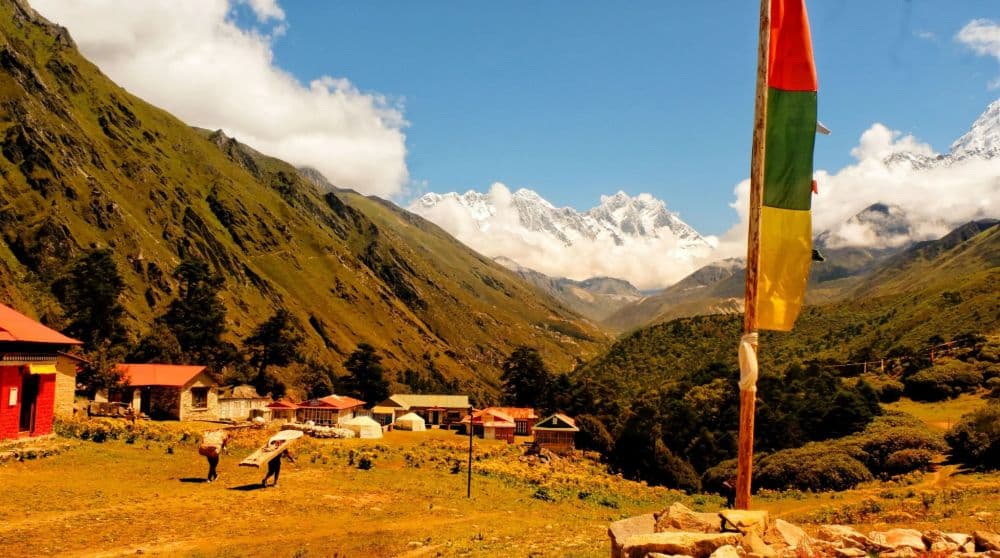
Culturally, the trail snakes through villages of Rai, Limbu, Sherpa and Tibetan influence where traditional life prevails in the mountains.
The scenery changes drastically from tropical forests to rhododendron-clad hills and finally to spectacular glacial valleys.
The busier routes will have people there from time to time, but this is more of a wilderness experience, and you will seldom see anyone here.
Kanchenjunga is even more remote and challenging than the Manaslu Circuit Trek, and is only for those who are looking for pure adventure and isolation.
Trek Overview: Key Facts at a Glance
The Kanchenjunga Base Camp Trek is a long and challenging expedition into eastern Nepal’s high mountains.
| Category | Details |
| Start/End Point | Taplejung (via Bhadrapur flight or Suketar) |
| Duration | 18–24 days |
| Maximum Altitude | 5,143m (Pangpema) |
| Difficulty | Strenuous / Challenging |
| Trek Style | Teahouse with occasional camping |
| Total Distance | ~220 km |
| Managed By | Kanchenjunga Conservation Area Project (KCAP) |
| Permits Required | TIMS, Conservation Area Permit, Restricted Area Permit |
This trek is ideal for seasoned trekkers who are comfortable with long walking days, high altitude, and limited infrastructure.
Day-by-Day Itinerary
The Kanchenjunga Base Camp Trek 2026 starts with an absolutely beautiful flight to the east and then an extended trek across the hills on land in Taplejung.
From there, the journey slowly winds through one of the most remote trekking areas in the Himalayas.
Day 1: Fly to Bhadrapur and drive to Taplejung from here. The trip moves from the hustle and bustle of the capital to the serene hills in the east.
Day 2: Trek from Sekathum and drive onwards. The trail starts right away in the rich river valleys and suspension bridges.
Day 3: Hike to Amjilosa (2498m) via waterfalls and through rich forest.
Day 4: Amjilosa to Gyabla (2,730m), a peaceful settlement surrounded by greenery.
Day 5: Gyabla to Ghunsa (3,595m), a lovely Sherpa village which is the gateway to the Kanchenjunga region. Acclimatisation begins.
Day 6: Rest day in Ghunsa for acclimatisation and sightseeing.
Day 7: Ghunsa to Kambachen (4,050m) with spectacular mountain views and rough terrain.
Day 8: Kambachen to Lhonak (4,780m), passing through alpine scenery and glacial valleys.
Day 9: Lhonak to Pangpema (5143m) & back. This is the most important one – North Base Camp at the base of the giant Kanchenjunga massif.
Day 10: Back to Ghunsa for rest and recovery.
Day 11: Cross Sele La Pass or Sinelapcha La to reach Tseram (3870m), in the southern valley.
Day 12: Trek to Ramche and then to Oktang South Base Camp (4730m), which provides a totally different perspective of the mountain.
Day 13 to 15: Slowly down to Taplejung through Tortong, Yamphudin and Khebang.
Day 16: Drive and fly back to Kathmandu.
MAT Nepal may add an acclimatisation day if required based on fitness, weather, and group needs to ensure safety and success on this challenging trek.
Permits Required for Kanchenjunga Trek 2026
The Kanchenjunga Base Camp Trek is a restricted trek and is protected, so permits need to be obtained to complete the trek.
Around USD $20, this card is available and is a helpful way to track trekkers for safety. Also, the Kanchenjunga Conservation Area Entry Permit is priced around NPR 3,000, thus contributing to the conservation of the area.
There is also a Restricted Area Permit (RAP) which costs USD $10 per week. This is a strictly controlled area, and must be visited by two trekkers with an authorised Nepali guide.
Nepal Tourism Board rules do not permit independent trekking in areas deemed restricted areas, such as Kanchenjunga.
The detailed permit system is explained in Trekking Permits and Fees in Nepal. Kanchenjunga is also part of Nepal's restricted trekking zones, explained here:
MAT Nepal takes care of all permission arrangements, adhering to legal and safety standards and ensuring a hassle-free trekking experience for the clients.
Best Time for Kanchenjunga Base Camp Trek
| Season | Condition | Suitability |
| Spring (Mar–May) | Rhododendrons, clear skies | Best |
| Autumn (Sep–Nov) | Stable weather, visibility | Best |
| Winter (Dec–Feb) | Heavy snow, extreme cold | Difficult |
| Monsoon (Jun–Aug) | Rain, landslides | Not recommended |
For full seasonal planning, refer to Best Time for Trekking in Nepal.
Difficulty Level: How Hard Is the Kanchenjunga Trek?
The Kanchenjunga Base Camp Trek is a challenging trek and is recommended for the advanced trekker. The maximum height is attained at Pangpema with 5,143 meters, which creates a high-altitude sickness risk.
The trek is through remote and rugged terrain and will require 6 to 8 hours of walking a day. In some parts, teahouse facilities are limited, or there are none, and the camp is supported in some instances.
Headaches, nausea, and fatigue are common symptoms of altitude sickness above 3,500 metres. Acclimatisation is very important. For more information on altitude hazards, please visit the Wilderness Medical Society.
It is recommended to have experience in trekking trips such as Everest Base Camp or Manaslu before trekking Kanchenjunga.
Kanchenjunga Trek Cost 2026
The price of Kanchenjunga Base Camp Trek can vary based on the service level and number of participants in the group.
A budget trip ranges from USD $1,800 to $2,500, which includes basic teahouse stay and basic services.
Mid-range packages are priced between $2,500 and $3,500 and provide a higher level of logistics and comfort. A guided trek that is luxury or private can cost over $3,500.
The various elements of a MAT Nepal package typically involve the airport transfers, domestic airfares, permits, guided tours, porters, accommodation, food while on the trek, and emergency coordination. But this does not include international travel, travel insurance, personal items, or tips.
Essential Packing List
- Clothing & Layers: Thermal base layers, fleece jacket, down jacket, waterproof shell
- Footwear: High-ankle trekking boots, camp shoes, wool socks
- Gear: Sleeping bag (4-season), trekking poles, headlamp, backpack
- Health & Safety: First aid kit, Diamox, sunscreen SPF 50+, water purification tablets
- Documents: Passport, permits, travel insurance
- Extras: Power bank, snacks, sunglasses, gloves
Accommodation & Food on the Trail
The lodging during the Kanchenjunga Base Camp Trek is simple, yet efficient. Teahouses can be found in the major stops of Ghunsa, Kambachen, Lhonak, and Tseram. As the elevation increases, the services are more restricted, and rooms are shared.
Food is simple and plentiful. Don't be surprised if you eat dal bhat, noodles, momos, porridge, and eggs.
In remote villages, electricity is unreliable, so it's advisable to take a solar charger or power bank with you.
Mobile network coverage is extremely limited, allowing trekkers to fully disconnect and experience the wilderness.
Kanchenjunga vs Everest Base Camp vs Annapurna Base Camp
| Feature | Kanchenjunga | Everest Base Camp | Annapurna Base Camp |
| Crowd | Very low | High | Medium |
| Difficulty | Very high | Moderate | Moderate |
| Scenery | Wild & remote | Iconic | Moderate |
| Cost | High | High | Medium |
| Experience | Expedition style | Popular trek | Balanced trek |
Why Book Kanchenjunga Trek with Mountain Adventure Nepal?
Since 1983, in operation, with more than 40 years of guiding experience in the Himalayas, Mountain Adventure Trekking Nepal (MAT Nepal) is a trustworthy organisation.
MAT Nepal is a government-registered and member agency of the TAAN/NMA that guarantees safety, professionalism and genuine trekking experiences.
They are also well-trained with local guides and know the region well, which ensures safe and reliable journeys even in remote areas. All packages are fully customizable depending on group size, fitness level and preference.
Also, MAT Nepal provides clear pricing without hidden charges and provides immediate assistance at any time.
Do a tour of all the trekking packages in Nepal or make a trek with technical climbing like Island Peak Climbing.
Conclusion
Kanchenjunga Base Camp Trek is one of the most potent and pristine trekking experiences in Nepal.
It is a unique experience of raw beauty, cultural richness and serious adventure in one single trek. It's a great option for trekkers looking for a less-travelled route in 2026.
Since 1983, MAT Nepal has been helping travellers for over a decade to make their trip safe and well-organised while at the same time bringing a lot of joy to them.
Are you ready to trek in Kanchenjunga 2026? Give MAT Nepal a call for a personalised tour and quotation.
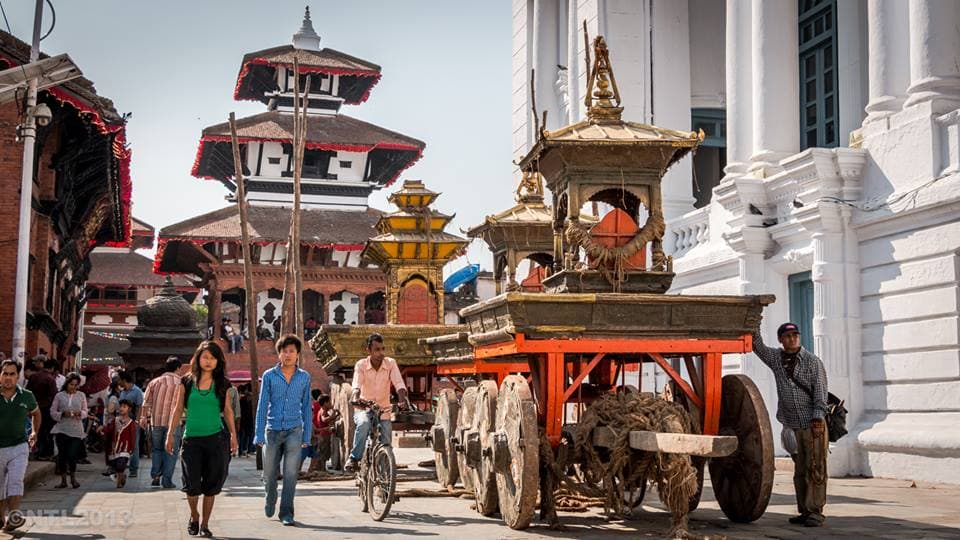
You can also get to know the culture of Nepal before embarking on your adventure, with a Kathmandu Sightseeing Tour, and experience the cultural heritage that makes Nepal truly unique.
Frequently Asked Questions
Do I need a guide for the Kanchenjunga Base Camp Trek?
Yes, it is mandatory to have a licensed guide and at least two trekkers due to restricted area regulations.
How far is the journey?
Generally takes 18-22 days based on acclimatisation and route.
What is the maximum elevation?
It is located at Pangpema North Base Camp, which is at 5143m.
Is it more difficult than EBC?
Yes, because it is very remote, has a long duration and is less well equipped.
What permits are required?
TIMS, Conservation Area Permit, and Restricted Area Permit - all arranged by MAT Nepal.