Is Mardi Himal Trek Difficult? What the Hardest Days Are Really Like
One of the most popular trekking routes in Nepal, the Mardi Himal trek is generally considered to be of a moderate level of difficulty. Not a technical climb, but it can be challenging for the unprepared trekkers due to steep stone-step ascents, high altitude, uneven trail, changeable weather, and several long walking days.
If you're a beginner and have a decent fitness level, you should be able to do it comfortably, but the level of difficulty is not even distributed throughout the hike; knowing which days are hard or not changes how you approach it.
This guide explains how difficult Mardi Himal is, when it is the really hard days, how much fitness is really required, and how to modify the trek without compromising on safety.
What Is the Level of Difficulty of The Mardi Himal Trek?
How tough is the Mardi Himal Trek? In the trekking difficulty scale of Nepal, Mardi Himal Trek is rated as easy to moderate to moderate. It is walking for 4-6 hours a day on stone steps, forest trails and rocky ridgeline, up to an elevation of approximately 4,500 m. No technical climbing, but there is certainly more of a challenge than a short day hike due to the altitude, steepness and back to back walking days.
The word "moderate" can lead one to believe that Mardi Himal is a moderate level of difficulty; however, this is not exactly accurate. This is not as easy as Ghorepani–Poon Hill, but definitely not as strenuous as Everest Base Camp or Annapurna Circuit. Some factors are what make it difficult for most healthy adults who walk or hike regularly to complete it, but these are the factors:
- Overall difficulty: Moderate, non-technical.
- Average walking time per day: 4 – 6 hours, some days 5 – 7 hours.
- Distance: Approx 32-45 km from Kande, or Phedi, depending on the route taken.
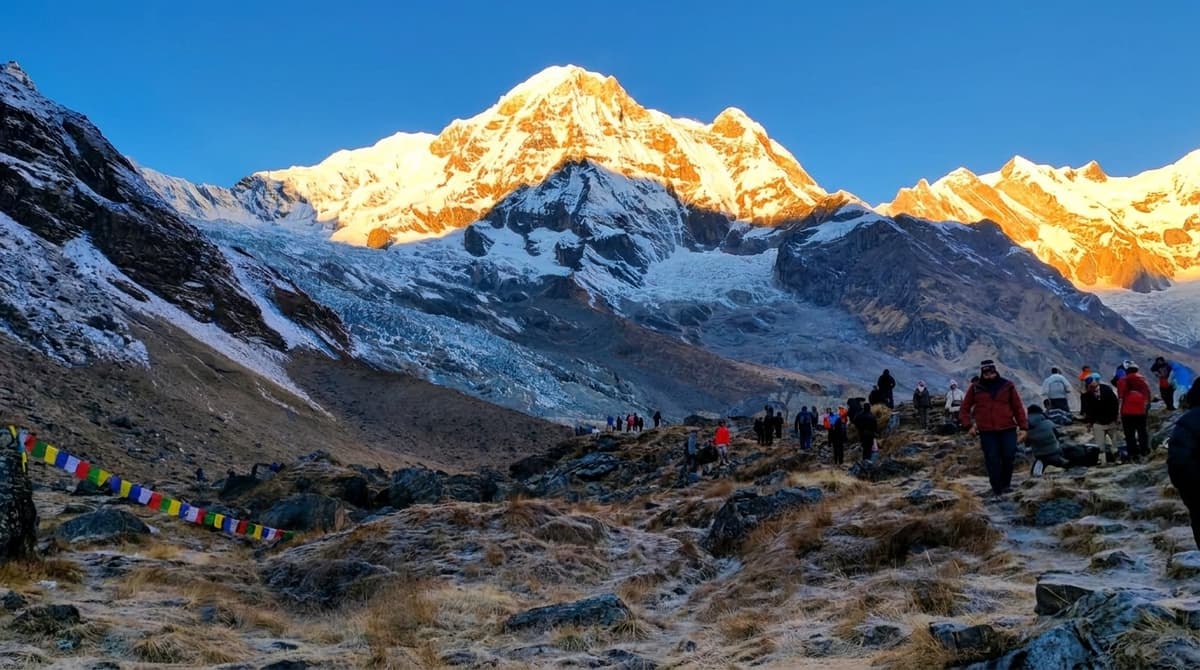
- Highest point: Mardi Himal Base Camp at around 4500m (some itineraries may venture into a viewpoint at 4200-4500m).
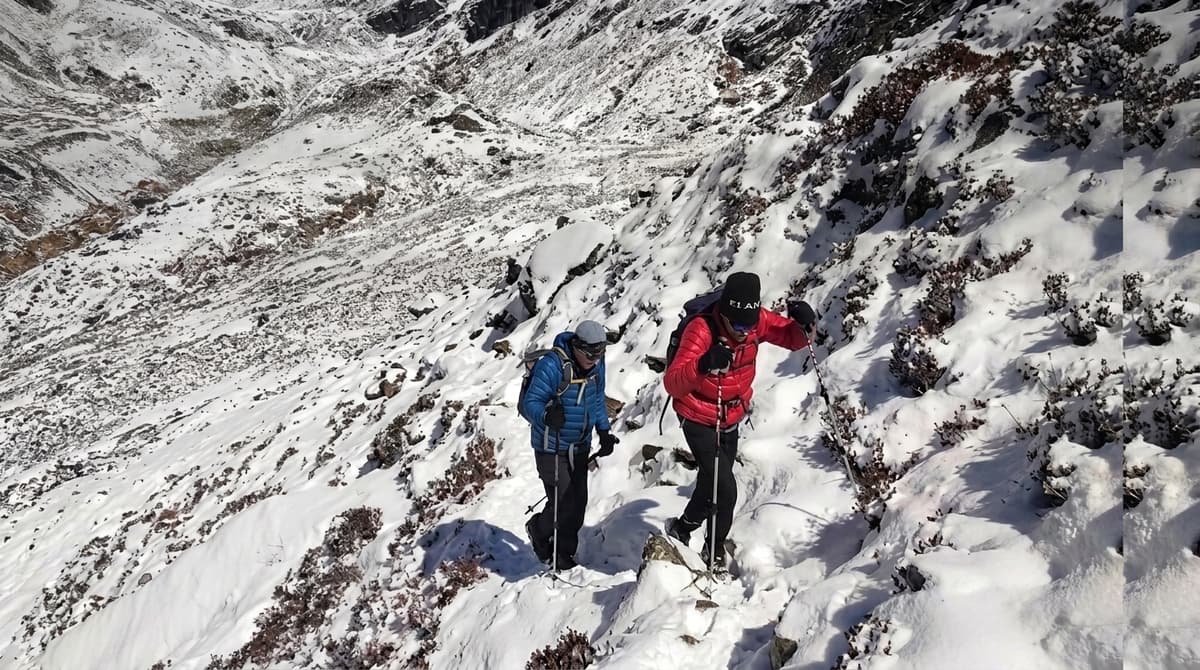
- Yes to steep climbs and descents: stone stairs through the woods before a steep, loose rock above the treeline.
- Trail conditions: Forest trail, stone steps and open, narrow ridgeline near the summit.
- Altitude-related: Genuine, as there is a real risk of mild altitude effects when staying overnight at high altitude (above 3,000m).
- Why it can be more challenging than it is apparent: The steepest part of the route from High Camp up to the summit takes place on a thin, exposed ridge, and is much more strenuous than the easier forest hike before reaching this point.
Mardi Himal Trek Difficulty at a Glance
Factor | What to Expect |
| Difficulty | Moderate |
| Highest Point | Mardi Himal Base Camp |
| Maximum Elevation | Around 4,500 m |
| Average Walking | 4–6 hours per day |
| Trail | Stone steps, forest trails, rocky ridgeline |
| Steep Sections | Yes |
| Beginner Friendly | Yes, with preparation |
| Technical Climbing | No |
What Makes the Mardi Himal Trek Difficult?
This is not one obstacle on this trek; it's a chain of factors. Let's take a look at the reasons for difficulty, one by one.
Steep Ascents and Descents
The path is mainly paved with stone steps and passes through a rhododendron forest, but there are also sections with steeper and looser rocks further up. The uphill stone steps are relentless on legs and lungs, unlike a flat trail, and they appear before the trek even starts. The climb out of Kande or Phedi to Pothana and Deurali is an uphill push before the trek has really begun. When they arrive, the descent to the village, as thousands of steps made of stone and loose rock, is just as demanding as the ascent – particularly in the final one or two days when they are already tired. A pair of trekking poles here is no exaggeration, and most guides won't leave them at home.
Mardi Himal Elevation & Altitude
From the height of about 1,000m in Pokhara, Mardi Himal altitude climbs increase to around 4,500m at Mardi Himal Base Camp, and most itineraries spend the night at High Camp (around 3,550 to 3,660m) before the final push to the summit. Even though the Mardi Himal trek is shorter and lower than the Everest Base Camp trek, it is a possibility to experience altitude sickness above 3000m. The approach from High Camp to the base camp area is steep and fast, making symptoms common if there is insufficient control of the gain. After a while, Mardi Himal elevation no longer becomes a footnote to the day but becomes the day.
Long Walking Days
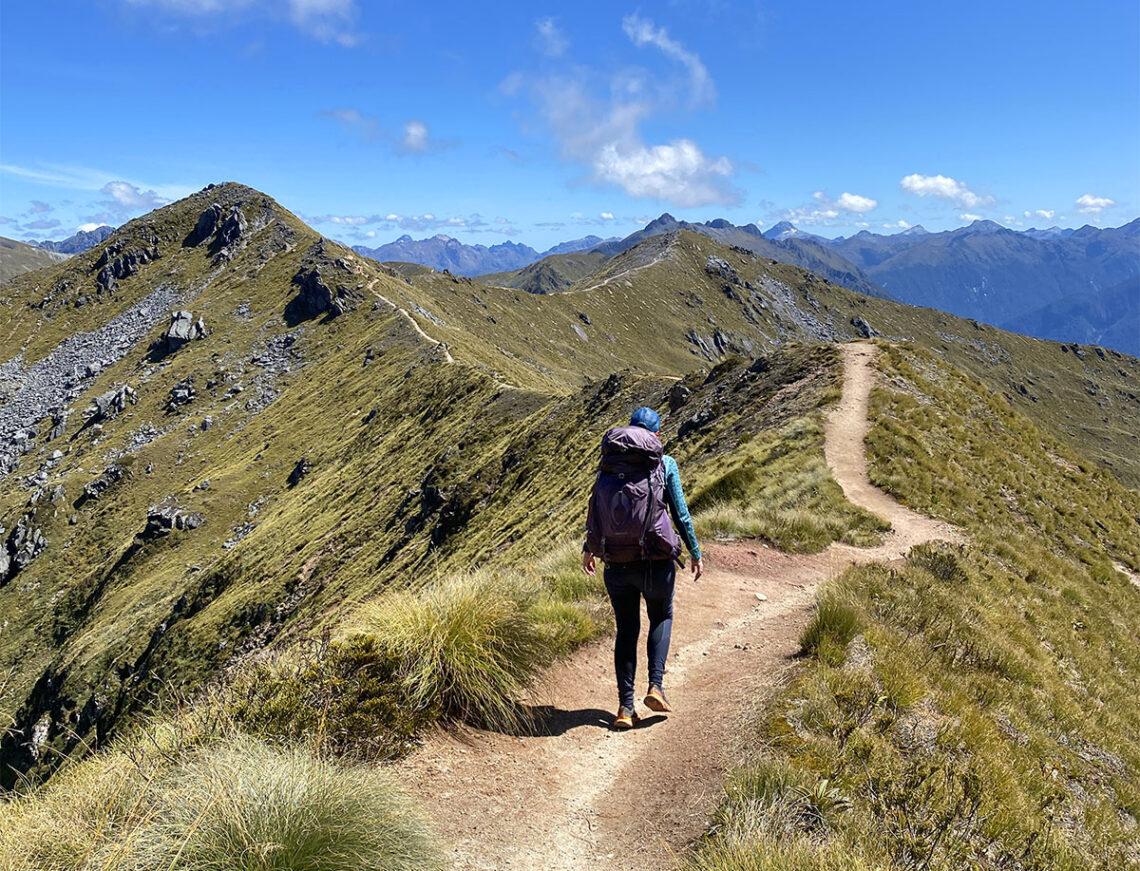
However, some straight hours of walking, hour after hour, day after day, will make for a lengthy trek, even if the trail is not challenging. Most days are 4 to 6 hours of real walking (excluding rest stops), and by day 3 or 4, it is usually not any one thing that is hard, but rather the cumulative fatigue of walking the same distance day after day after yesterday.
Weather and Trail Conditions
Lower forest areas are prone to rain, mud, and leeches in the monsoon season, while snow and ice may be found at High Camp and above in the winter months, and wind and cold can occur at all camps year-round, particularly in the mornings. Weather is a factor on this trail; a dry, dusty trail can turn to slick stone steps within an hour of rain. This is more important than it is on a flatter trail, because many places in the trail are not packed earth, but black rock or stone.
Remote Mountain Terrain
The trail becomes more primitive as you go up. Rooms below Forest Camp are more comfortable, and there are more hot showers and a wider selection of food; by High Camp, the rooms are simpler, hot showers are limited or unavailable, and the menu is limited. Not a hardship affair, this is not as much as first timers might have hoped for, but a step down from the top trek, which is different from the bottom days in the forest.
How Hard Is Mardi Himal Trek for Beginners?
Absolutely! Mardi Himal is not too difficult for the novice, but having a few hours of walking uphill is essential.
Mardi Himal is a trek that is accessible by any first-time trekker with no prior Himalayan experience and is often recommended for people wanting to enter Nepal trekking. It is more important to have good base fitness rather than experience - to be able to walk 4-6 hours over uneven, inclines terrain without extended recovery the next day. The trail is not a technical challenge, and most of the experience gained is in pacing and familiarity with the equipment.
Things to practice before you come:
- Regular walking or hiking, preferably on hills or stairs, in the weeks prior to the walk.
- Comfortable with a loaded daypack, as stairs and inclines seem to be much more difficult when carrying 5–8 kg.
- Working at a slow, steady tempo, rather than being very intense and requiring long recovery breaks.
Fitness is not the only thing that matters; acclimatization does too. A 5-7 day route is longer than the shortest, 4-day route offered by some operators, and takes the body more time to acclimate to the increasing altitude, significantly reducing the chances of developing symptoms associated with those higher elevations. The most common mistake beginners make is to run out of steam, to not dress appropriately for the cold temperatures at High Camp, or to try one of the shorter trails that are more suited to the more experienced hiker.
Is Mardi Himal or Easier Than Annapurna Base Camp?
Yes – in most ways. Mardi Himal is shorter (usually 5-7 days as compared to 7-10 days at ABC), a bit higher at its highest point, but because the peak is not sustained for as long as ABC, there are noticeably fewer trekkers, and as such, quieter trails and simpler teahouses. The other side of the coin, where Mardi Himal can be a bit as challenging (or more), is that the climb is spread out over a longer duration, whereas ABC does a high elevation push in a shorter overall trip.
Is Mardi Himal Easiest than Everest Base Camp?
Yes, hands down. Everest Base Camp is located at approximately 5364m at Kala Patthar (the highest point of the trek), remains above 3,500m for most of the week, and is usually 12-14 days long, including the buffer time for the Lukla flight. The tour to Mardi Himal peaks at approximately 4500m, stays above 3000m for one to two nights, and concludes within a week. This means that the acclimatization requirements, altitude exposure, and total duration of the trip are significantly less with Mardi Himal, making it a recommended step-up trek for anyone wishing to do EBC at a later time.
What Fitness Level Do You Need for Mardi Himal?
Elite conditioning isn't necessary, but it will pay off if you have a baseline of cardio, leg strength, and endurance that you've already developed. Here are the things to concentrate on:
Cardiovascular Fitness
Aerobic base training is required for multiple days of walking at altitude – aerobic base training can be achieved by regular walking, hiking, cycling, or stair climbing in the weeks prior to the departure. A reasonable minimum is 3-4 sessions per week that are 30-45 minutes in length.
Leg Strength
Stone-step up and steep descents work the most important muscles, including the squats, lunges, step-ups, and calf raises. Strength on the way down is another important aspect that is overlooked in training, and one of the most common complaints with this trek is sore quads on the way down.
Endurance
The aim is not to have one hard workout; it is to be able to maintain a moderate level of exertion for hours. For the majority of reasonably active adults, it is realistic to reach this level of activity during hikes within the month before the trek, using a loaded pack.
Training Before the Trek
This provides sufficient time to develop both aerobic and leg strength without rushing, beginning 6-8 weeks ahead of time. Those who start training only a week or two before usually experience the challenge much more acutely on Days 3 and 4 when the fatigue sets in.
How to Prepare for the Mardi Himal Trek
In addition to fitness, there are a few good tips for preparing for trekking in Nepal that will make a world of difference between a trek you can enjoy and a punishing one.
- Take regular strolls in the weeks before you leave.
- Do not only practice flat-ground fitness, but uphill and downhill walking.
- Practice on stairs to simulate sections of the trail that have stone steps.
- Use a loaded backpack on training hikes to condition shoulders and back.
- Wear out trekking boots before using them on Day 1.
- Be sure to pack for cold conditions particularly for layers at High Camp and pre-dawn push to the summit.
- Be sure to drink plenty of fluids during the training and during the trek.
- Don't rush others – go at a comfortable, sustainable pace.
- Prior to and during the trek get sufficient rest.
- Don't hurry to hike up, the four day plan is more for an experienced hiker rather than a beginner.
What Is the Best Pace for Mardi Himal?
Slow & steady beat fast, especially at high elevations (>3000m) where there is less oxygen available for the body to adjust. If the lower part of the woods is about as easy as it gets, it's likely about right when it turns a little bit steeper in the upper part.
- Walk at a medium pace—don't sprint and then walk for a long period.
- Rest breaks: Frequent short breaks are more effective than long breaks that happen less often, particularly on steep terrain.
- Hydration: This means drinking fluids frequently (not only at meals) throughout the day to help compensate for altitude and activity.
- Regular feeding: Regular eating of calories helps to maintain energy levels during long walking days.
- Take a moment to listen to your body: If you get a headache, feel strange fatigue or lack of appetite, take a break from the activity, don't push through.
Can You Get Altitude Sickness on Mardi Himal?
Yes. While Mardi Himal is not as tall or as rugged as the Everest Base Camp trek, it still climbs to heights around 4,500 meters, and symptoms may start to occur at elevations of about 3,000 meters and above (in the range of Low Camp and High Camp).
- Common symptoms: Headache, nausea, fatigue, loss of appetite, and difficulty sleeping.
- Why altitude is important: reduced oxygen levels at higher elevations create additional demands on the body, and a sudden change of elevation does not allow the body to adapt.
- Here's how to minimize the risk: By following a step-by-step schedule, drinking plenty of water, and avoiding alcohol at altitude, the risk can be significantly reduced.
- Stopping the ascent: If symptoms occur, and they are not improving with rest, then the general rule is to stop climbing until they have gone away.
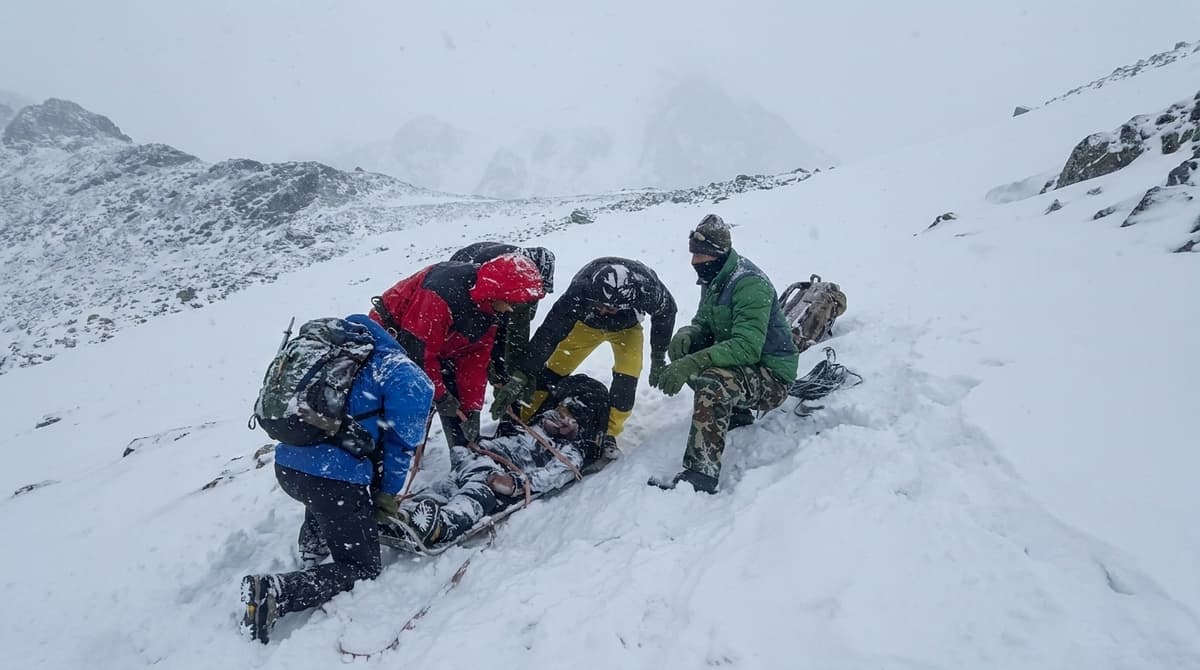
- Descend and seek medical assistance: Worsening symptoms, confusion, inability to walk in a straight line, or difficulty breathing at rest are indicators of more serious symptoms of altitude illness and should warrant a descent to seek medical assistance.
This section is of general awareness. Altitude monitoring is usually a part of the hiking program when hiking with a guide, and when hiking with a guide, following the guide's instructions on pace and acclimatization is the safest method.
Is Mardi Himal Trek Difficult in Different Seasons?
The weather impacts the trail more than the trail impacts the weather, so the same level of "moderate" can be perceived as an easier or harder walk when you go in summer versus winter.
Spring at Mardi Himal
The rhododendron forests are in bloom from March to May, the weather tends to be fairly predictable, and mountain visibilities are good, making this one of the easier seasons to navigate trails, even though the afternoon clouds may make it hard to see at the summits.
Mardi Himal in Summer
June-July-August brings mud, leeches in the lower forest sections, and cloud cover, which makes the trek a lot more challenging regardless of the trail itself. The wet stone steps are definitely slippery, and this is the time when trekking poles and proper footwear are most important.
Mardi Himal in Autumn
September to November is the best time to go trekking in Mardi Himal, as the clear skies, calm weather, and dry trail conditions make the trek feel like it's at its "normal" “moderate” level without any additional difficulty being added by the weather.
Mardi Himal in Winter
At High Camp and above, snow and ice are likely to occur between December and February, while in the rest of the season, it will be cold. There is a possibility that the final push to Base Camp will become more technical if snow accumulates on the ridge. The hiking conditions vary in the winter, but it is just as non-technical as they are in the summer, with the difficulties being the cold, shorter days, and slippery terrain.
How to Prepare for a Challenging Mardi Himal Trek?
The proper equipment won't make the difficult parts of the ride flat and will greatly diminish the unnecessary discomfort that makes difficult days more difficult. Prepare for the cold weather, elevation, and rugged terrain:
- A pair of well-worn, sturdy trekking boots with good ankle support.A pair of well-worn trekking boots with solid ankle support.
- Packed warm sleeping layers for High Camp and pre-dawn summit push.
- A waterproof jacket for quick changes in weather Conditions
- Steep descent is where trekking poles come in handy.
- Gloves and a warm hat for the cold upper camps
- A headlamp to use in the early morning to get ready for Base Camp.
- A refillable water bottle or hydration system
- A sunhat because of high UV radiation at higher elevations, and
- Sunscreen, for the same reason.Sunscreen, for the same reason.
- Basic First-Aid Supplies plus medical supplies as recommended by a physician for use at high elevations
Final Verdict: Is Mardi Himal Trek Difficult?
Mardi Himal is not a difficult climb, but it is challenging. You may find it a challenge because of the steep climbs, long walking days, and the high elevation, but it's not a difficult hike by any means. It is a trek that can be reasonably achieved by many first timers with reasonable fitness, the right trek itinerary, proper preparation, and at a moderate pace, and provides a real Himalayan experience without the time or altitude commitment of Everest Base Camp.
Ready to experience Mardi Himal? Explore the Mardi Himal Trek itinerary, check the estimated cost, or get in touch with our trekking team to plan your trip.