Sarangkot Sunrise and Pokhara Sightseeing in One Day: Is It Possible?
Pokhara has a way of making people want to slow down — lake views, mountain silhouettes, the smell of coffee drifting out of Lakeside cafés. But not everyone gets that luxury. A lot of travelers roll into Pokhara with a single free day squeezed between a flight and a trek, or between Chitwan and Kathmandu, and they want to know one thing: can you actually catch the Sarangkot sunrise and still see the rest of Pokhara before the day's out?
The answer is yes, and it's a more common combination than most people expect. Sarangkot sits close enough to the city that an early start doesn't wreck the rest of the day — it just requires timing the morning right and having a plan for the hours that follow. Most of what makes Pokhara worth visiting — the lake, the caves, the temples, the viewpoints — clusters close together, which is exactly what makes this kind of one-day plan work in the first place.
What Makes Sarangkot Worth the Early Wake-Up
Sarangkot isn't just another hill with a view. It's become the default sunrise spot for anyone passing through Pokhara, and once you understand what's actually visible from up there, it's easy to see why it draws a crowd every single morning.
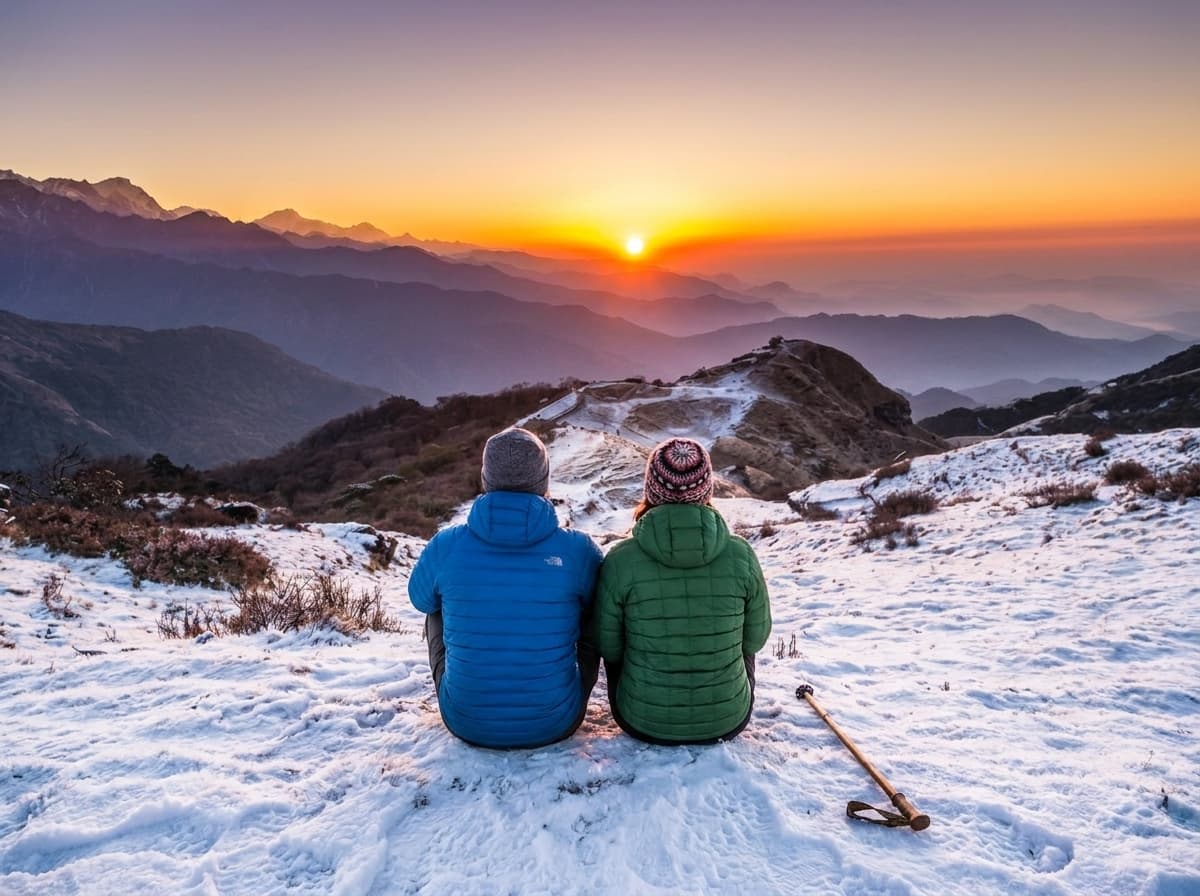
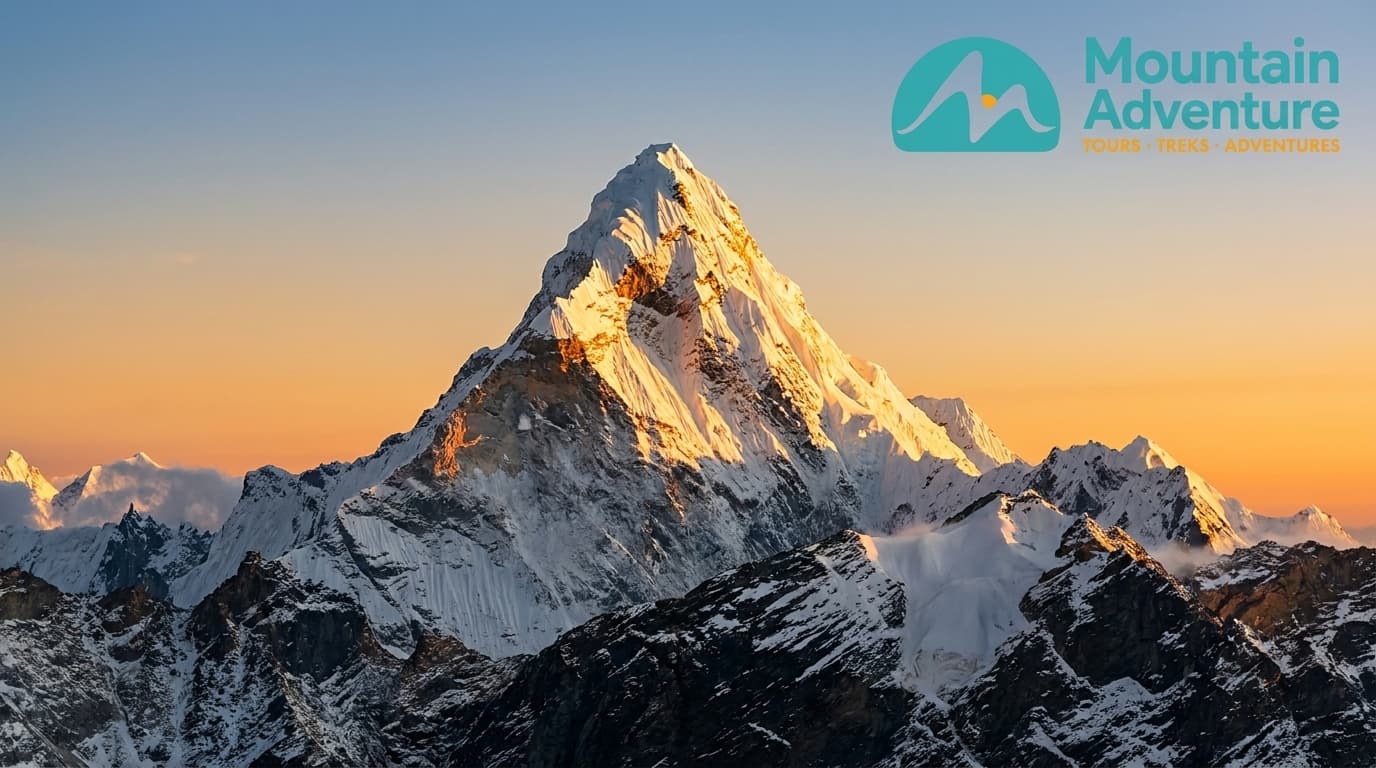
The hill sits at roughly 1,600 meters, on a ridge just west of Pokhara city, and on a clear morning it looks out over the Annapurna range, Dhaulagiri, and the unmistakable fishtail shape of Machhapuchhre. Below the ridge, Phewa Lake and the Pokhara valley slowly come into view as the light changes. The sunrise itself is less about the sun and more about watching the peaks shift from silver to gold as the first light hits snow at altitude — a slow, quiet kind of drama that photos never quite capture the same way twice.
Why This Particular Viewpoint Draws Crowds
Part of the appeal is simply how little effort it takes to get a payoff this big. Sarangkot is only about 5 kilometers from Lakeside by road, which keeps travel time short compared to most other Himalayan viewpoints in Nepal. It requires no trekking permit and no technical hiking experience, unlike nearly every other spot from which the Annapurna range is visible at this scale. The platform at the top is set up specifically for sunrise viewing, with room for dozens of visitors and vehicles, and it remains one of the few places in the country where a genuinely spectacular mountain panorama is reachable from a hotel bed in under an hour.
Getting to Sarangkot Before Sunrise
Timing is the one part of this plan that isn't flexible. Sunrise waits for no one, and Pokhara's roads up to Sarangkot get busy fast once the tour vans start moving. Sunrise itself shifts by season, generally landing somewhere between 5:30 and 6:45 AM, and most operators recommend leaving Lakeside by 4:30 to 5:00 AM to comfortably beat the crowd and grab a decent vantage spot. A private car or shared jeep covers the drive in around 40 to 45 minutes, while the Annapurna Cable Car, which opened in 2022, offers a faster and more scenic alternative to the drive for travelers who'd rather skip the road entirely.
Choosing How to Get There
A private vehicle is the most common choice, and probably the most sensible one for anyone planning a full sightseeing day afterward — it's comfortable and flexible on timing in a way shared transport isn't. The cable car is quick and scenic and avoids the winding hill road altogether, though it doesn't always run at true pre-dawn hours depending on the season, so it's worth confirming operating times before counting on it. Hiking up is a genuinely rewarding option for anyone who enjoys an active start to the day, but it takes three to five hours round trip depending on the route, which eats significantly into the time available for everything else. The local bus running from Baglung Bus Park is the cheapest way up, though it's the least practical option for a tight one-day itinerary once you factor in the schedule and connection time.
For anyone trying to combine the sunrise with a full day of sightseeing afterward, a private vehicle or the cable car makes far more sense than hiking. The hike is memorable, but it's really a half-day commitment on its own, and treating it as anything less usually means arriving late or rushing the descent.
What Sunrise at Sarangkot Actually Looks Like
Setting expectations here helps, because Sarangkot's reputation sometimes oversells the experience on hazy or cloudy mornings. On a clear day, the mountains appear in stages — first a faint outline against the dark sky, then a wash of pink and orange as the light builds, then full sunlight hitting the snow all at once. Dhaulagiri, the Annapurna massif, and Machhapuchhre are usually the standout peaks, weather permitting, and paragliders often launch from near the same ridge shortly after sunrise, adding a bit of movement and scale to the view for anyone still watching from below.
Best Time of Year for Clear Views
Autumn, running from September through November, is generally considered the most reliable stretch for clear skies and sharp mountain visibility, and it's the season most tour operators point travelers toward if timing is flexible. Winter, from December through February, tends to be clear as well, though mornings are noticeably colder at altitude and worth dressing for. Spring, March through May, brings green hillsides and blooming rhododendrons along the route, with slightly more haze on some mornings than the drier months. Monsoon season, from June through August, is the least dependable stretch of the year, with cloud cover frequently blocking the view entirely regardless of how early anyone shows up.
Anyone building a one-day Sarangkot-plus-Pokhara itinerary around a specific travel window should factor this in. A monsoon-season sunrise trip is still worth doing for the atmosphere and the drive itself, but the mountain payoff isn't guaranteed the way it is in autumn or winter.
Turning the Rest of the Day into a Full Pokhara Sightseeing Loop
Here's where the "is it possible" question actually gets answered. Sarangkot only takes up the first two to three hours of the day. What happens after that determines whether the whole plan works as a genuine one-day Pokhara experience, and the good news is that being back in Lakeside by 7:30 or 8:00 AM leaves a full day for sightseeing. Most of Pokhara's major attractions sit within a 20-minute radius of each other, which keeps transit time low, and arranging a single private vehicle for the whole day — rather than switching between taxis between stops — keeps the schedule moving without wasted time.
A Realistic Order for the Rest of the Day
A workable day usually starts with breakfast back in Lakeside around 8:00 AM, giving everyone a chance to eat and warm up after the early start. From there, the World Peace Pagoda is a natural next stop, reached by a short drive plus a boat crossing or a walk up from the southern side of Phewa Lake, and it offers another wide mountain-and-valley view from a completely different angle than Sarangkot. Phewa Lake itself is worth setting aside time for on its own — a paddle or rowboat out toward the Barahi Temple, which sits on its own small island in the middle of the water, is one of the more relaxed things to do in the middle of a busy day.
From the lake, most itineraries head toward Davis Falls, known locally as Devi's Falls, a waterfall that disappears into an underground channel and remains one of Pokhara's more unusual natural sights. Gupteshwor Cave sits right across from it, with a long limestone cave system and a Shiva shrine near the underground portion of the same waterfall, making the two an easy pair to visit back to back. Bindhyabasini Temple, an older and quieter temple on a hilltop near the old bazaar, makes a good stop for anyone wanting a break from the more touristy spots, and the International Mountain Museum is worth the detour for travelers heading toward a trek afterward and looking for a bit of context on Nepal's mountaineering history. A wander through the old Pokhara bazaar rounds things out nicely for anyone with an hour to spare before dinner.
Not every itinerary needs to include all of these stops. A well-paced day usually covers four or five of them comfortably, with time left over for lunch and a slower afternoon by the lake rather than rushing from one gate to the next.
What to Skip If Time Runs Short
A few activities are worth cutting if the day starts running behind schedule. Full-day paragliding sessions or tandem flights that require significant scheduling tend to eat up several hours on their own, and longer day hikes beyond Sarangkot — routes like Australian Camp or Panchase — really need a dedicated day rather than a slot squeezed into an already busy itinerary. The Annapurna Cable Car's full round trip isn't worth prioritizing if it's not already on the route to somewhere else, since the queue and ride time can run long during peak hours, and a second lake activity beyond boating rarely adds much once Phewa Lake's highlights are already covered.
Practical Tips for Making the Day Work
A few small decisions make the difference between a smooth one-day loop and a rushed, frustrating one. Arranging transport the night before — ideally a single vehicle booked for both the sunrise trip and the sightseeing loop — removes a lot of the morning-of stress. It's worth bringing a jacket for the ride up to Sarangkot, since it's noticeably colder at that altitude before sunrise even when Pokhara itself feels mild. Eating a light snack before leaving the hotel helps too, since most breakfast spots don't open until after the sunrise crowds have already come back down. Carrying cash in small denominations covers entrance fees at Davis Falls, Gupteshwor Cave, and the World Peace Pagoda boat crossing, none of which are guaranteed to take cards. And if the cable car is part of the plan, it's worth checking its operating hours in advance, since early-morning service isn't guaranteed year-round.
Booking a Tour vs. Arranging It Independently
A pre-arranged Sarangkot Sunrise Tour bundles the early pickup, the drive, and often a guide who can point out which peaks are which — useful for anyone who doesn't want to negotiate transport at 4:30 in the morning. A fixed-itinerary day tour covering both Sarangkot and the main Pokhara sights removes the guesswork of sequencing stops and handling entrance fees at each site along the way. Independent travel works fine too, for anyone comfortable arranging a taxi driver for the whole day, though it takes a bit more coordination the night before. Either approach gets the job done — the deciding factor really comes down to how much a traveler wants handled for them versus figured out on the fly.
Common Questions About Doing This in One Day
Booking Sarangkot and Pokhara sightseeing separately isn't necessary. Many travelers arrange one vehicle or one tour that covers both the sunrise leg and the daytime sightseeing loop, since booking them apart usually means paying for two pickups instead of one and coordinating two different drivers. A combined booking tends to be far more efficient for anyone who only has a single day to work with.
Cloud cover is the one variable no amount of planning can control. Even during the more reliable autumn and winter months, an occasional morning gets fogged in, and some operators build in flexibility to swap the sunrise slot for a sunset visit instead if the schedule allows for it. Travelers on a strict one-day timeline usually don't have the luxury of a second attempt, which is worth knowing going in rather than being surprised by later.
As for the hike versus driving up, the hike offers a slower, more immersive route through villages and terraced fields, but it takes several hours round trip. For a one-day itinerary that also includes Pokhara sightseeing afterward, the drive or cable car makes far more practical sense, and the hike is better saved for travelers with an extra day and no sightseeing plans layered on top.
Pricing for a combined tour varies by operator, vehicle type, and how many attractions are folded into the sightseeing portion. A private vehicle for the full day generally costs more than a shared jeep or group tour but offers more control over timing, and it's worth budgeting separately for entrance fees at Davis Falls, Gupteshwor Cave, and the World Peace Pagoda boat crossing, since these are usually charged apart from the tour price itself.
So, Is It Actually Possible?
Yes — and it's a genuinely popular way to spend a single day in Pokhara, especially for travelers working with a tight overall Nepal schedule. The early start is real, and nobody should go into this expecting a relaxed morning. But once the sunrise is done, the rest of the day moves at a comfortable pace, with enough time to see the lake, the temples, the waterfall, and the cave without feeling rushed. The sunrise takes up roughly the first three hours of the day, and everything else fits into a normal daytime schedule once that early piece is locked in. For travelers who only have one day in Pokhara, this combination is close to the most efficient way to use it: a mountain sunrise most people never forget, followed by a full look at what makes the rest of the city worth the stop.
Book a Sarangkot Sunrise and Pokhara Day Tour
If coordinating the early pickup, the drive to Sarangkot, and a full day of sightseeing sounds like more logistics than you want to handle solo, a fixed Sarangkot Sunrise Tour built into a full Pokhara Day Tour package takes care of the timing for you — pickup before dawn, a guided stop at the viewpoint, and a sequenced route through Phewa Lake, Davis Falls, Gupteshwor Cave, and the World Peace Pagoda afterward. It's one booking instead of five separate arrangements, which matters most on the one day you can't afford to lose to a scheduling mix-up.