Jomsom Muktinath Trek: Complete Guide & Travel Tips in Nepal 2026
In Mustang, you're instantly transported to a different world, given the sweeping winds and landscapes that surround you.
Ancient trade routes run along the bottom, prayer flags sway in the mountain wind, and the deep gorge of the Kali Gandaki River stretches out to the horizon, where snow-capped Himalayan giants loom.
The Jomsom Muktinath trek is not just a trek in the mountains. It is a trek through one of the most intriguing geo-spiritual regions in Nepal and is a wonderful mix of the majestic Himalayas and the spiritual significance.
Trekkers visit the stunning Lower Mustang landscapes, rural Thakali villages, and, ultimately, the holy Muktinath Temple, one of the holiest pilgrimage destinations for both Hindu and Buddhist devotees.
The thing that makes this hike so special is the variety in such a short period of time. Each day you will experience a different scene, from dense lower valleys to dry trans-Himalayan landscapes in Mustang.
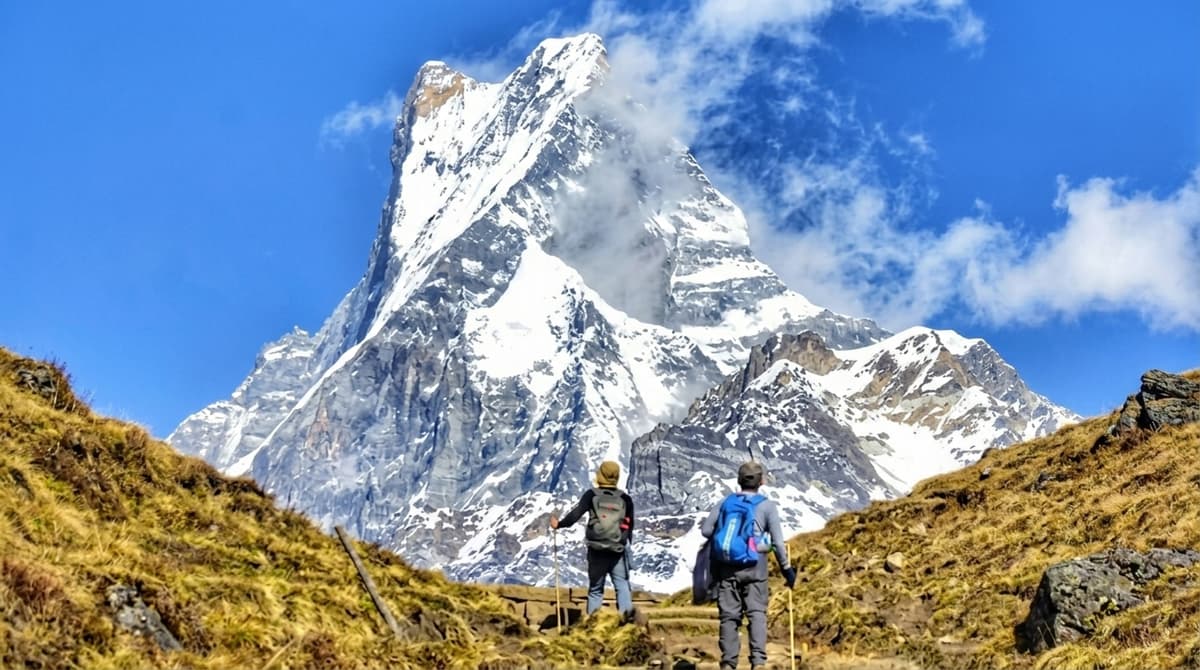
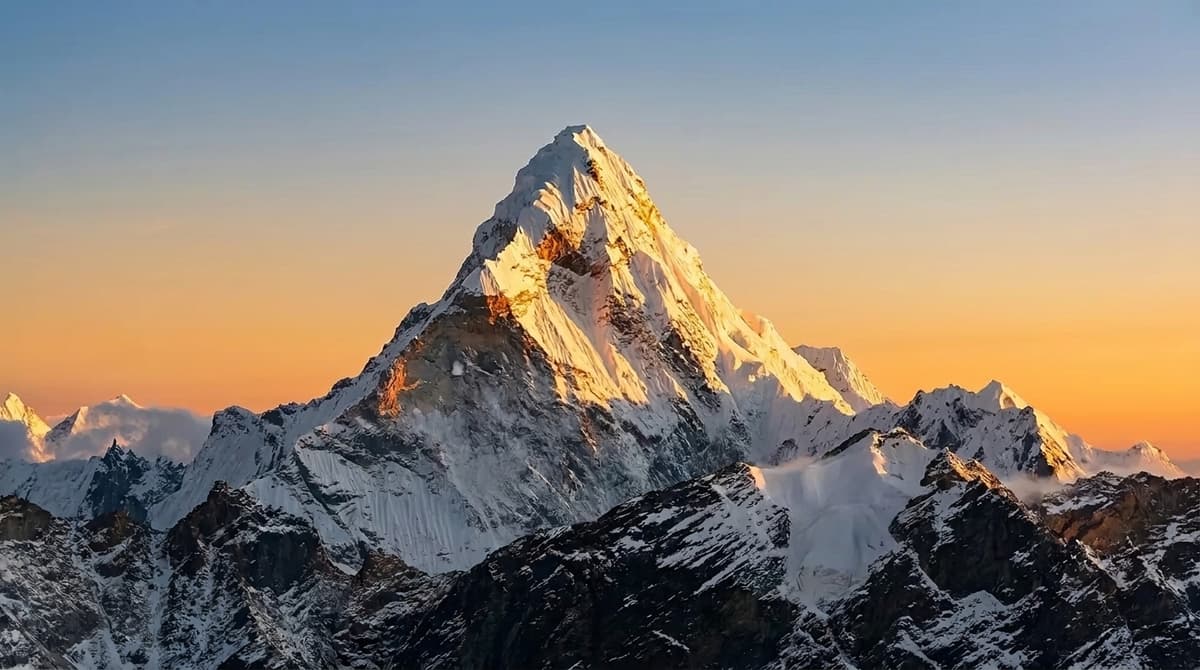
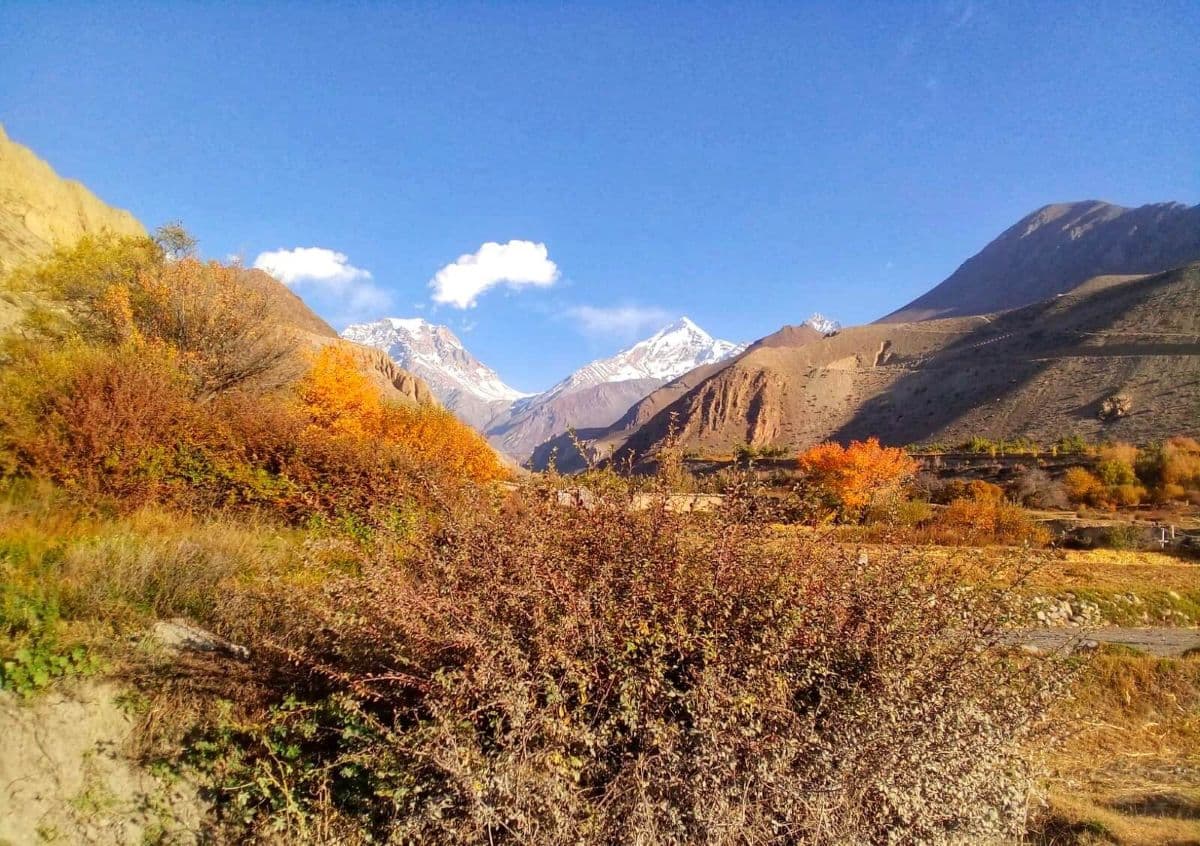
Along the route, trekkers can enjoy fantastic views of the Annapurna, Dhaulagiri, Nilgiri, and Tukuche Peak, which is one of the world's deepest gorges, a section of the legendary Kali Gandaki Gorge.
Jomsom Muktinath Trek is an unforgettable experience for travelers who want to learn more about the cultural, spiritual, and adventurous aspects of the Himalayas, including some of the most iconic landscapes and sacred sites in Nepal.
This trek is truly unique, whether you are a pilgrim visiting Muktinath, a photographer looking for dramatic views of the mountains, or a trekking enthusiast seeking a rewarding Himalayan trek.
Quick Answer: Jomsom Muktinath Trek at a Glance
For readers who want the essentials before diving into details:
- What is it? A moderate trek/pilgrimage route in the Annapurna region of Nepal, leading to the sacred Muktinath Temple (3,800m) via Jomsom and the Kali Gandaki Valley.
- Duration: Typically 6–10 days, depending on whether you fly or trek both directions.
- Maximum altitude: Around 3,800m at Muktinath Temple.
- Difficulty: Easy to moderate - suitable for most beginners with reasonable fitness.
- Best season: March–May (spring) and September–November (autumn).
- Permits needed: Annapurna Conservation Area Permit (ACAP), and in most cases a TIMS card.
- Who it suits: Pilgrims, families, first-time trekkers, photographers, and anyone short on time who still wants a genuine Himalayan experience.
Why Choose the Jomsom Muktinath Trek?
Although there are lots of trekking trails in Nepal, none of them have the natural beauty, cultural richness, and religious significance like the Jomsom Muktinath Trek.
Here are some reasons why trekkers continue to choose this route year after year:
Visit and experience the Sacred Muktinath Temple
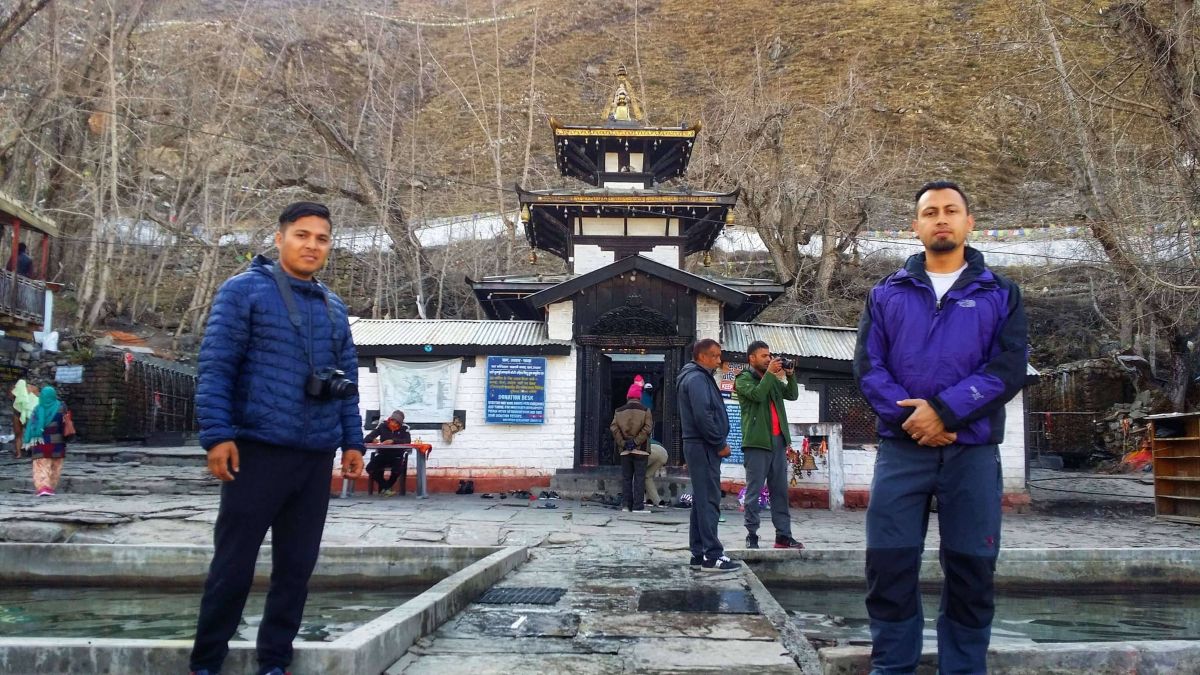
Muktinath is one of the nationally important pilgrimage sites of Nepal. The temple is considered to be a sacred site for the followers of Hinduism, as well as the followers of Buddhism.
Discover Mustang unique landscapes on this tour
While the lush forests are common on many Annapurna treks, Mustang has dry cliffs, barren hills, colorful rock formations, and Tibetan-influenced settlements that make the area look like a desert.
Explore amazing Himalayan scenery from the inside
On the way, you will have close-up views of:
- Dhaulagiri (8,167 m)
- Annapurna I (8,091 m)
- Nilgiri
- Tukuche Peak
- Annapurna South
Suitable for a Wide Range of Trekkers
This trek is not as hard as treks to the high altitudes, like the Annapurna Circuit Trek, which is much more accessible, requiring less acclimatisation, so it is a great trek for beginners.
Rich Cultural Experience
The trail runs through the traditional Thakali communities, home to some of the world's most famous dishes, as well as traditional architecture and hospitality.
Jomsom Muktinath Trek Overview
Trek Facts
| Category | Details |
| Trek Name | Jomsom Muktinath Trek |
| Region | Annapurna Conservation Area |
| Duration | 10–15 Days |
| Maximum Elevation | 3,800 m |
| Trek Difficulty | Moderate |
| Accommodation | Teahouses |
| Transportation | Flight, Jeep, Bus |
| Best Seasons | Spring & Autumn |
| Cultural Highlights | Thakali Villages, Buddhist Monasteries, Muktinath Temple |
| Major Attractions | Kali Gandaki Valley, Mustang Landscapes, Himalayan Views |
Trek Distance
Depending on the itinerary and transportation choices, trekkers typically cover between 80 and 120 kilometers.
Difficulty Level
The trek is generally considered moderate. Daily walking ranges from 5 to 7 hours, with gradual altitude gain compared to more challenging Himalayan routes.
Accommodation
Comfortable teahouses are available throughout most villages along the trail, providing basic rooms, meals, and warm hospitality.
Where are Jomsom and Muktinath Located?
Jomsom and Muktinath are located in the Mustang District of Nepal in the northern Annapurna region.
Jomsom is the administrative center of Lower Mustang and the primary gateway to Muktinath. The town, situated at around 2720 m, is renowned for its strong afternoon winds, stunning mountain views, and distinctive desert-like setting.
Muktinath is located about 20 km north-east of Jomsom, at an altitude of 3,800m. Thousands of trekkers and pilgrims visit the temple complex each year.
The walk follows the Kali Gandaki Valley, a major trading route between Nepal and Tibet. On the way, travelers visit picturesque settlements, such as:
- Tatopani
- Ghasa
- Marpha
- Jomsom
- Kagbeni
- Ranipauwa
Every village provides distinctive cultural experiences and stunning Himalayan views.
Highlights of the Jomsom Muktinath Trek
Visit the Sacred Muktinath Temple
The Muktinath Temple, the spiritual climax of the trek, is famous for its 108 sacred water spouts and eternal flame.
Kali Gandaki Gorge Trek
Discover one of the world's deepest river valleys with the Annapurna and Dhaulagiri ranges surrounding you.
Visit Marpha Village
Marpha is known as the “Apple Capital of Nepal” and is famous for its lovely stone houses, apple orchards, and the traditional Thakali culture.
Explore Kagbeni
Kagbeni is the gateway to Upper Mustang and a window on the Tibetan-influenced culture of Mustang.
Enjoy Breathtaking Mountain Views
The trek offers constant views of:
- Dhaulagiri Range
- Annapurna Range
- Nilgiri Himal
- Tukuche Peak
- Thakali Hospitality
Experience Thakali Hospitality
The warmth of local communities and the delicious Thakali food en route are also frequent points of praise among trekkers.
Unique Trans-Himalayan Landscape
This trek is different from other treks like Annapurna Base Camp Trek – 12 Days or Ghorepani Poon Hill Trek, as you will see the change from green valleys to dry Mustang land.
Detailed Jomsom Muktinath Trek Itinerary
Day 1: Arrival in Kathmandu (1,400 m)
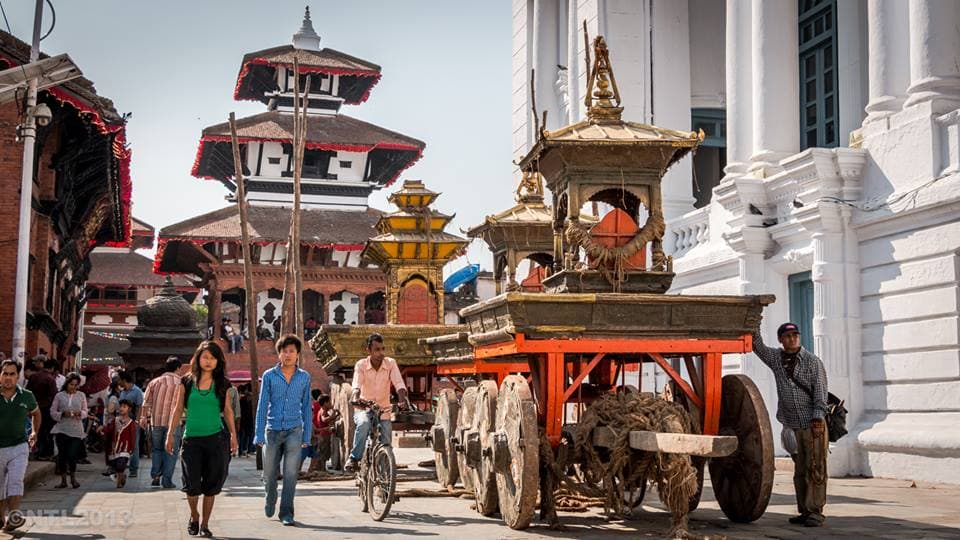
Arrive in Kathmandu and get ready for the trek. Visit some nearby places of historic interest and the trek briefing.
Day 2: Drive to Pokhara (822 m)
Travel through the scenic valleys and hills to the lakeside city of Pokhara.
Day 3: Drive to Tatopani
Pass through stunning mountain scenery and start exploring the cultural differences of the Annapurna Region.
Day 4: trek up to Ghasa
Soak up the forest, waterfalls, and traditional villages while slowly climbing.
Day 5: Marpha Trek
Visit one of the most beautiful villages in Nepal: apple orchards & white-washed stone houses!
Day 6: Trek to Jomsom
Hike along the Kali Gandaki Valley and enjoy stunning views of Nilgiri and Dhaulagiri.
Day 7: Hike to Kagbeni
Explore the mountainous scenic areas of Lower Mustang and absorb the culture that is influenced by Tibet.
Day 8: Trek to Muktinath
This rewarding hike culminates in the sacred Muktinath Temple, a spiritual highlight that is seen almost at the end of the trail.
Day 9: Explore Muktinath
Explore the temple complex, monasteries, sacred water spouts, and viewpoints.
Day 10: Jomsom then back again
Travel through the windy terrain of the Mustang with views of the mountains.
Day 11: Fly or Drive to Pokhara
Take an early morning flight or scenic drive back to Pokhara.
Day 12: Kathmandu once again
Then head back to Kathmandu, where you can enjoy your achievement.
Best Time for Jomsom Muktinath Trek
Spring (March–May)
Warmer days, lower area rhododendron blooms, and clear skies on the mountains. One of the two peak seasons (summer or winter). If you're looking for other spring treks in Nepal, check out our article about the Best Spring Treks in Nepal.
Summer/Monsoon (June–August)
It's here that Jomsom Muktinath truly stands out from other Annapurna treks. In Mustang, trails remain very dry even during monsoon time, as it is a rain shadow.
There may be a little lee and rainfall in the lower areas, particularly around Pokhara and Tatopani, but as you begin to cross the Ghasa, it gets noticeably drier.
Autumn (September–November)
The most popular season, and with good reason: the stable weather conditions, the crisp mountain visibility, and the comfortable daytime temperatures.
Teahouses and flights will be busier during certain weeks. Compare with other treks in Nepal on our Best Autumn Treks in Nepal page.
Winter (December–February)
It is cold, particularly at Muktinath, where night temperatures can fall below freezing, but in general, the trail doesn't see much snow at these heights. For those who prefer fewer people on the trail and are willing to bundle up, this is a good choice.
How Difficult Is the Jomsom Muktinath Trek?
Easy to Moderate. This is one of the more accessible trails in Annapurna.
In actual practice, this means:
- Usually, walking per day is 4 – 6 hours.
- Trails are very wide, well-marked, and not steep or technical the majority of the time.
- No glacier crossings, ropes, or scrambling.
- The prime problem is the ascent from Kagbeni to Muktinath, as well as thinner air at higher altitudes.
- Even though the elevation gain is what makes walking more arduous in the Kali Gandaki Valley, strong and gusty winds can make the walk more challenging, particularly during the afternoon.
This is a truly beginner-friendly route for routes that are longer in length at high elevations. If you want to get an idea of how tough it is compared to a harder route in the same region, our Annapurna Circuit Trek Difficulty breakdown is helpful.
Altitude Sickness and Acclimatization Tips
Muktinath is not at such an elevation that it exacerbates Acute Mountain Sickness (AMS) to be a significant statistical problem, but it's not that it isn't, especially for trekkers flying direct from near sea level to Jomsom.
Real-life helpful hints for this route:
- Don't fly straight up and rush to Muktinath the same day. Stay at Jomsom or Kagbeni for one night before moving up.
- Hydrate seriously. Mustang's desert air can dehydrate you faster than you realize, making symptoms of AMS seem identical or make you feel worse.
- Walk, don't race. A slower pace really does decrease AMS risk, although the trail can be traversed at a manageable pace.
- Be aware of headache, nausea, or unusual fatigue, which are early warning signs, and do not ignore these signs.
- Take simple AMS drugs (such as acetazolamide) as prescribed by your doctor, especially if you've experienced altitude sickness before.
To read about AMS in greater detail and know how to avoid it, please visit our guides, How to Avoid Altitude Sickness on High Altitude Treks and Altitude Acclimatization for Trekking.
Permits Required for Jomsom Muktinath Trek
This entire trek is within the Annapurna Conservation Area, and each trekker must have:
ACAP (Annapurna Conservation Area Permit): This is mandatory and is checked at trail checkpoints, including at Jomsom, and is issued by NTNC and the Nepal Tourism Board.
Trekkers Information Management System (TIMS Card): primarily for trekker safety tracking. In recent years, the requirement and enforcement of TIMS has changed, so please check with the Nepal Tourism Board or the trekking agency you choose before your trip.
Both permits are available in Kathmandu or Pokhara and can be obtained through a registered trekking agency, which will require only a copy of your passport and photos.
If you want to see a wider picture of the Nepalese permit system, see the detailed map.
To get a wider picture of how this fits into Nepal's permit system, check out the detailed map. See our Guide to Trekking Permits in Nepal and Trekking Permits and Fees for Popular Trekking Routes in Nepal.
Accommodation and Food During the Trek
Nothing like camping around a fire, no tent required! There are plenty of guesthouses in both very basic and comparatively comfortable lodges with attached bathrooms and hot showers (usually for a fee) in all four towns of Jomsom, Kagbeni, Marpha, and Muktinath/Ranipauwa.
On food, expect:
- As the staple food of trekking, the dal bhat (lentils, rice, vegetables) will be served, and refilled time and again.
- This is the region where you will find that Thakali food is really popular throughout Nepal, so look for more robust and flavourful set meals than in many of the other regions.
- Local specialties in Marpha include apple pie, dried apples, and apple brandy, otherwise known as raksi.
- Most teahouses offer simple western dishes such as pancakes or porridge, and basic but reliable varieties like noodles, soups, momos, and simple western dishes are available at most teahouses.
The farther and higher away from the source, the more expensive it is, just because of the need for supplies to be flown in or carried. It's a good deal for the ease.
Transportation Options
Flight
The flight from Pokhara to Jomsom takes about 20-25 minutes and is a very scenic flight with close-up views of the Annapurna and Dhaulagiri ranges.
Knowing this can be helpful: flights can be cancelled due to the weather at any time, and the flights take place mainly in the early morning hours when the winds are low in the valley.
Bad weather could cause delays and cancellations, particularly in winter and the monsoon. Leave a buffer day in your plans if you are flying.
Jeep
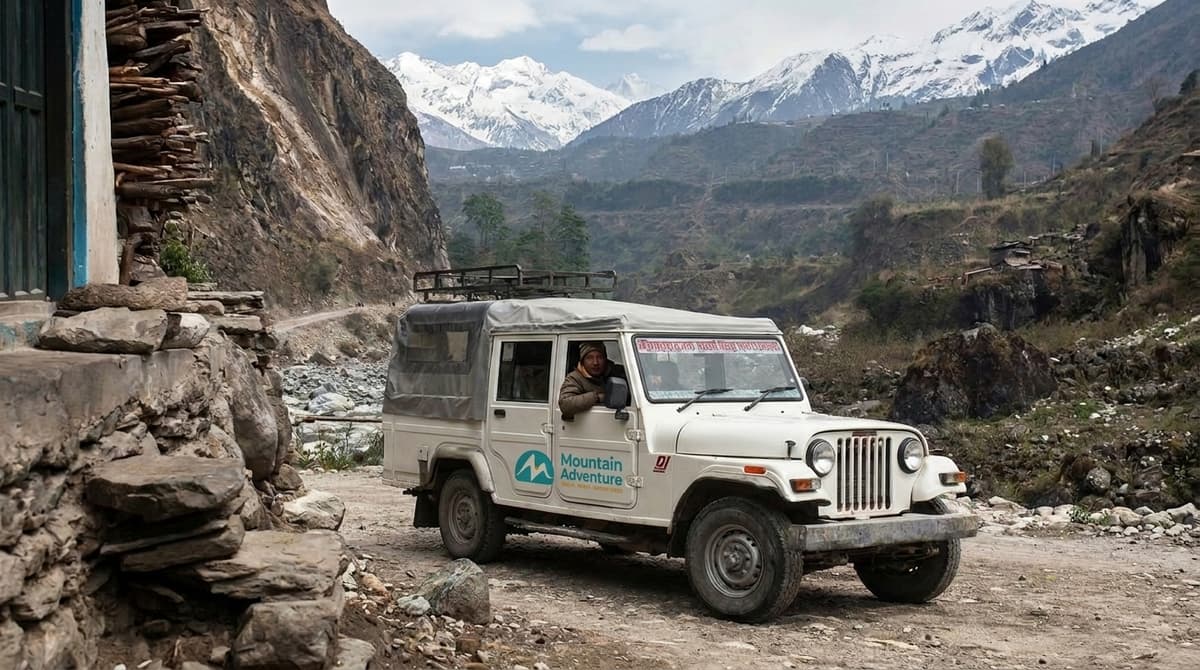
There is a jeep road now connecting Pokhara to Jomsom, and then to Muktinath, so that it is possible to reach the temple without having to fly or trek the entire way.
This is a much longer journey (8+ hours one way) and sometimes bumpy, but a convenient alternative for people with little time, elderly family members, and as a fall-back option in the event of a flight cancellation.
Trekking Route
The traditional walk route is towards the Kali Gandaki valley through Tatopani, Ghasa, Lete, and Kalopani, to Jomsom.
This gives you a few more days, and the trek is a lot more slow-paced, picturesque, and physically strenuous than a flight or jeep hoppers trip to Jomsom.
Jomsom Muktinath Trek packing list
- Clothing (layered): The temperature difference between the day and nighttime walks on the sunlit side of the road and on the cold side of the road is quite large, even outside the winter months, and a fleece or down jacket is essential.
- Windproof outer layer: the Kali Gandaki Valley is infamous for strong afternoon wind, and a good windbreaker is essential here, which is more important in many other treks.
- Worn-in, comfortable hiking boots: the hiking is mostly easy, but there are some loose, gravelly places where a sturdy ankle is needed.
- Protect from the sun: sunglasses, sun cream, and a hat – the sun's UV rays are strong at altitude, particularly on bare, treeless areas close to Muktinath.
- Water bottle and purification tablets or filter: Saves single-use plastic and prevents dehydration.
- Basic first aid and personal medications (including medication for AMS if recommended by your doctor).
- A small collection of garments for use when visiting the temples: Muktinath is an active pilgrimage site, and covering shoulders and knees is appropriate.
- Power bank: electric power is available in most teahouses, but may be limited and charged at an hourly rate in remote villages.
If you are planning your first trek in Nepal, the general guide, What to Pack for Your First Trek has some more details, and How to Prepare for Trekking in Nepal should be read well before your trip.
Cost of Jomsom Muktinath Trek
Average Trek Cost Overview
| Category | Estimated Cost (USD) |
| Budget Trek | $600–$900 |
| Standard Guided Trek | $900–$1,500 |
| Premium Trek Package | $1,500–$2,500+ |
Main Cost Components
Permits
Costs vary based on nationality and current government regulations.
Transportation
Options include:
- Kathmandu to Pokhara tourist bus
- Domestic flights to Jomsom
- Shared jeep transportation
- Private jeep transfers
Flights generally increase overall expenses but save valuable trekking time.
Accommodation
Accommodation costs rise gradually with altitude and remoteness.
Typical teahouse prices vary depending on:
- Season
- Location
- Facilities available
Meals
Daily food expenses typically range from:
- Budget: $15–20 per day
- Mid-range: $20–35 per day
Food becomes more expensive as supplies are transported to higher villages.
Guide and Porter Services
Hiring local staff improves safety and supports mountain communities.
Typical services include:
- Licensed trekking guide
- Porter assistance
- Trek leader for group departures
Many travelers choose a fully organized Jomsom Muktinath Trek – 15 Days package for convenience and logistics management.
Ways to Save Money
- Travel during shoulder seasons
- Share jeep transportation
- Book group departures
- Carry reusable water bottles
- Avoid unnecessary flight upgrades
Jomsom Muktinath Trek vs Annapurna Circuit Trek
The total price of the Jomsom Muktinath trek depends on a number of factors, such as itinerary, the mode of transport, the type of accommodation you choose, and whether you trek solo or with a guided package.
Comparison Table
| Feature | Jomsom Muktinath Trek | Annapurna Circuit Trek |
| Duration | 10–15 Days | 15–20+ Days |
| Maximum Altitude | 3,800 m | 5,416 m (Thorong La Pass) |
| Difficulty | Easy to Moderate | Moderate to Challenging |
| Altitude Risk | Low to moderate | Moderate to high |
| Access | Flight, jeep, or trek | Mostly trek, partial jeep access |
| Focus | Pilgrimage, culture, landscape | Full circuit, high pass, diverse scenery |
| Best For | Beginners, families, time-limited travelers | Experienced trekkers seeking a complete high-altitude challenge |
Which Trek Should You Choose?
Choose the Jomsom Muktinath Trek if you:
- Prefer a shorter itinerary
- Want lower altitude exposure
- Are you trekking for the first time
- Have spiritual or pilgrimage interests
- Want a balance of culture and mountain scenery
Choose the Annapurna Circuit Trek – 15 Days if you:
- Seek a more challenging adventure
- Want to cross a high Himalayan pass
- Have previous trekking experience
- Have additional time available
Readers comparing the two routes may also find Annapurna Circuit Trek vs Annapurna Base Camp Trek helpful.
Who Is This Trek Suitable For?
The biggest benefit of the Jomsom Muktinath Trek is that it is enjoyed by many.
Beginners
This trek is one of the Best Treks in Nepal for Beginners as it is a moderate hike and the elevation profile is not too high.
Pilgrims
One of the sacred places for pilgrimage in Nepal, Muktinath is a place where Hindu and Buddhist devotees from all over the world visit.
Families
These are the things families with little ones and seniors might value:
- Comfortable teahouse accommodation
- Moderate walking distances
- Cultural experiences
- Flexible transportation options
Photographers
The combination of:
- Himalayan peaks
- Mustang landscapes
- Ancient villages
- Monasteries
- Prayer flags
Provides outstanding opportunities for photography.
Experienced Trekkers
This is a route with a very special geography and a special cultural value that is adored by all trekkers, including the experienced ones.
Responsible Trekking Tips
- Follow the rules of the temple at Muktinath: dress appropriately, take off shoes when necessary, and be aware of active worshippers.
- Use water purification systems rather than purchasing bottled water, since single-use plastic is to be avoided where possible; use an alternative bottle.
- Avoid hiring local guides and porters outside of registered companies – it helps the local communities of Thakali and Mustang, who rely on trekking tourism.
- Avoid straying from the designated trails, especially near Kagbeni and Lubra where the desert surrounds, and the farm land is vulnerable.
- Be aware of cultural photography; request permission before taking photos of people, monasteries, or active religious ceremonies.
Conclusion
The Jomsom Muktinath Trek is a unique blend of the Himalayan surroundings, culture, and religious meaning.
Every stop along the way offers a glimpse into Nepal's mountains and customs, from the breathtaking scenery of Lower Mustang and the famous Kali Gandaki Gorge to the spiritual vibe of Muktinath Temple.
Unlike many of the high alpine adventures in the Himalaya, this trek is available to anyone, from novices to senior families, pilgrims, and trekker-experts looking for a briefer but no less rewarding trek.
It is a comfortable teahouse trek, with excellent views of Annapurna and Dhaulagiri, as well as an authentic cultural experience with the people of the Mustang region.
From a spiritual viewpoint, it can be a trek for Dhaka Jomosom, from an adventurous perspective, it can be a trek to the Himalayas, and from a photo opportunity standpoint.
It is a trek to some of the most interesting destinations in Nepal, and from the perspective of an explorer, it could be a trek to the Himalayas.
The Jomsom Muktinath Trek package offers an ideal blend of trekking, cultural immersion, and spiritual enlightenment in the heart of the Annapurna Region, making it a perfect choice for those looking for a well-rounded and enriching travel experience.
Frequently Asked Questions
1. How long does the Jomsom Muktinath Trek take?
Most itineraries take between 10 and 15 days, depending on transportation choices and acclimatization schedules.
2. What is the altitude of Muktinath?
Muktinath Temple is located at approximately 3,800 meters (12,467 feet) above sea level.
3. Is the Jomsom Muktinath Trek difficult?
The trek is considered moderate and suitable for trekkers with a basic level of fitness.
4. Can beginners do the Jomsom Muktinath Trek?
Yes. Many first-time trekkers complete the route with proper preparation.
5. What permits are required?
Trekkers generally require:
- Annapurna Conservation Area Permit (ACAP)
- TIMS Card
Permit requirements may change, so always verify current regulations before departure.
6. Is altitude sickness a concern?
Yes, although the risk is lower than on many high-altitude treks. Proper acclimatization, hydration, and pacing help reduce risks.
7. What is the best time for the trek?
The best seasons are:
- Spring (March to May)
- Autumn (September to November)
These months offer the most stable weather and the best mountain views.
8. Are teahouses available along the route?
Yes. The route has a well-established teahouse network offering accommodation and meals throughout the trek.
9. Can I reach Muktinath without trekking?
Yes. Many travelers reach Muktinath using a combination of flights, jeeps, and short walks.
10. Is travel insurance necessary?
Yes. Comprehensive travel insurance covering trekking activities and emergency evacuation is highly recommended.